Why It Happens Here
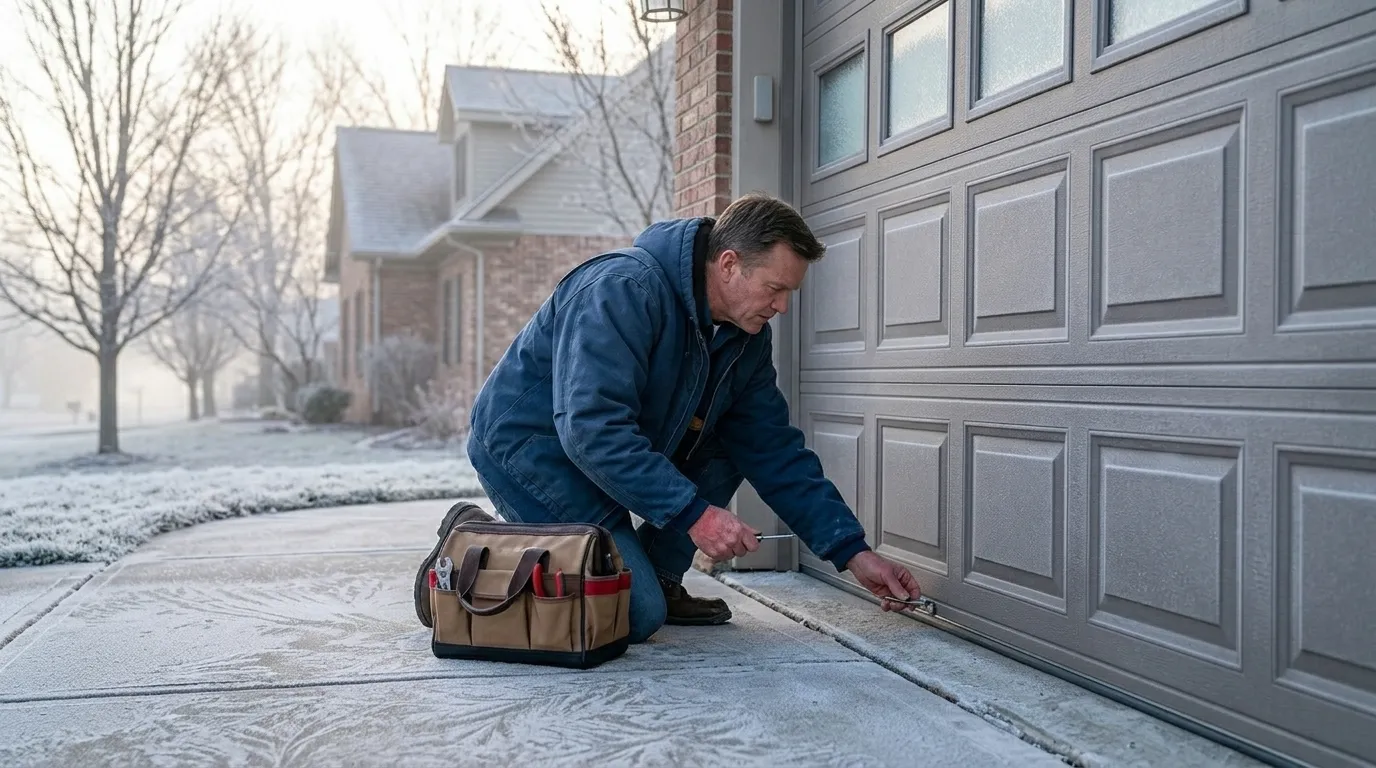
Colorado Springs sits in a severe cold climate band, and that's the single biggest reason garage door hardware fails here on a schedule different from milder places. Repeated hard freezes stiffen lubricant in torsion springs and openers, which raises the load on cables and bearings every time the door cycles on a cold morning. Springs rated for a certain number of cycles simply use up that life faster in weather like this.
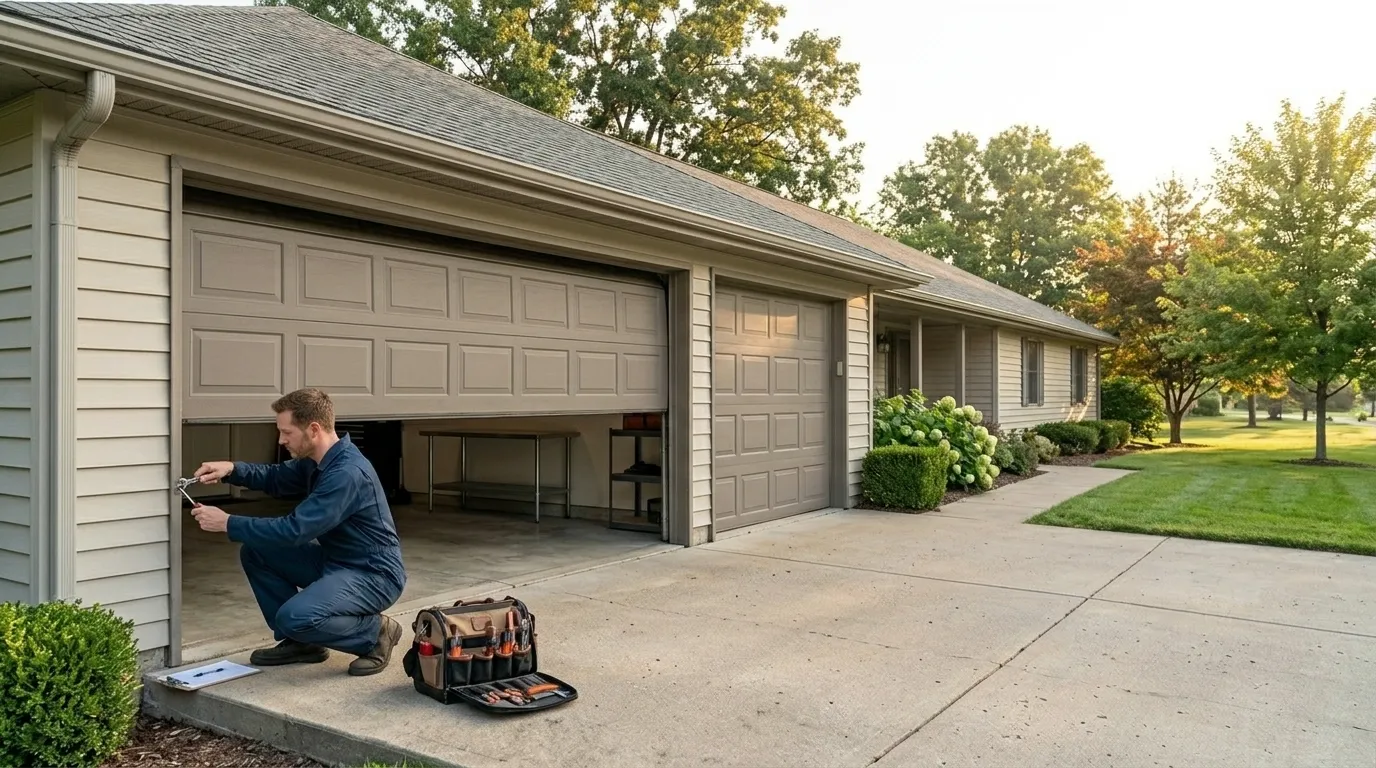
Age of the housing stock compounds it. A large share of homes across the 15 named areas we work in - from Cimarron Hills to Northwest Colorado Springs to Rock Creek - were built during the 1980s and 90s boom, meaning the springs, cables, and openers on a lot of doors are original or one replacement removed from original. That's 30 to 40 year old steel doing daily work in freeze-thaw cycles it wasn't built to handle indefinitely.
We also see openers fail after a hard cold snap more than after a hot spell - the opposite of what a lot of homeowners expect. Cold makes gear-drive plastic brittle and chain-drive lubricant thick, and that combination is what actually breaks the part, not the summer heat.
Doing It Yourself
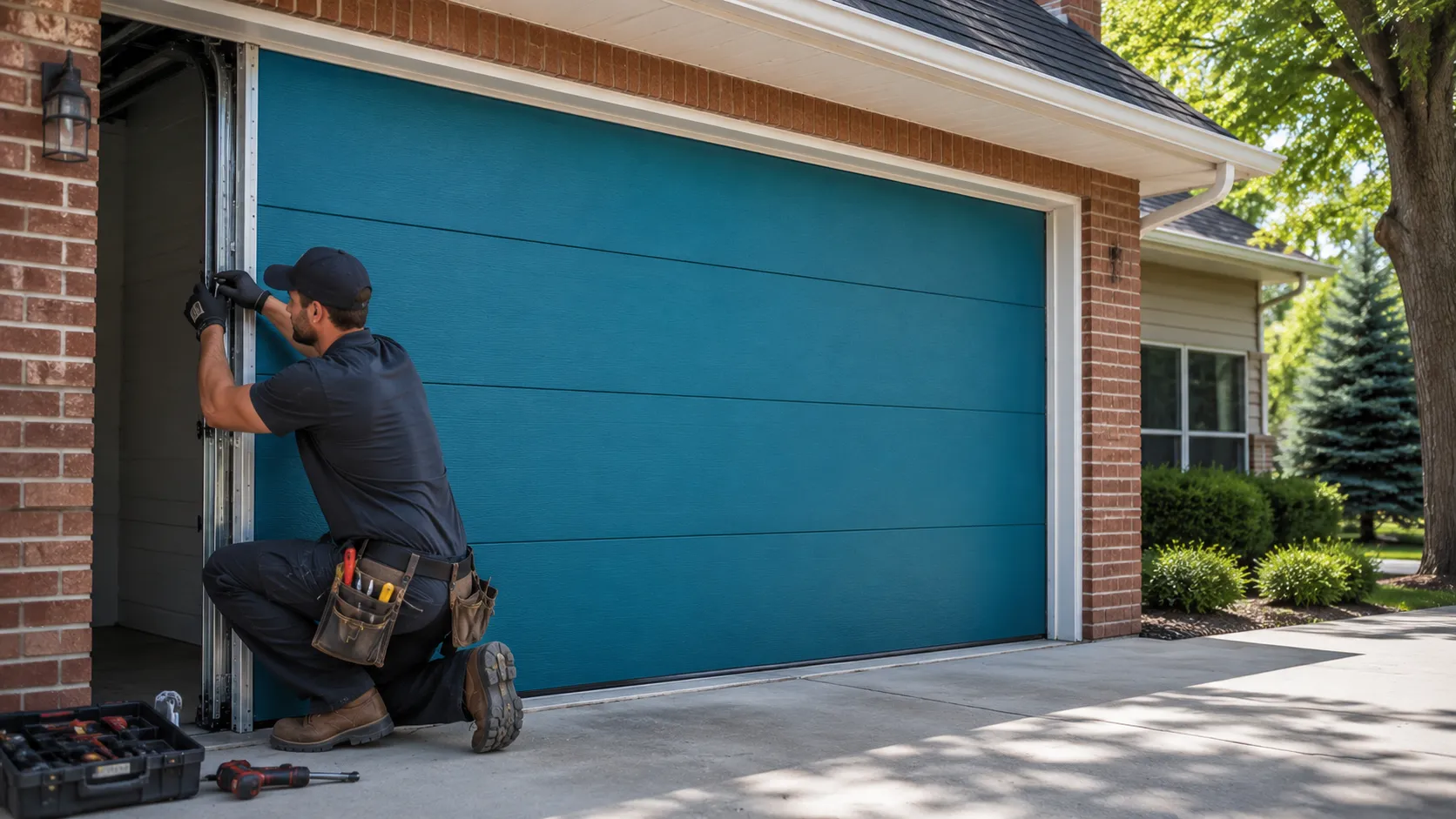
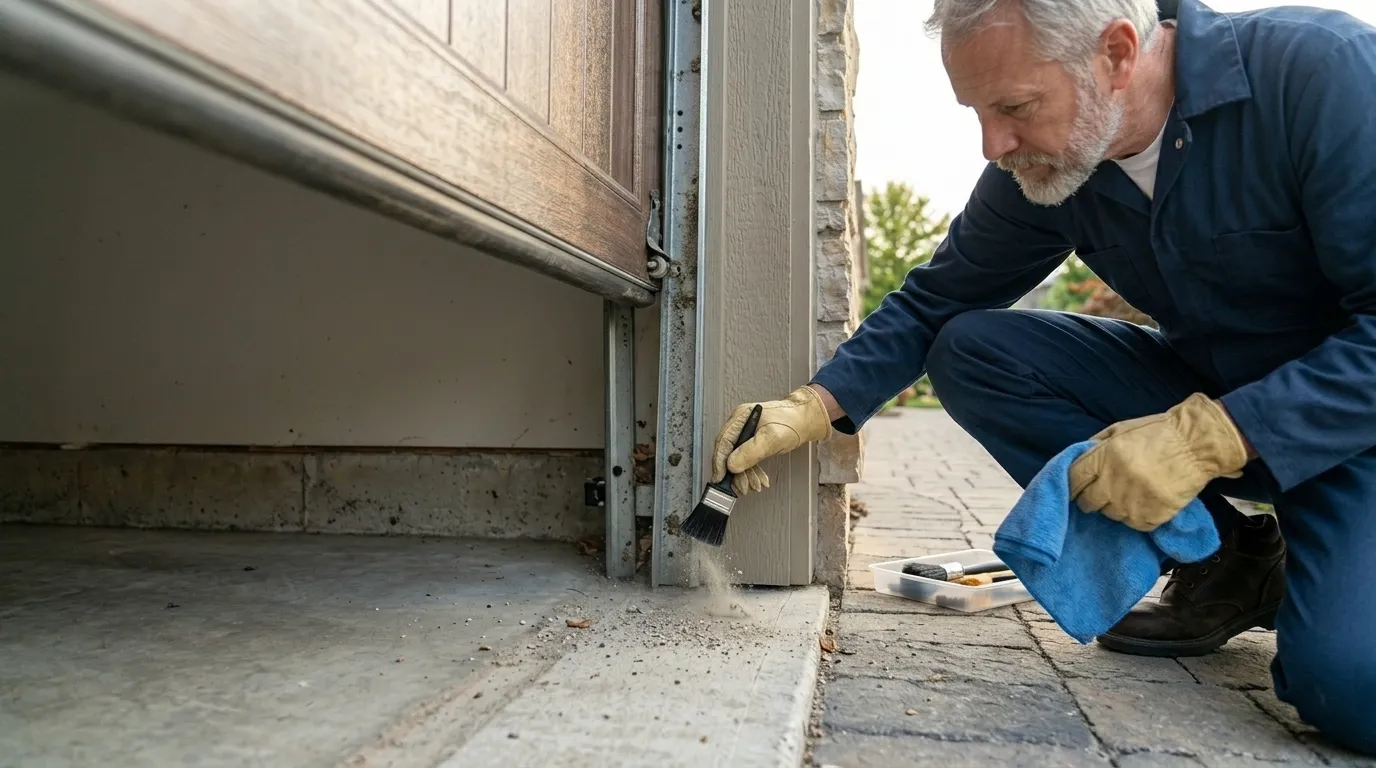
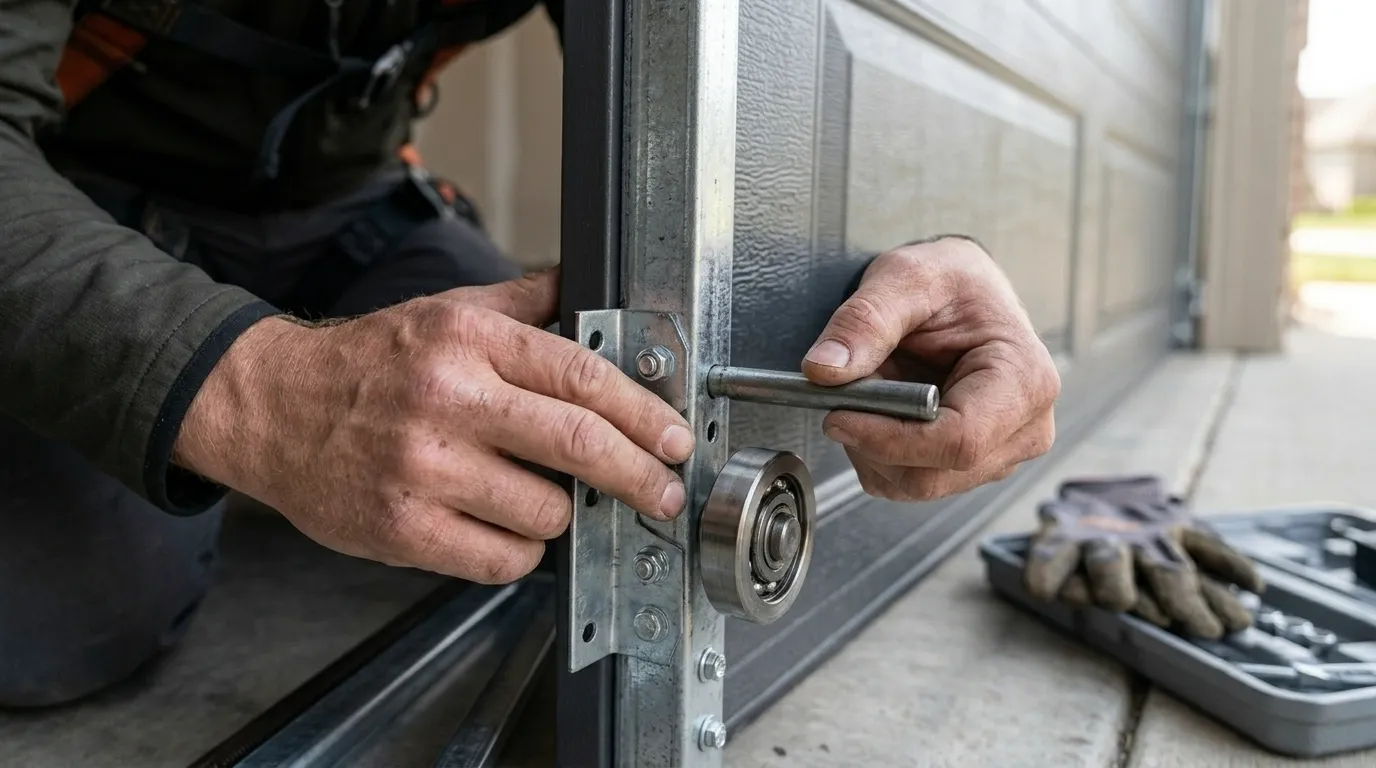
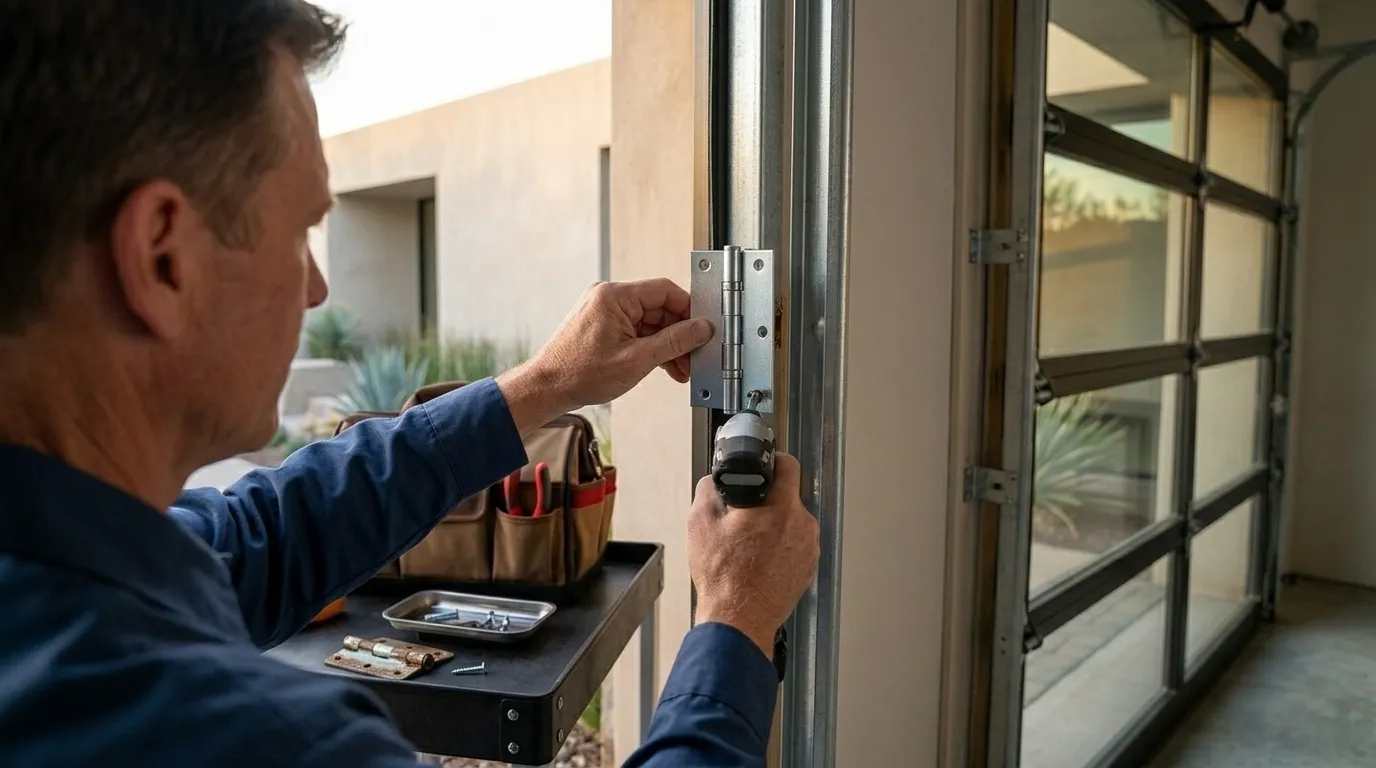
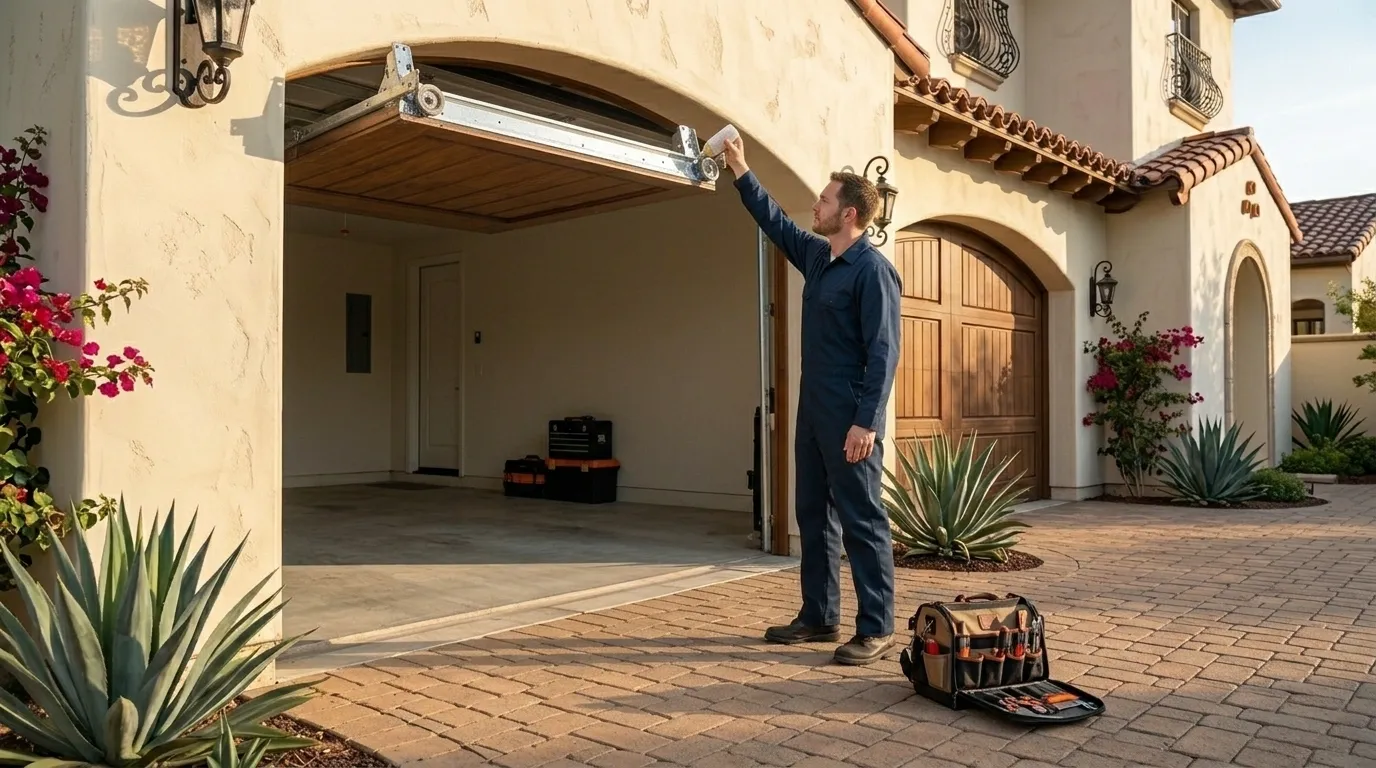
There's real DIY territory here and there's territory that isn't worth the risk. Lubricating rollers and hinges, tightening loose bolts on the track, and clearing the photo-eye sensors of dust are all fine to do yourself and worth doing every few months in a cold-climate town like this, since grit and ice buildup on the sensors is a common nuisance call.
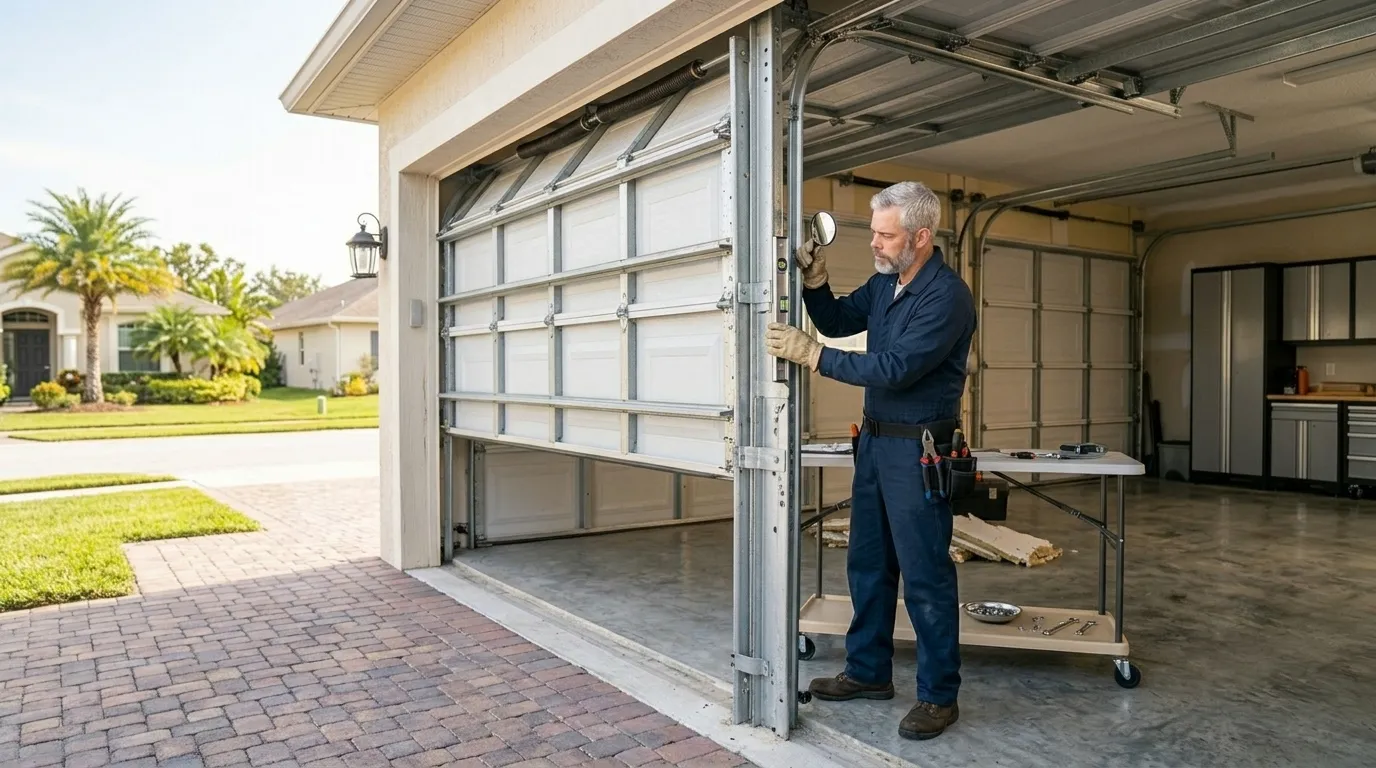
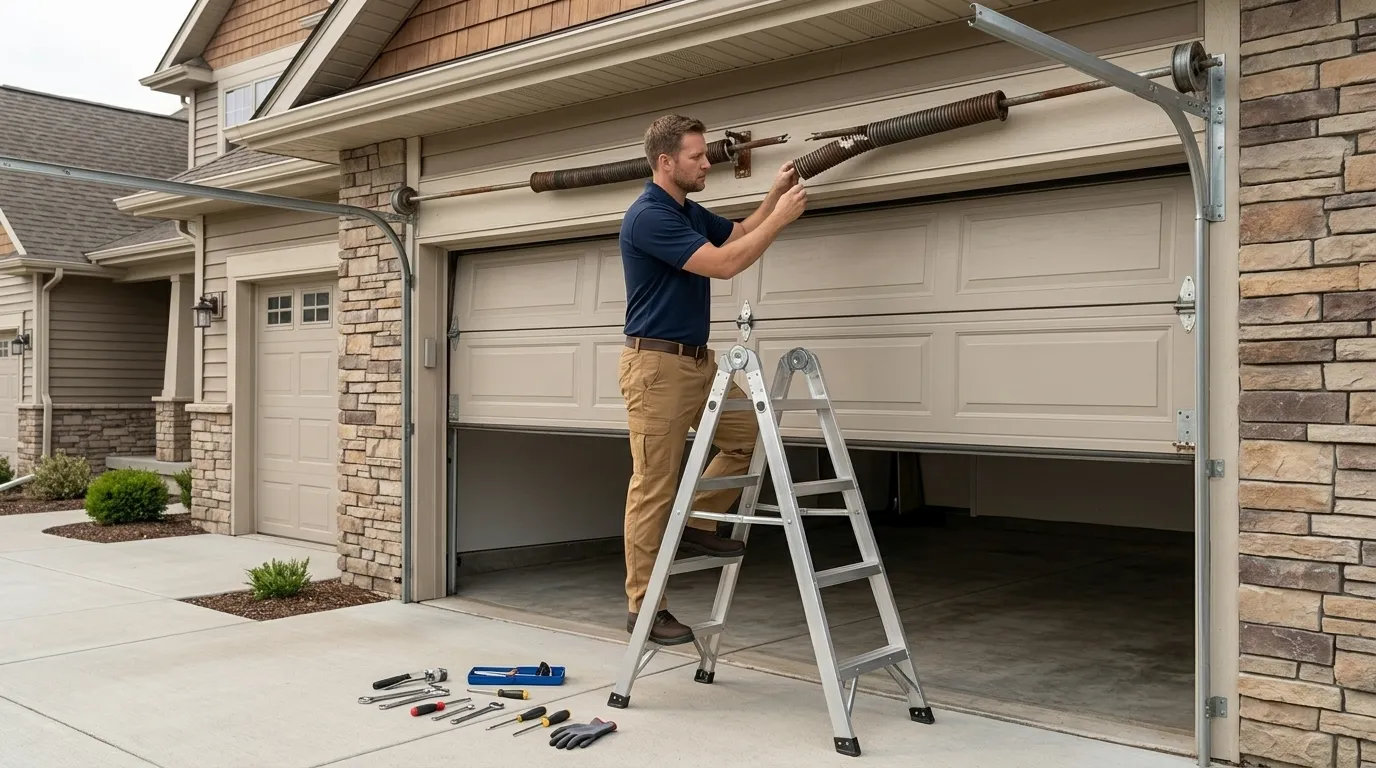
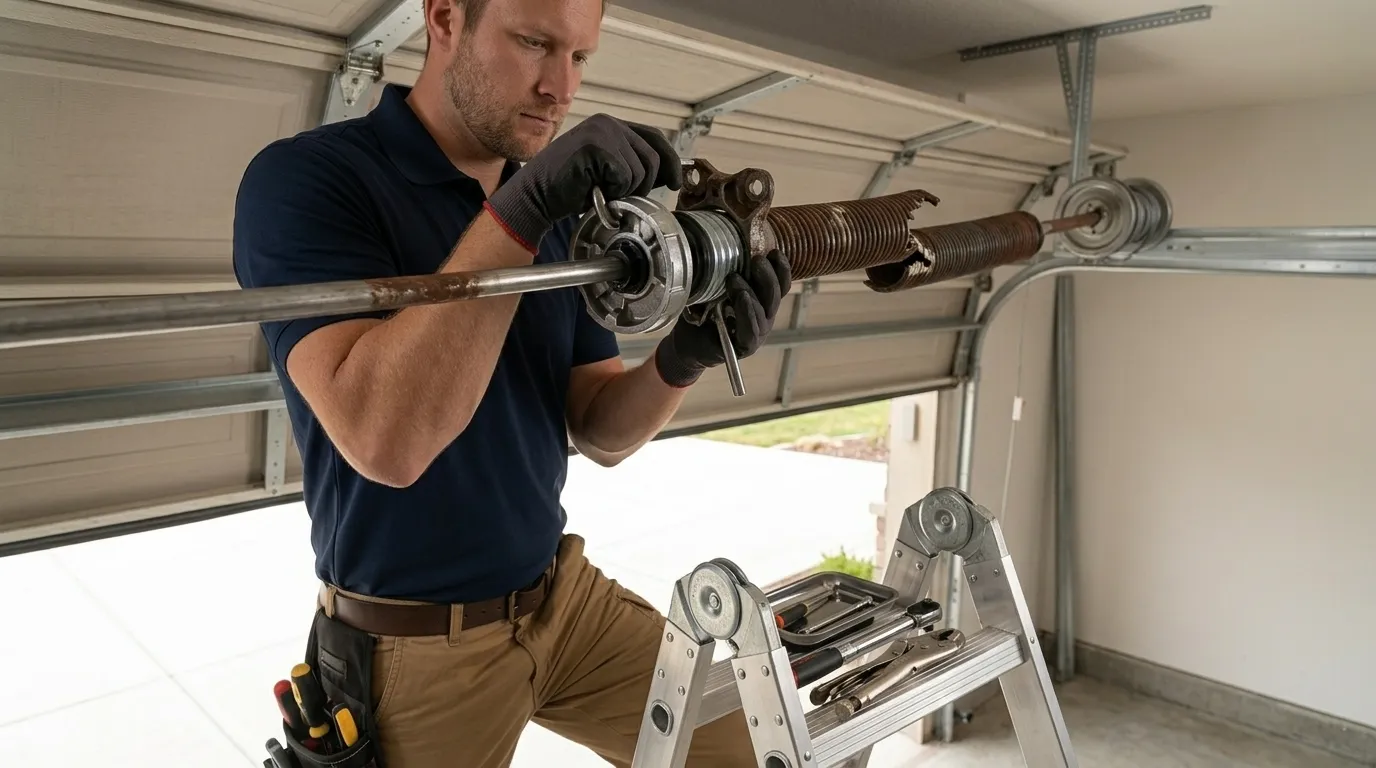
What we don't recommend touching yourself: torsion springs. A wound spring under tension is the single most dangerous part of a residential garage door, and that doesn't change because the house is in Colorado Springs versus anywhere else. The honest limitation here is that we won't walk a homeowner through a spring swap over the phone - it's not a liability dodge, it's that the failure mode is a broken wrist or worse, and we've seen it.
If your door is from that original 1980s-90s wave and the opener has started making a new noise or hesitating before it lifts, that's a sign to call rather than keep testing it. An opener under strain in cold weather doesn't usually get better on its own.