The Usual Jobs
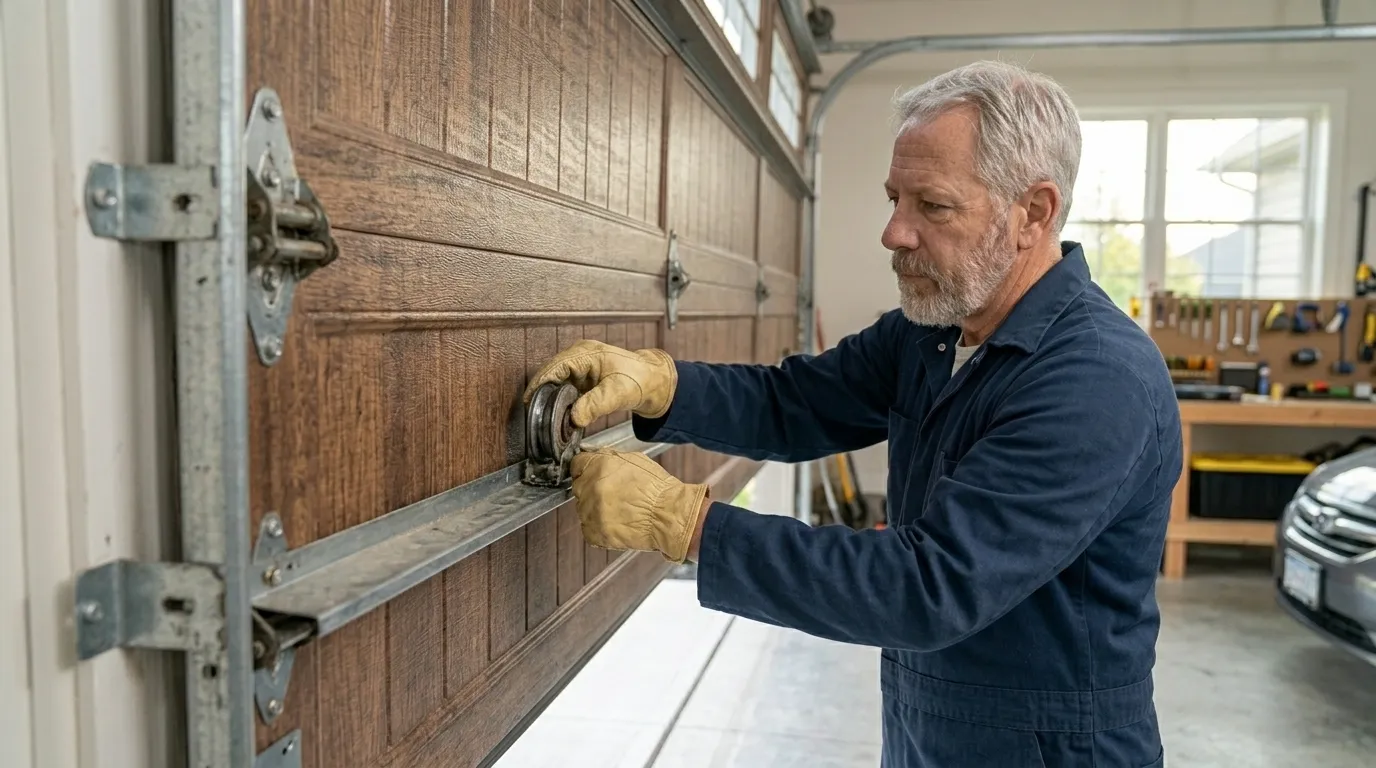
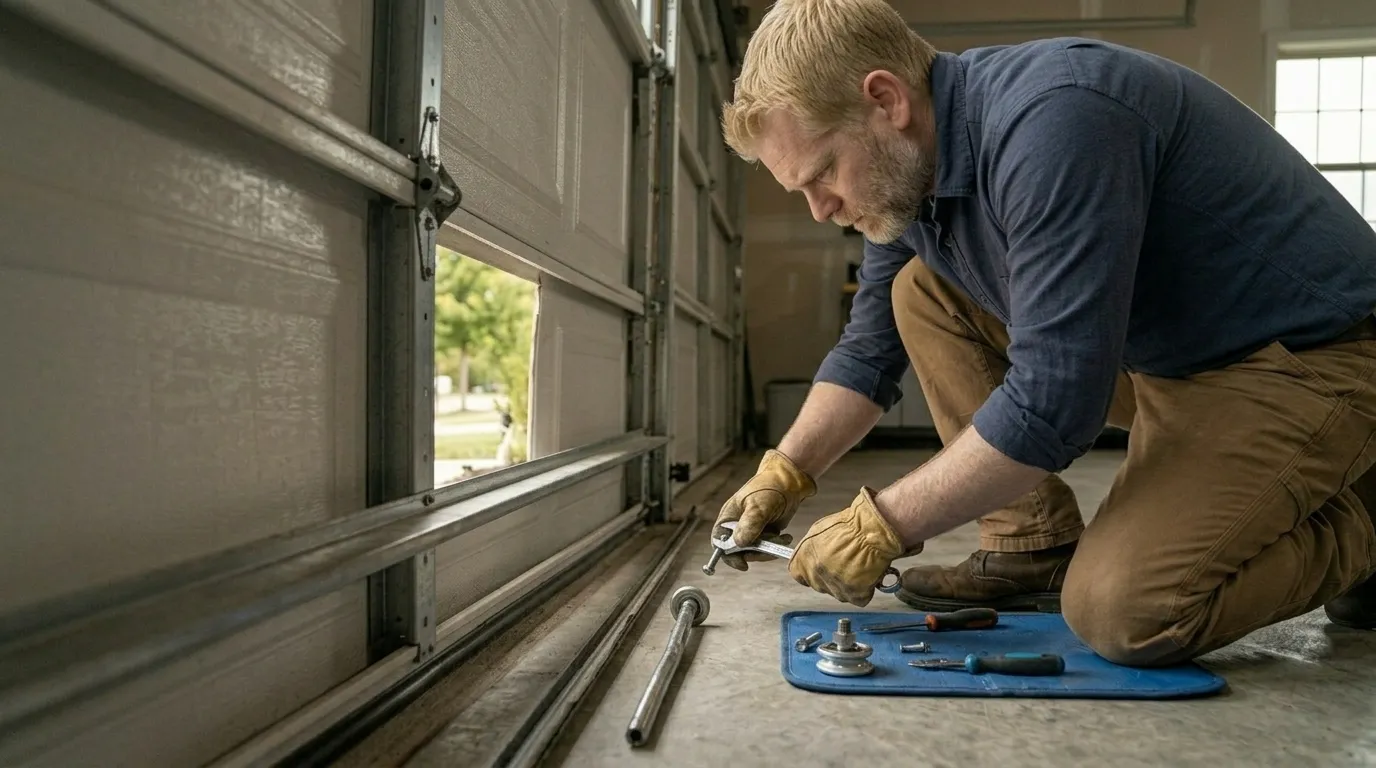
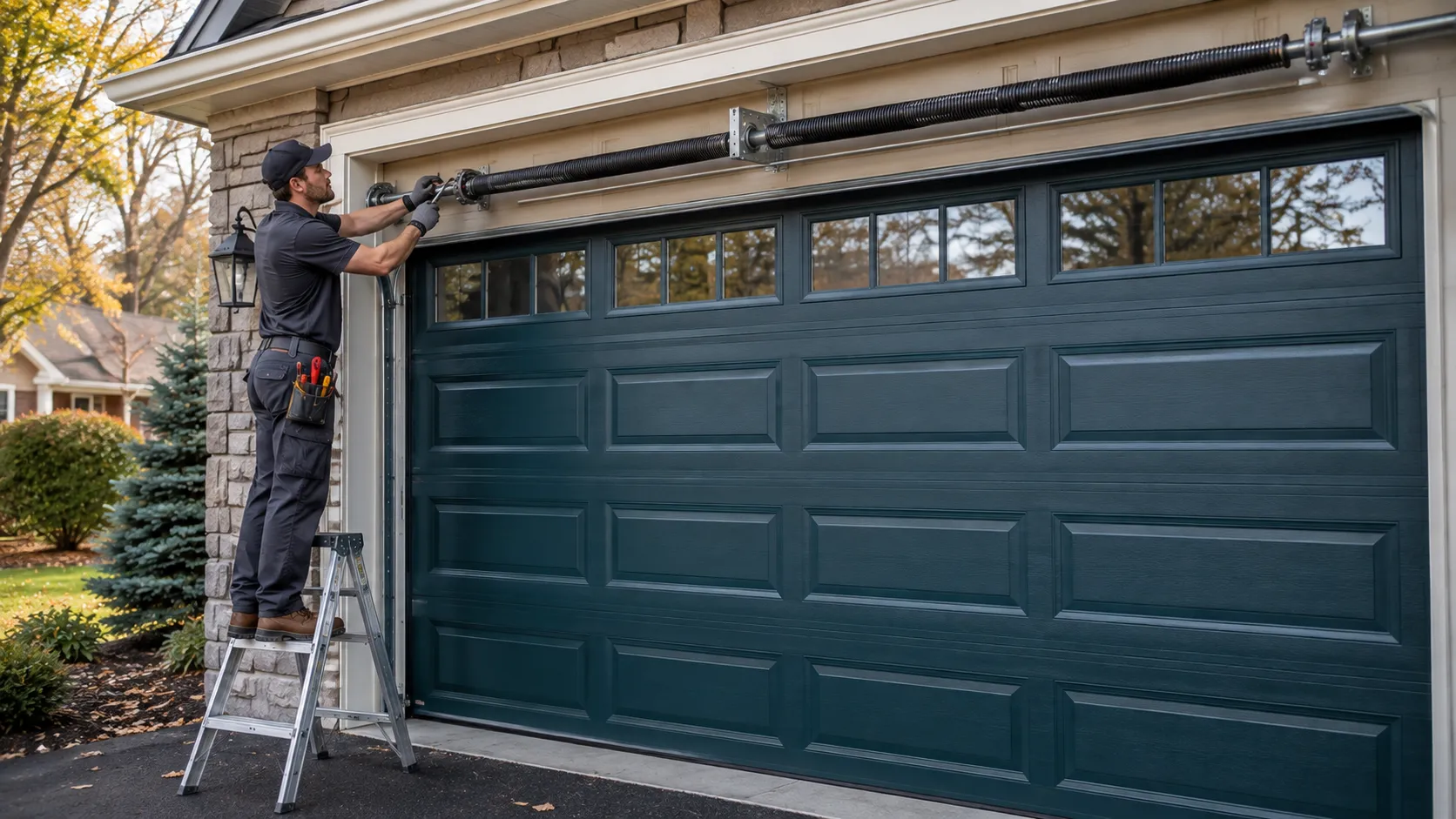
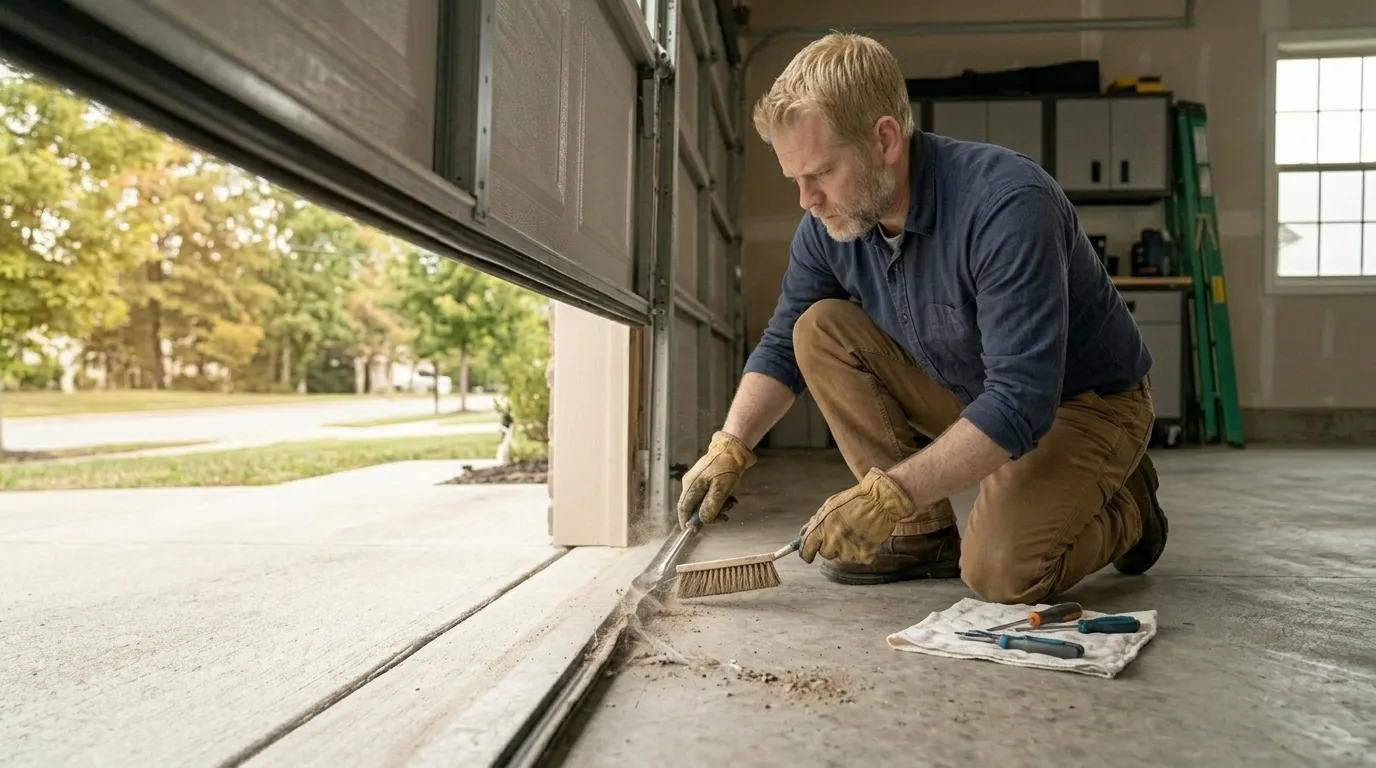
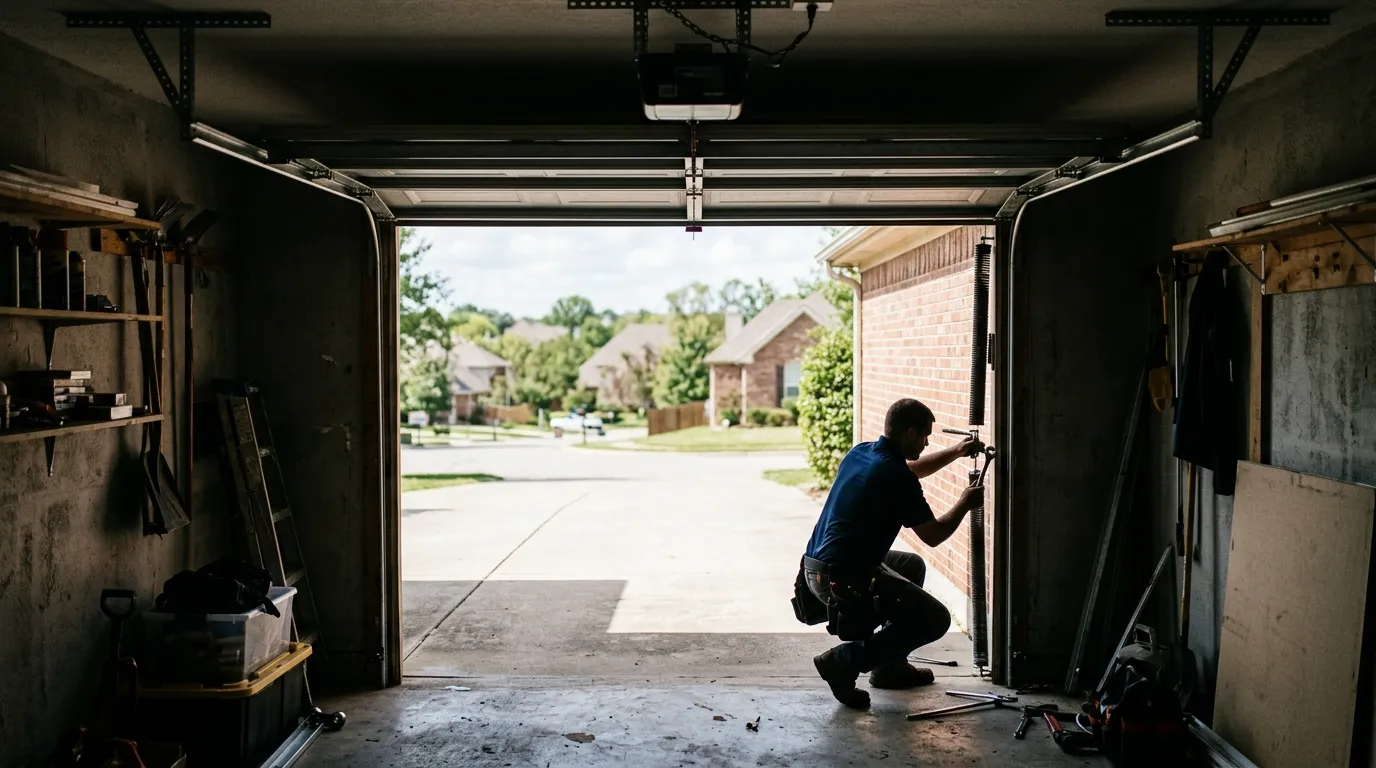
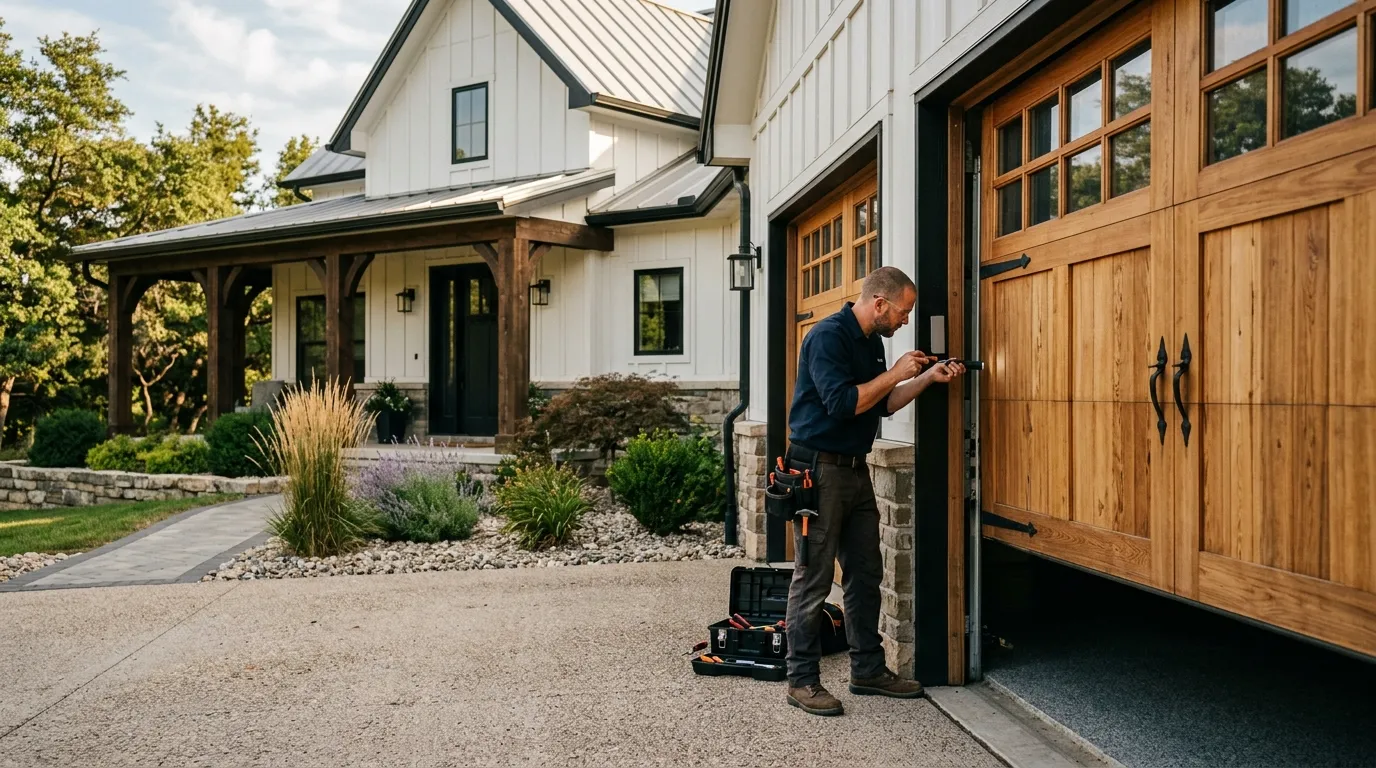
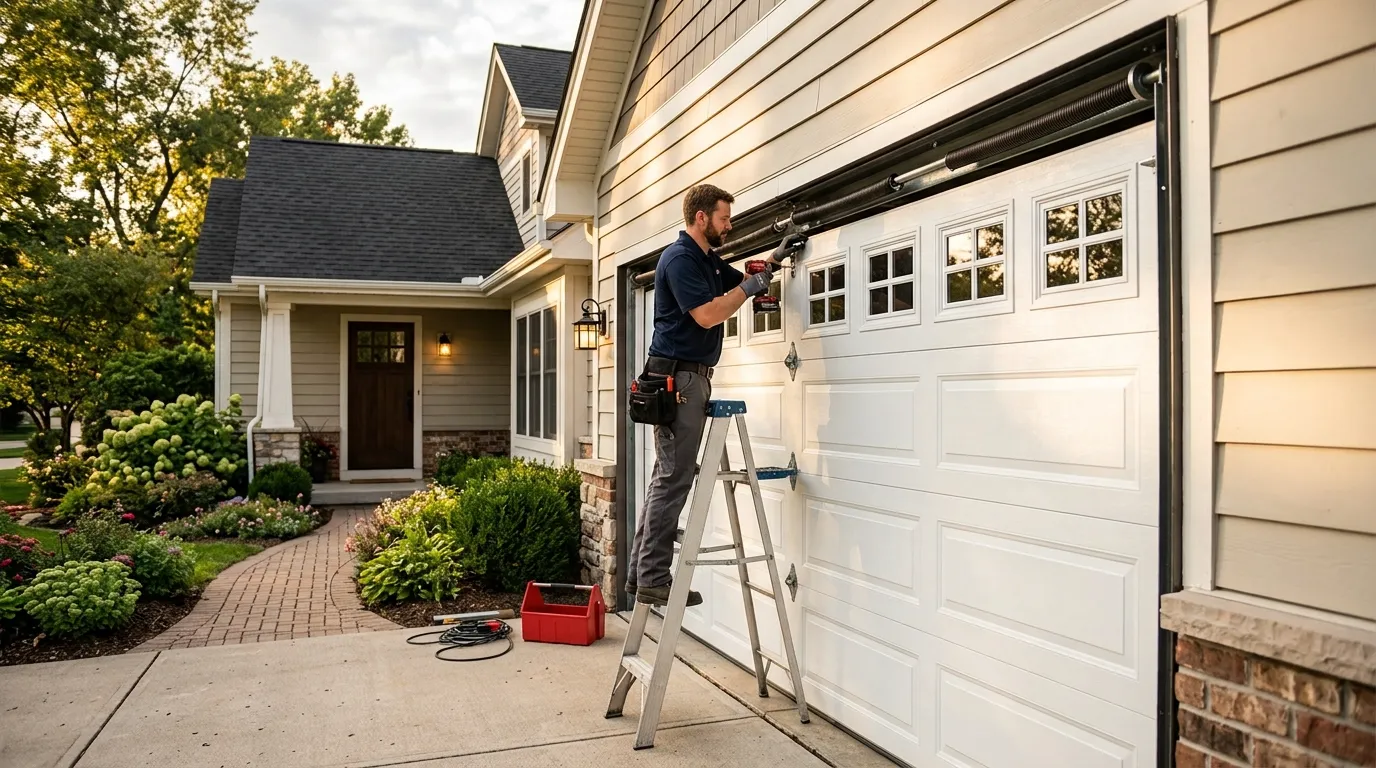
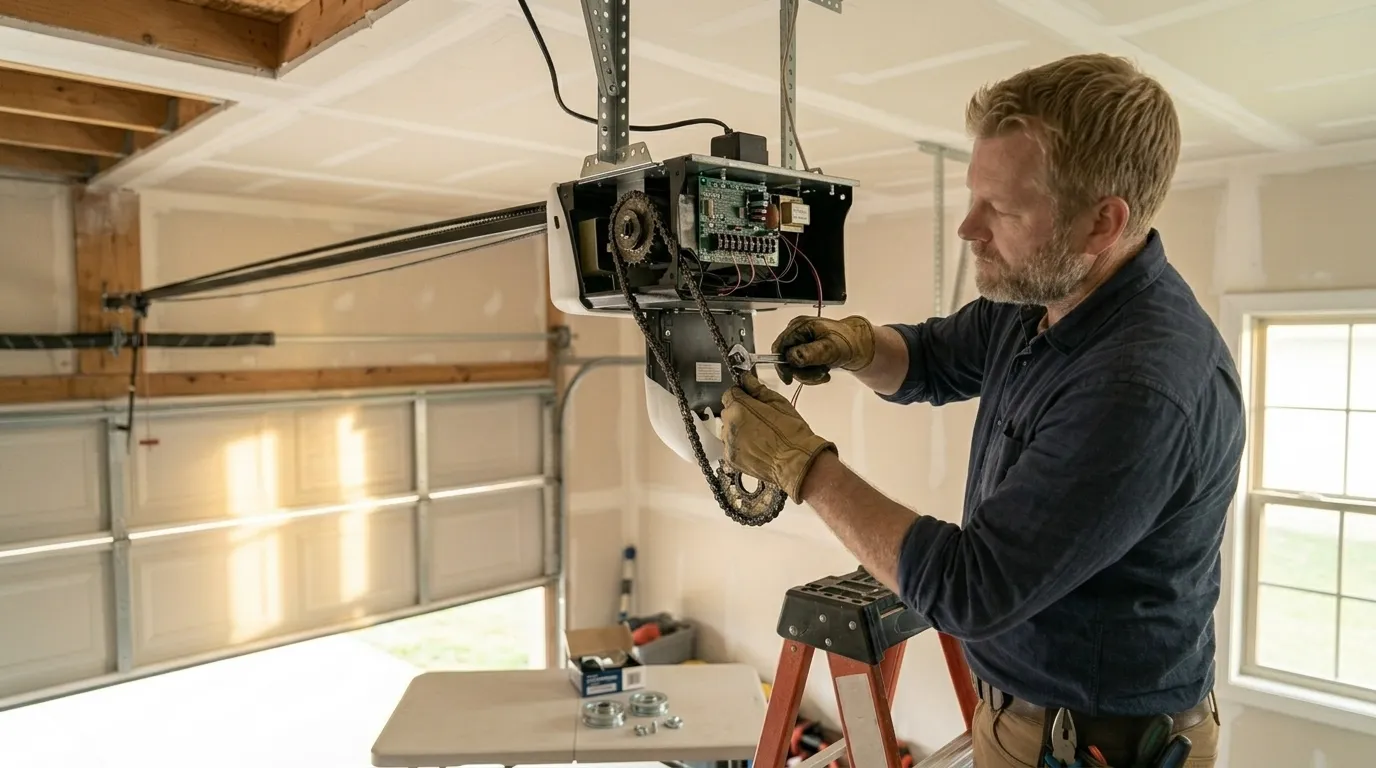
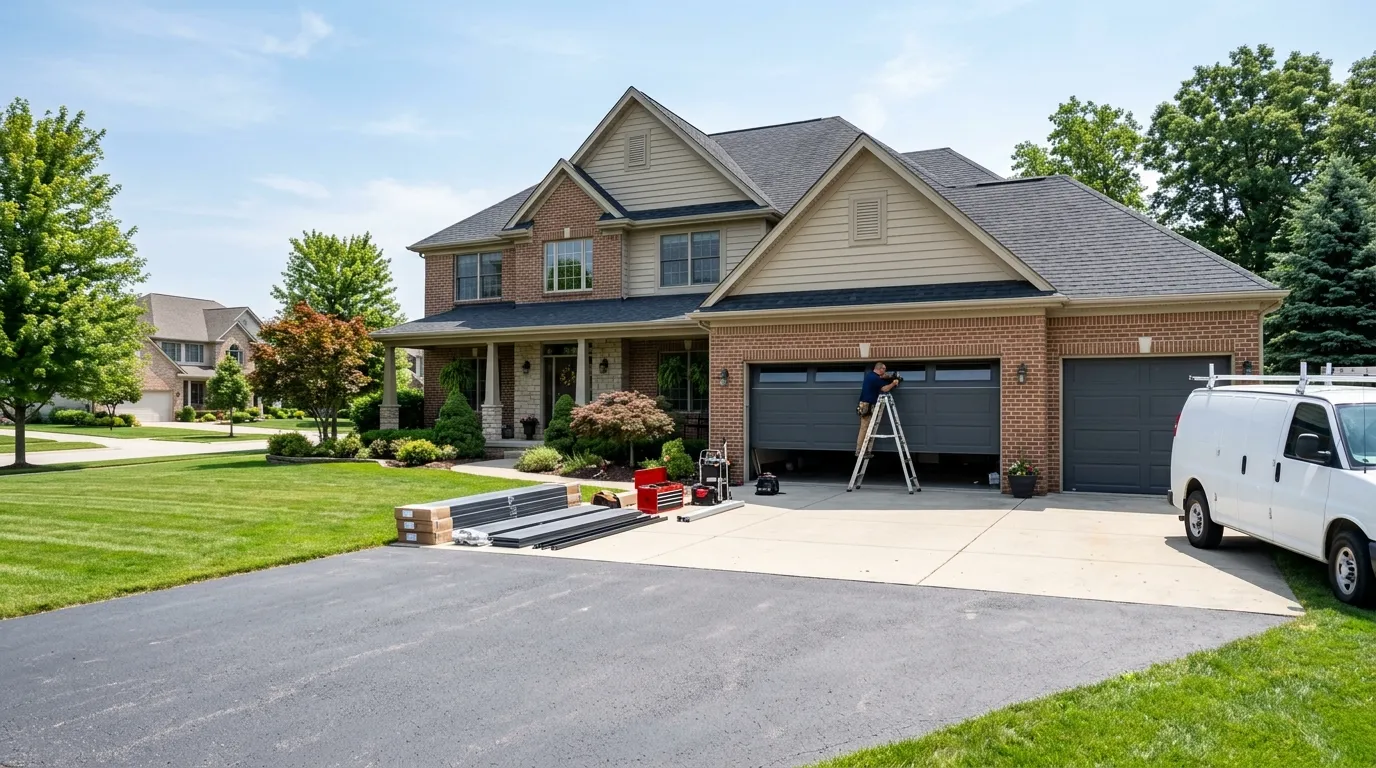
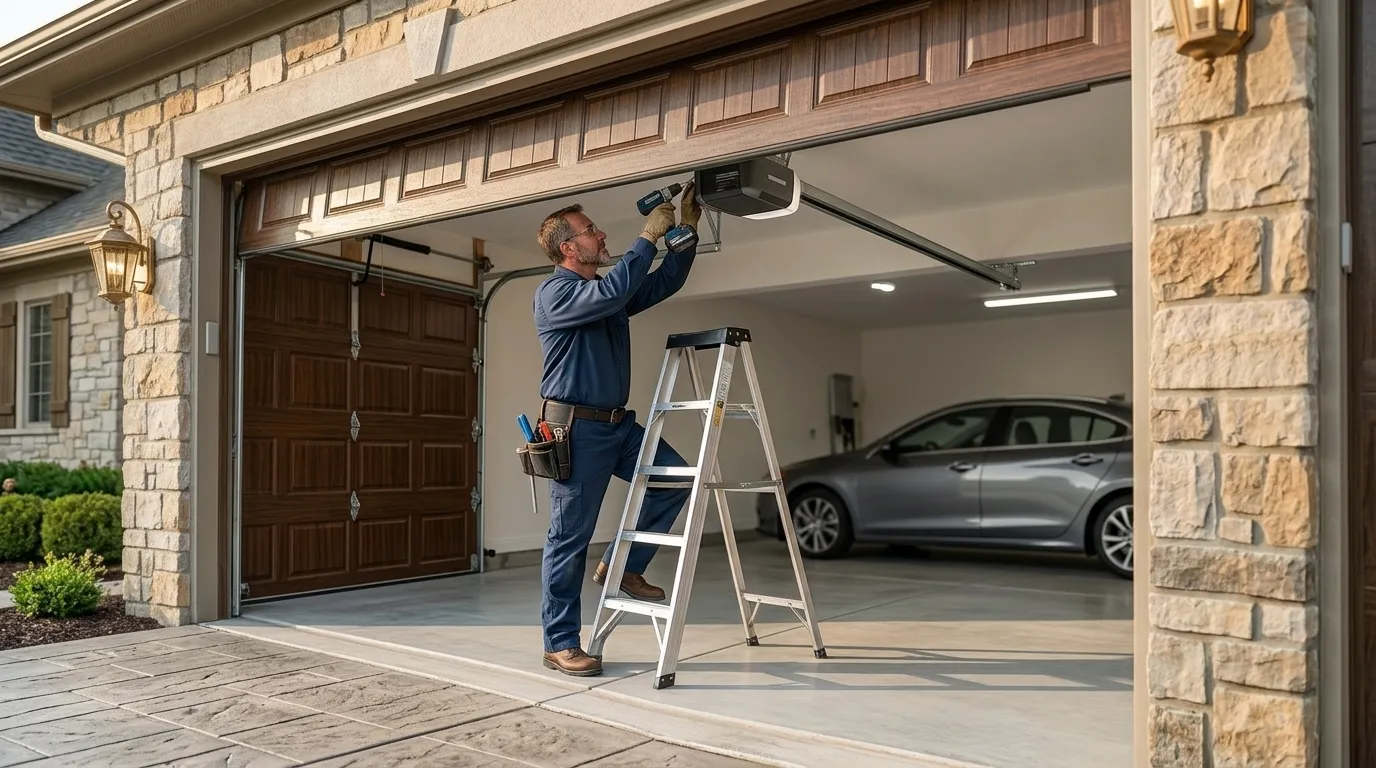
On doors from the 1980s-90s stock, the calls repeat: a torsion spring that's cycled out after a few thousand openings, a bottom bracket rusted from years of snowmelt runoff, or an opener with a worn gear that finally strips in cold weather - cold makes grease stiffen and motors work harder, which speeds up that failure.
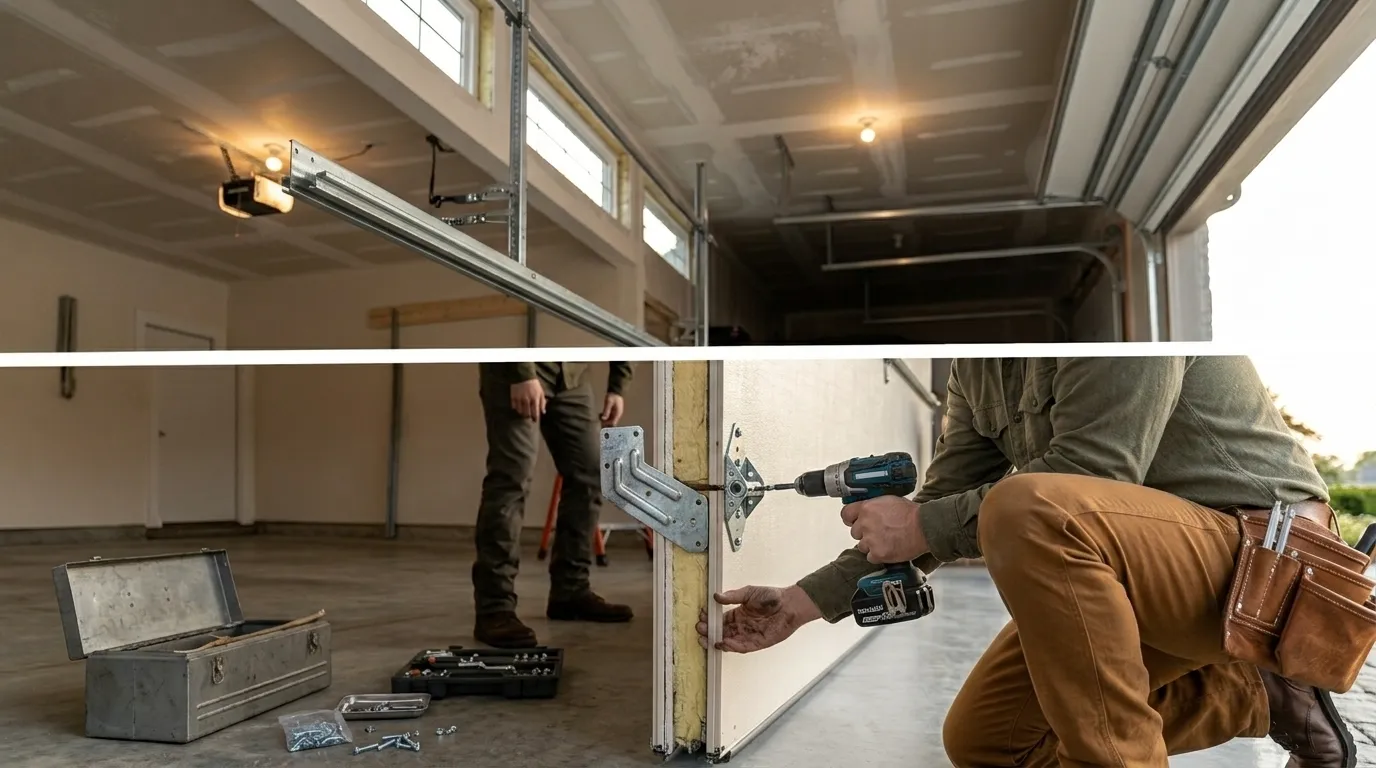
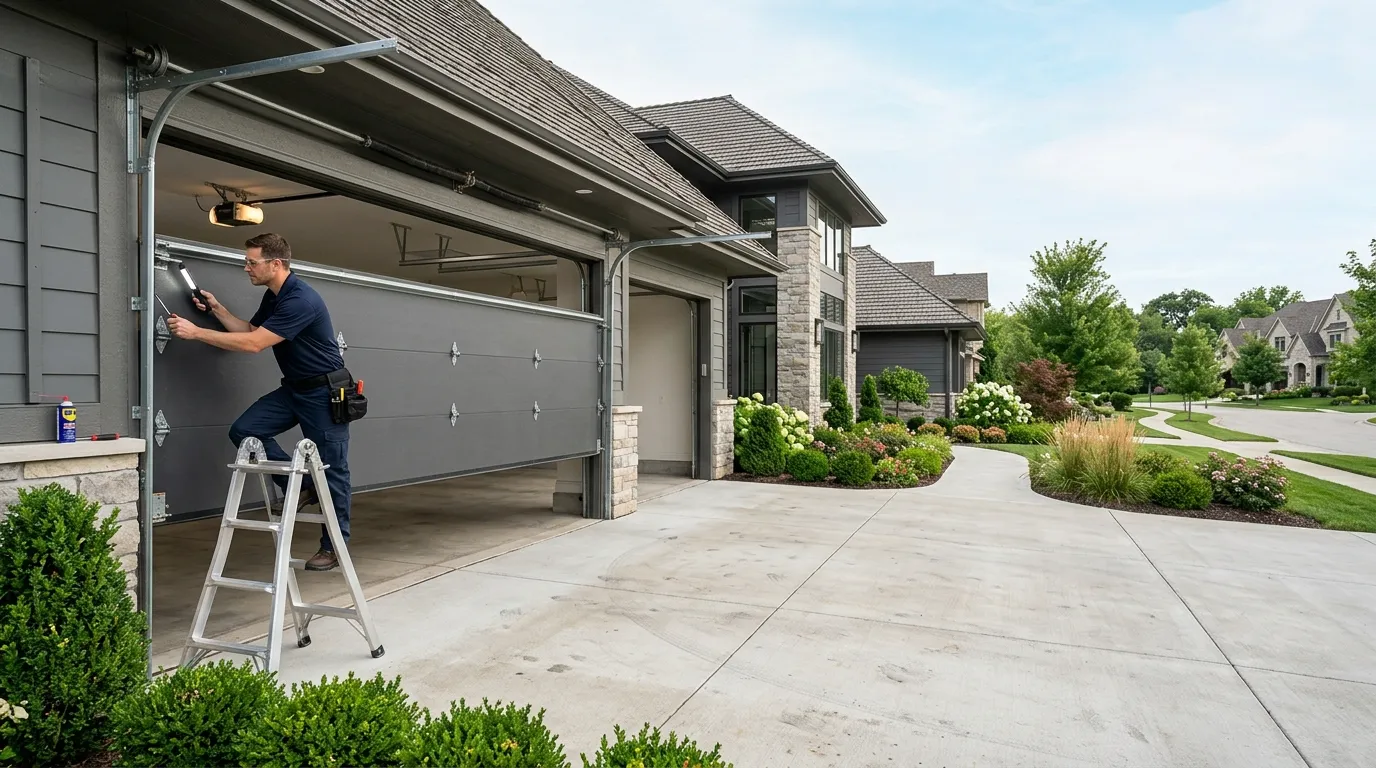
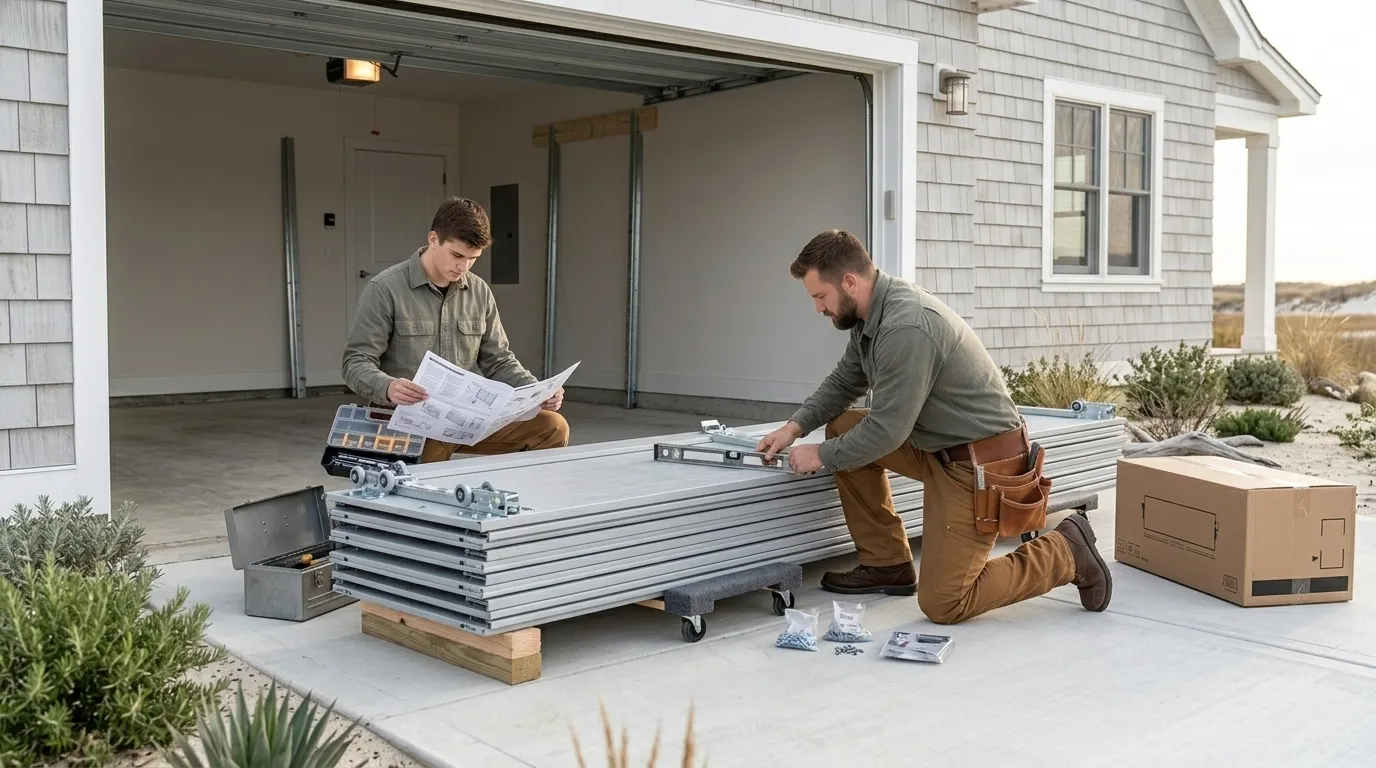
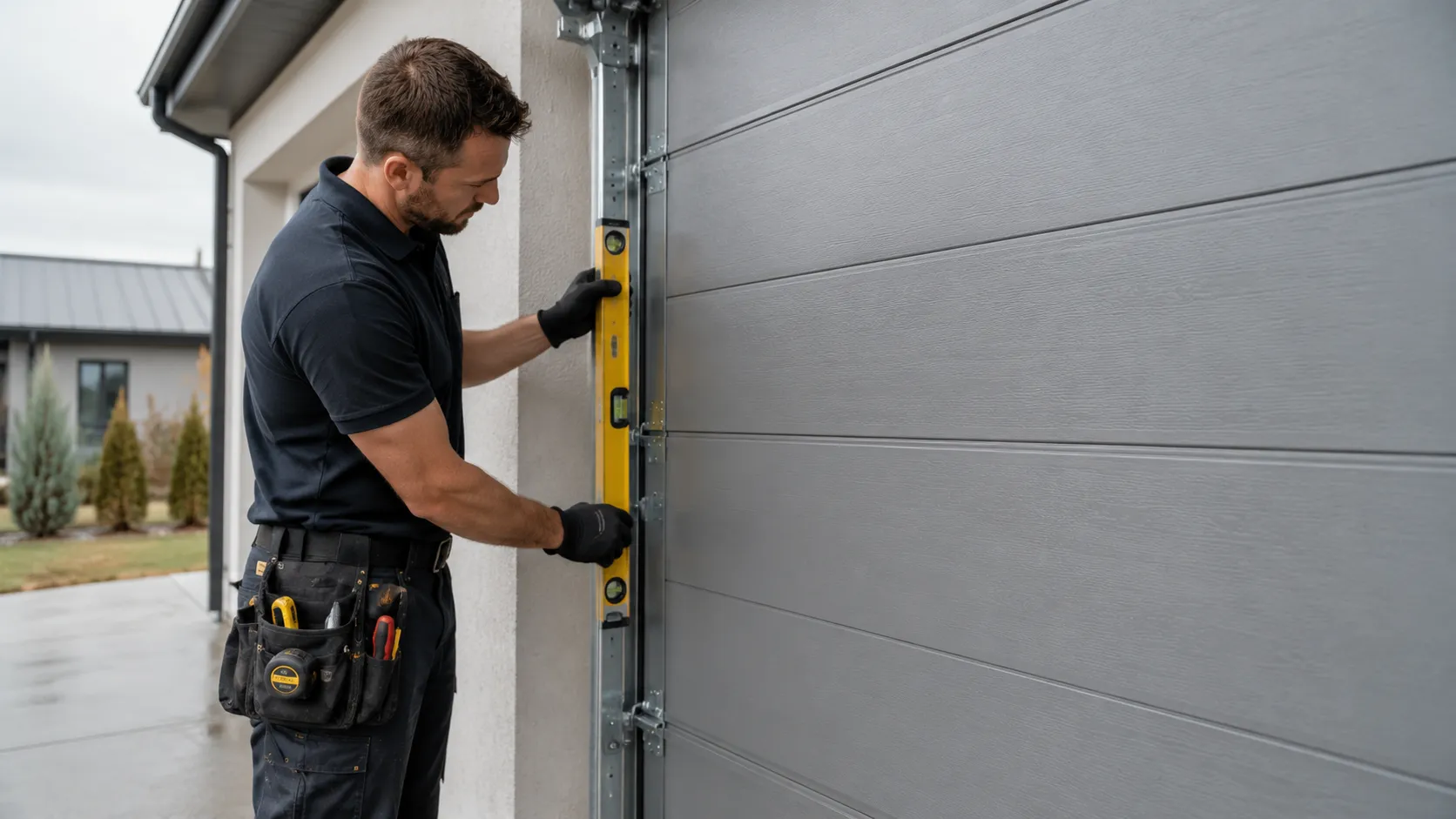
We also see a fair number of panel replacements where a single section has taken damage but the rest of the door is sound. On a 30-year-old steel door, matching the exact panel profile isn't always possible, and that's worth saying plainly: sometimes the honest answer is a new door section that's close but not identical, or a full door swap if the model's been discontinued long enough that parts don't exist anymore.
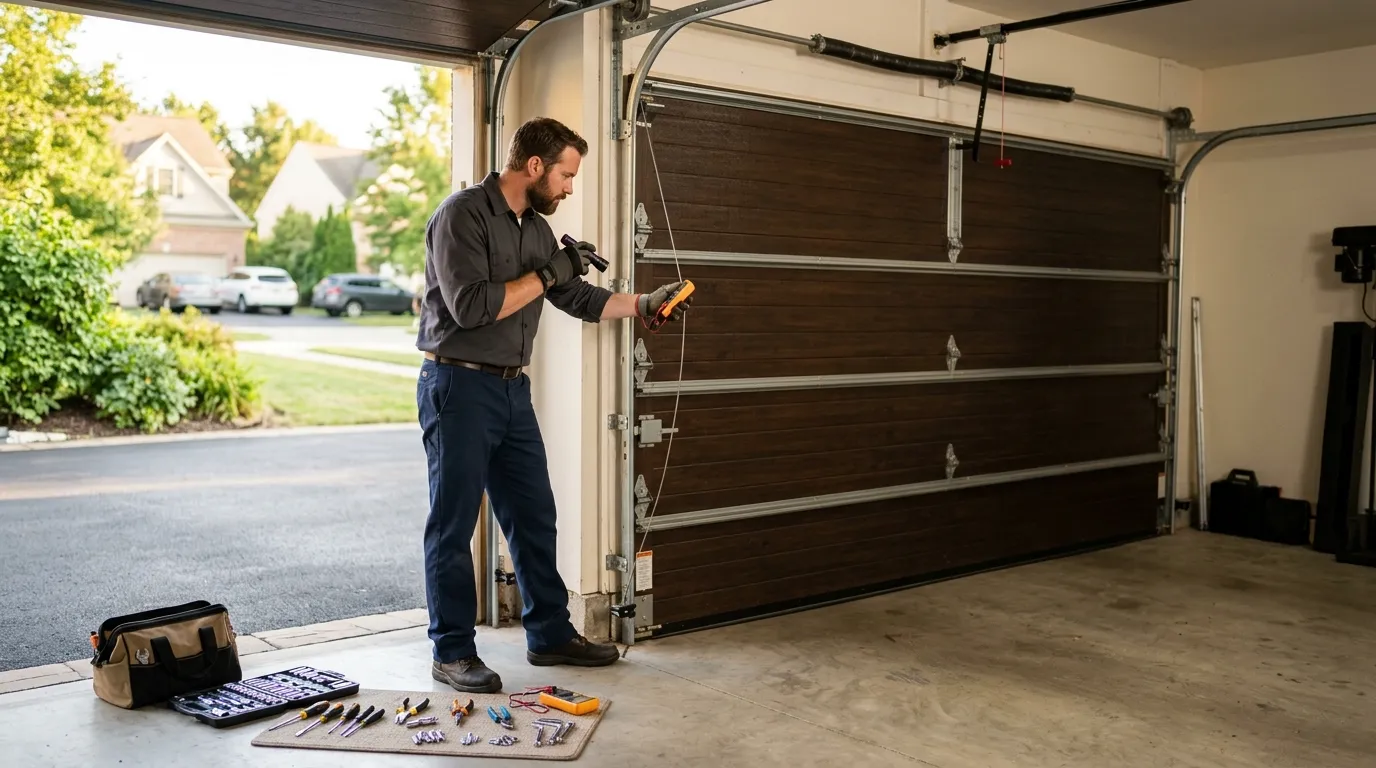
What we don't do is push a full replacement when a spring and a service call would carry the door another decade. If the springs, tracks, and opener are original to a 1980s or 90s build and none of them have failed, a tune-up and adjustment is usually the right call over a full teardown.
Where It Sits
Northwest Colorado Springs is about 9 miles WNW of the city center, putting it on the outer edge of the metro's older suburban ring rather than in the newest construction closer to the interstate corridor. That distance out is part of why the housing here skews toward that 1980s-90s build window instead of the newer stock you'd find in areas developed after 2000.
Across the wider service area there are roughly 38,030 owner-occupied houses out of about 59,548 households, with a median household income near $95,392 - a market where most people own rather than rent, and where a garage door repair tends to get done rather than deferred. That matters for how we price parts and schedule work: this isn't a rental-heavy area where a landlord is stalling on a fix.