The Usual Jobs
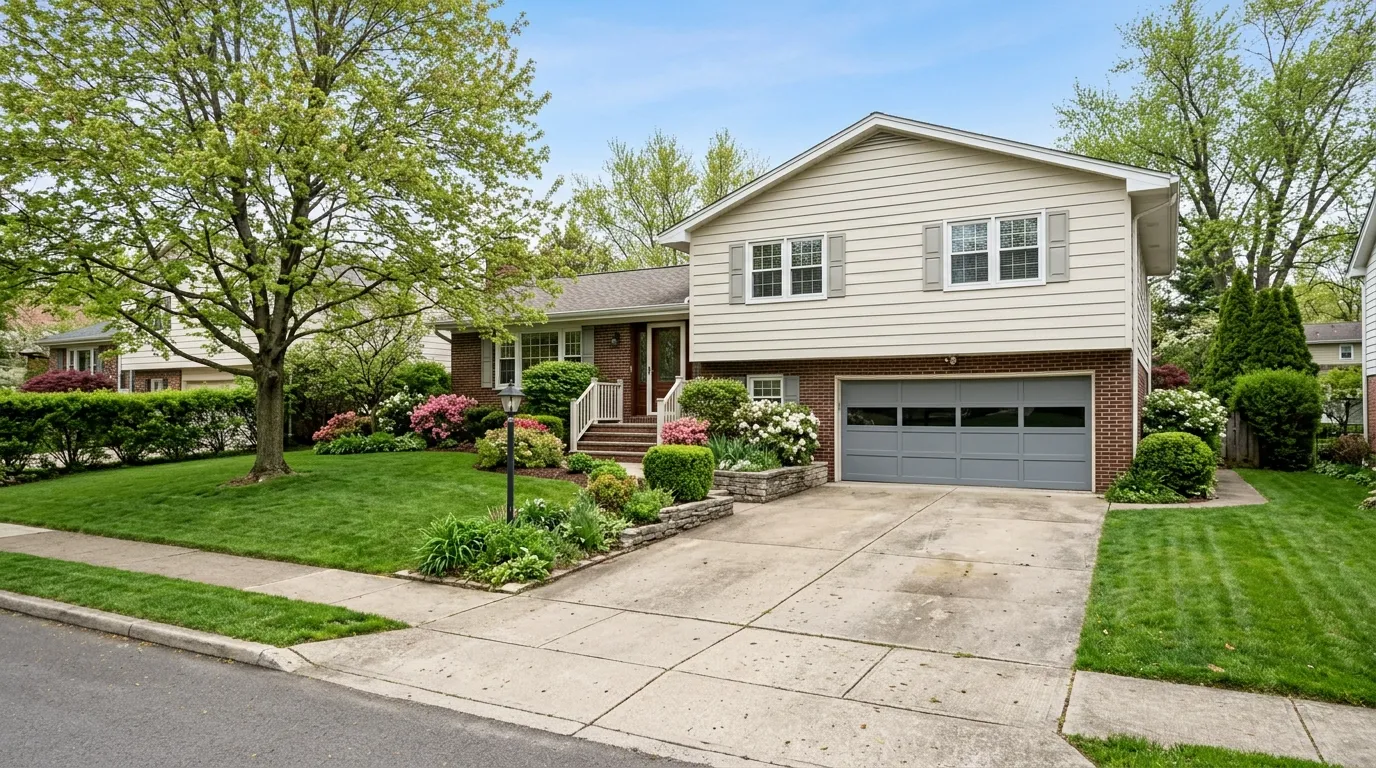
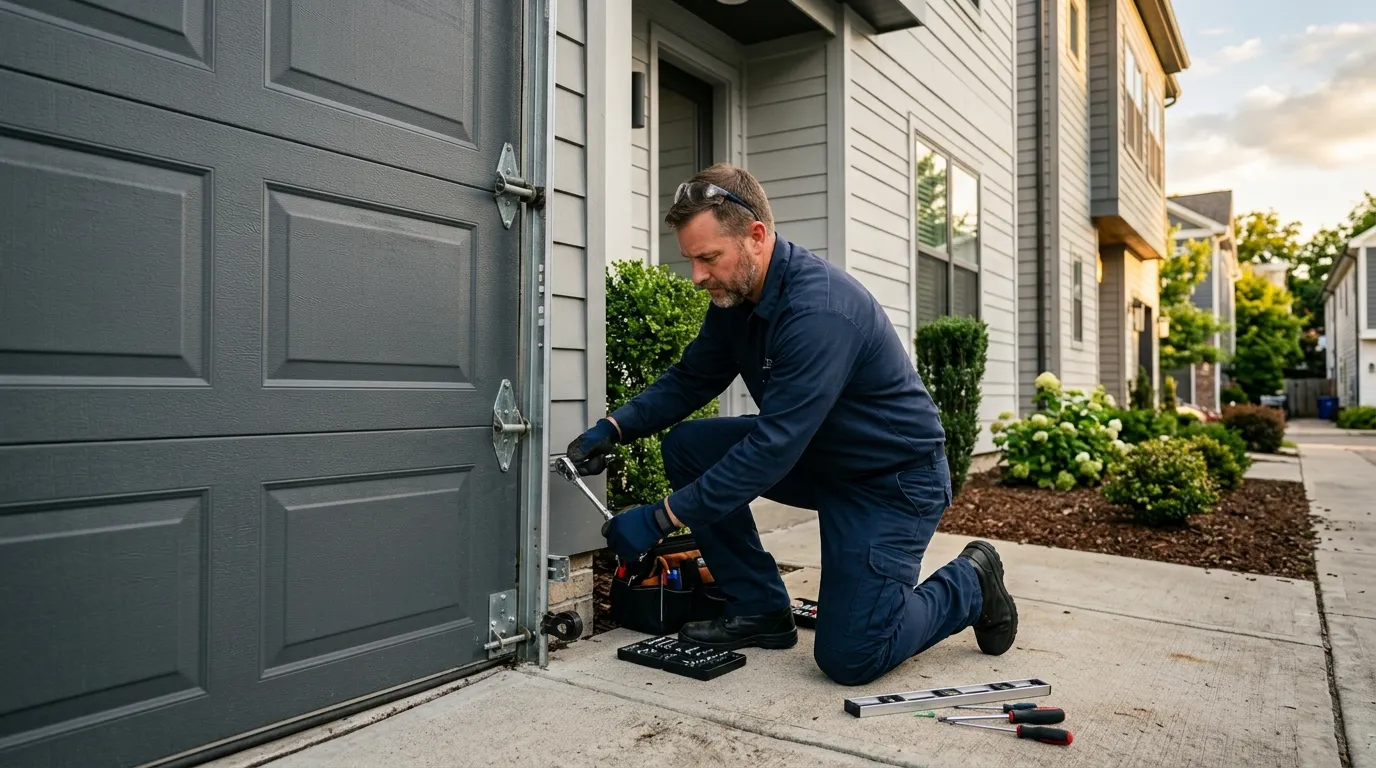
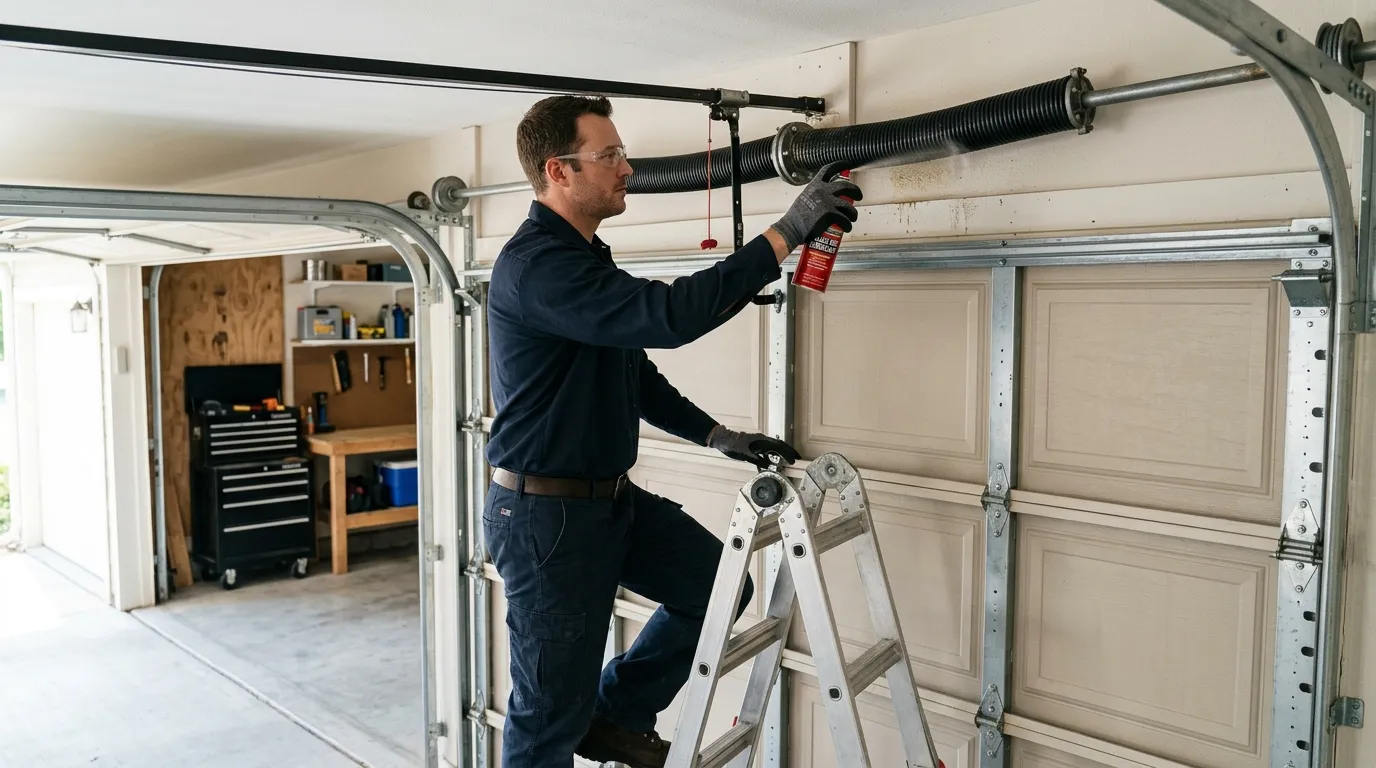
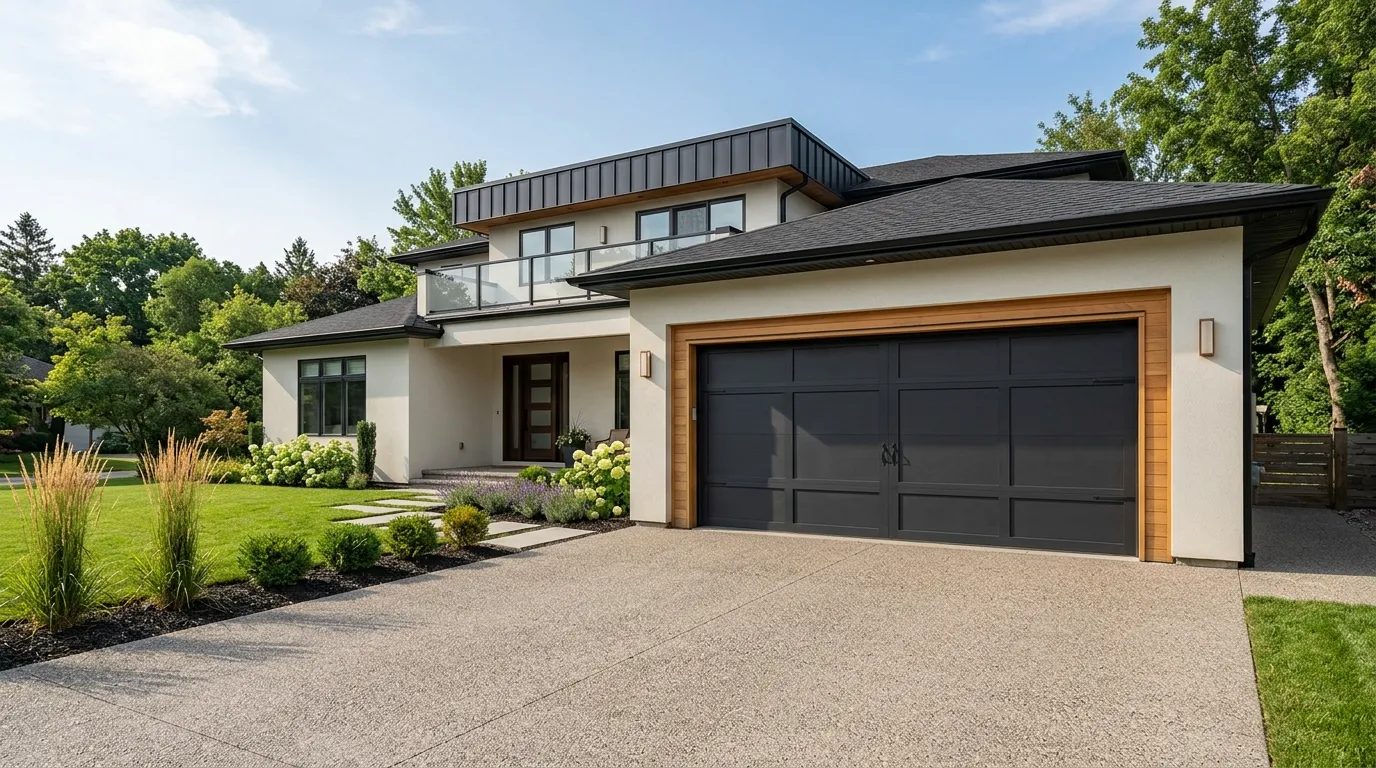
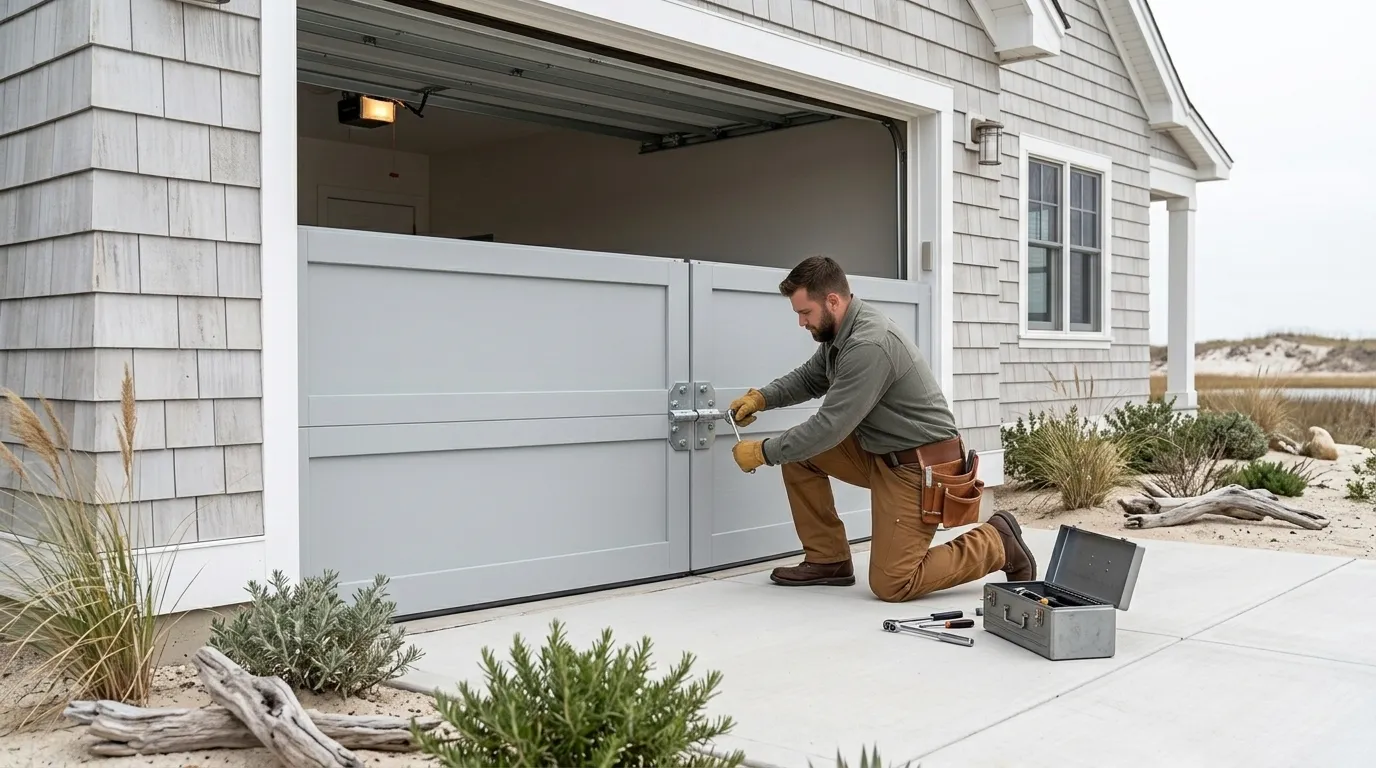
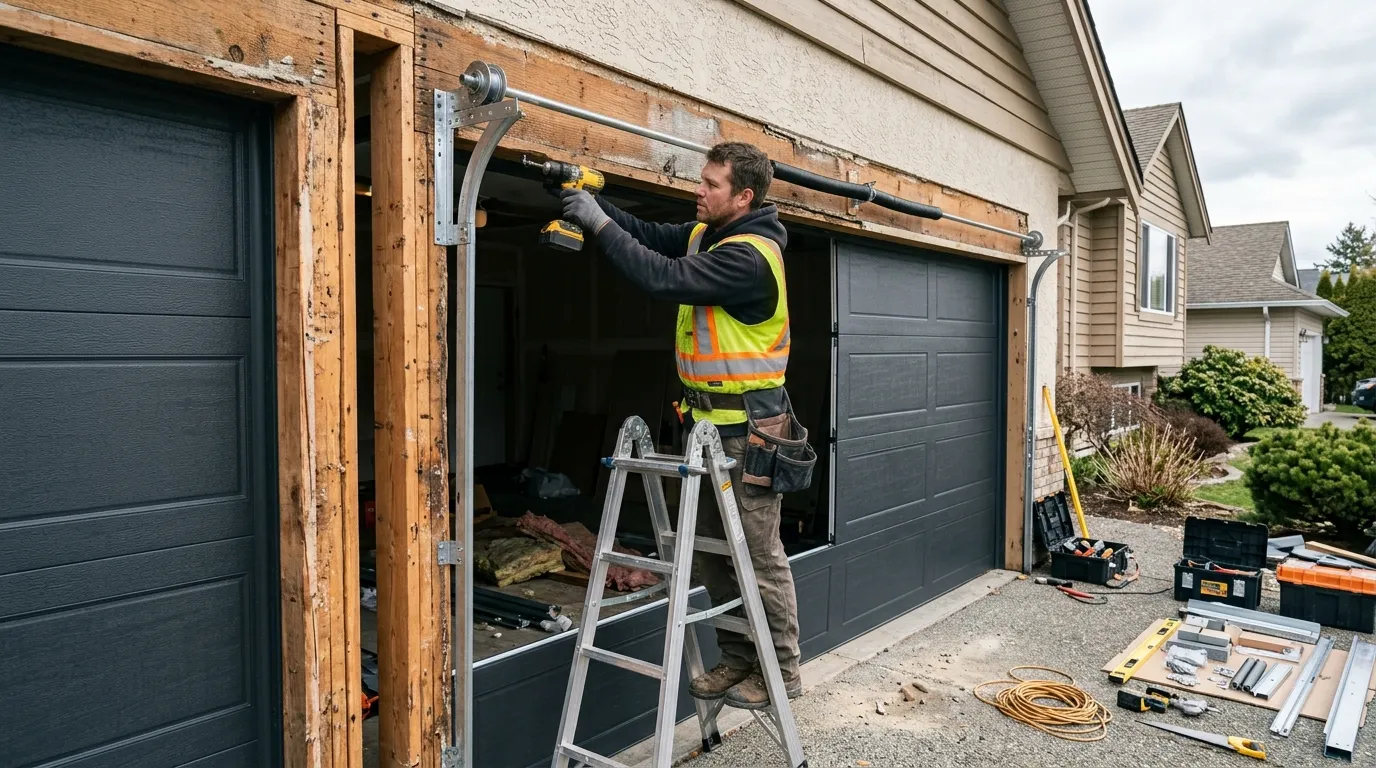
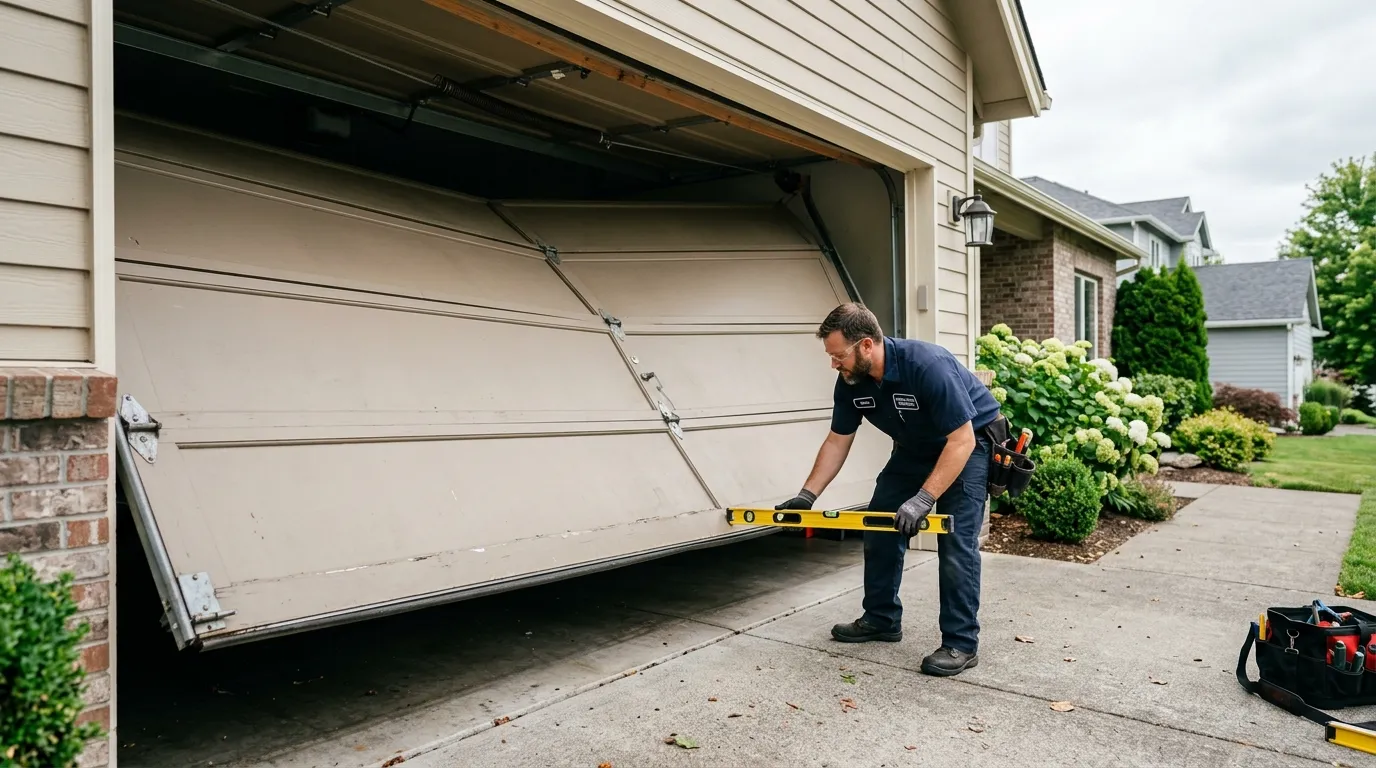
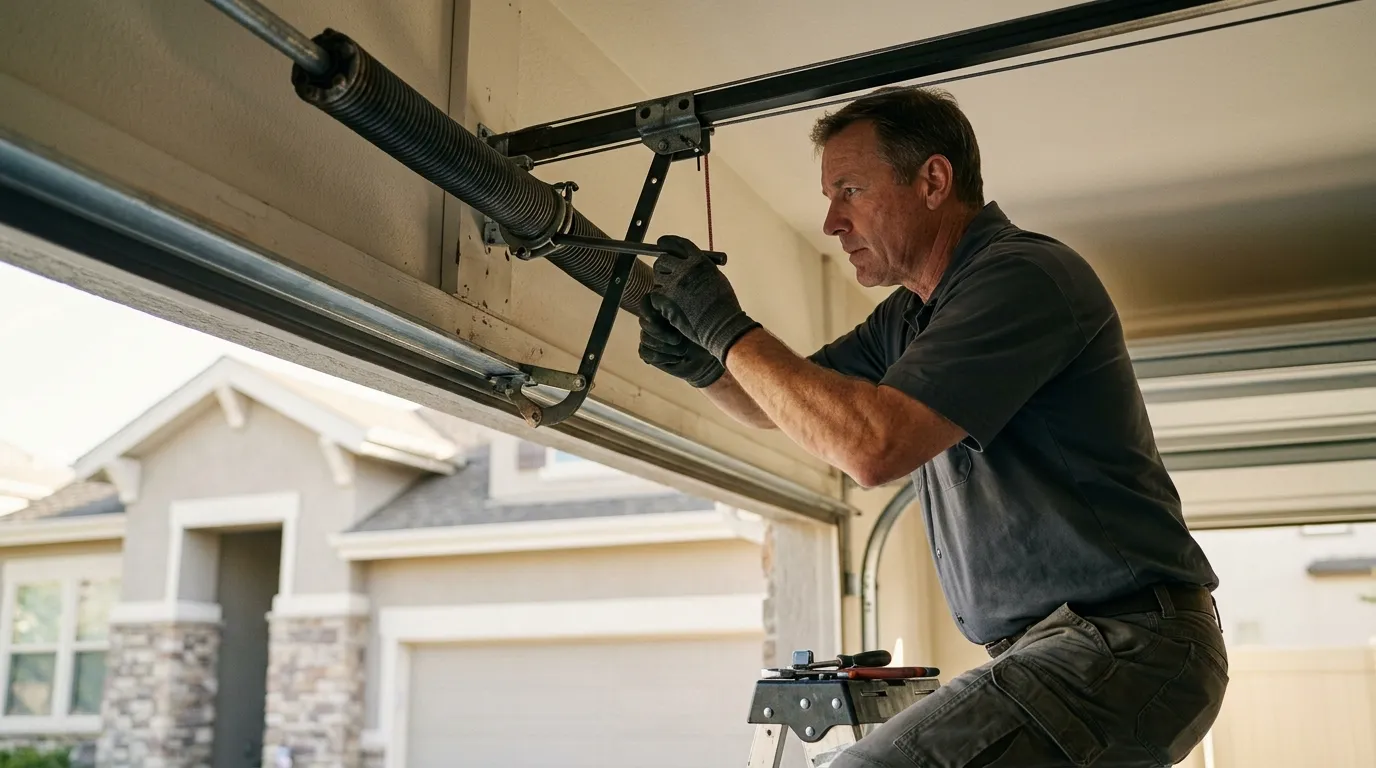
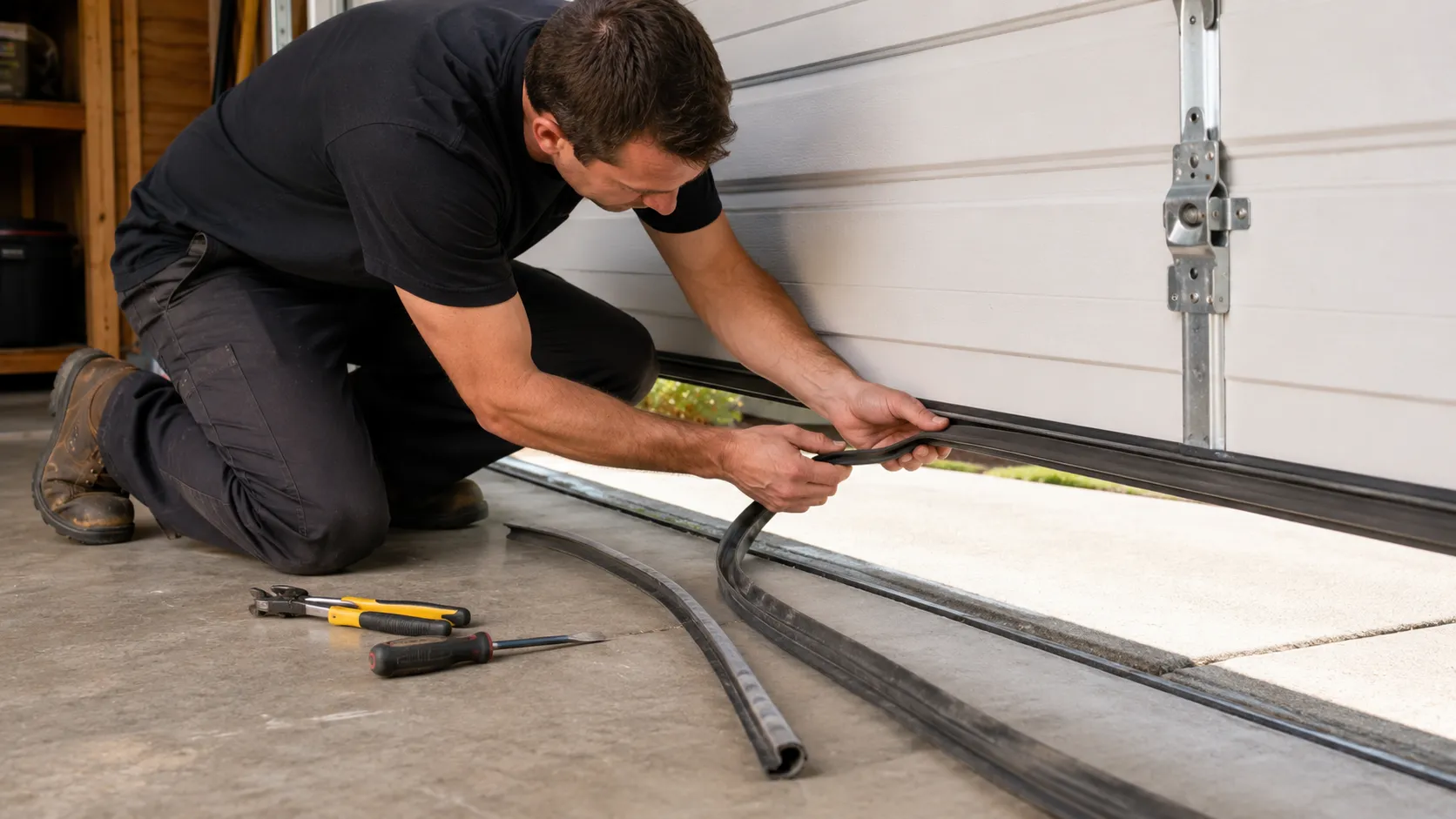
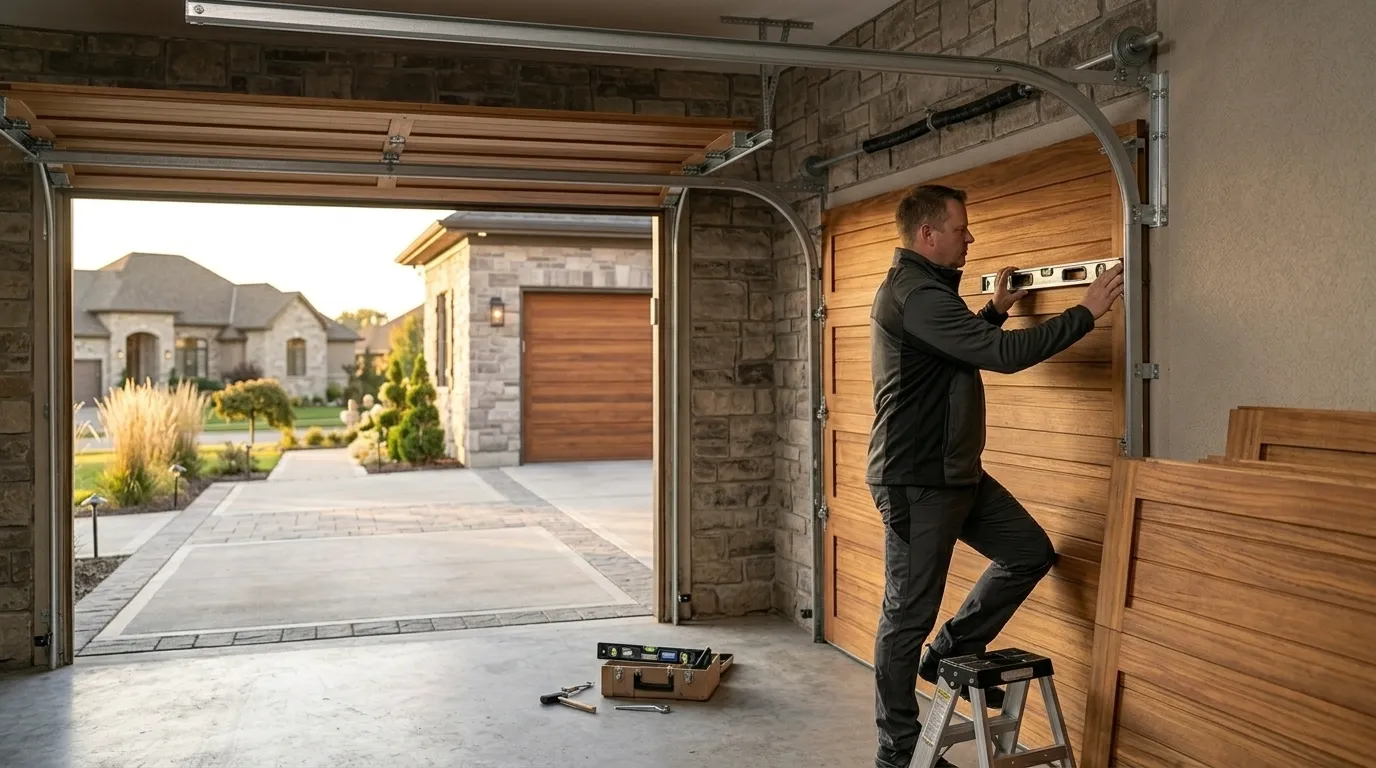
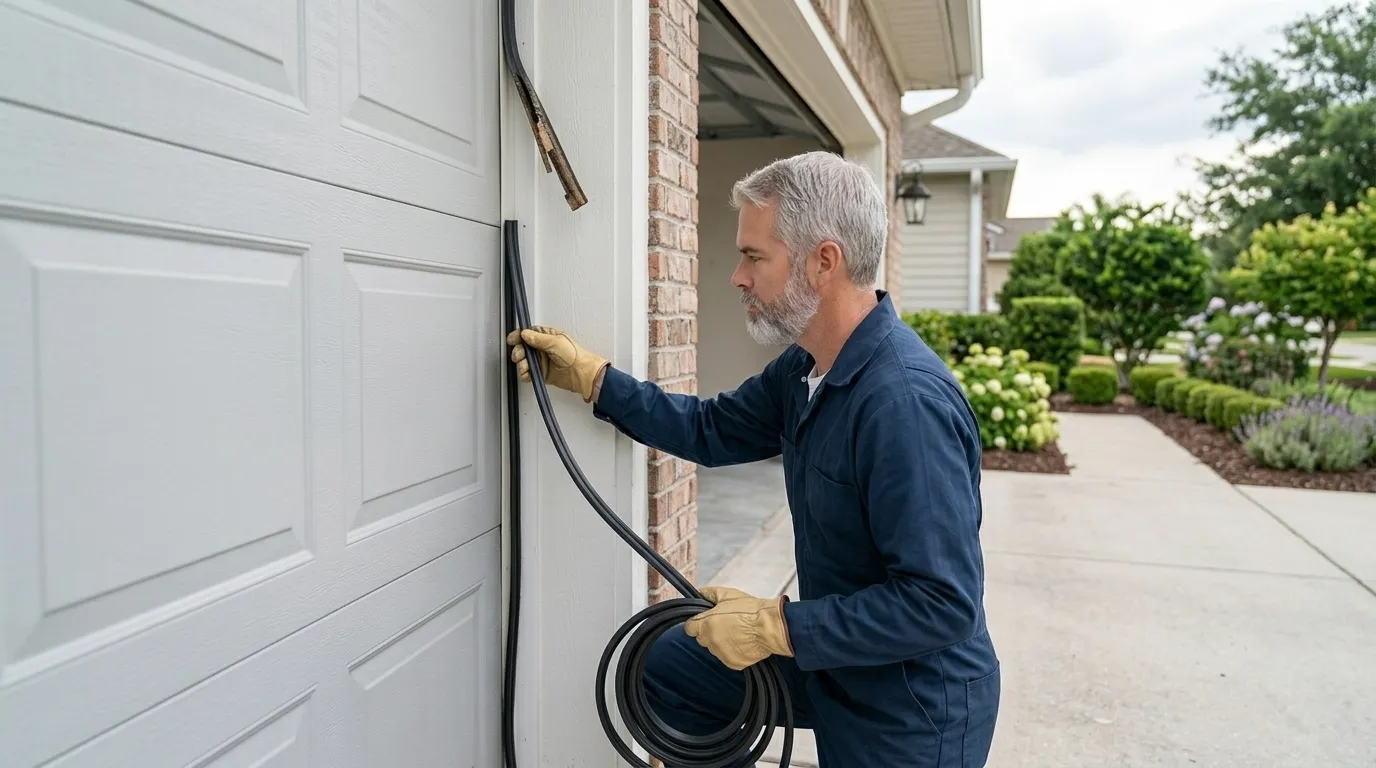
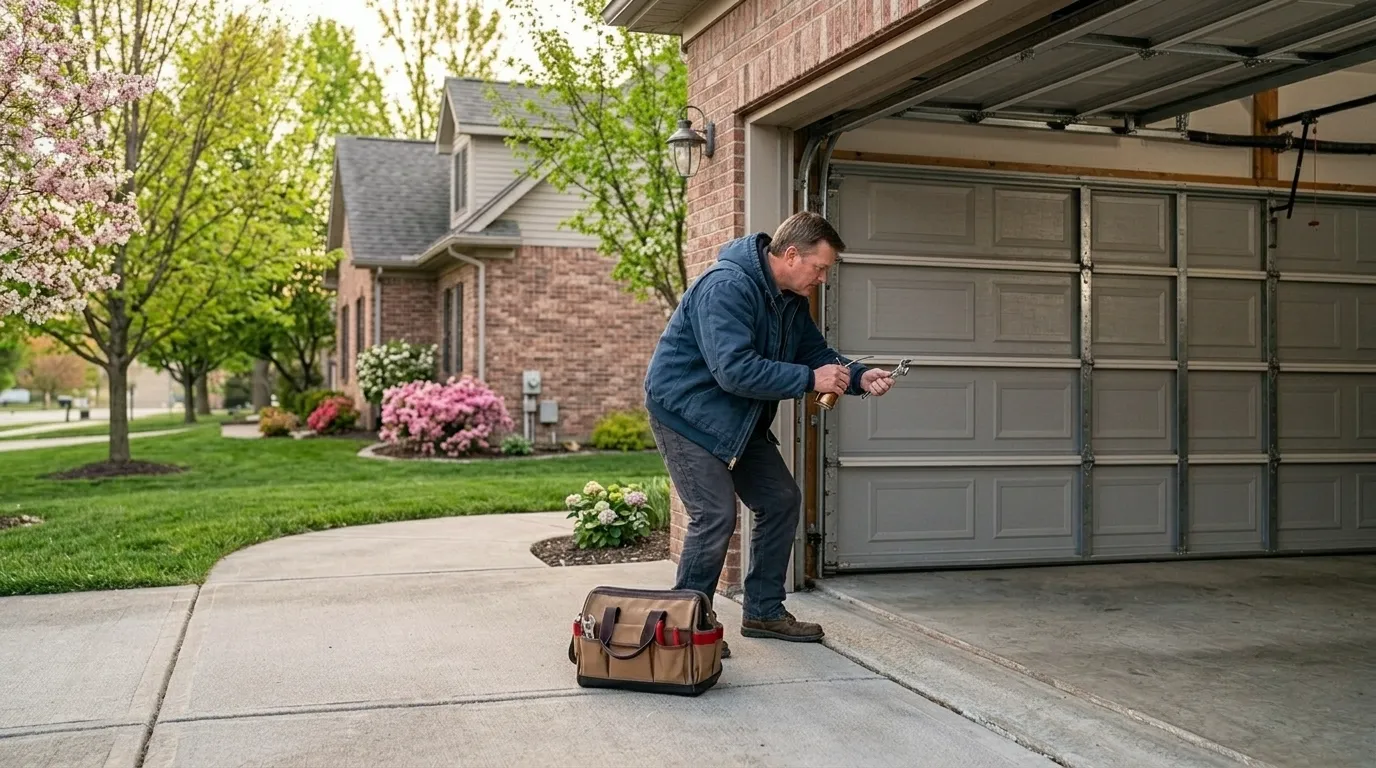
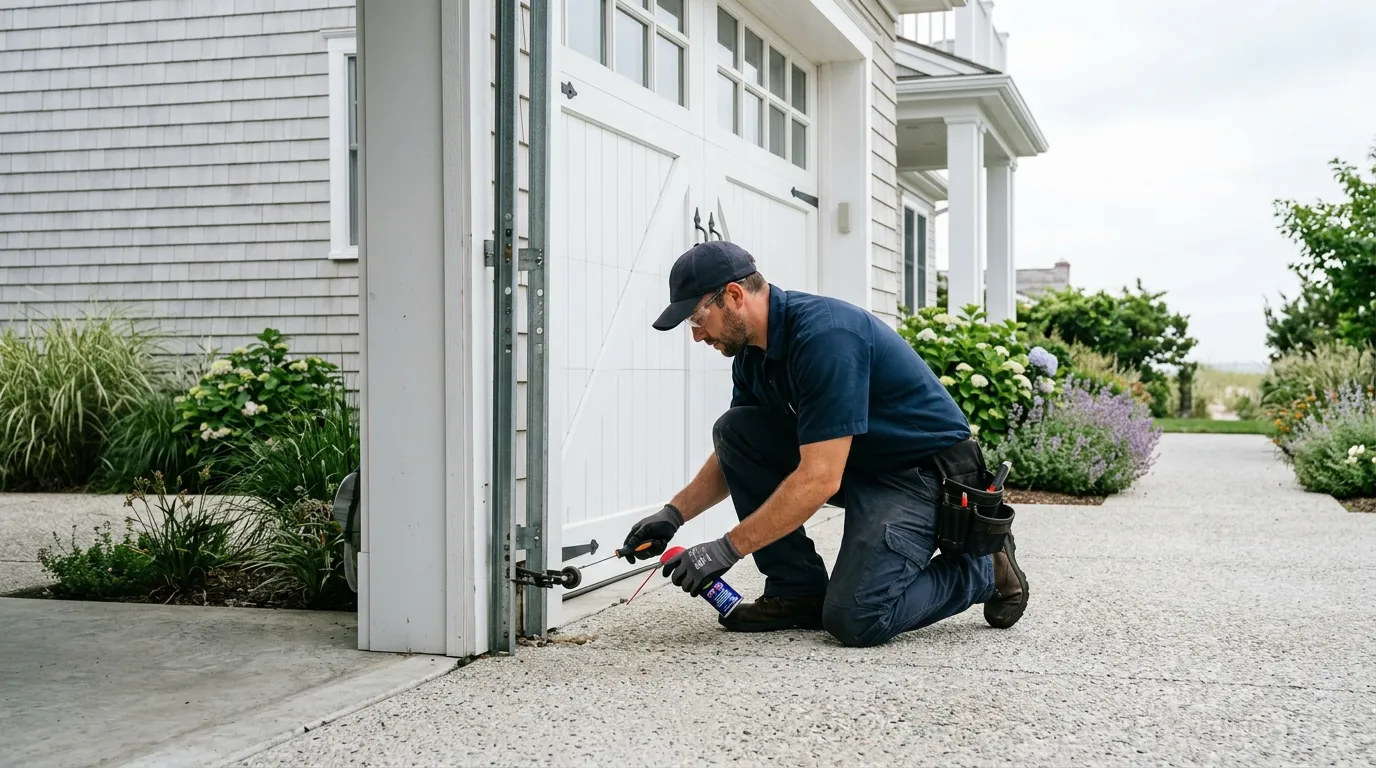
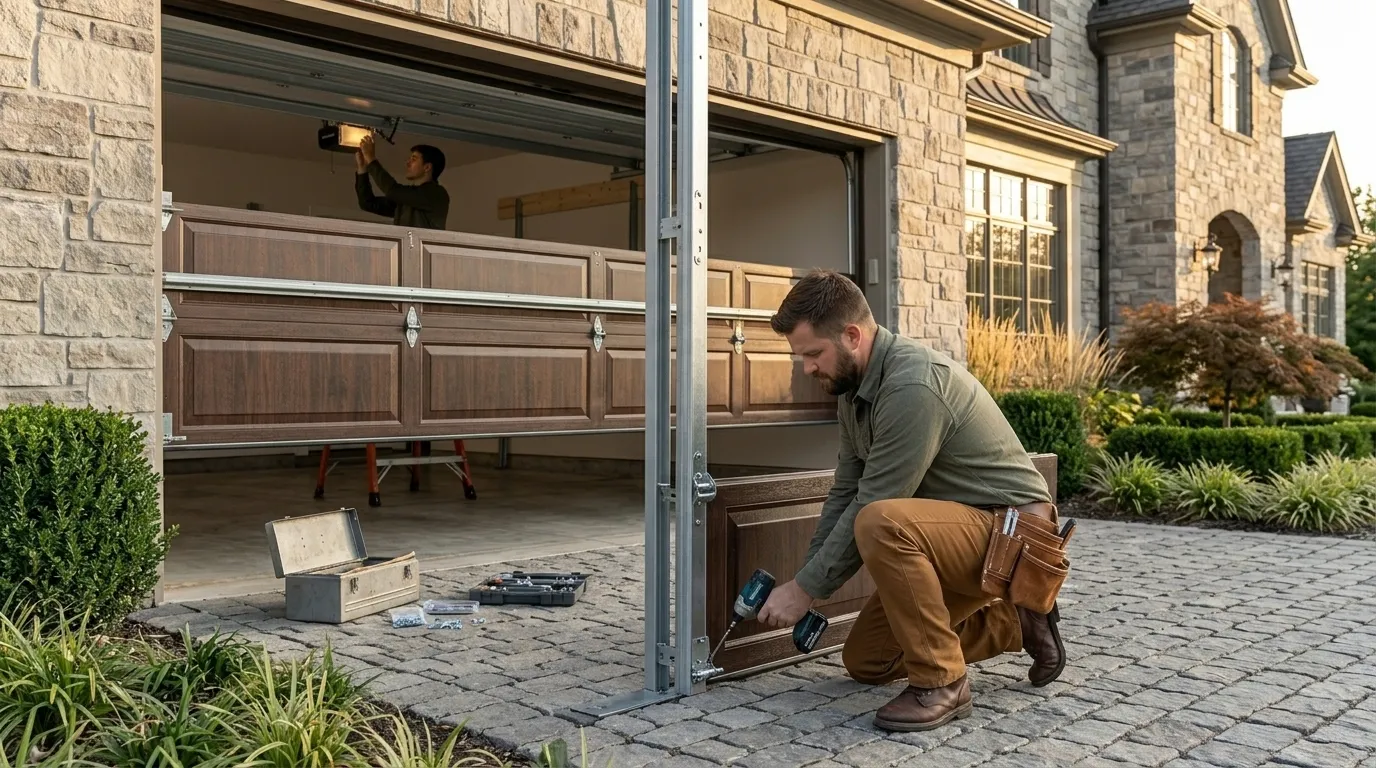
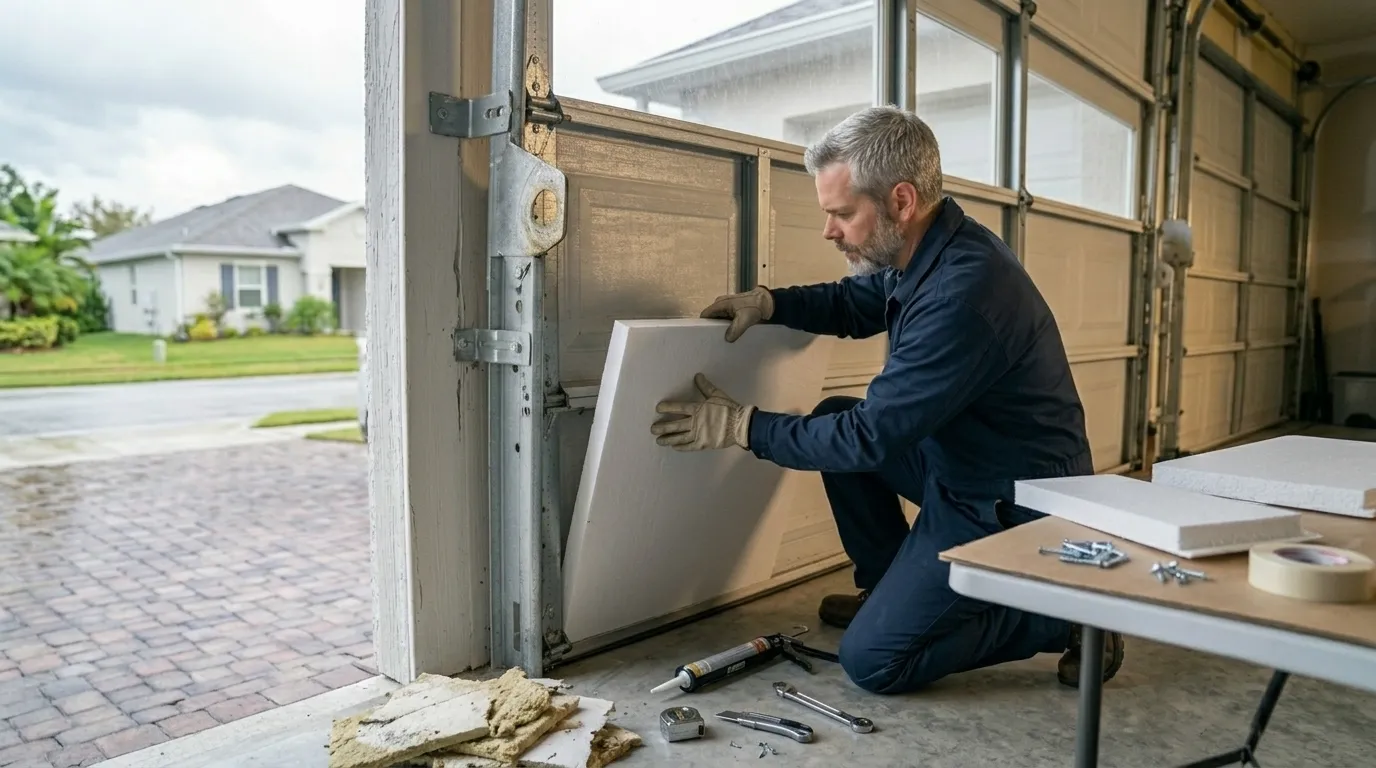
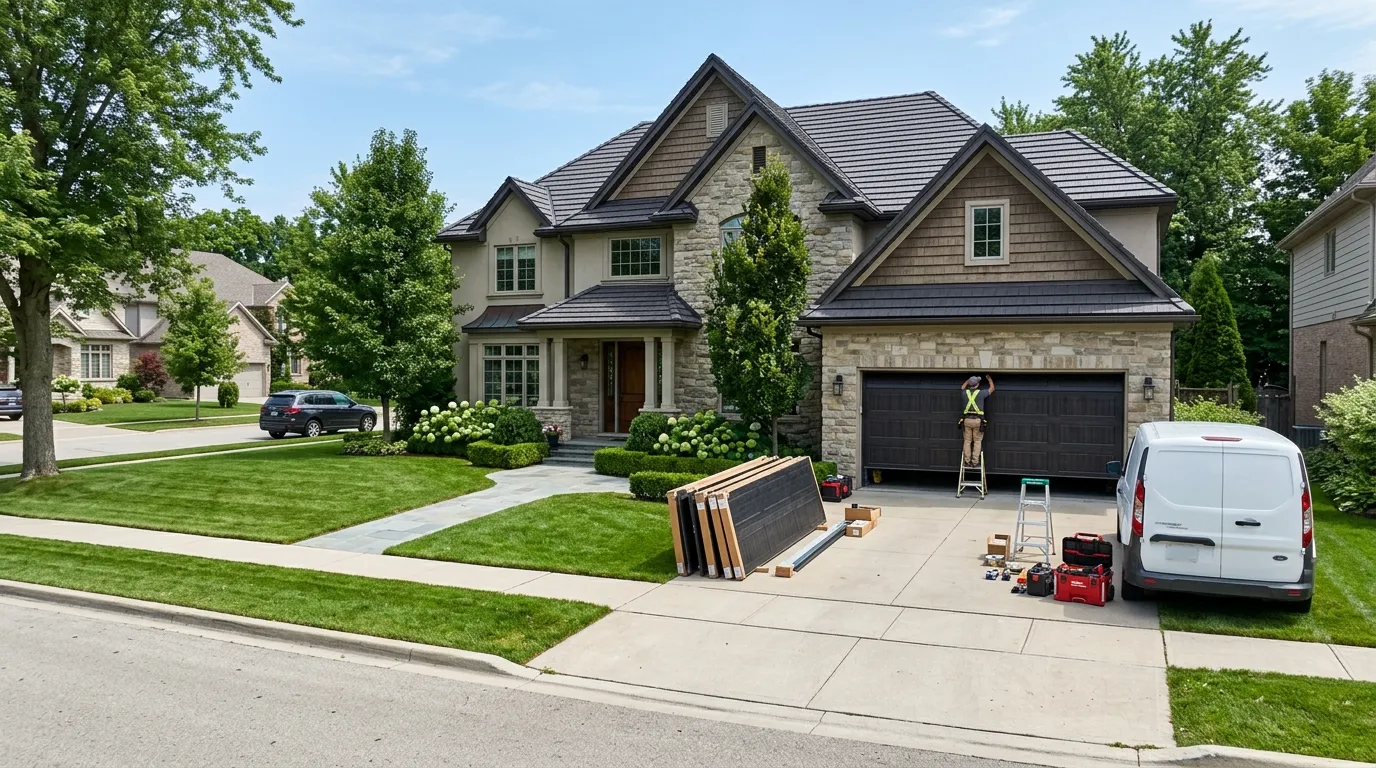
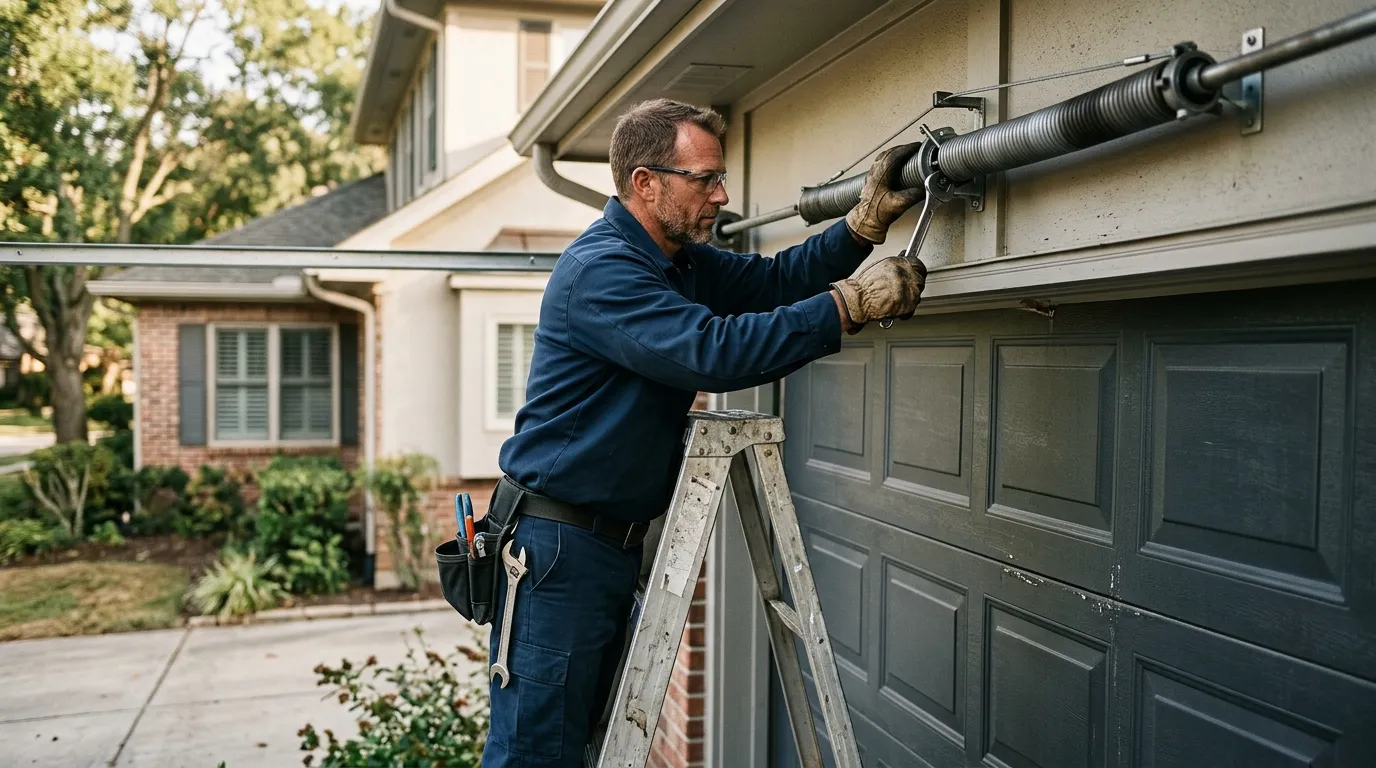
The cold-severe climate band this area sits in does most of the damage over a winter. Steel contracts in a hard freeze, torsion springs lose tension faster than they would in a milder climate, and openers that skip a beat in October usually fail outright by January. That's the pattern we see repeated across the service area's housing stock, and downtown's 1951-2006 build range means a fair number of doors are old enough for the springs to be original. At $95,392 median household income for the area, we also see more requests for insulated steel replacements over bare single-panel doors than we would in a lower-income market, largely because owners are weighing the energy cost of an attached garage against the price difference up front. We do spring replacement, cable repair, opener swaps, and track alignment. We don't do custom architectural doors or specialty glass work, and if a door is far enough gone that patching it costs close to a new unit, we'll tell you that instead of billing for another repair.
Where It Sits
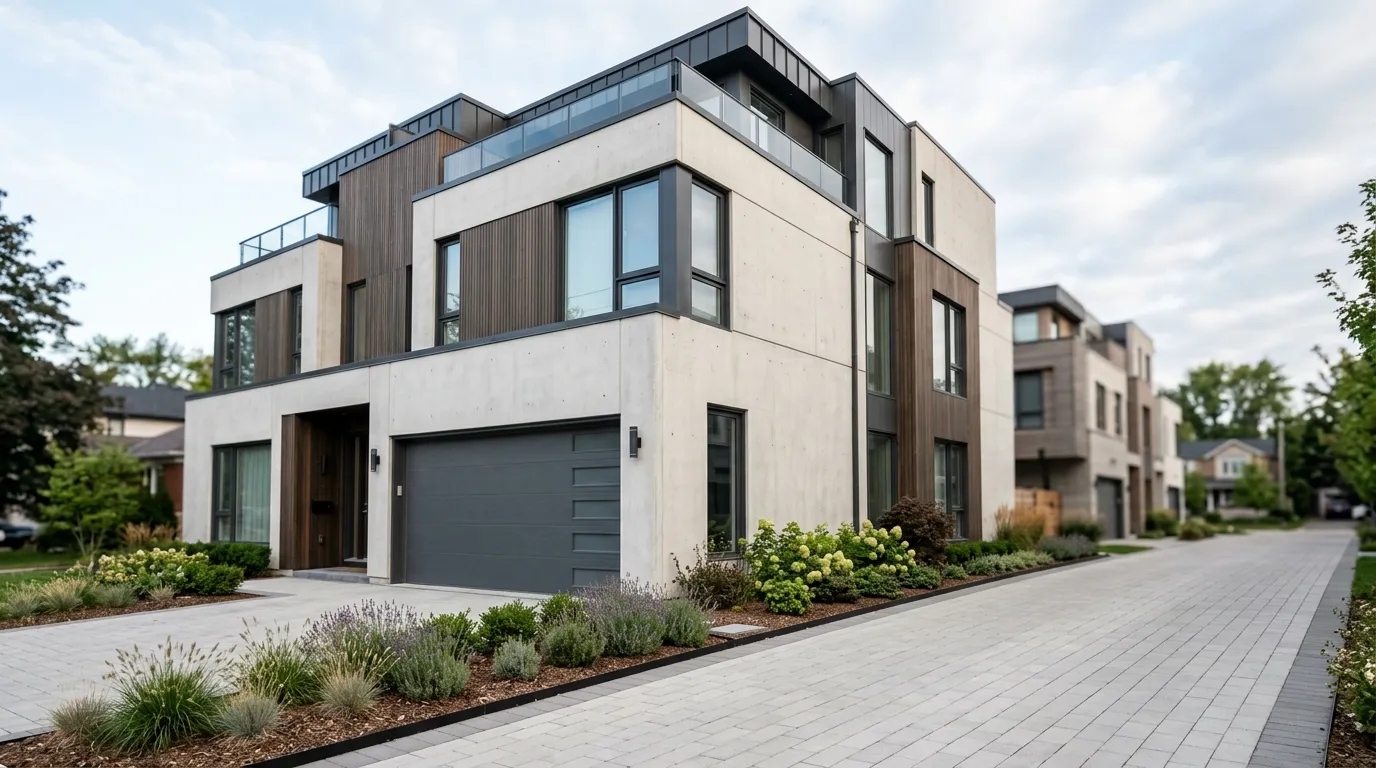
Downtown sits about four miles west-southwest of the center of Colorado Springs, which puts it closer in than most of the other communities we cover. East Colorado Springs is nearer still at a mile southwest, but downtown is closer than Cimarron Hills, Stratmoor, Manitou Springs, or Security-Widefield, all of which run seven to eight miles out. That short distance means less drive time between calls in a day, which is a practical thing for scheduling but not a reason to expect a different kind of door or a different kind of failure than what shows up elsewhere in the service area. The housing stock and climate exposure downtown share the same range as the rest of the service area we work in, so what changes with the address is mostly how fast we can get there, not what we find when we do.