Why It Happens Here
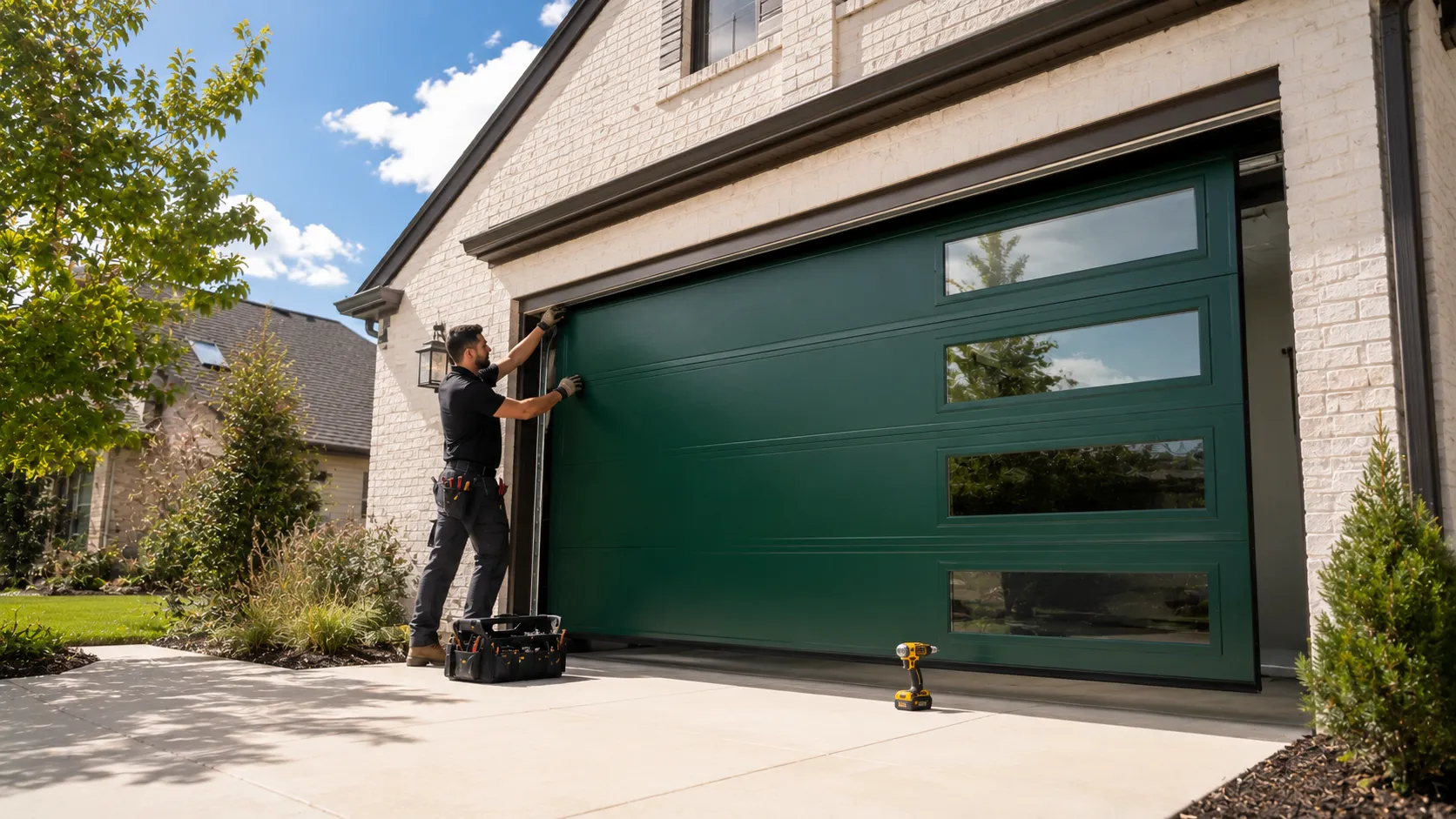
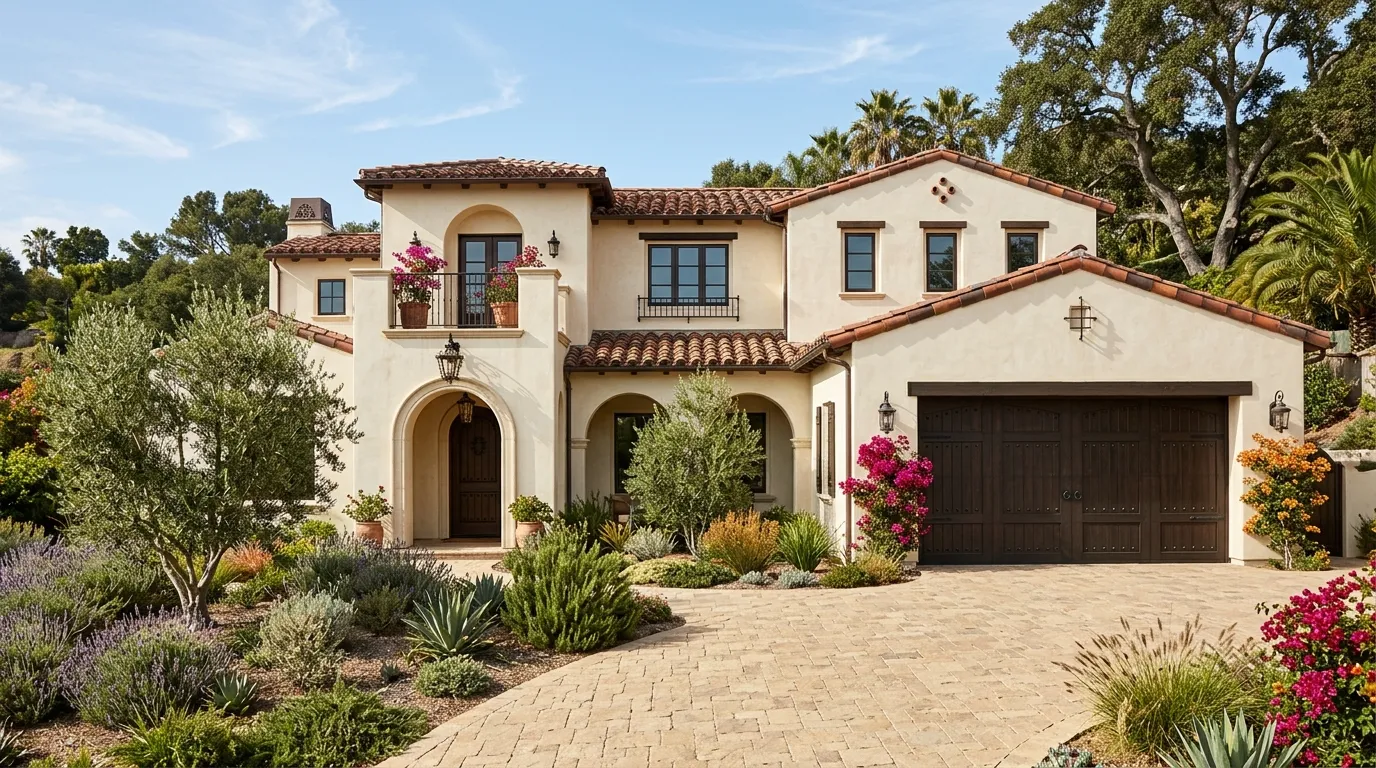
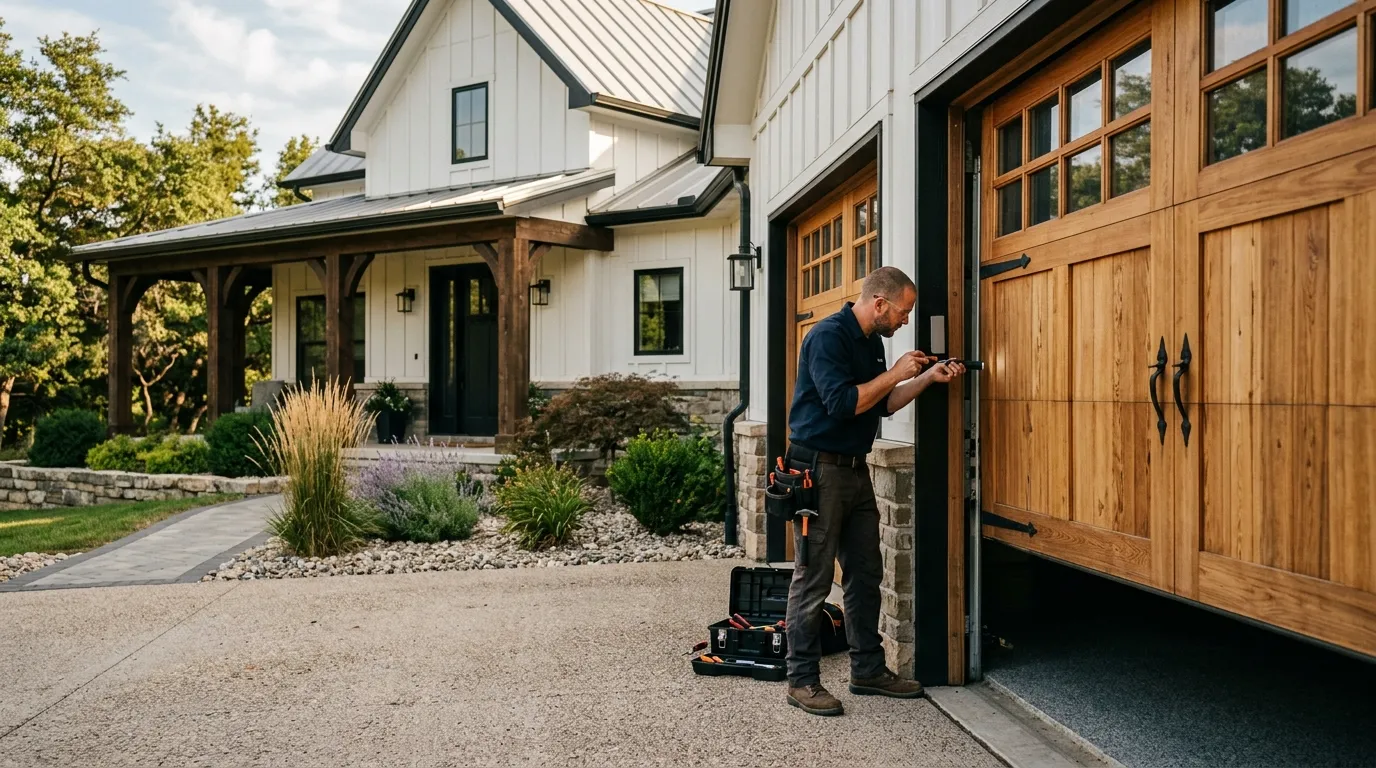
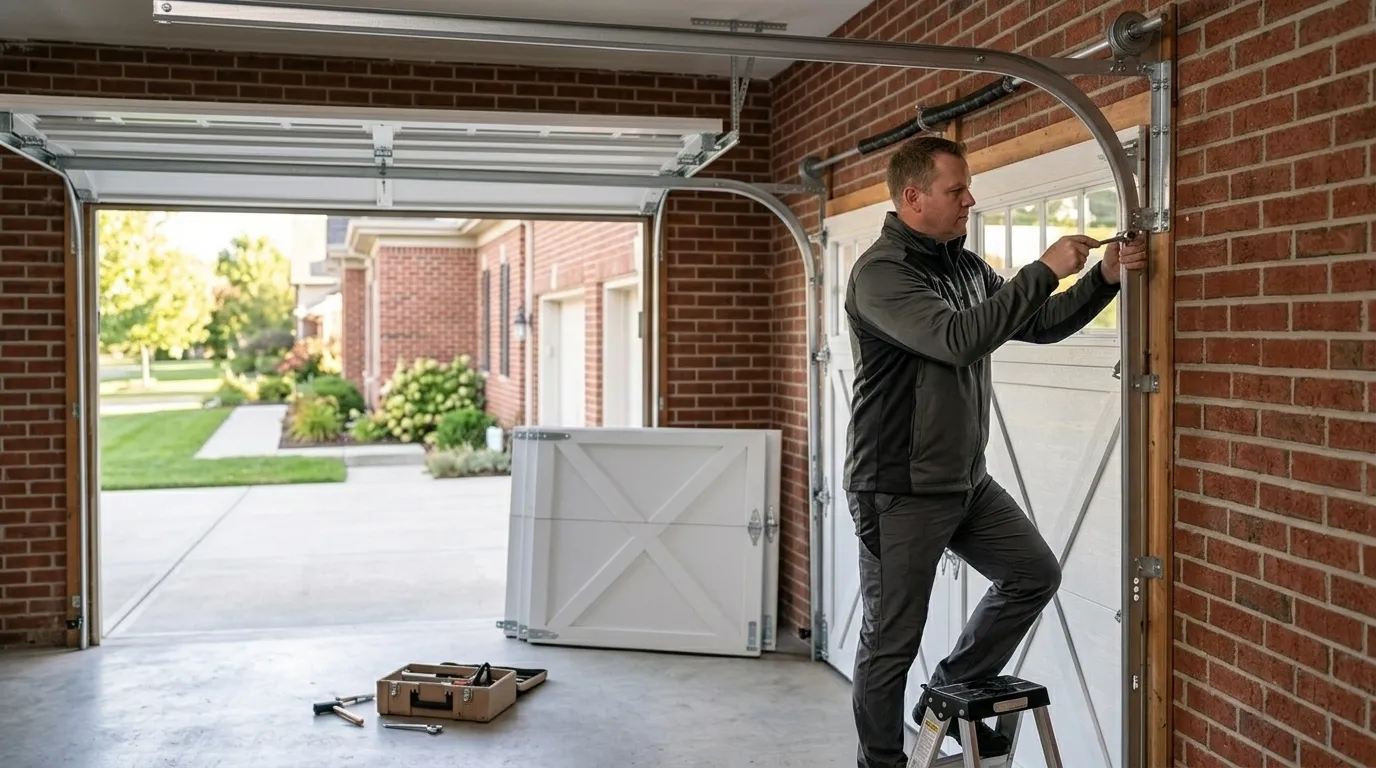
Most houses in this service area went up between 1951 and 2006, with the median right around 1990, which puts a lot of original torsion hardware from the late 80s and early 90s still hanging in these garages. That's past the point where most springs are rated to keep cycling reliably, and it shows up as sudden failure, not a slow warning. Colorado Springs sits in a severe cold climate band, and repeated freeze-thaw cycles are hard on steel springs and nylon rollers alike. Metal contracts in the cold, lubricant thickens, and a spring that was already near the end of its cycle count snaps on the first hard pull of a January morning instead of easing out over a season. Fifteen named pockets of town - from Cimarron Hills three miles out to Peyton eighteen miles east - share that same 1980s and 90s building wave, so the same worn extension springs and dry tracks show up block after block, not because of anything unusual about one street, but because the houses were built in the same stretch of years under the same weather.
Doing It Yourself
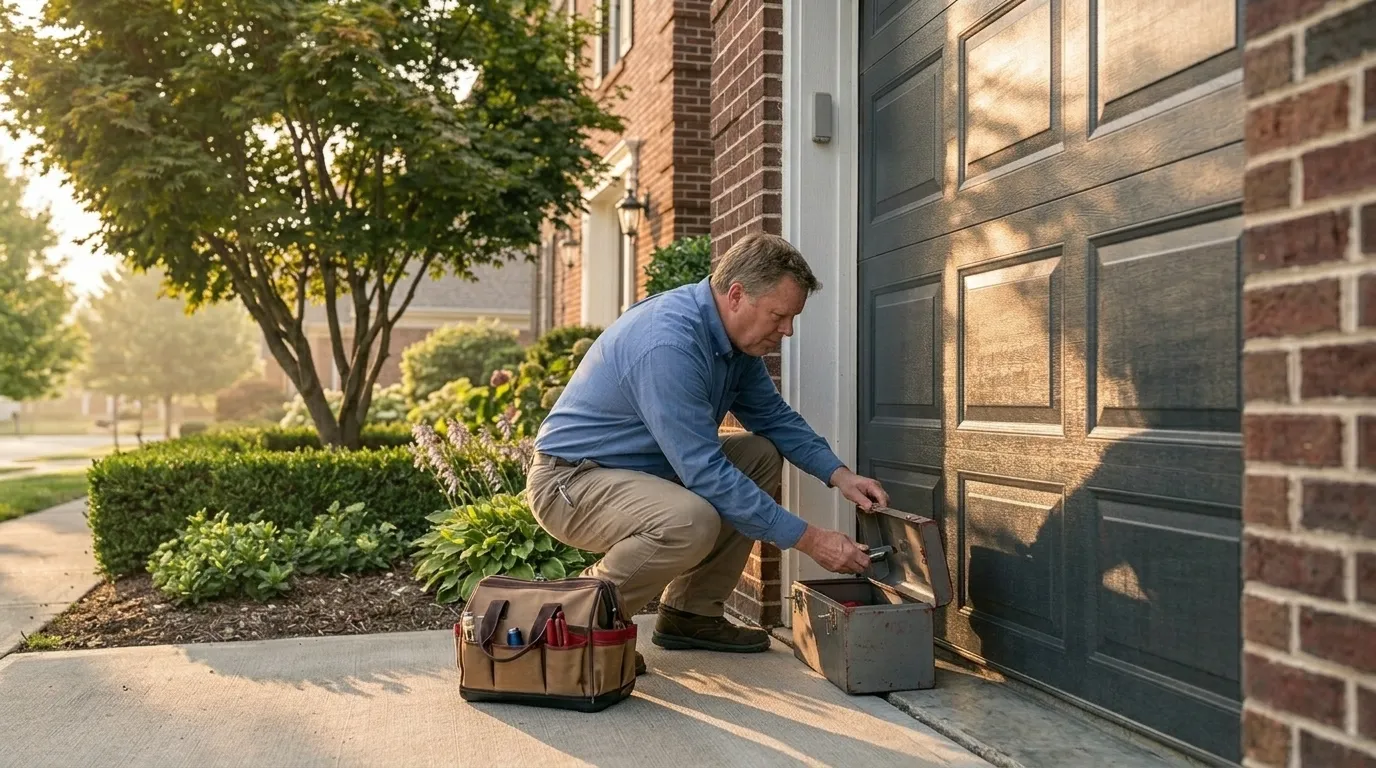
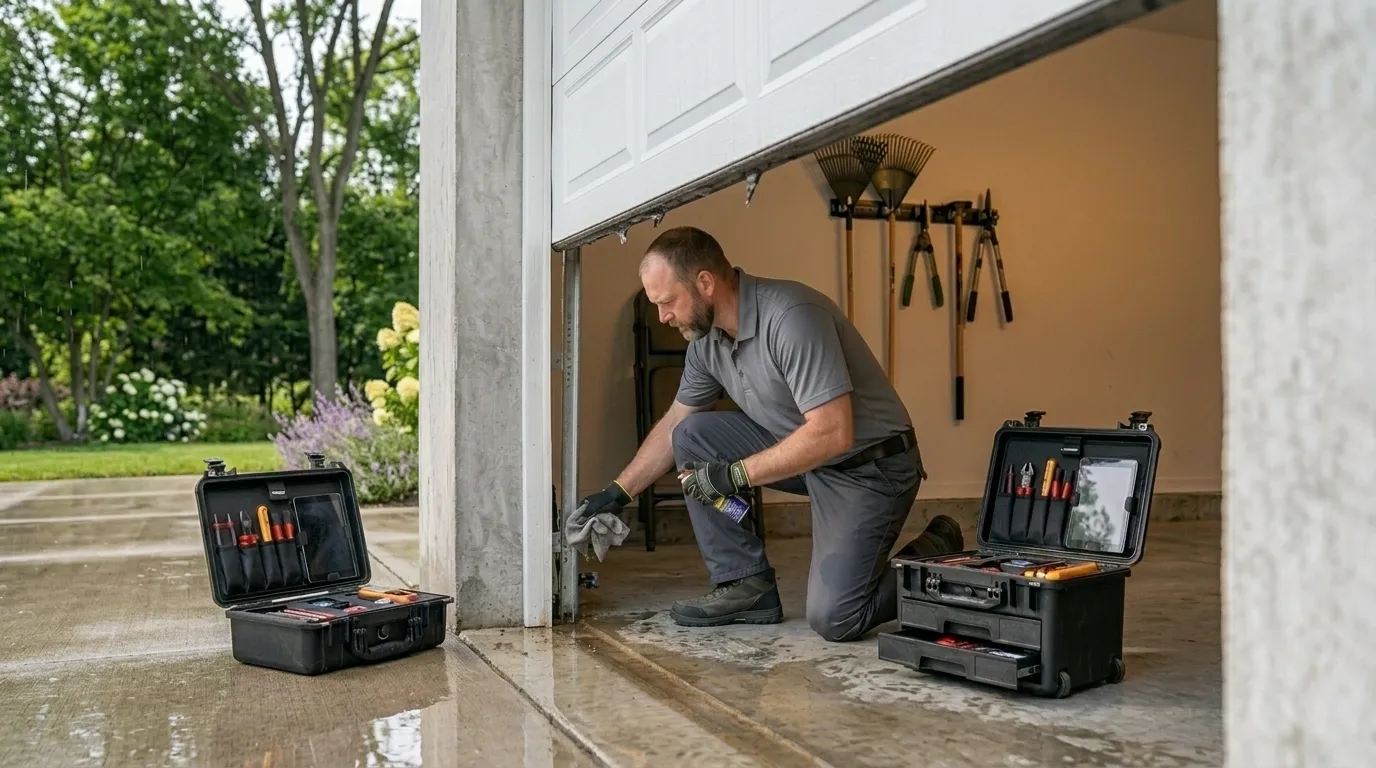
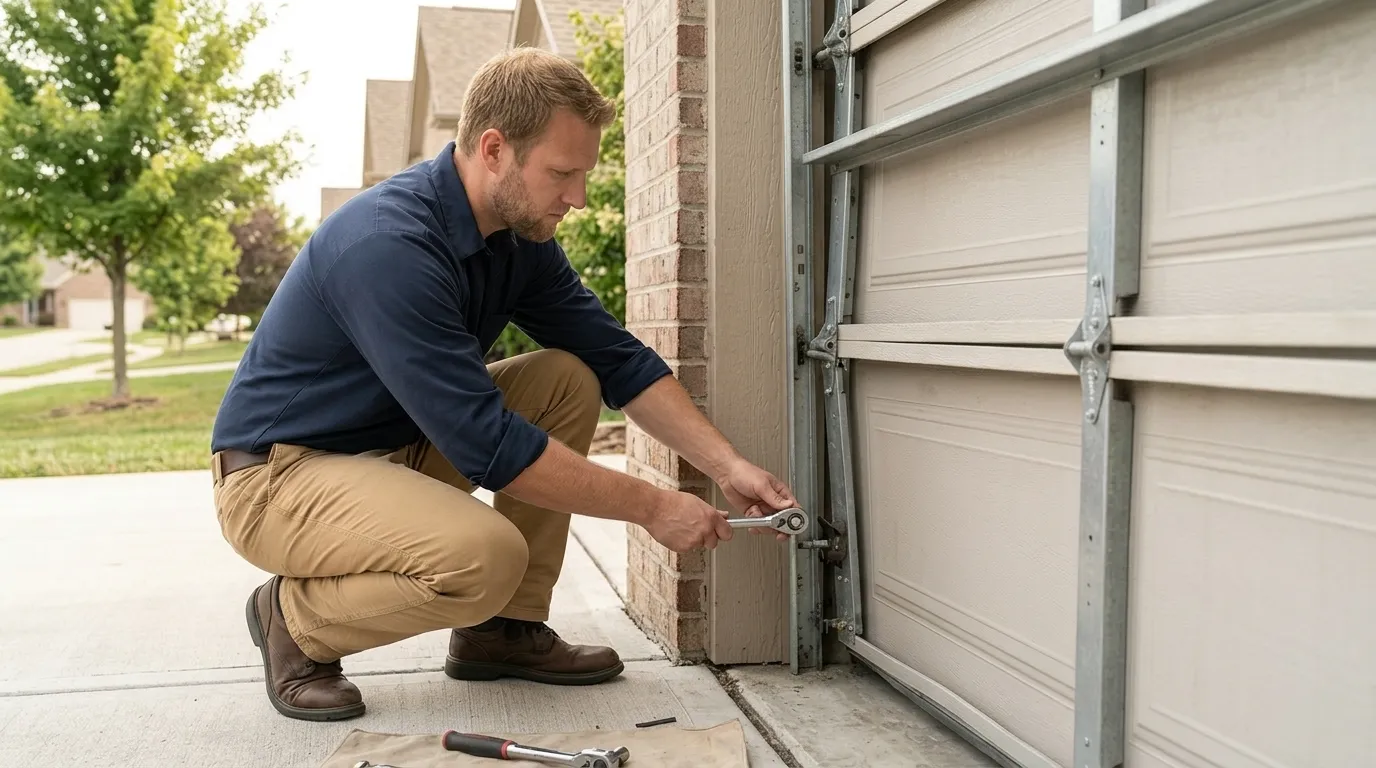
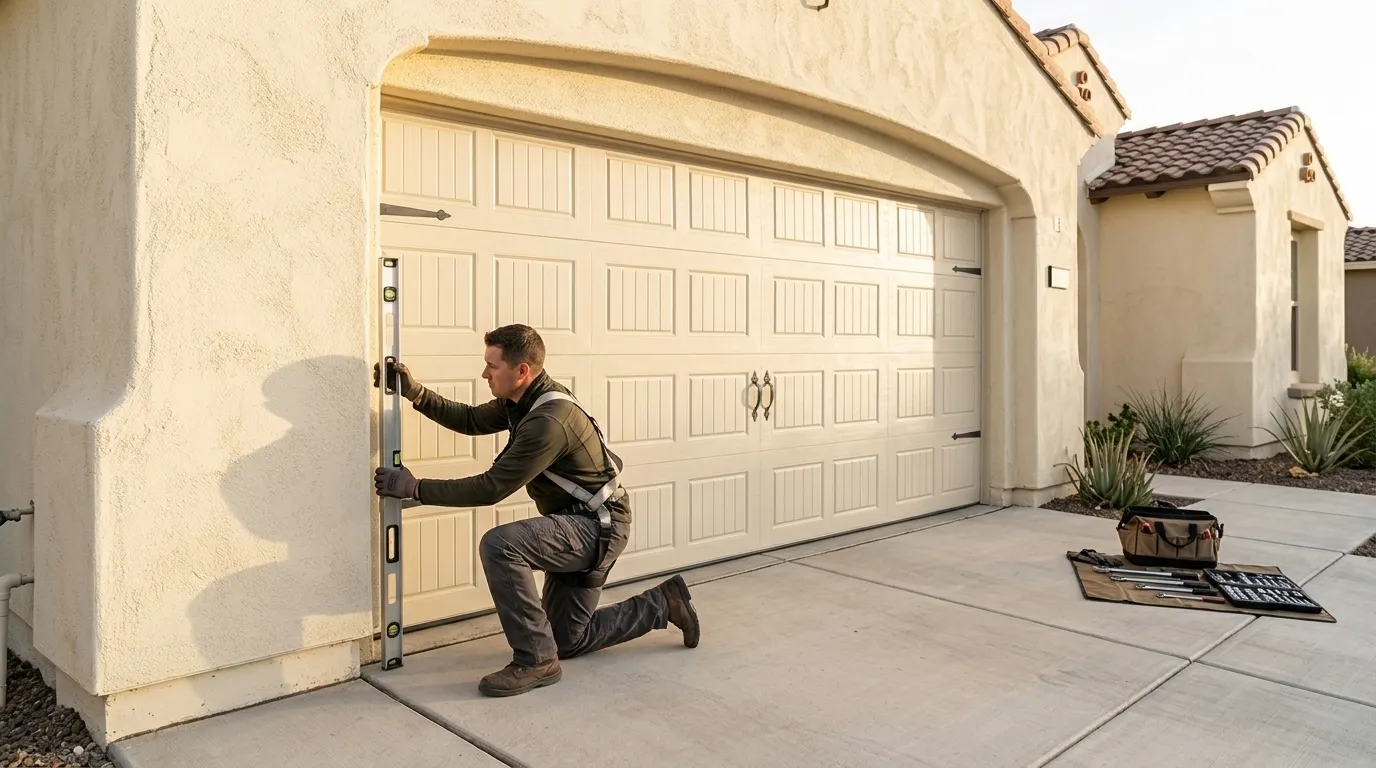
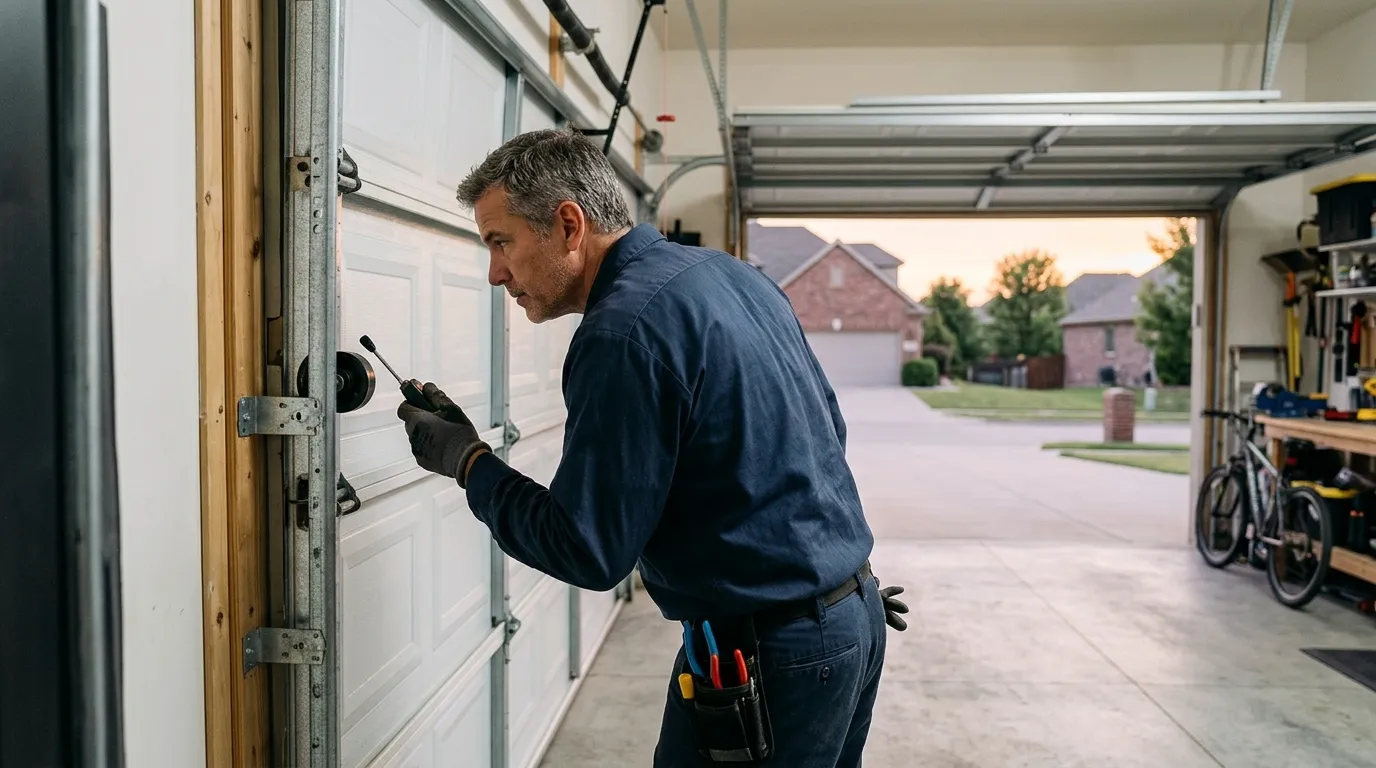
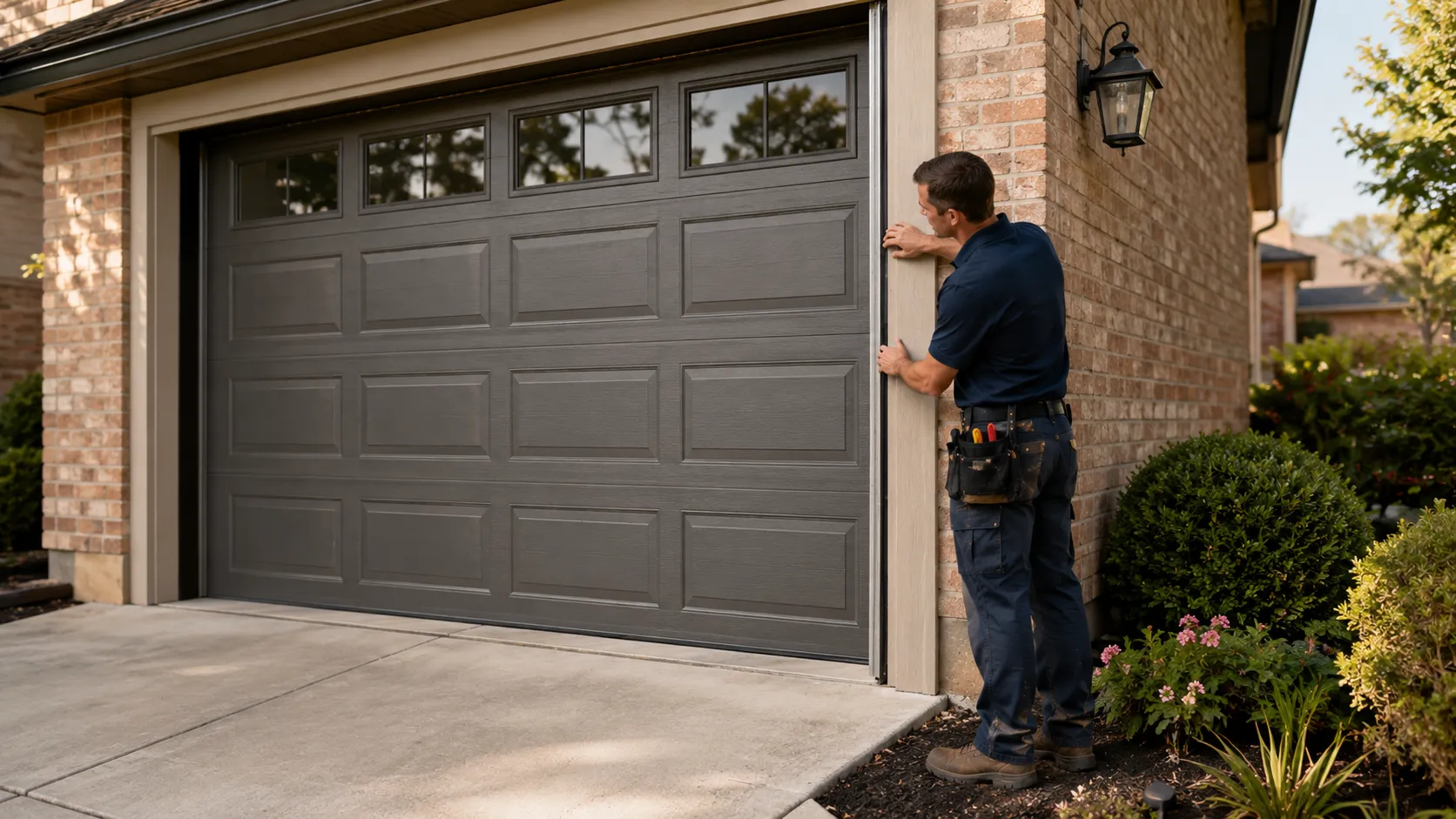
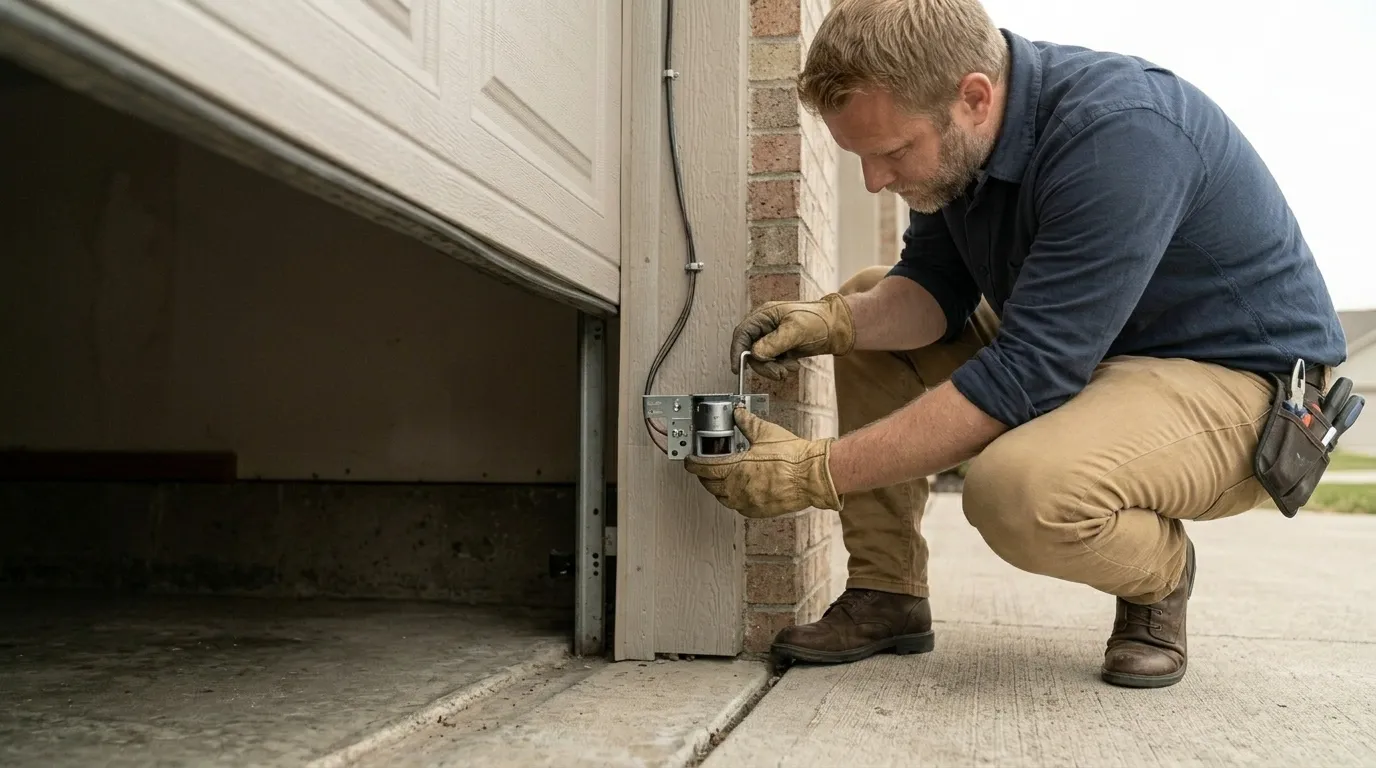
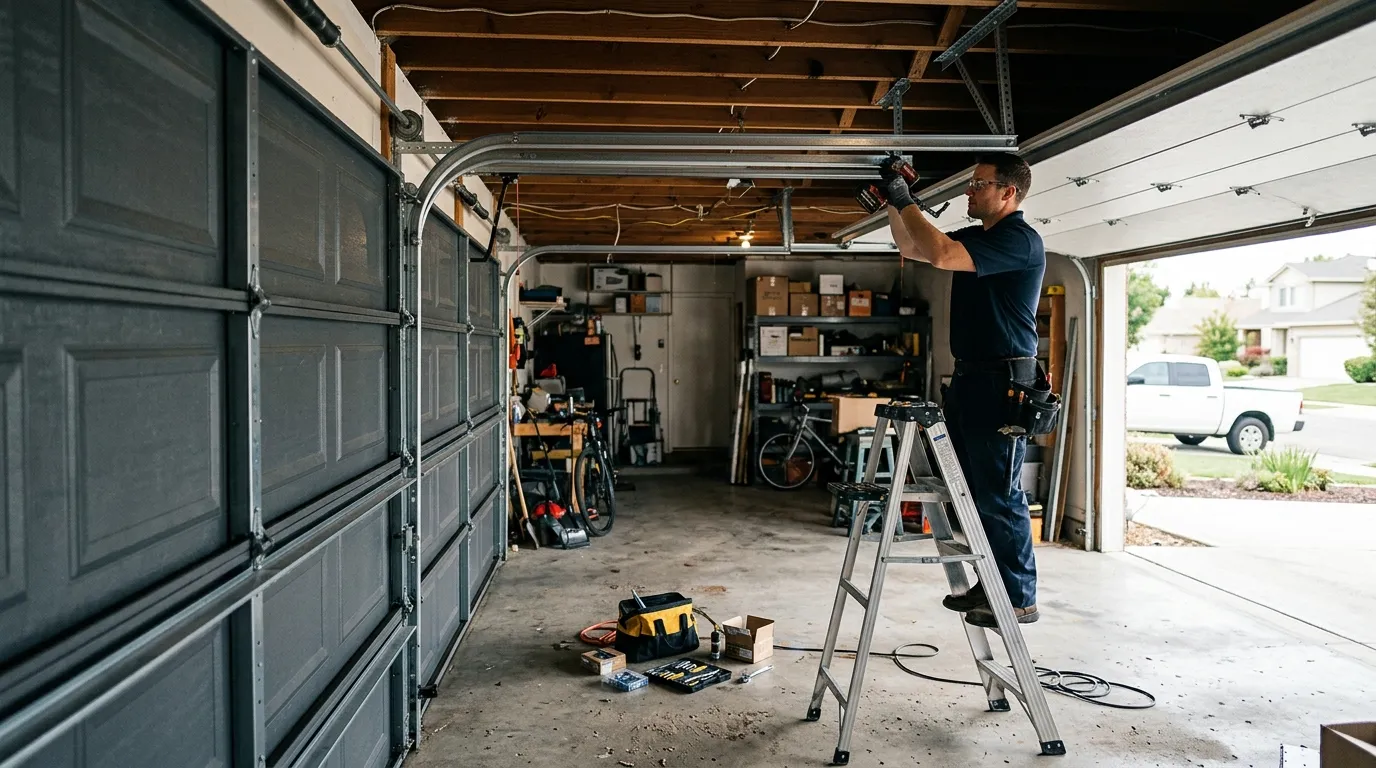
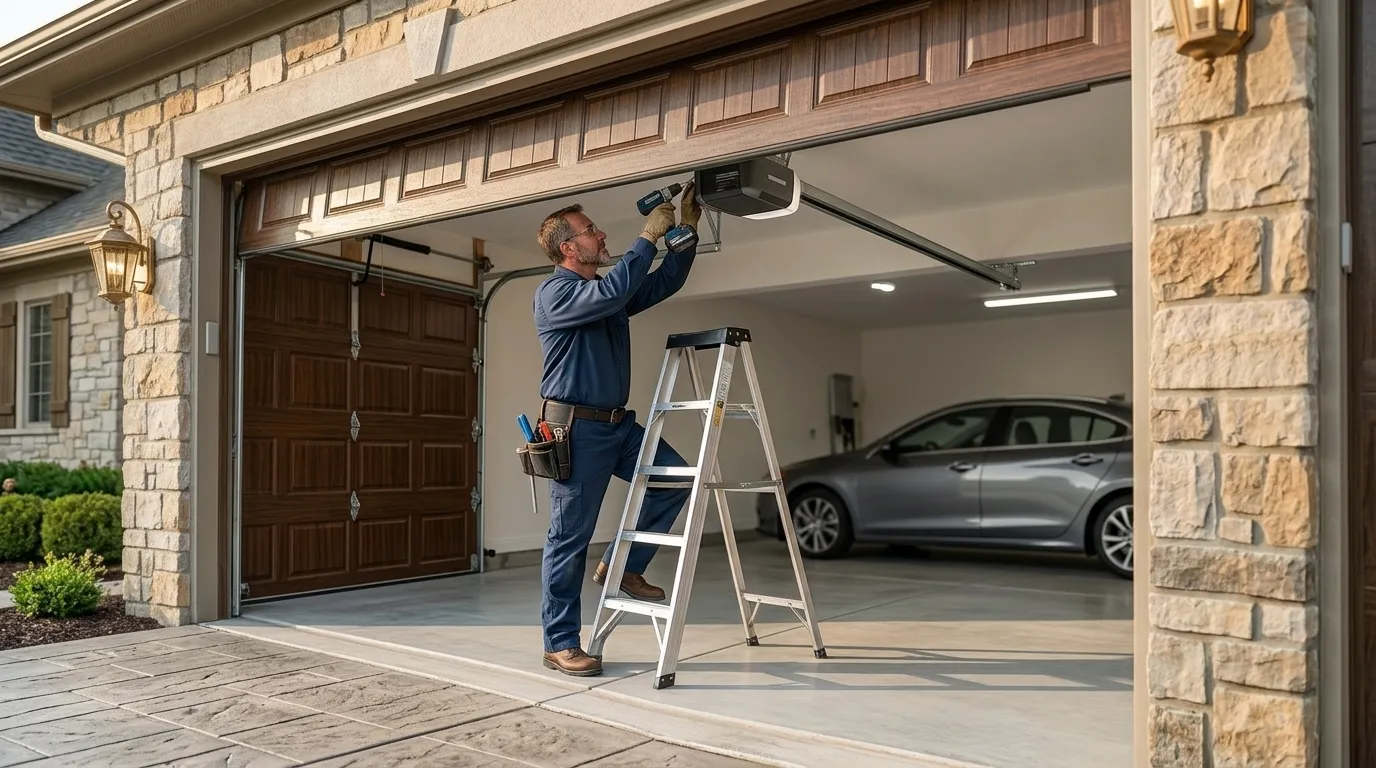
There's a real line between what a homeowner should touch and what needs a torque wrench and a wall bracket. Tightening loose hardware, clearing debris out of the track, checking that the sensors near the floor are aligned and not knocked out of position by a stray bike or a snow shovel - that's reasonable weekend work. A torsion spring under tension is not. It stores enough force to break a hand or worse if the winding bar slips, and that risk doesn't go down because you watched a video first. With a median household income of $95,392 across roughly 59,548 households, most owners here can afford a proper spring replacement instead of a patch job, and that's usually the smarter call anyway once a door is cycling on borrowed hardware. If your door is sagging on one side, making a grinding noise on the way up, or the opener strains and reverses, that's diagnostic work worth a call rather than a guess.