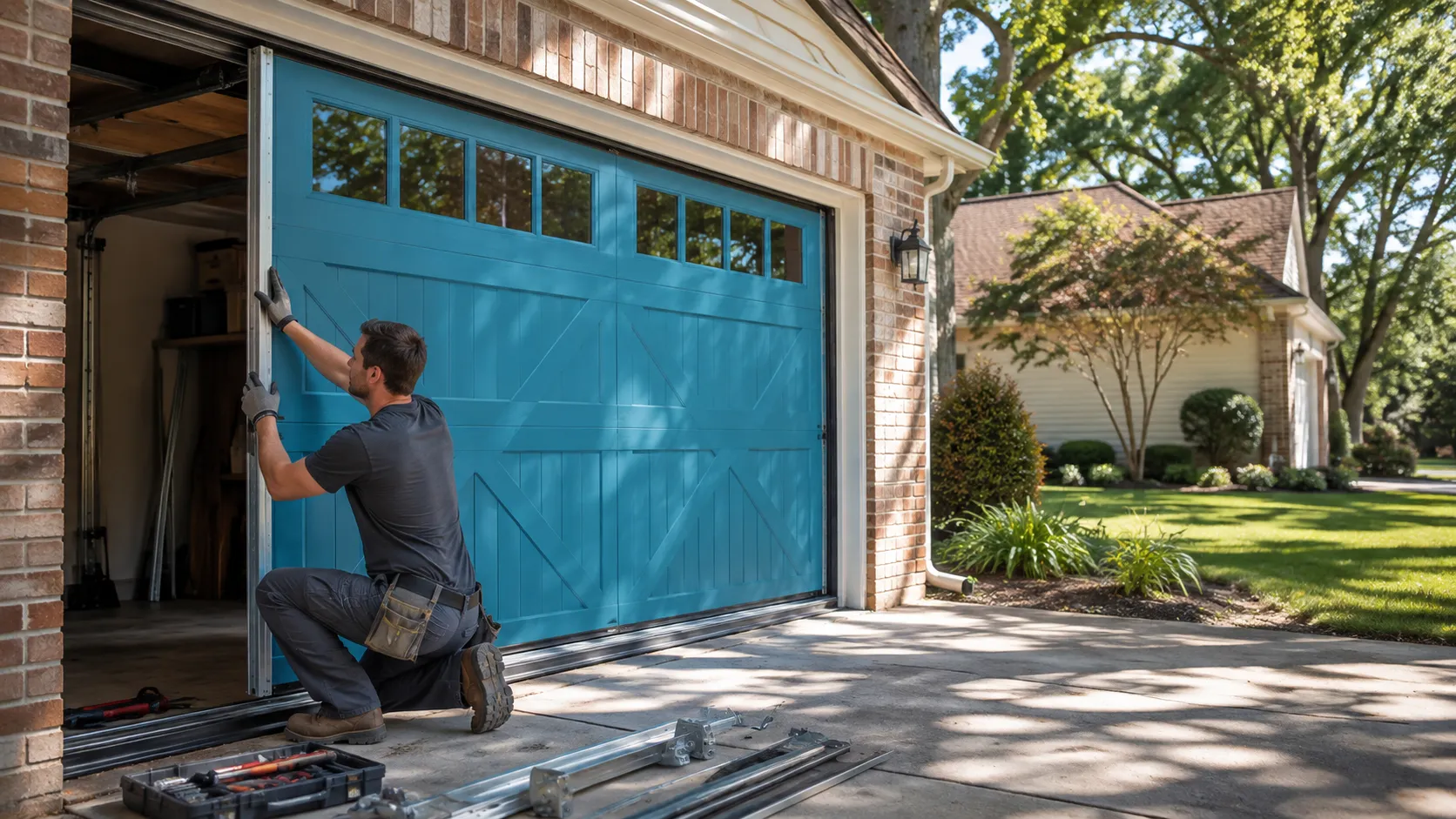
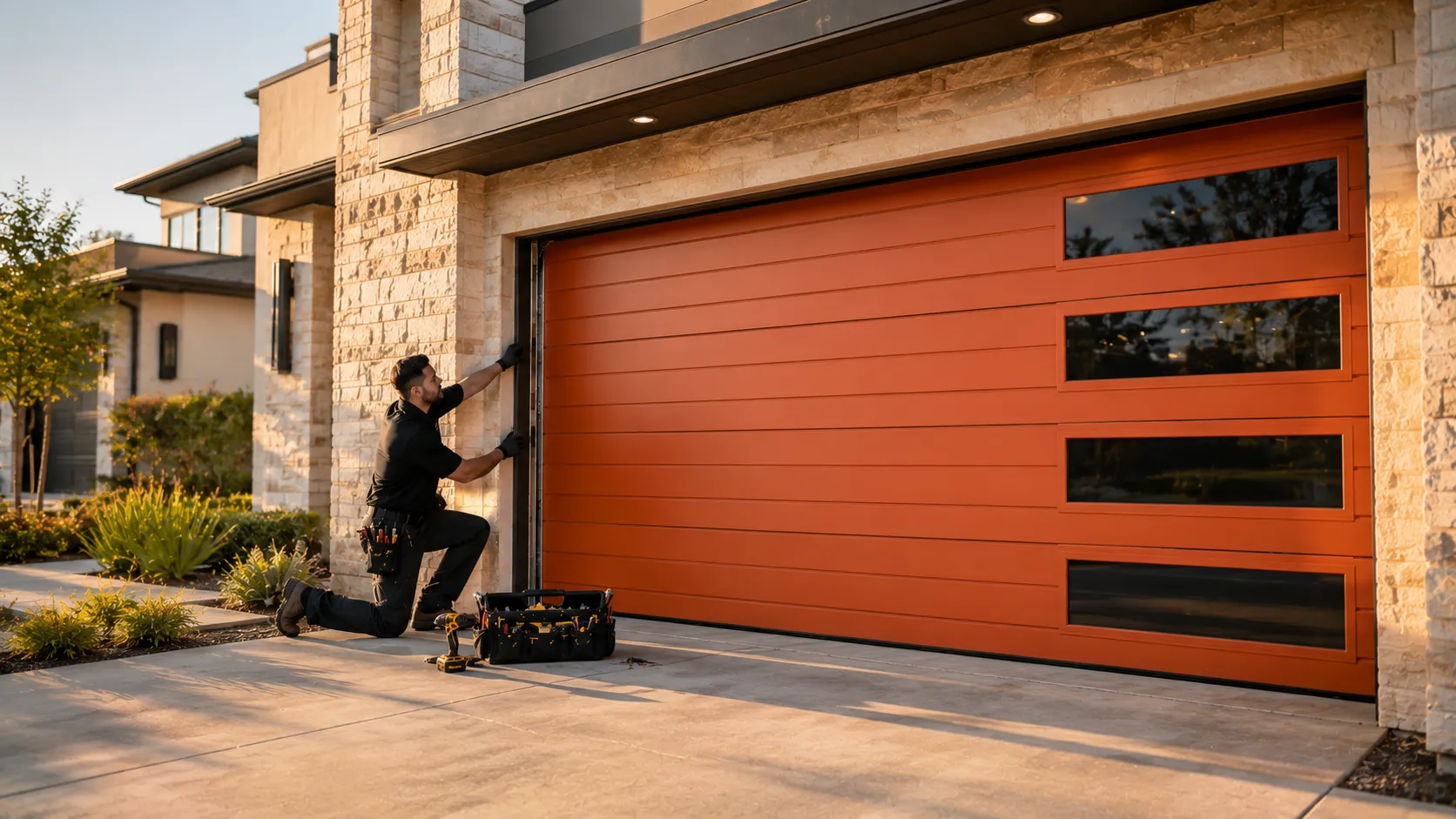
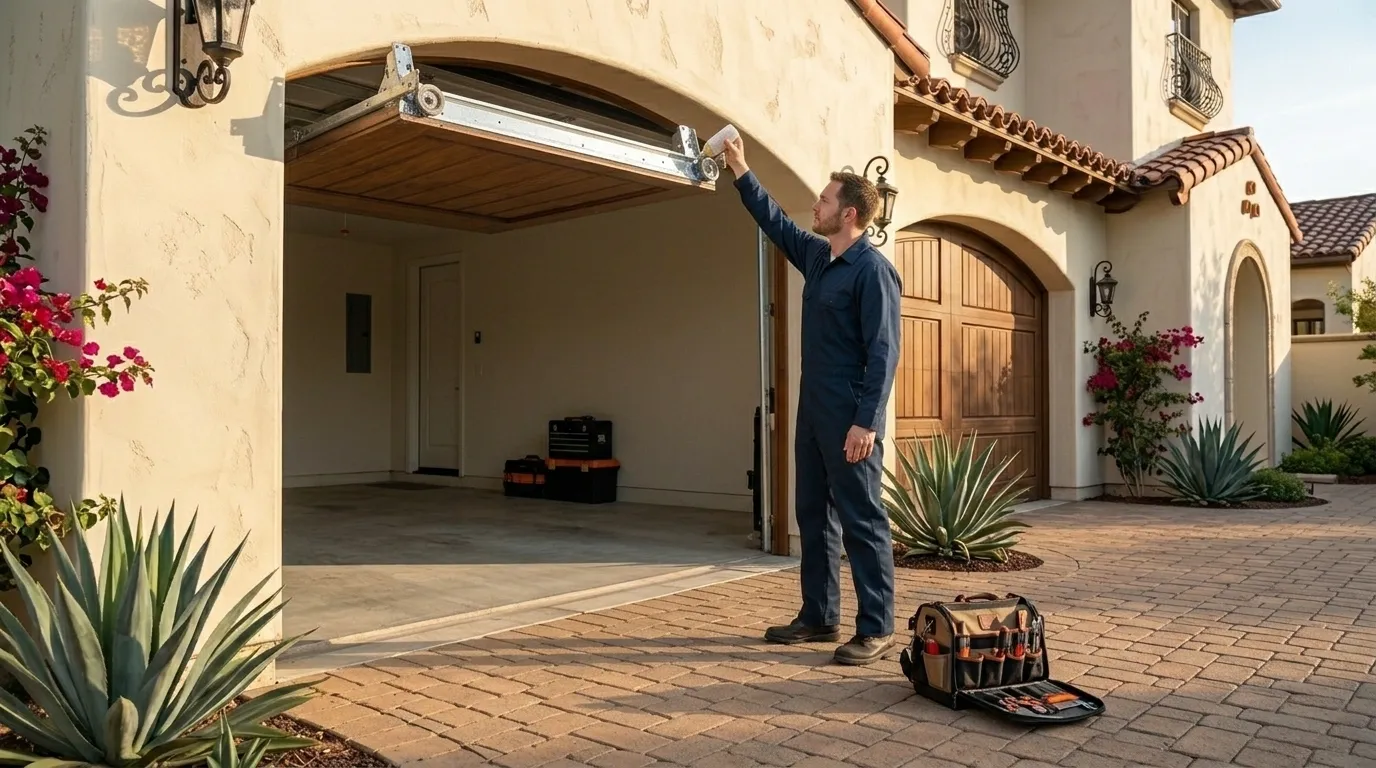
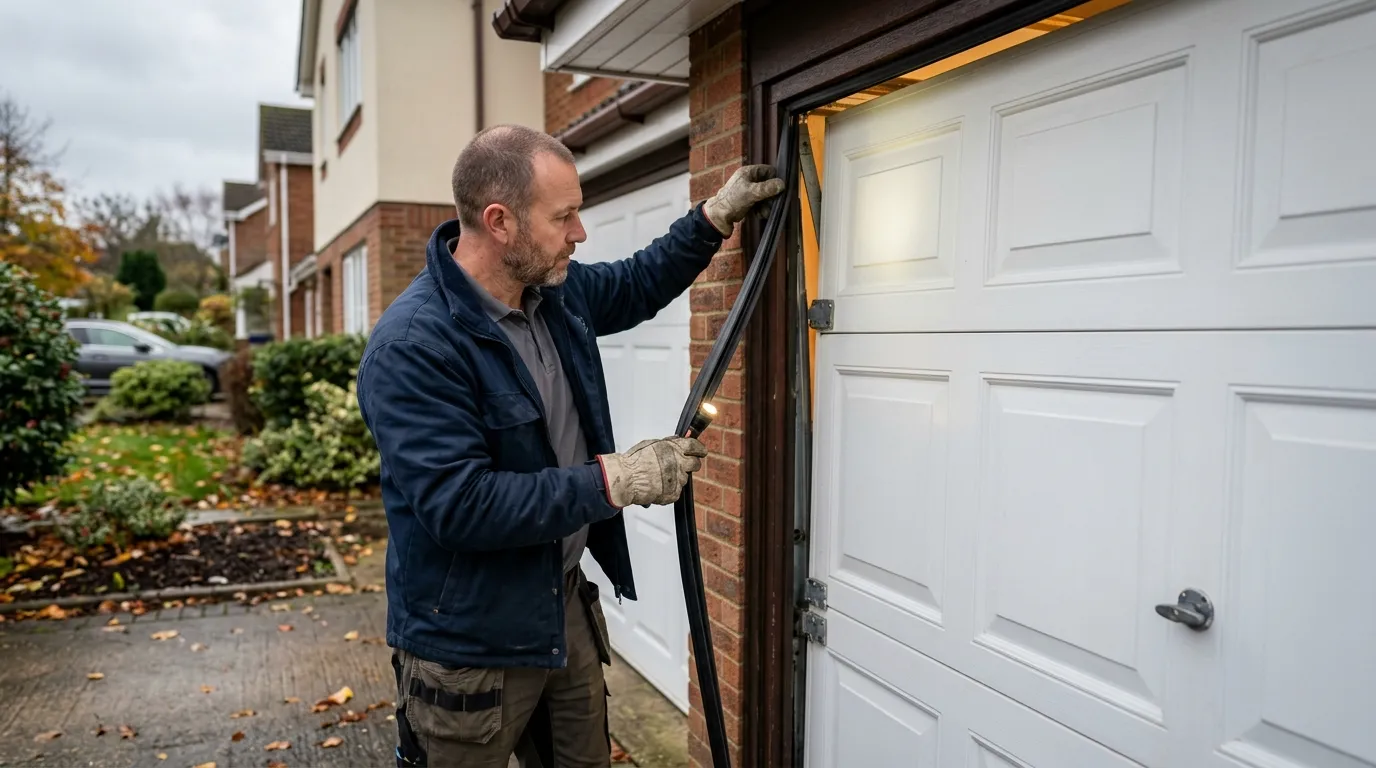
Colorado Springs Garage Door Pros drives 10 miles to Air Force Academy, where most homes date to the mid-1960s, older than the city's 1990 median build year.
The houses around Air Force Academy don't match the rest of Colorado Springs Garage Door Pros' service area. Across the wider coverage zone, the median home was built around 1990, with construction stretching from 1951 to 2006. Out here, the number sits closer to 1967 - a full generation earlier. This is a smaller pocket too, roughly 672 households, tucked against the Academy grounds about 10 miles from Colorado Springs proper. Income here runs close to $93,889, just under the broader area's $95,392 median, which tracks with a settled, established neighborhood rather than new-build sprawl. When a house was built in 1967, its garage almost certainly wasn't. Most of these openers, tracks, and springs have been swapped out once or twice already by whoever owned the place before, and not always with matching parts. That's the piece that matters more than square footage or curb appeal: the door hardware here has a longer history than the hardware in newer parts of the metro, and it shows in the kind of calls we get.
How That Shows Up in the Door
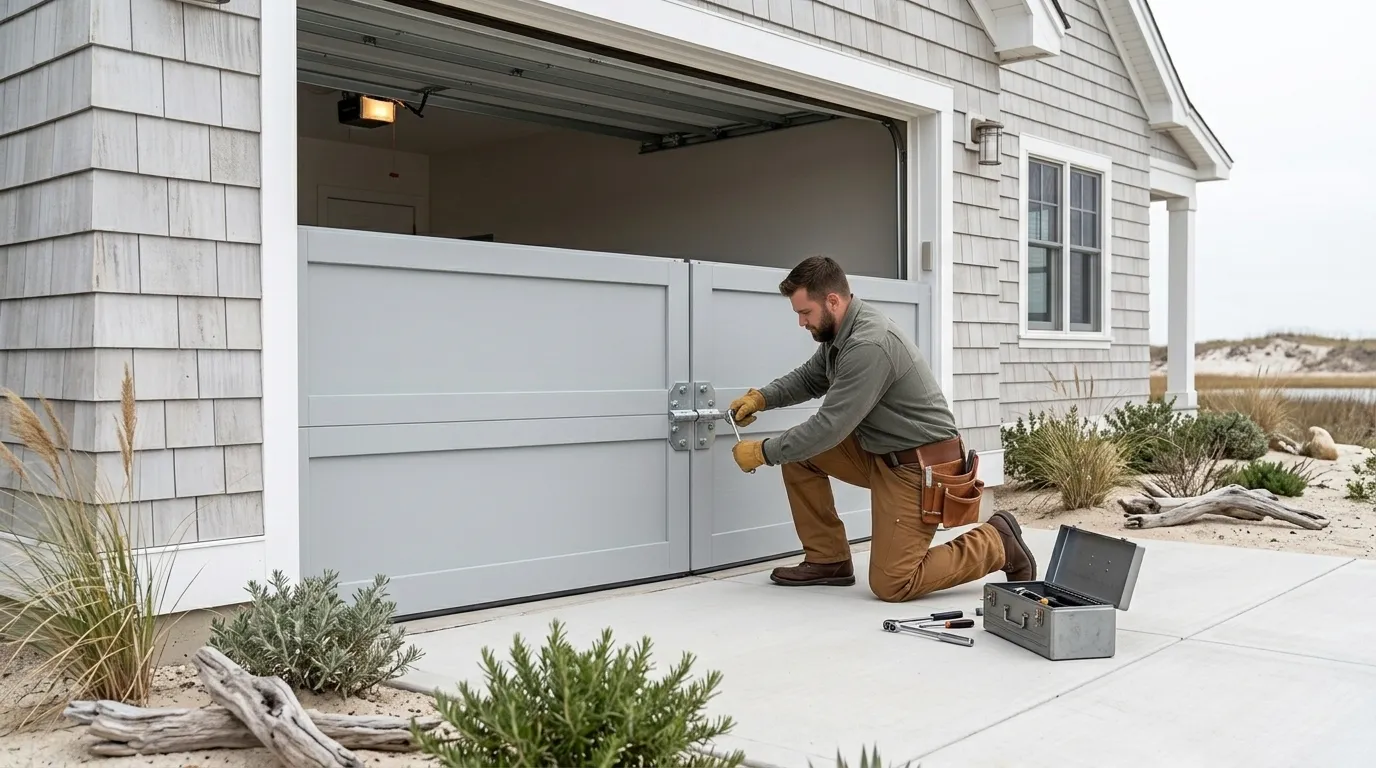
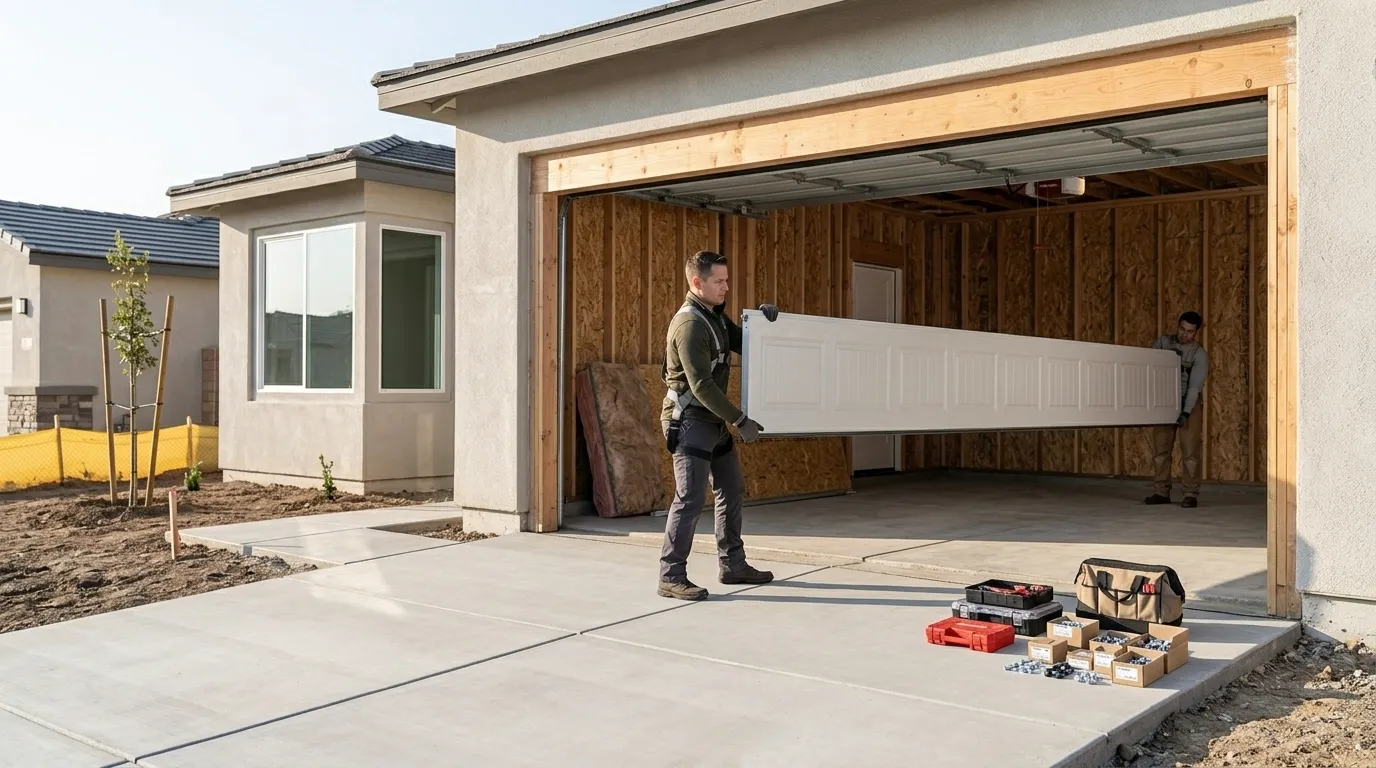
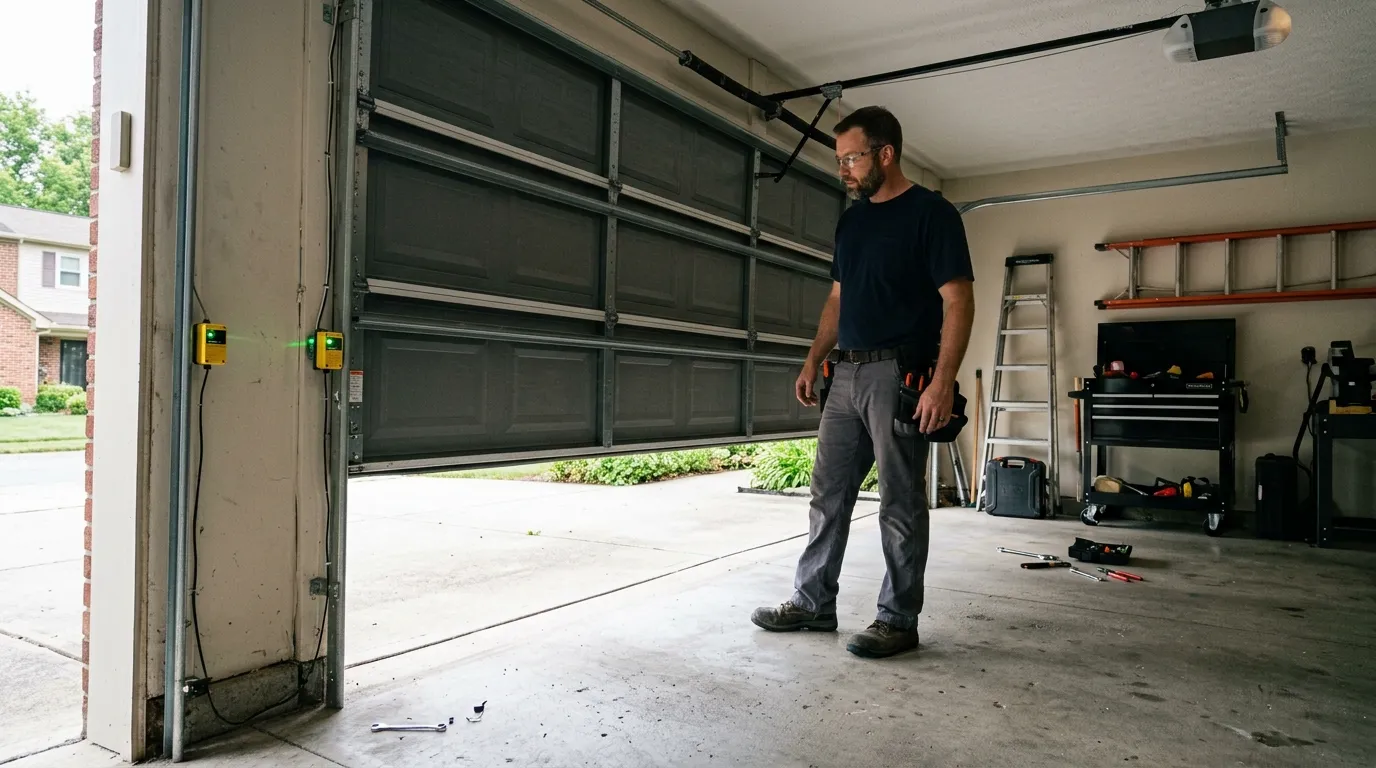
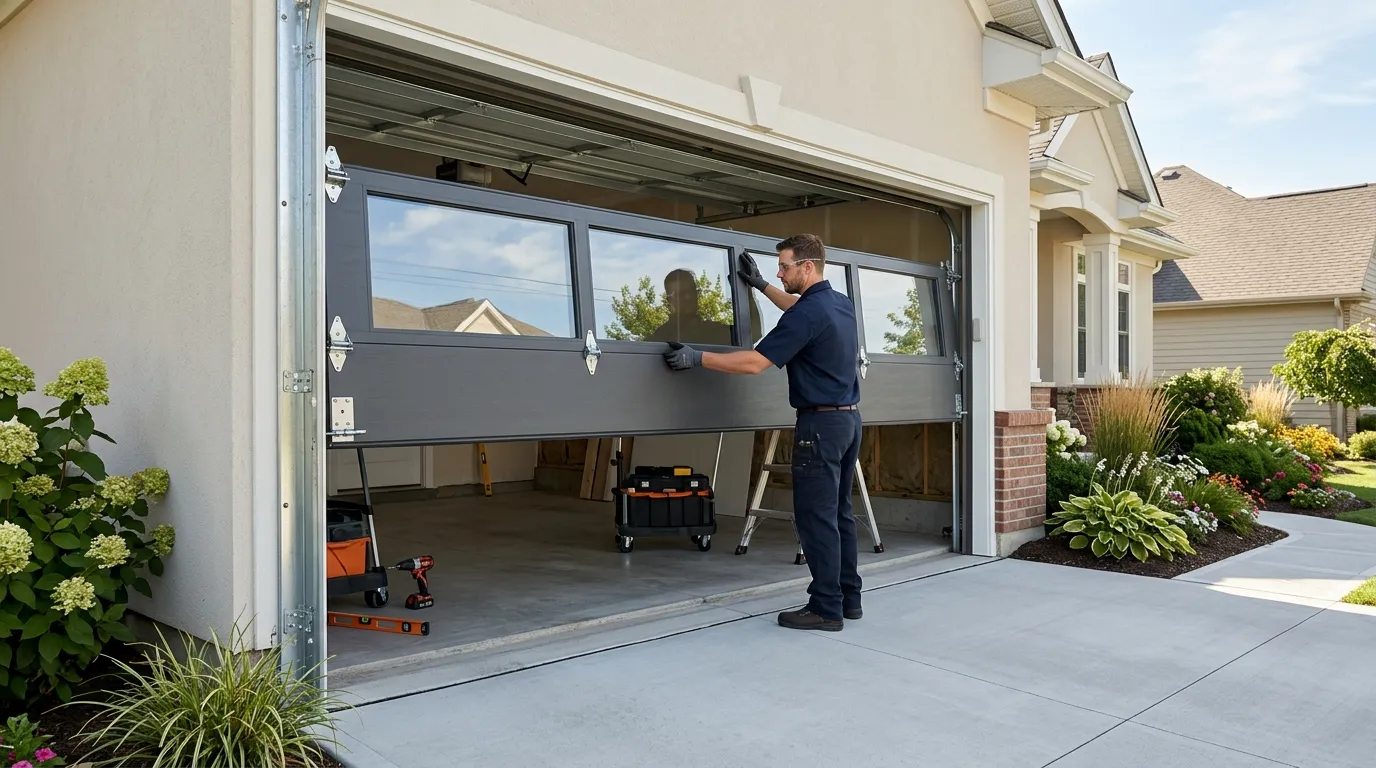
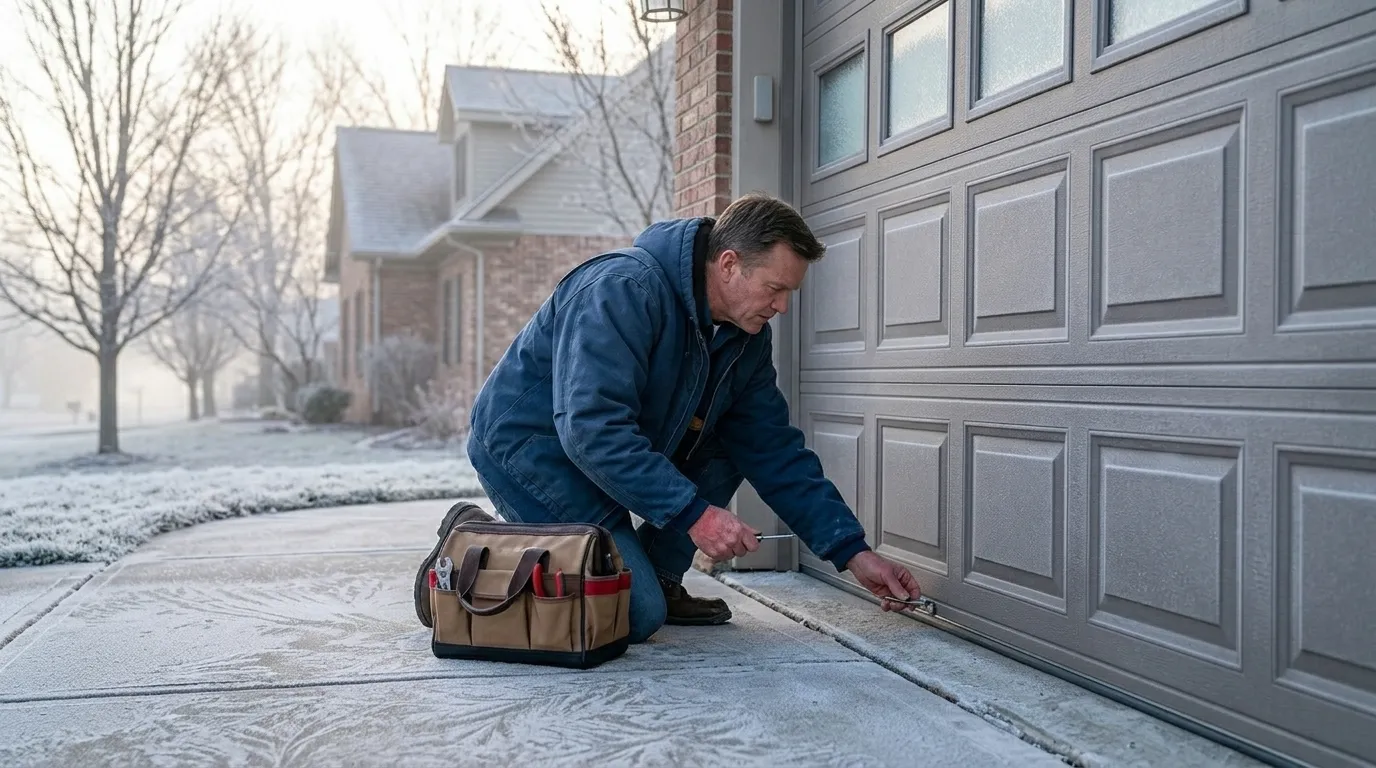
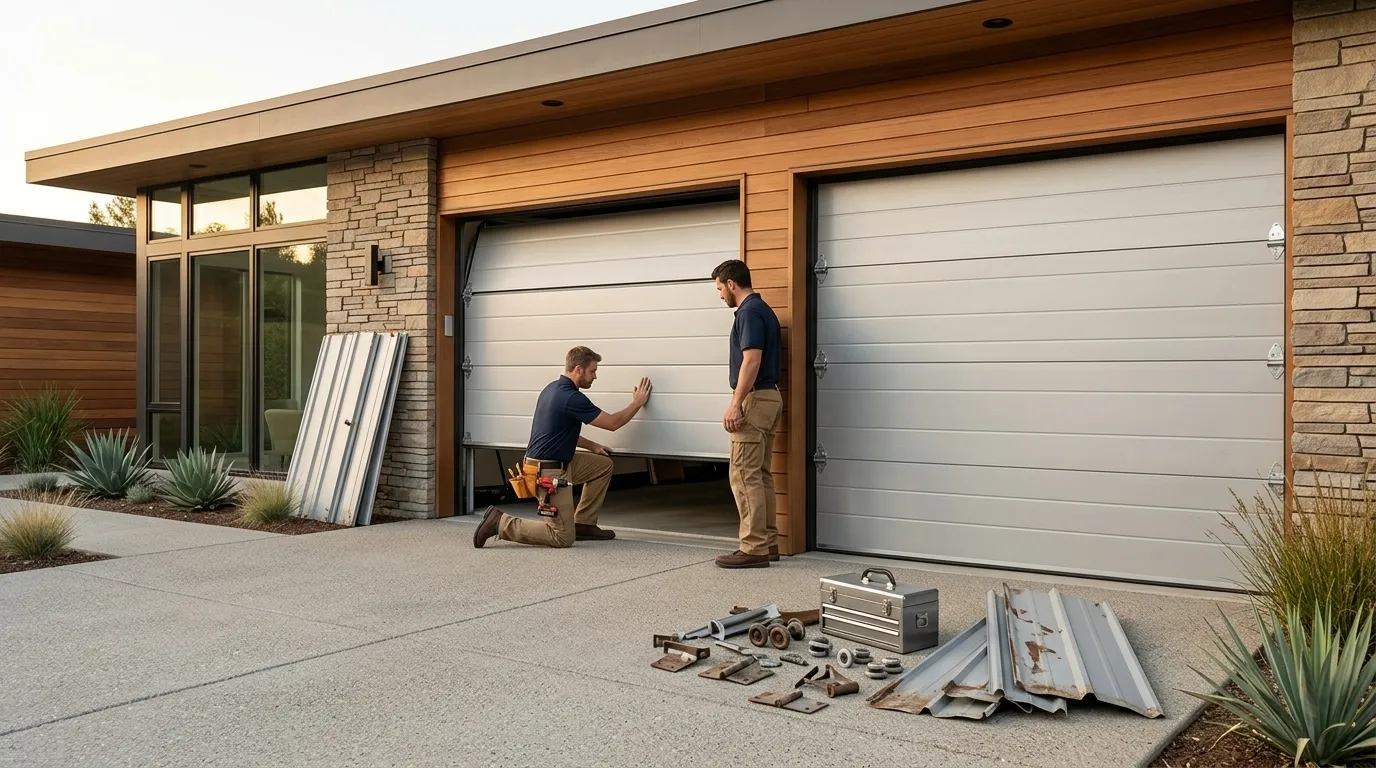
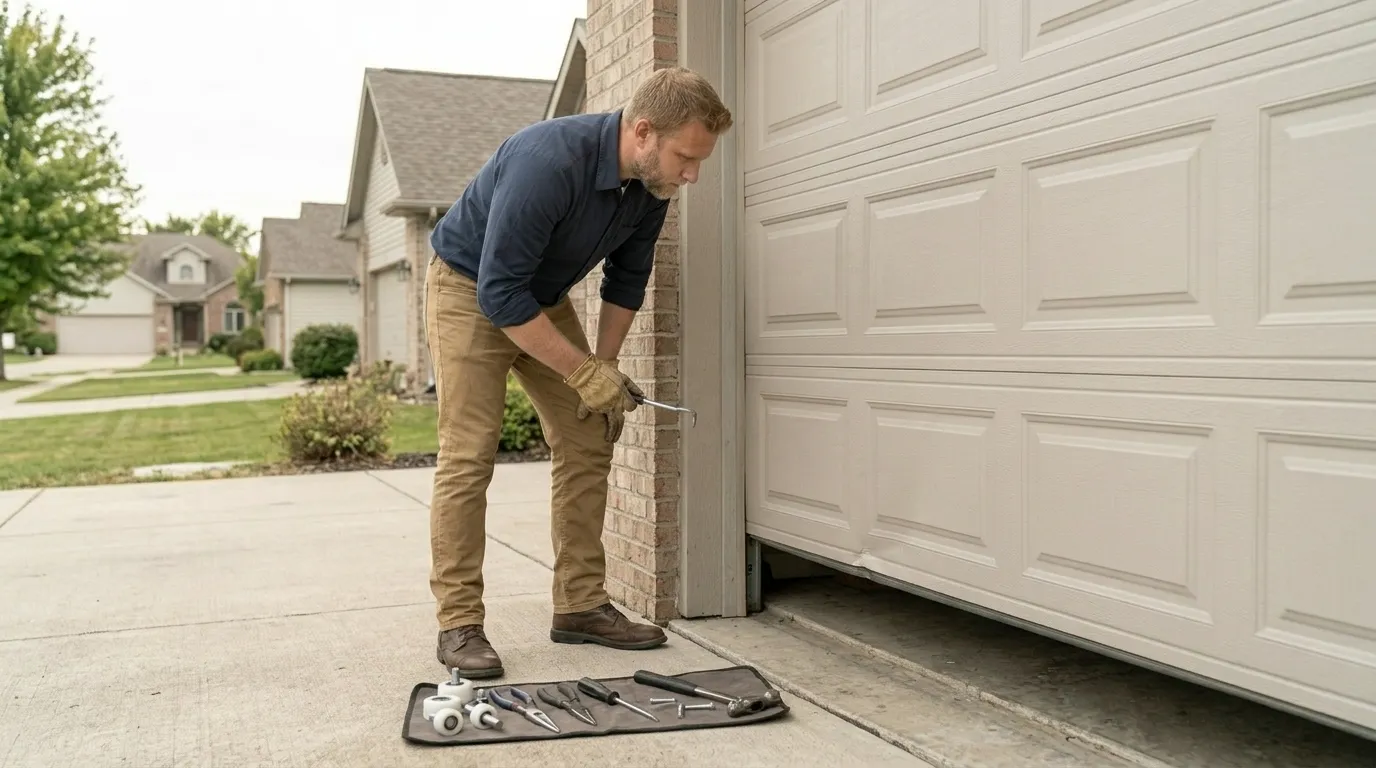
A 1967 build year usually means one of two setups, either an original extension-spring system that's been patched over the decades, or a torsion conversion someone did later without upgrading the track to match. Both show up as noisy, uneven doors that stick a few inches off the floor or slam the last foot on the way down. Panels from this era also run narrower than what's sold today, so a cracked or dented section can't just be swapped for a stock replacement off a shelf - it sometimes has to be matched or the whole door replaced. Colorado's cold climate band adds its own wear: steel springs cycle harder in low temperatures, and older extension springs without safety cables are the ones we see snap first. We won't pretend every door out here is a lost cause - plenty of these units have been maintained well and just need a spring or roller service. But when the drum or track is original to 1967, patching around it usually costs more over two years than replacing it once.
Old Streets and New Ones
This area sits close in, only about 10 miles up from Colorado Springs, with neighbors like Cimarron Hills three miles off and Northgate ten miles to the northwest marking the edges of newer growth pushing toward it. The older core near the Academy holds the 1967-era housing stock; newer infill has filled in some of the gaps since, which means a single street can have a 1960s door on one side and a garage barely ten years old on the other. That mix matters for parts. On an older block, we're often measuring for a discontinued panel width or an obsolete opener chain drive. A few doors down, it's a standard modern opener needing a sensor alignment or a keypad swap. We don't guess which one we're walking into - we ask the age of the house before we load the truck, because the two jobs need different parts entirely.
What We Do Most in This Area
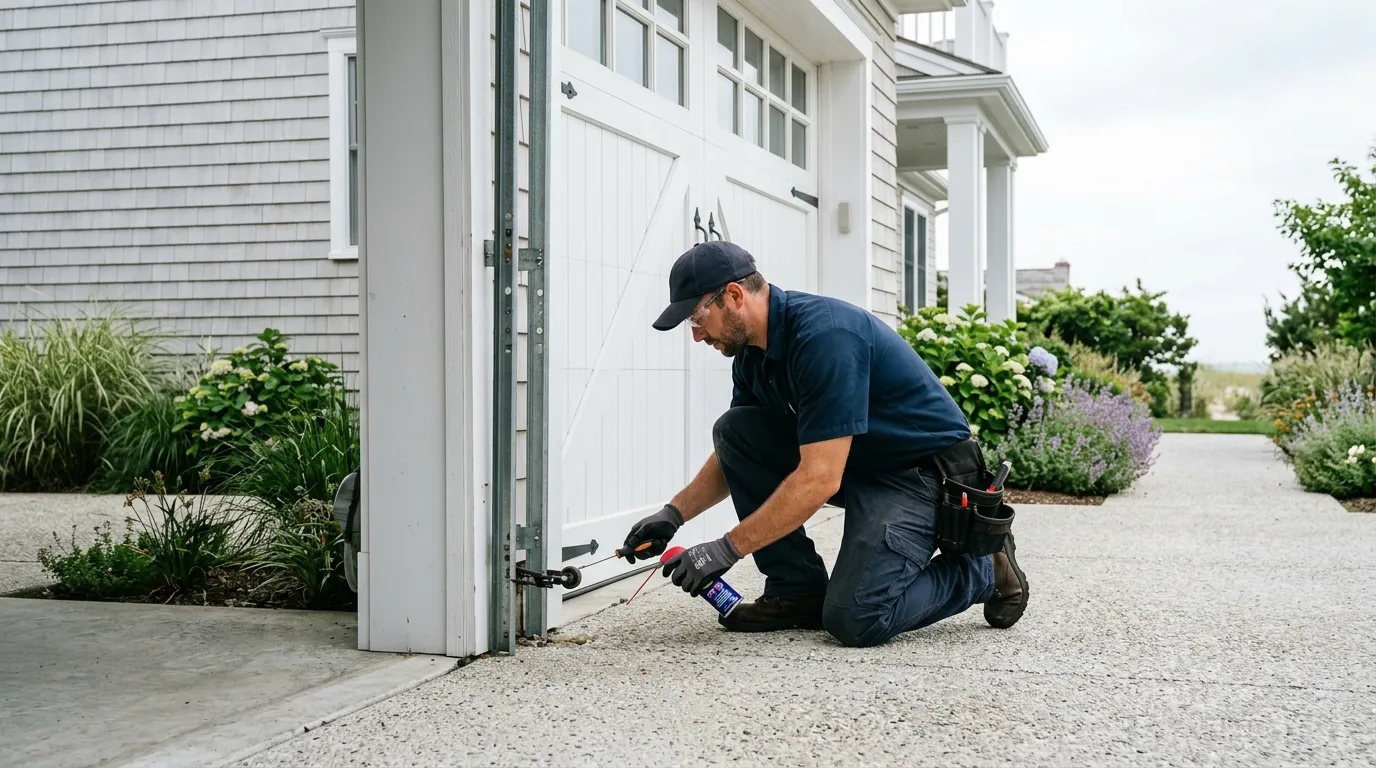
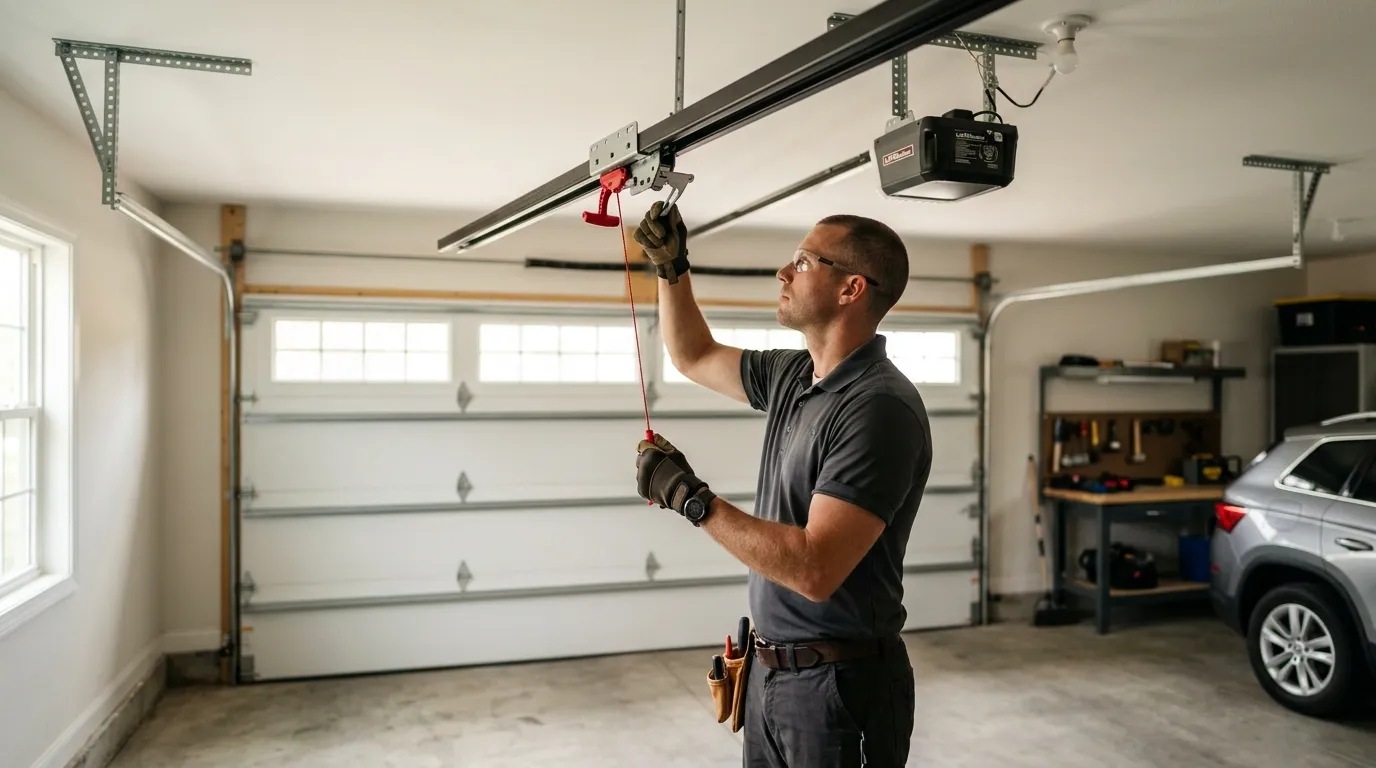
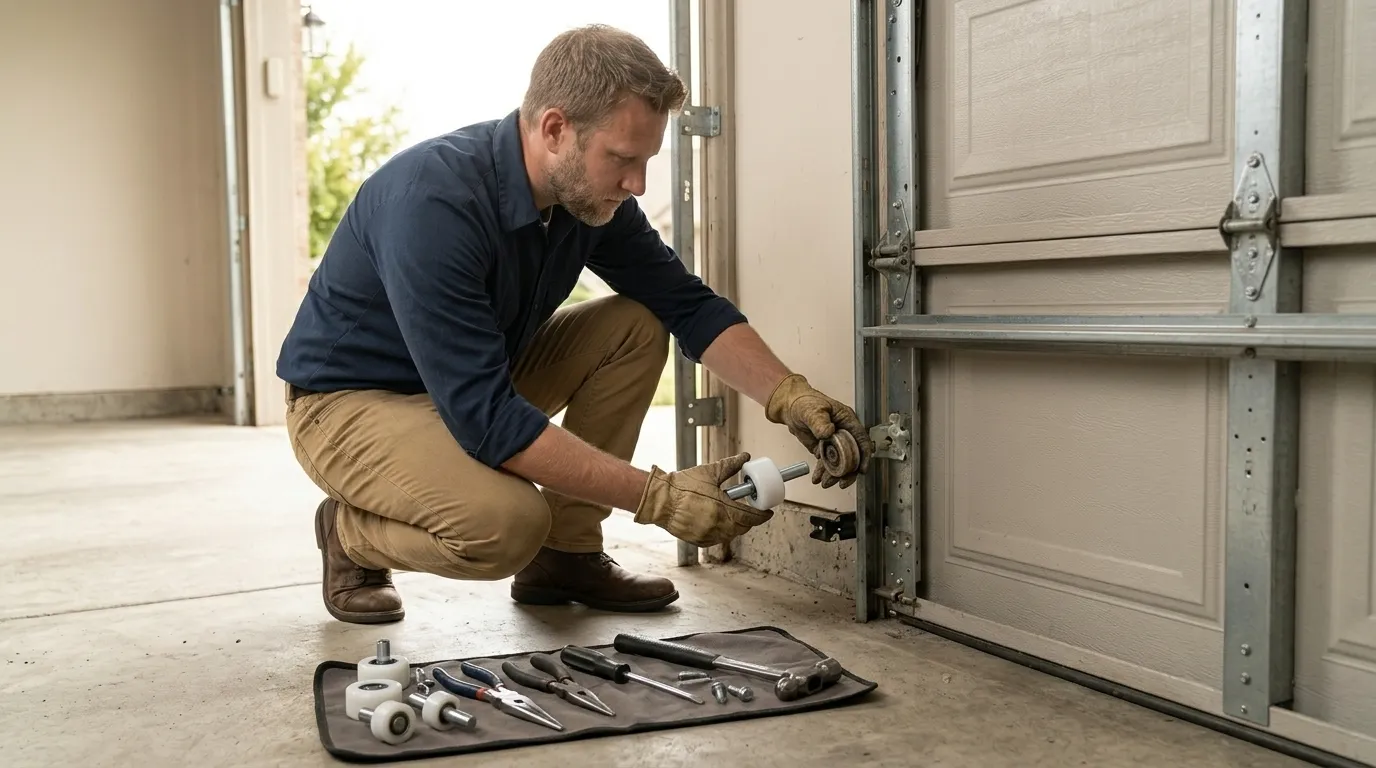
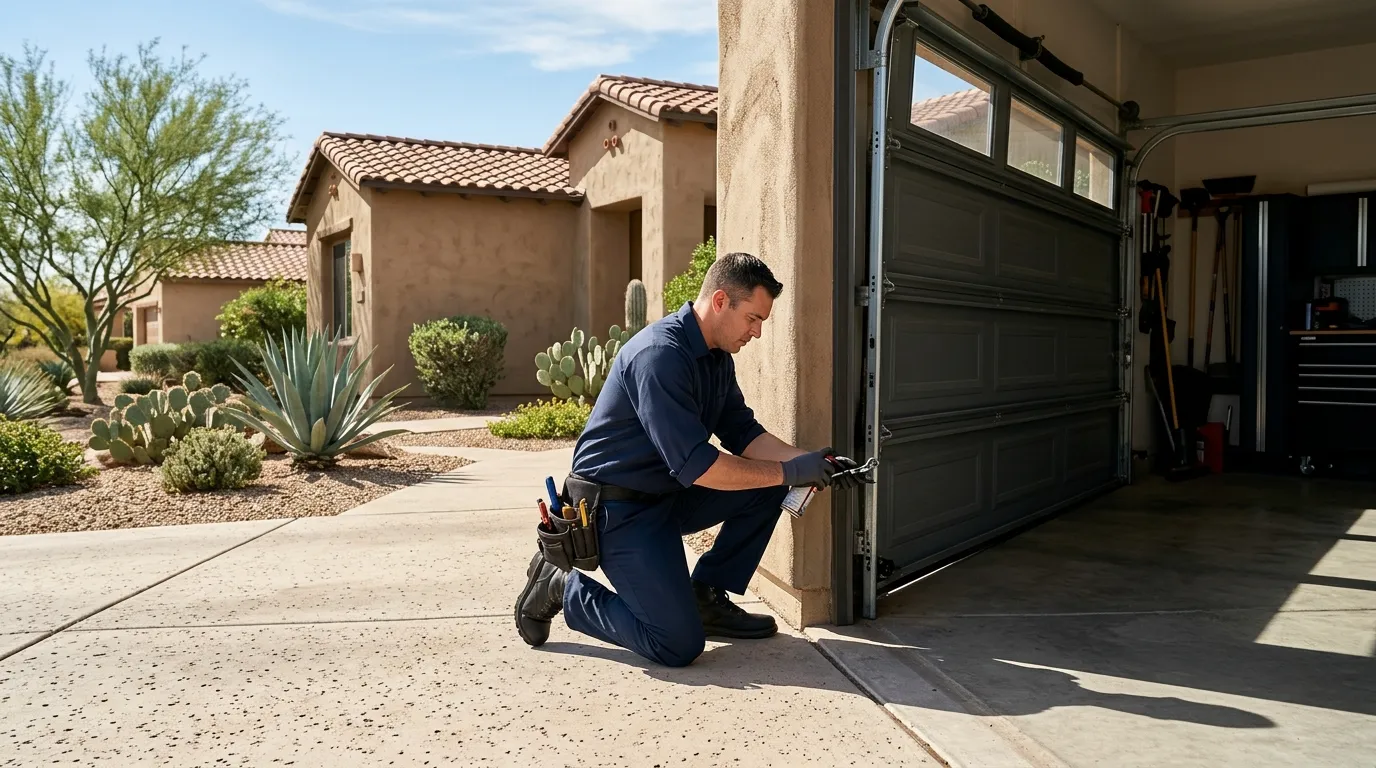
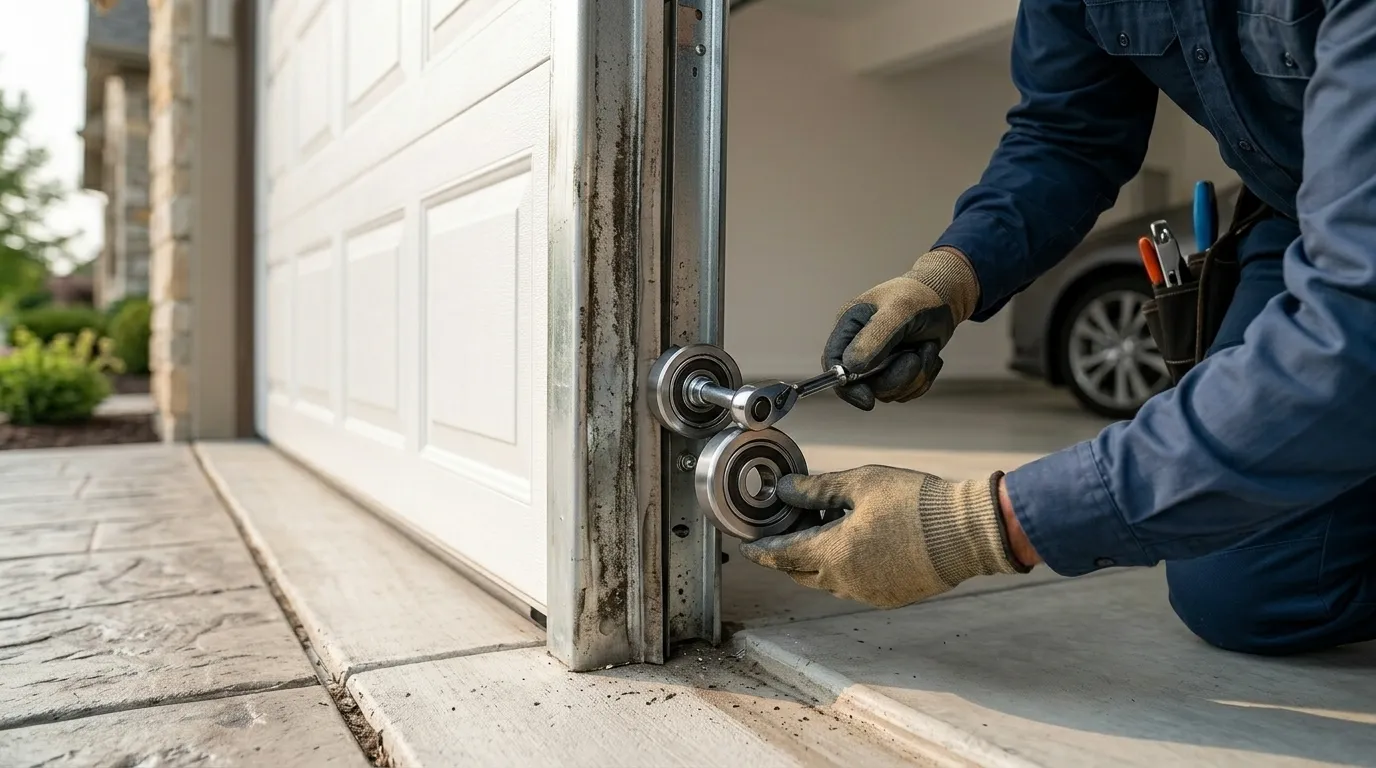
Torsion and extension spring replacement leads the call list out here, tied directly to the age of the housing stock and the extra cycling that comes with a severe cold climate. Opener repairs come next, usually chain-drive units original or close to original to the house, where the gear kit has stripped or the logic board has finally given out after years of temperature swings. We also get a fair number of track and roller jobs on doors that were never upgraded from steel rollers to nylon, which run louder and wear the track faster. One honest limit: we travel out from Colorado Springs for every call here, there's no local depot, so parts that aren't already on the truck can mean a return trip rather than a same-visit fix. For a discontinued panel from a 1960s-era door, that lead time is sometimes a day or two, not an hour.
How it works
From “it’s stuck” to “it’s fixed”
01
Tell us what’s wrong
Describe the symptom - won’t open, loud bang, opener runs but the door won’t move.
02
On-site diagnosis
A technician tests the door under power and by hand and finds what actually failed.
03
Clear, up-front plan
You get the fix that’s needed and what drives the cost - before any work starts.
04
Repaired & tested
The repair is done, the door is set true and tested, and the work area left clean.
Serving Colorado Springs, CO - tell us what your door’s doing and we’ll take it from there.
Why does my garage door look older than the house next door?
If your home dates to around 1967, which is common in this area, the original garage hardware often outlasted a few owners before anyone touched it. Newer infill construction nearby can be a decade or two younger, so two houses on the same block can have very different door ages and very different parts needs.
Do you keep parts on hand for older doors out here?
We carry common spring and roller stock on the truck, but a discontinued panel width or an obsolete opener chain drive from a 1967-era door sometimes has to be sourced after we've seen the job. We won't invent a same-day fix if the part isn't something we carry.
Is it worth repairing a door this old or should I just replace it?
Depends what's failing. A spring or roller swap on a well-kept original door is usually worth doing. If the track is bent, the panel is narrower than anything made today, and the opener is on its second gear kit, replacement often costs less over a couple of years than repeated patch jobs.
How far out do you travel for a service call here?
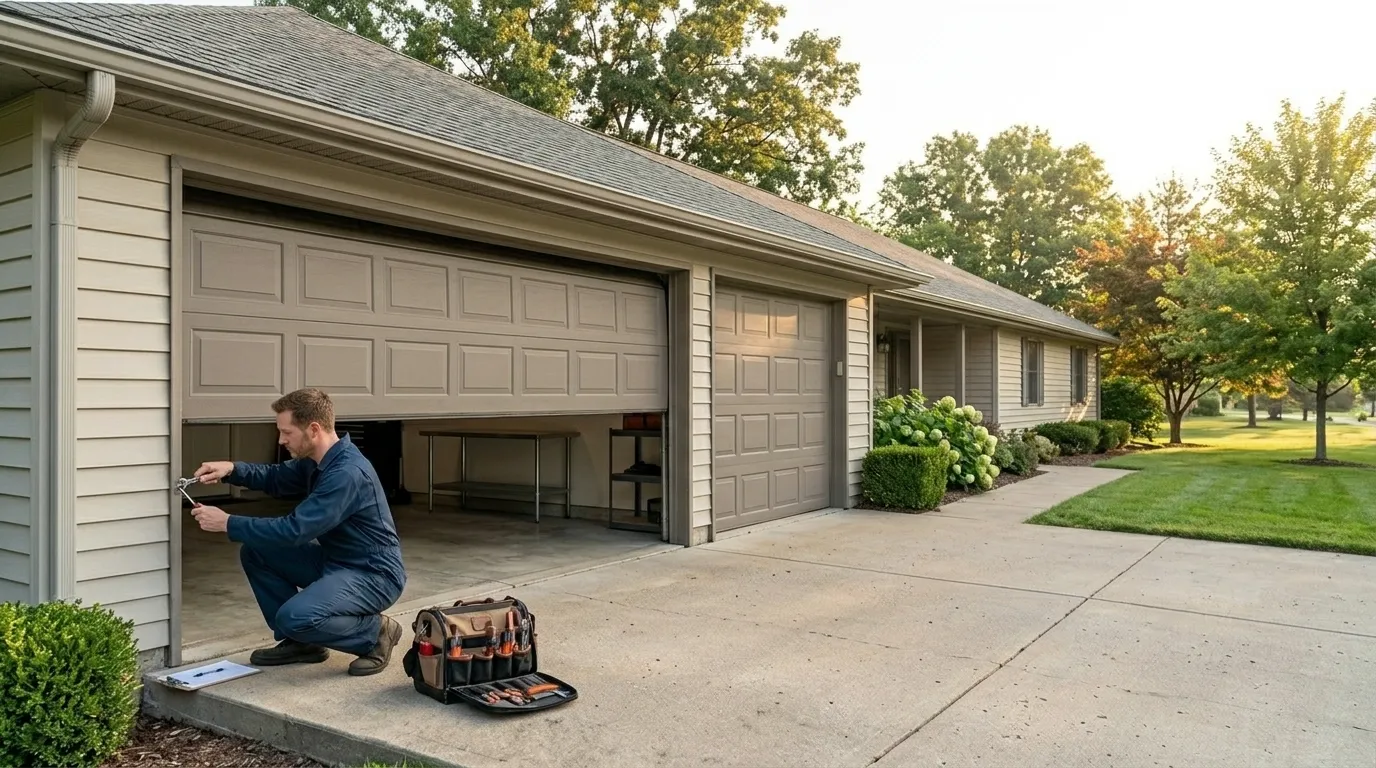
About 10 miles from Colorado Springs. There's no depot in Air Force Academy itself, so every job comes from a truck loaded ahead of time based on the age of the house and the type of door you've described to us on the call.
Ready to get your garage door sorted?
Tell us what it’s doing and where you are in Colorado Springs - we’ll take it from there.