How That Shows Up in the Door
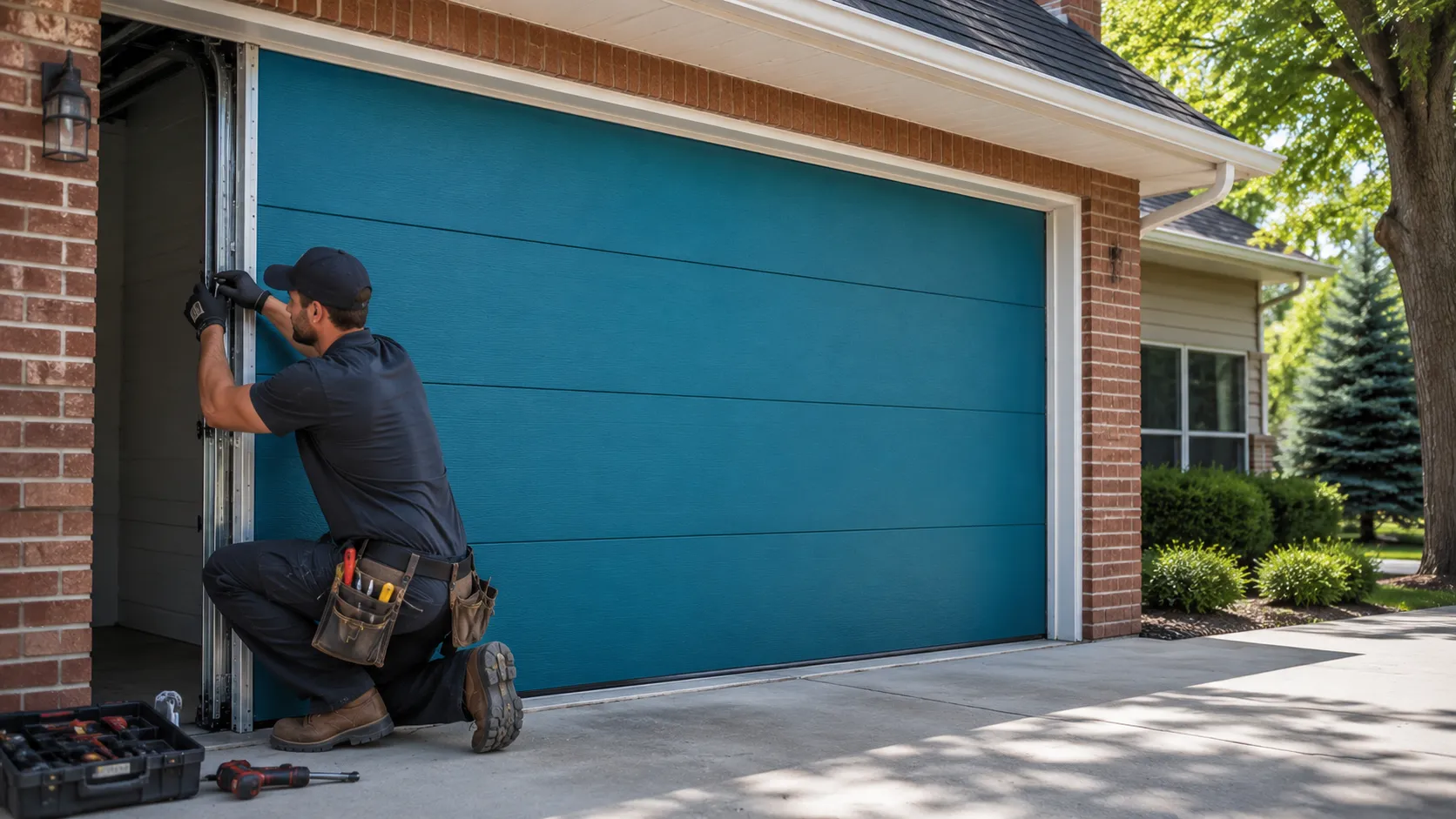
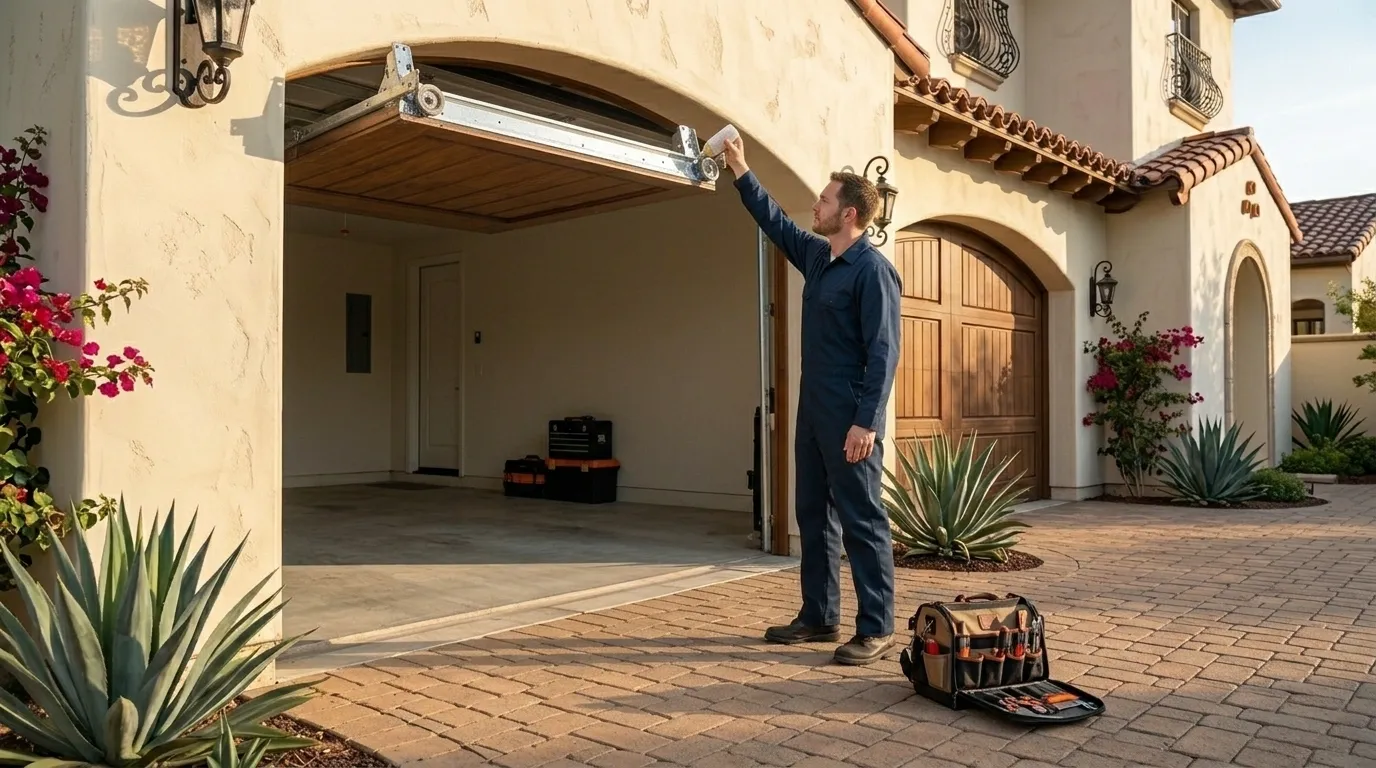
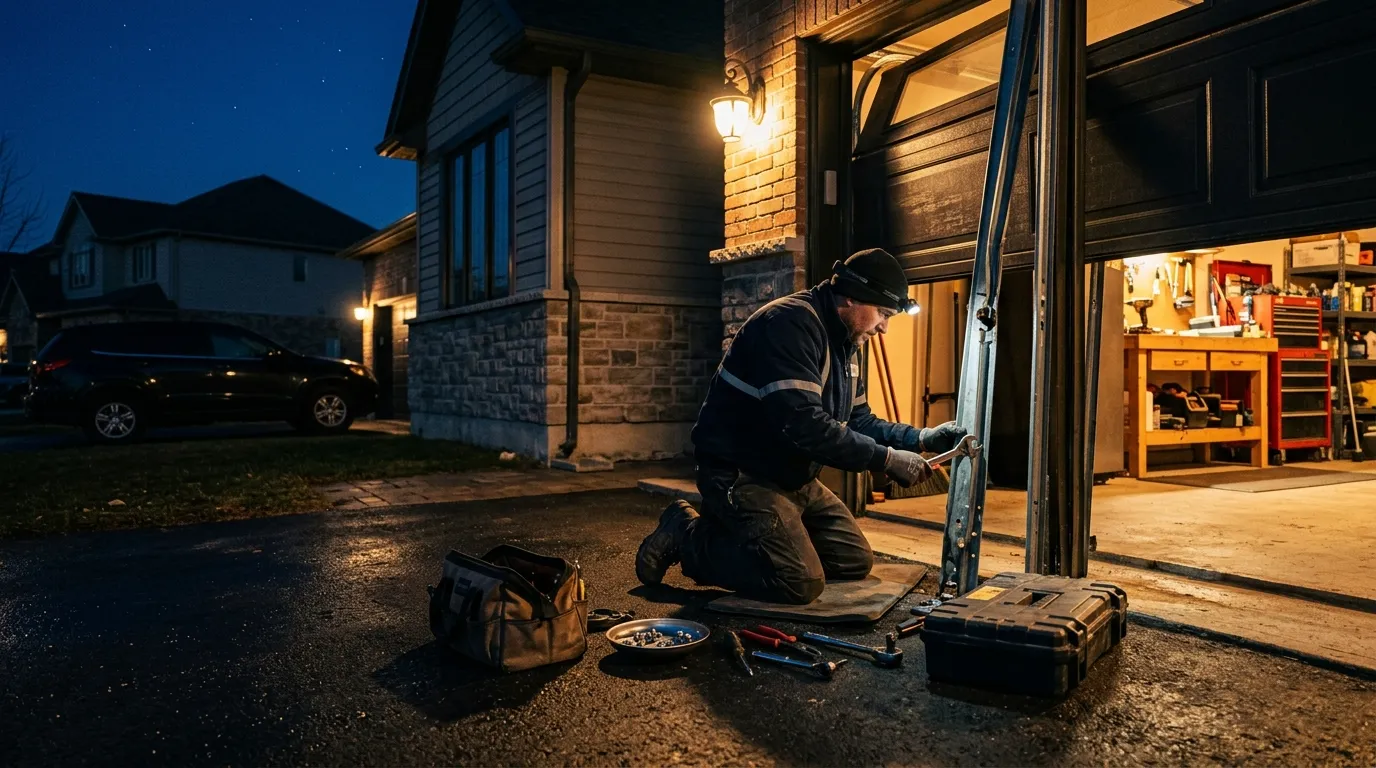
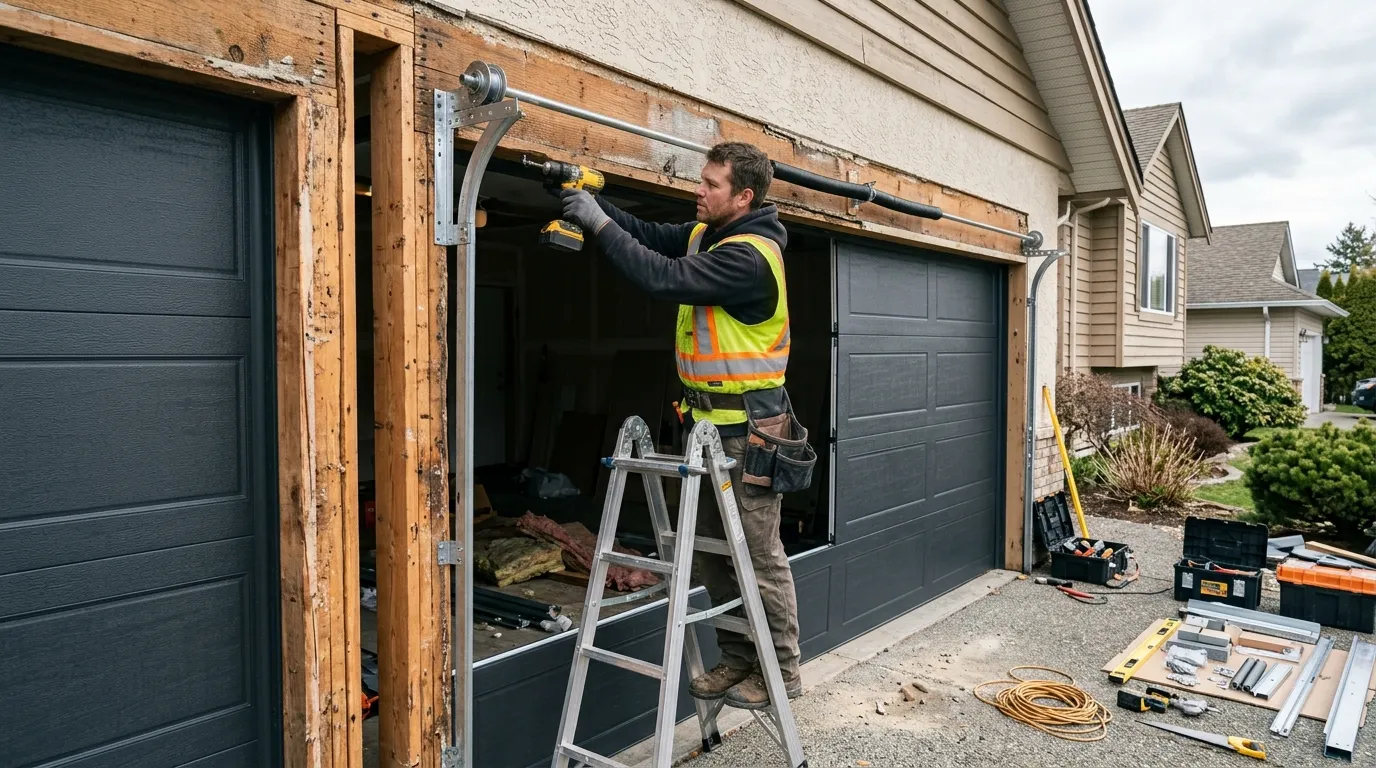
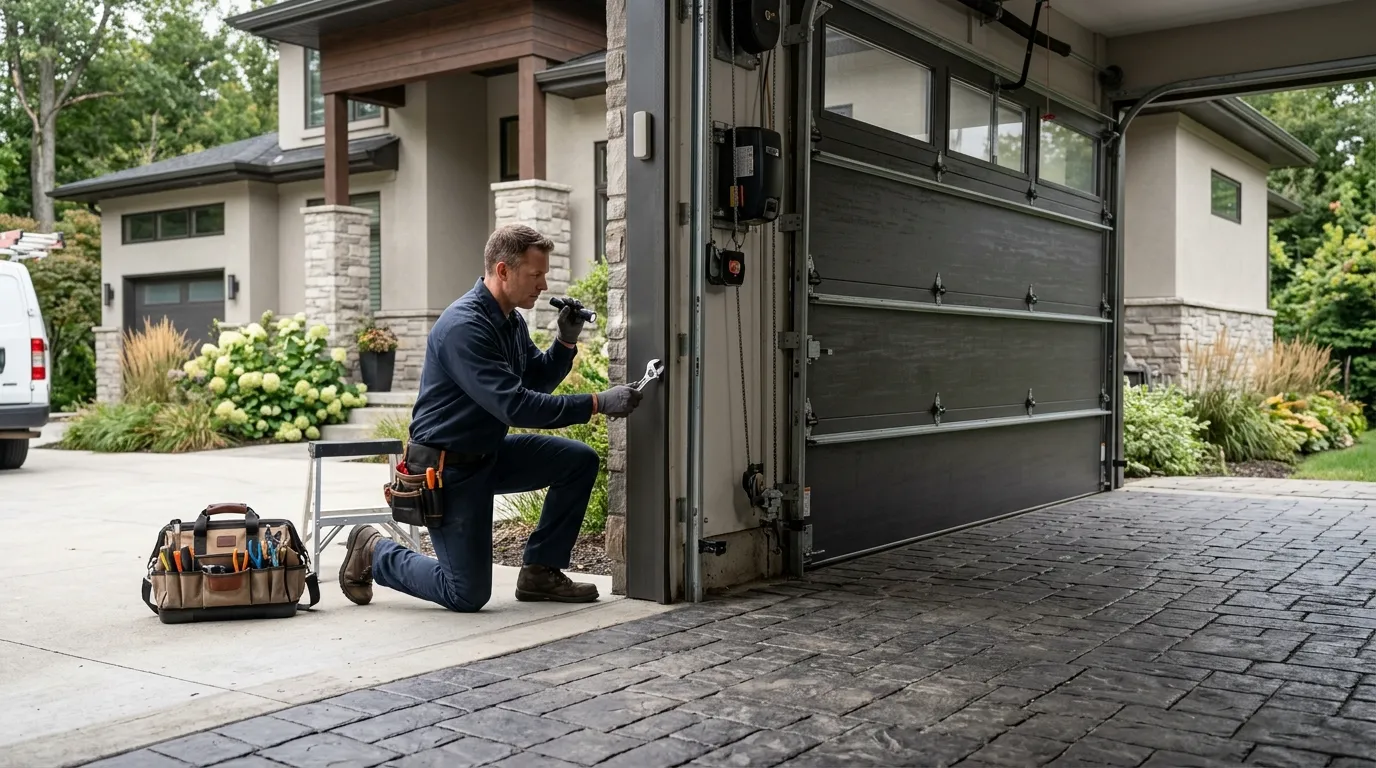
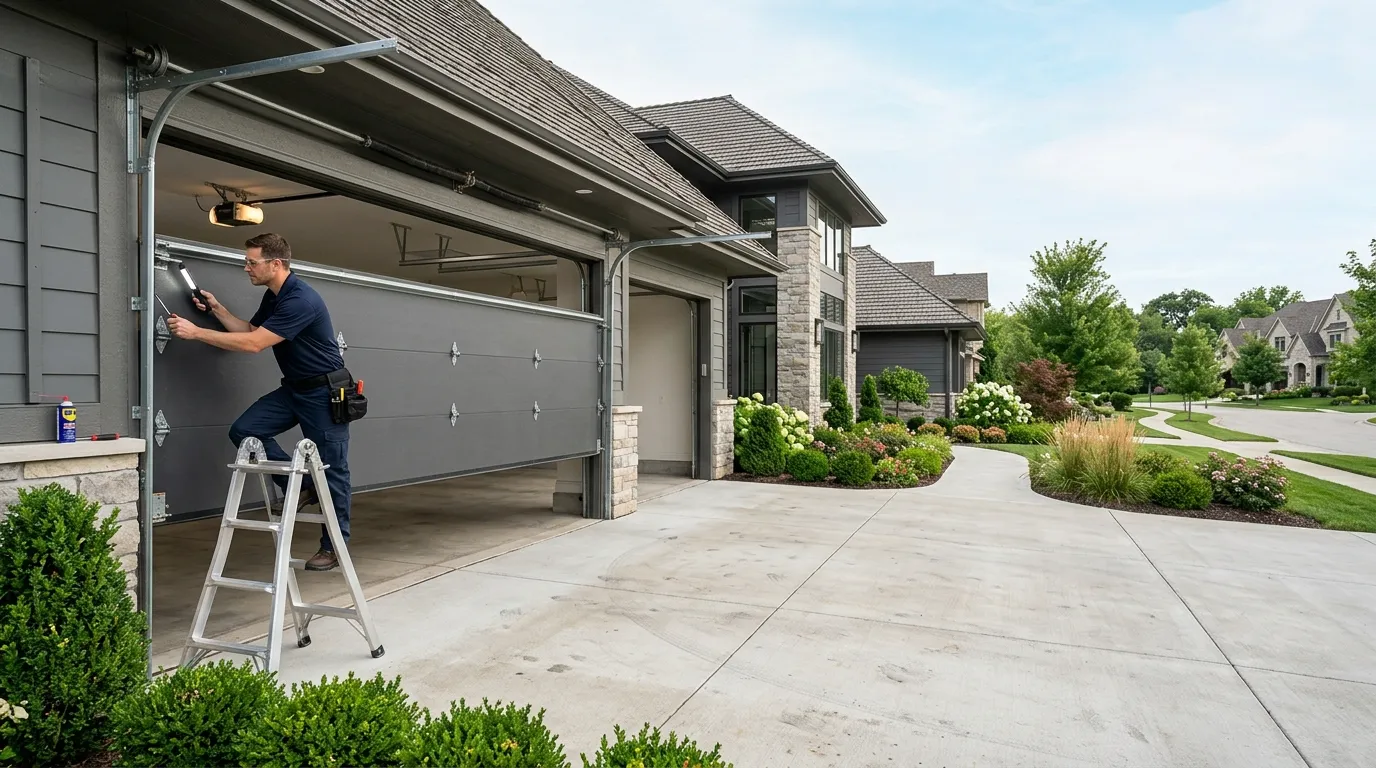
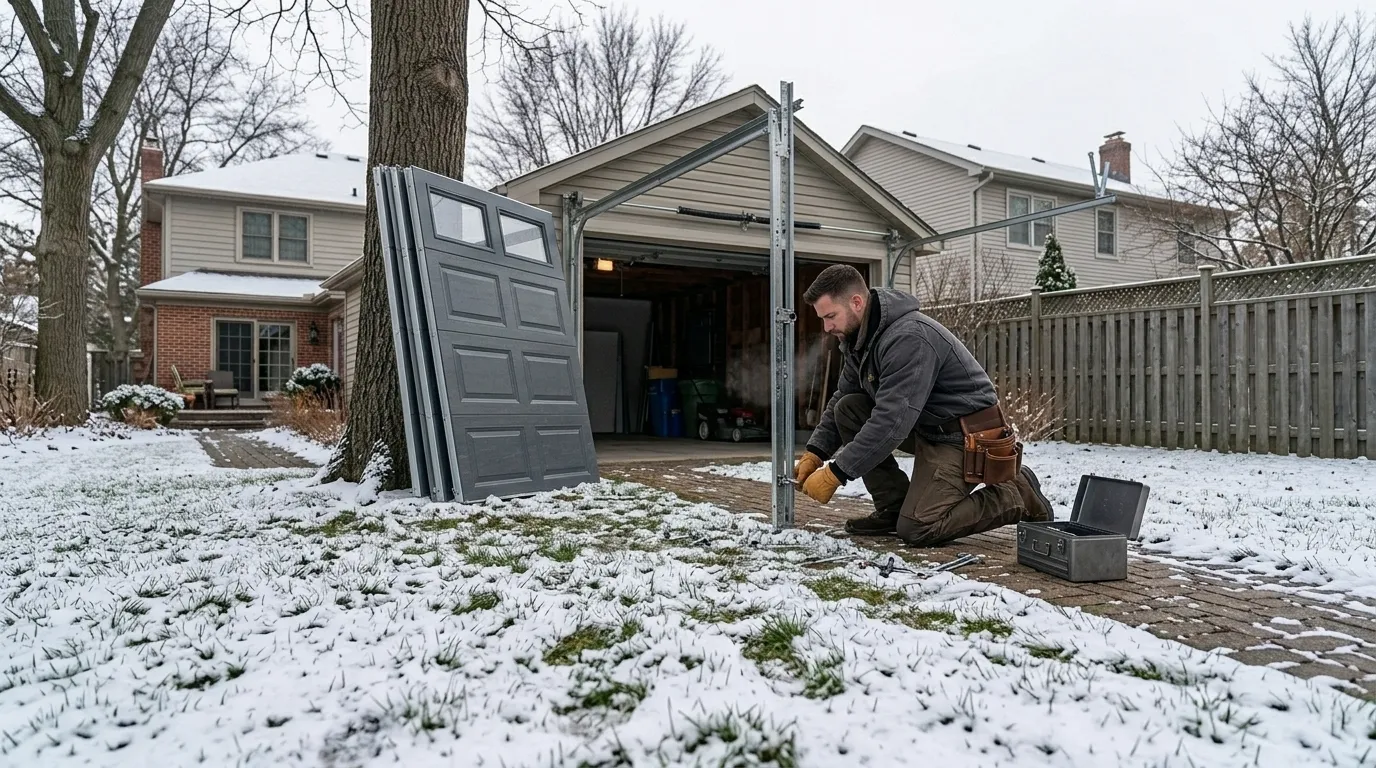
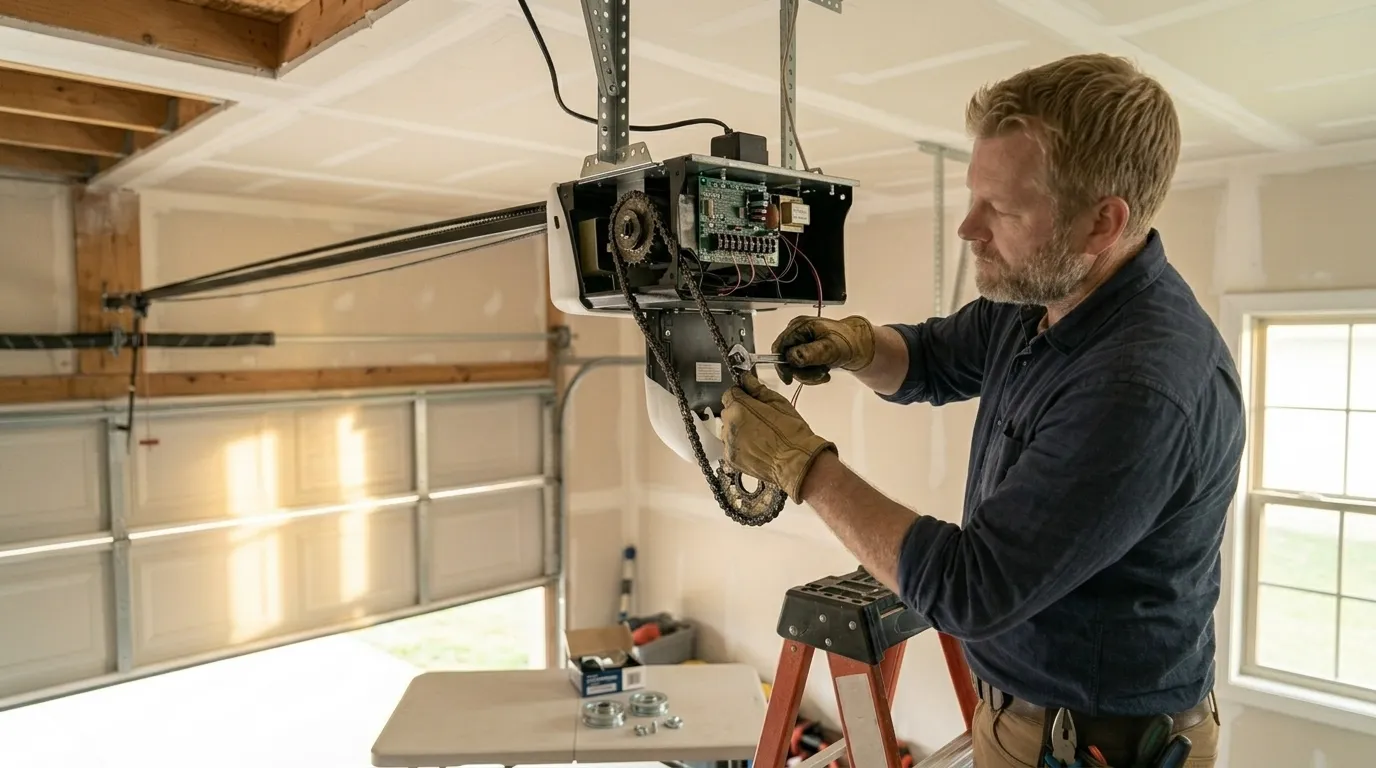
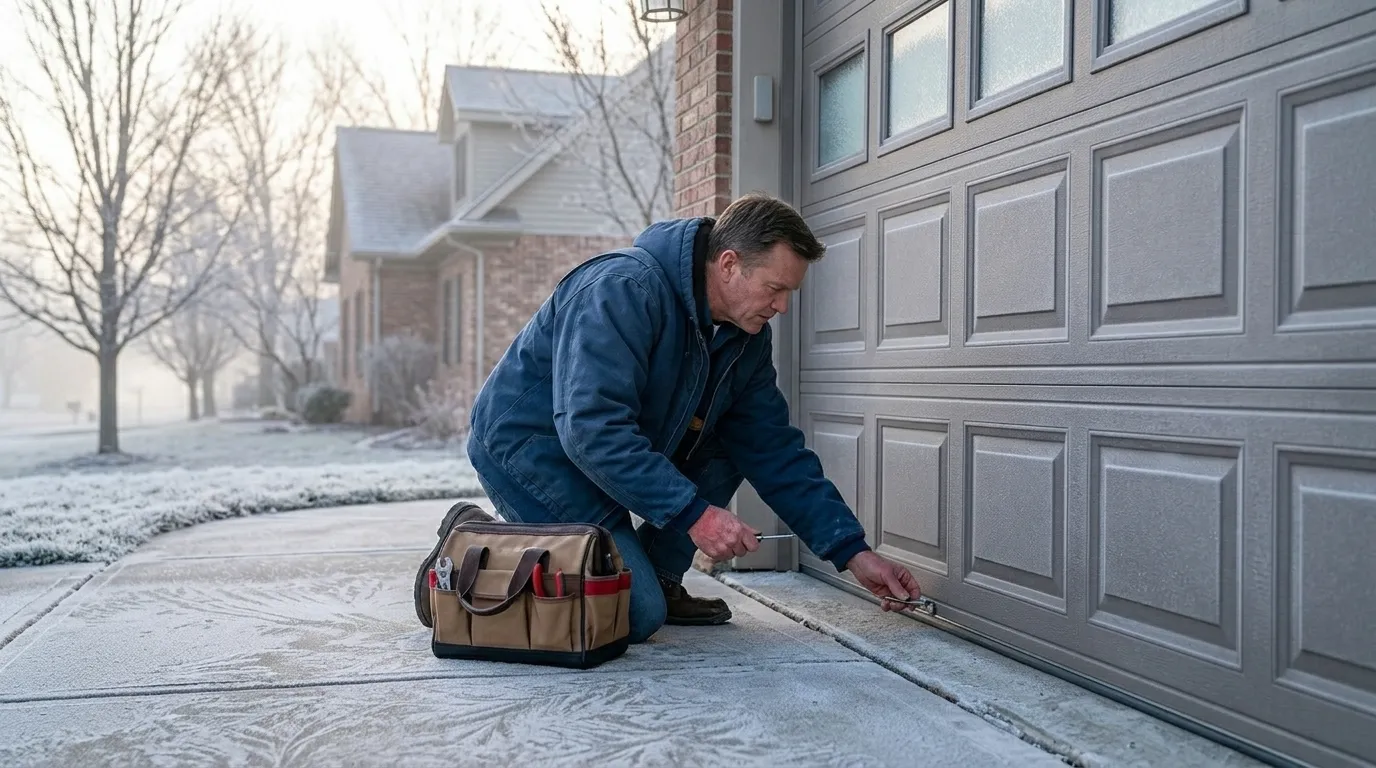
A door installed around 1988 in a town like this usually came with a chain-drive opener, a single receiver for the remote, and steel torsion springs rated for maybe 10,000 cycles. Thirty-plus years and a couple thousand open-close cycles later, that spring is due or overdue, and the opener's logic board and drive gear are past their reasonable service life even if the motor still runs. The severe cold here doesn't help - stiff old grease, brittle nylon rollers, and a chain that's stretched enough to slap the rail on cold mornings are common in doors of this vintage. We also see galvanized cable starting to fray at the drum on doors that have never been serviced, since routine spring and cable maintenance wasn't as standard a sell in the late 80s as it is now. None of this is unique to any one house - it's what happens to a door built to 1988 specs that's still doing daily work three decades on.
Old Streets and New Ones
Palmer Lake doesn't split neatly into an old core and a new subdivision the way some Front Range towns do - the 1988 median build year tells you the town largely grew up together, in one era, rather than in waves decades apart. That's different from parts of the broader Colorado Springs area, where you can drive a few blocks and go from a 1950s slab-on-grade to a 2000s two-story with a completely different door and opener setup. Here, the hardware is more consistent house to house: similar spring sizes, similar opener brands from that period, similar track configurations. That consistency is useful when we're pricing a job over the phone, because it narrows down what we're likely dealing with before a truck ever leaves Colorado Springs for the 19-mile drive out. It doesn't mean every door is identical - additions, replacements, and upgrades over the years mean some homes already have newer torsion setups - but the baseline age of the housing stock gives us a starting point most towns this size don't offer as cleanly.