Where This Job Goes Sideways
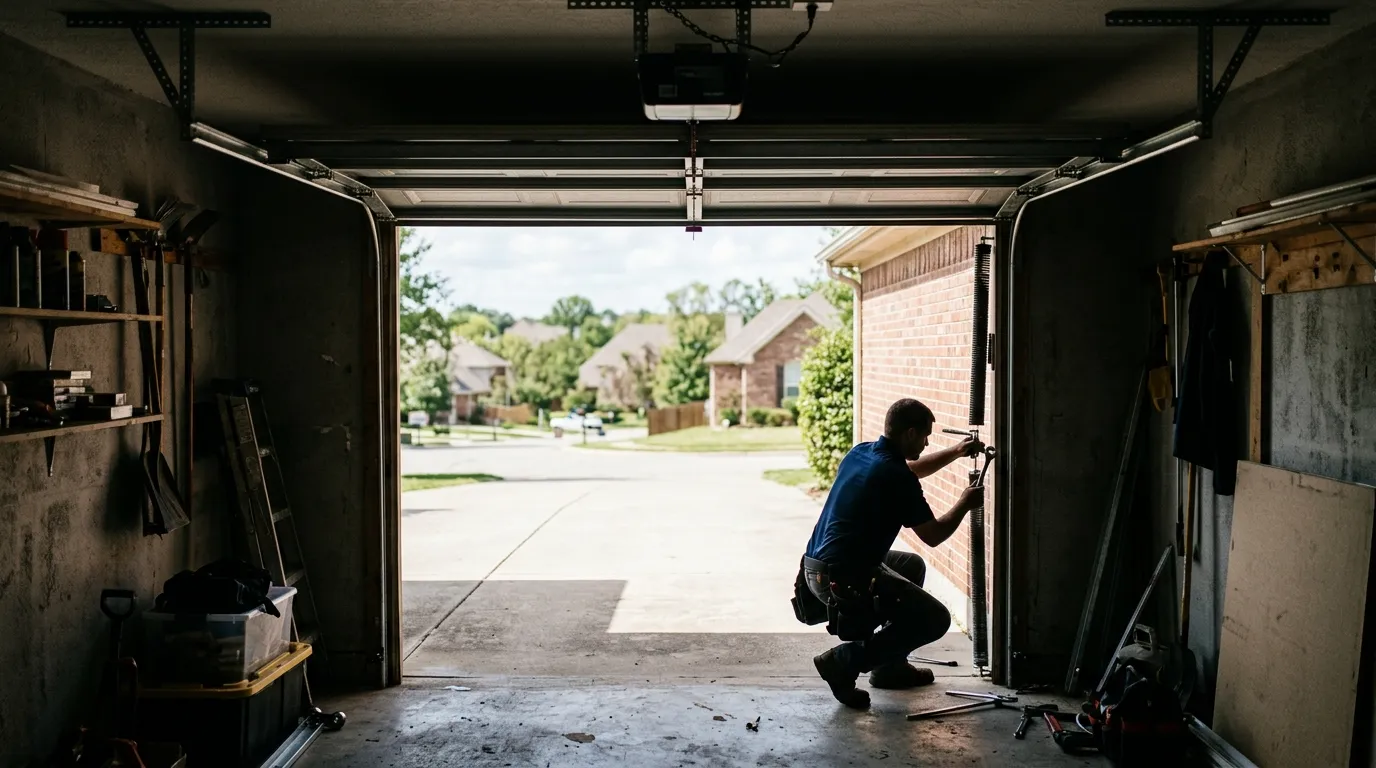
The most common mistake on a job like this is installing the opener before checking whether the spring set still matches the door. On a heavier insulated door from the 90s build wave, if the torsion spring was ever replaced with a lighter-duty spring - which happens when someone reorders by size instead of by weight - the new opener has to fight the imbalance every single cycle. That shortens the life of the drive gear and the belt or chain fast, sometimes inside a year.
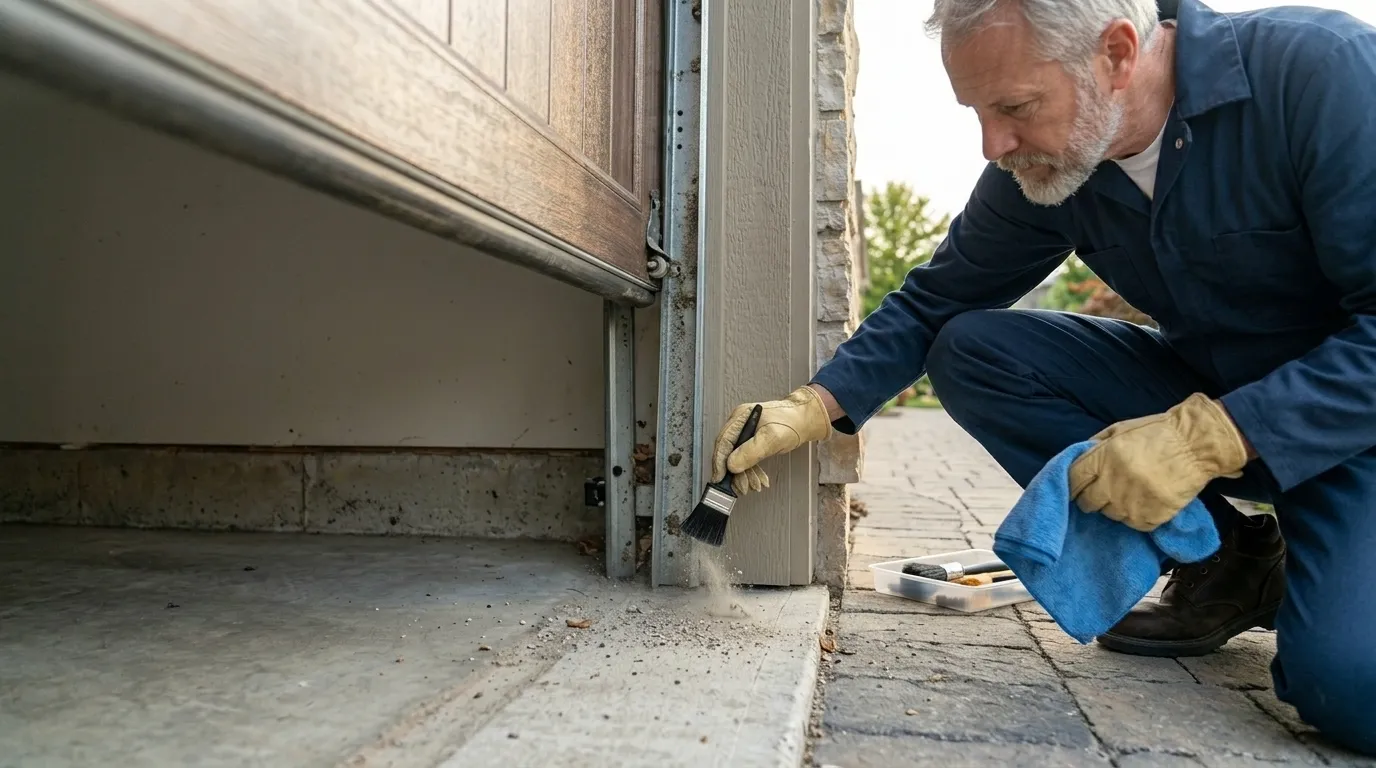
Colorado's cold season is another factor we don't skip. Garages out this way sit unheated for most of the winter, and cold-soaked grease in an old opener's gearbox is a common reason people think they need a new unit when the real issue is a fifteen-year-old tube of lubricant. We test lift under cold conditions, not just in a warm shop, before we call a unit good or bad.
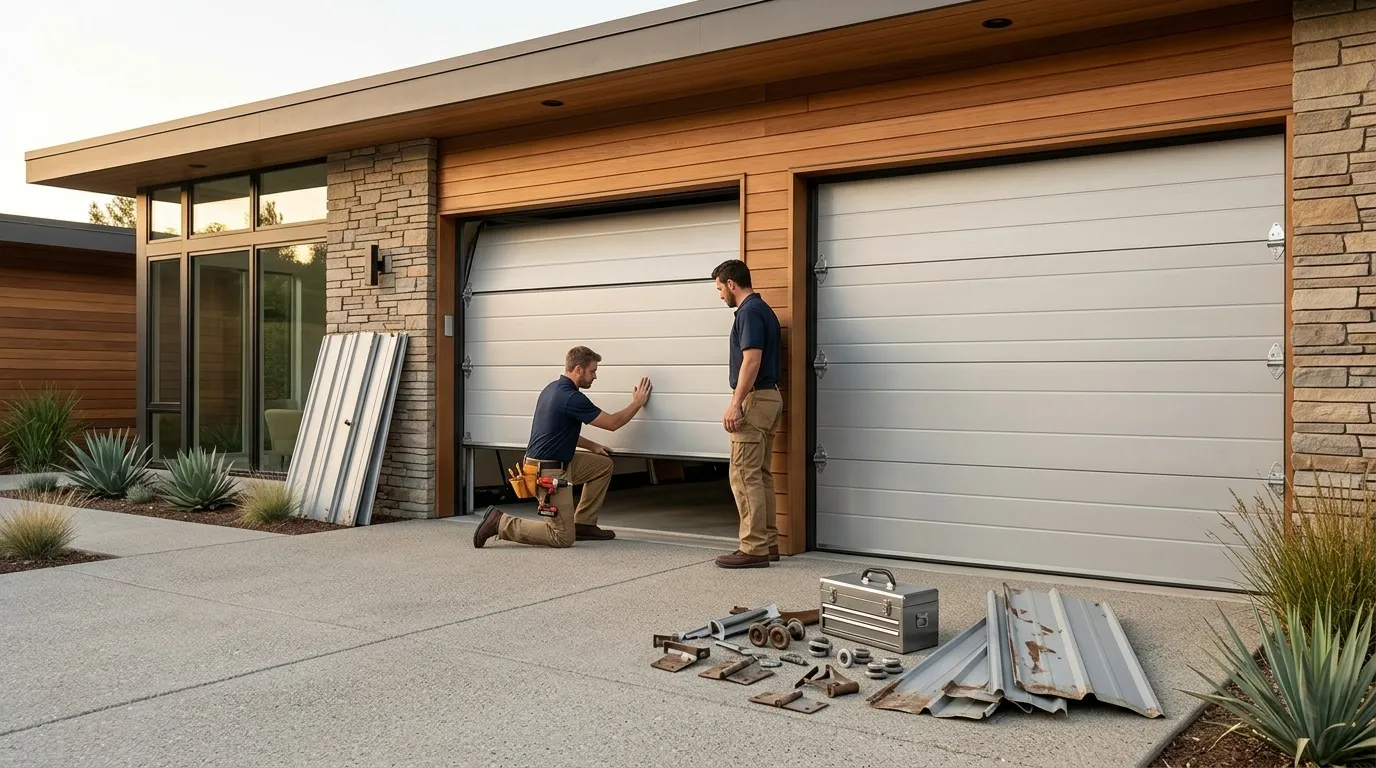
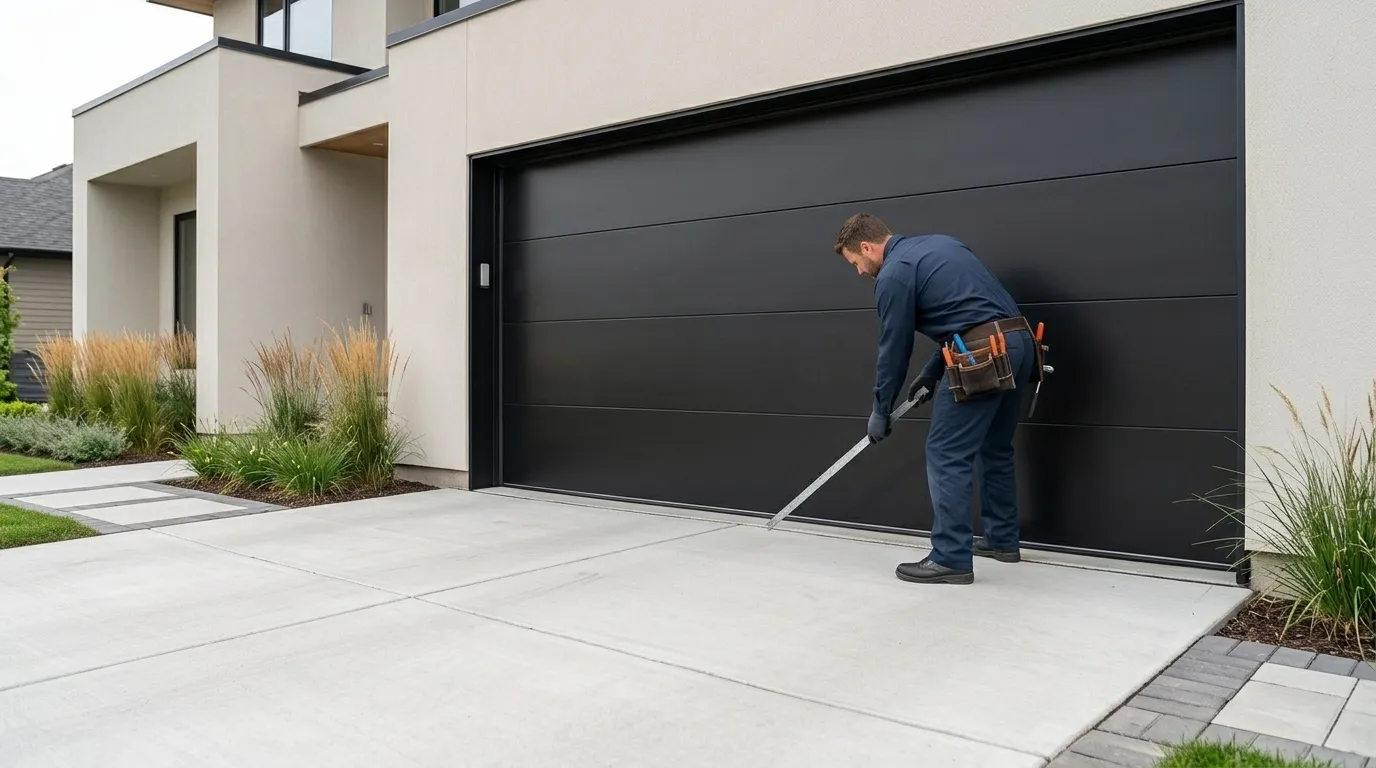
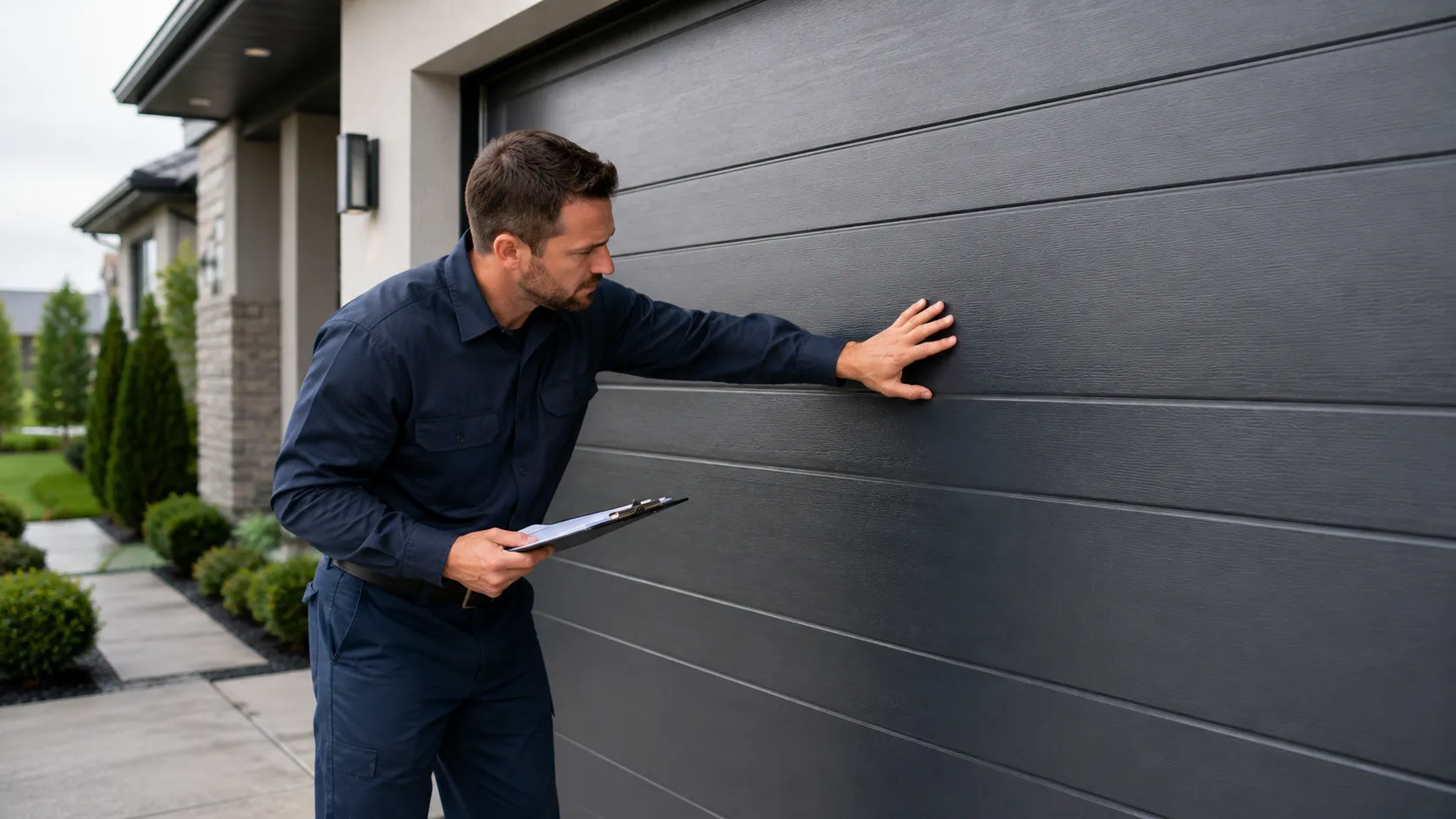
The honest limitation: if the door itself is out of square or the tracks are bent, a new opener will not fix that. We'll tell you before we install anything if the door needs attention first - running a strong opener against a bad track just breaks the opener faster.
Parts We Carry
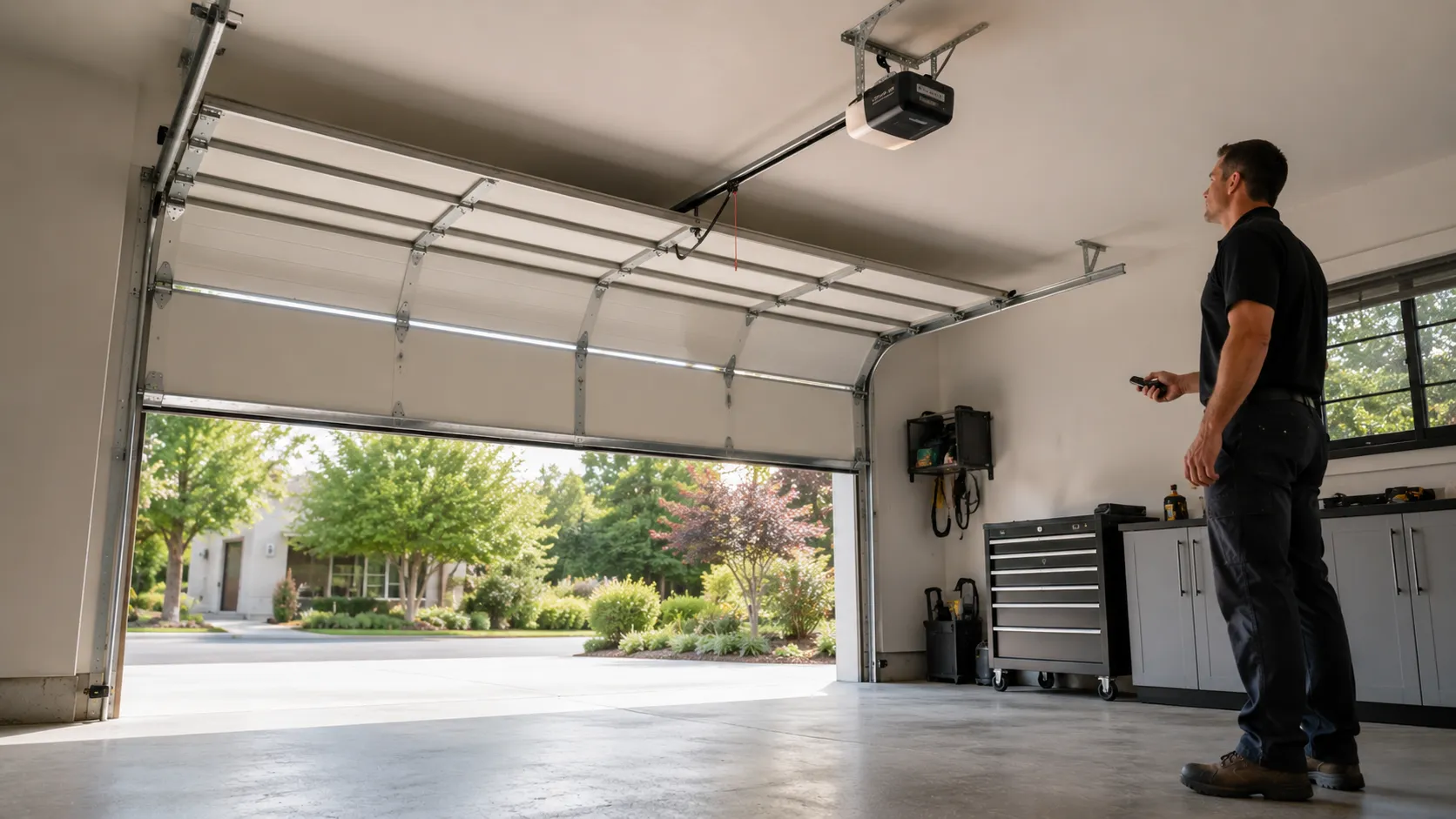
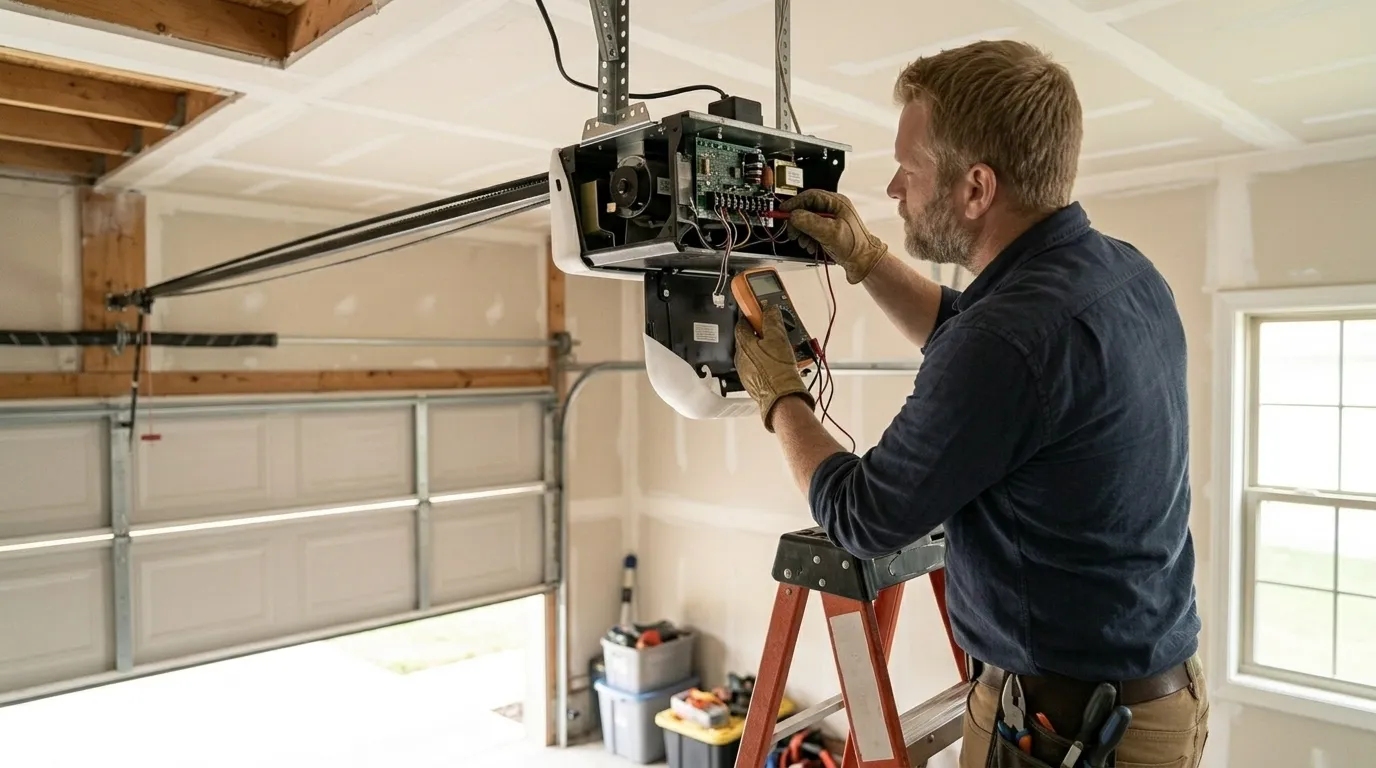
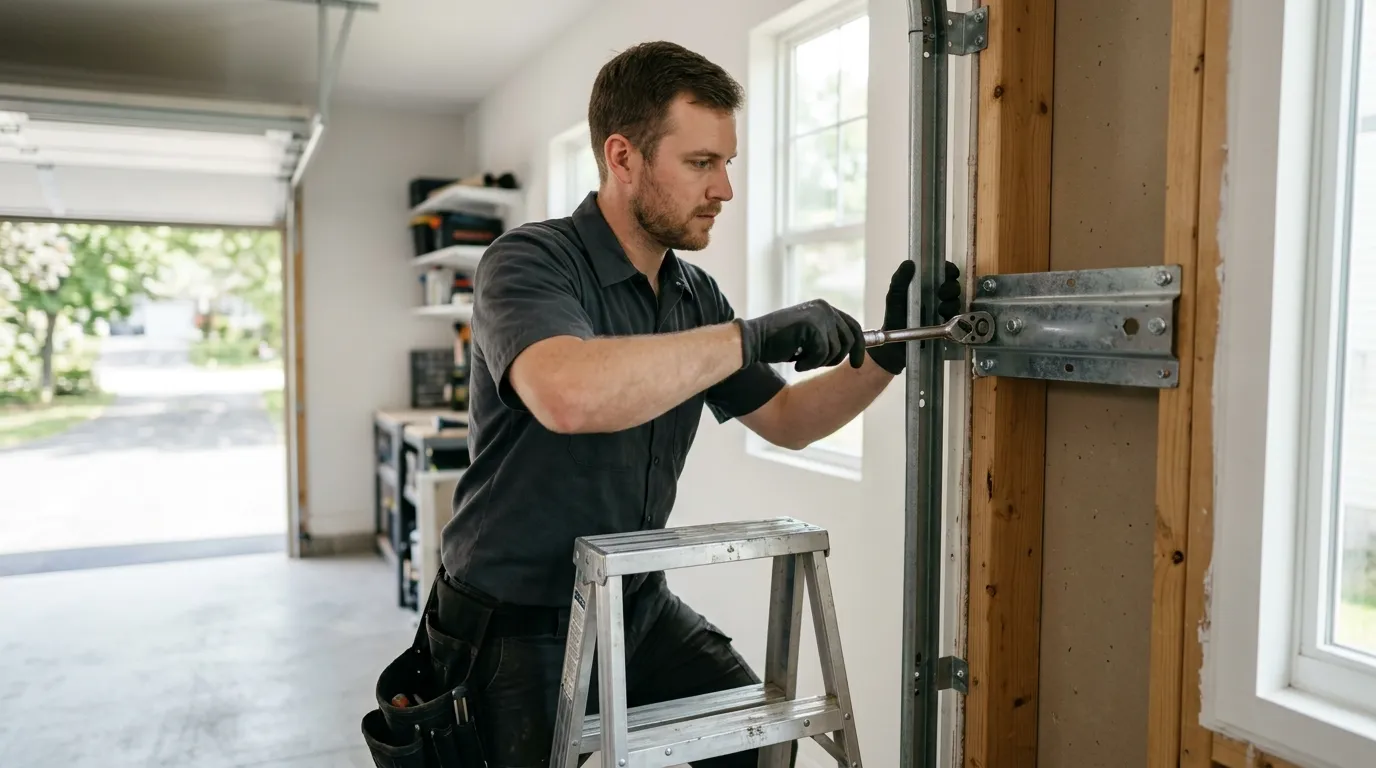
For homes in this build era we carry drive units rated for wider, heavier insulated doors - belt drive for a quieter garage attached to living space, chain drive where quiet isn't the priority. We stock the wall control units, the safety sensor pairs required for any opener installed today, and the standard bracket hardware that fits the ceiling heights typical of a 1990s two-car garage.
We do not carry every proprietary remote or keypad model on the market, and if your household runs an older smart-home system tied to a specific manufacturer's app, we'll tell you upfront whether the new opener will talk to it before you commit to the job. Compatibility across opener brands and home automation platforms is inconsistent enough that we won't promise it sight unseen.