Where This Job Goes Sideways
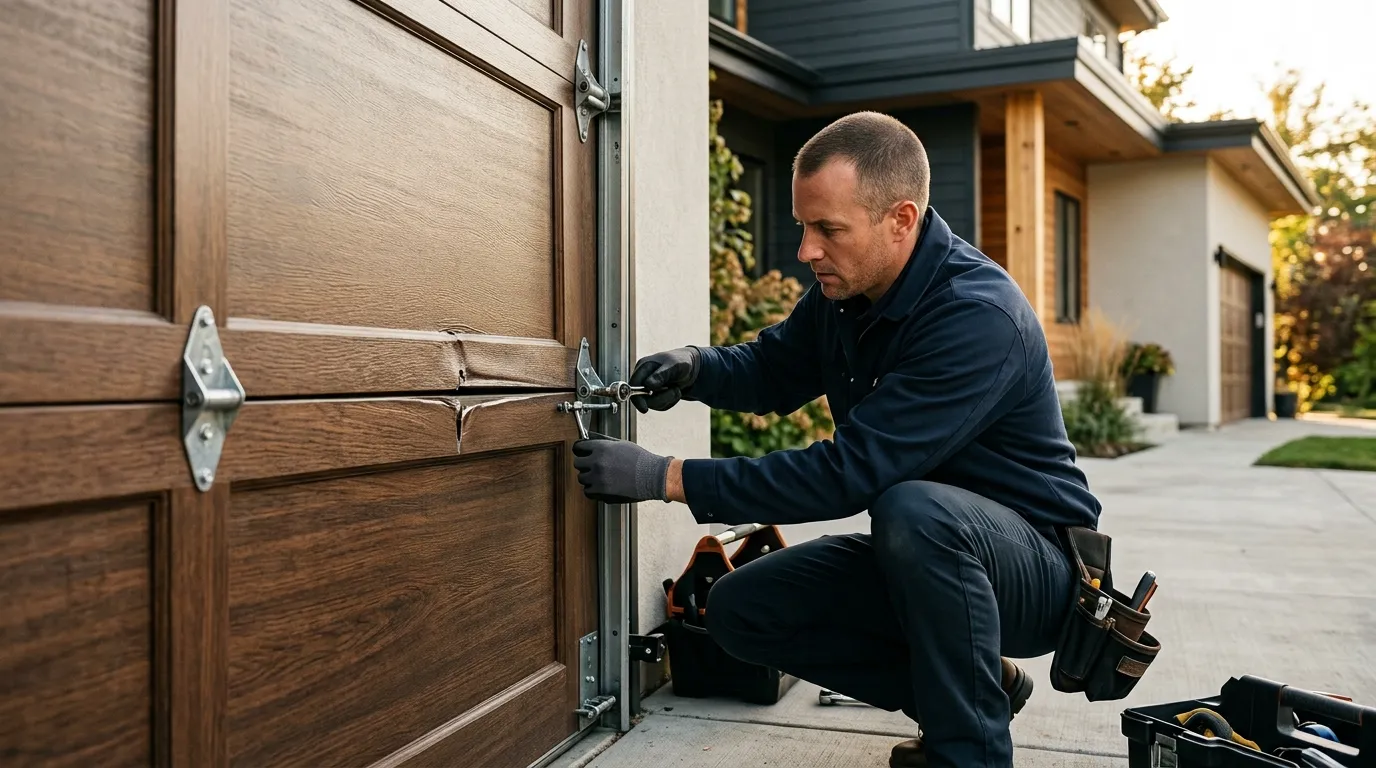
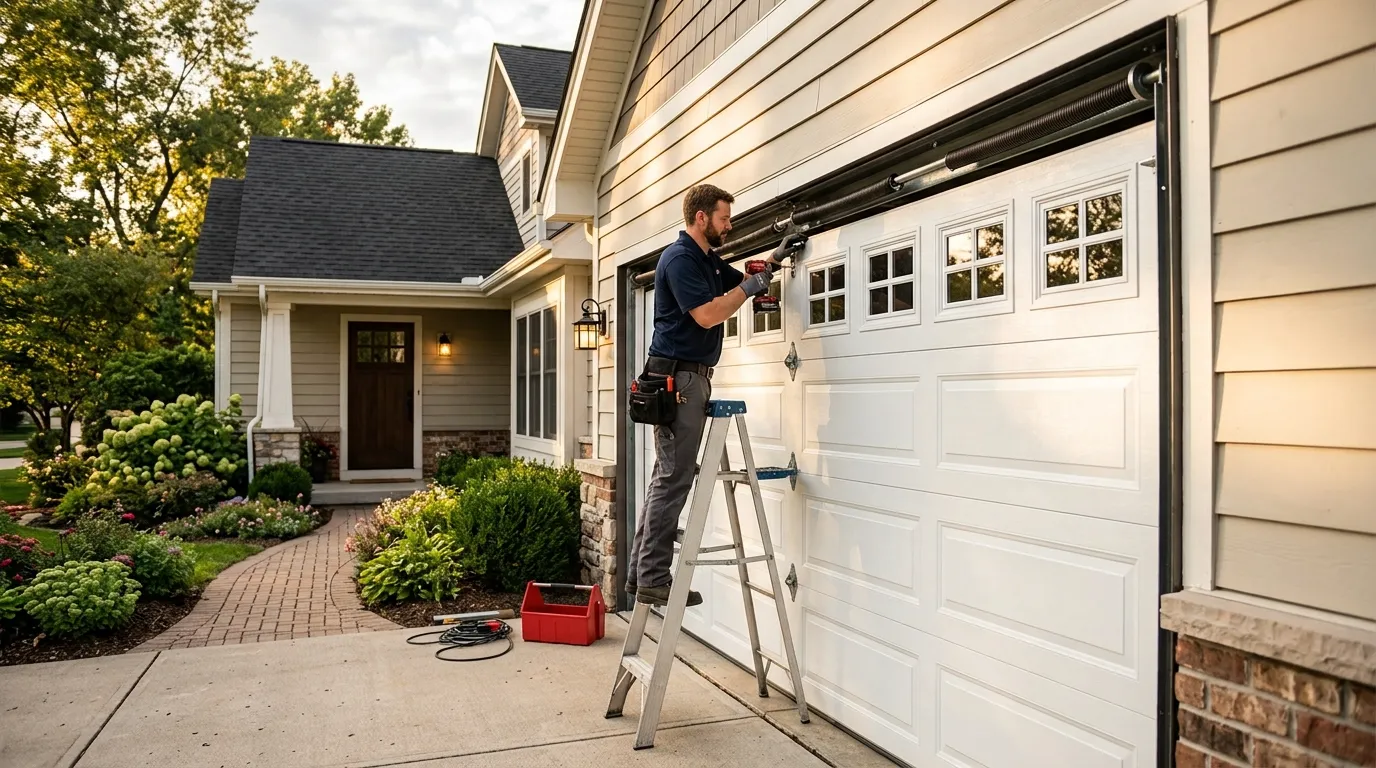
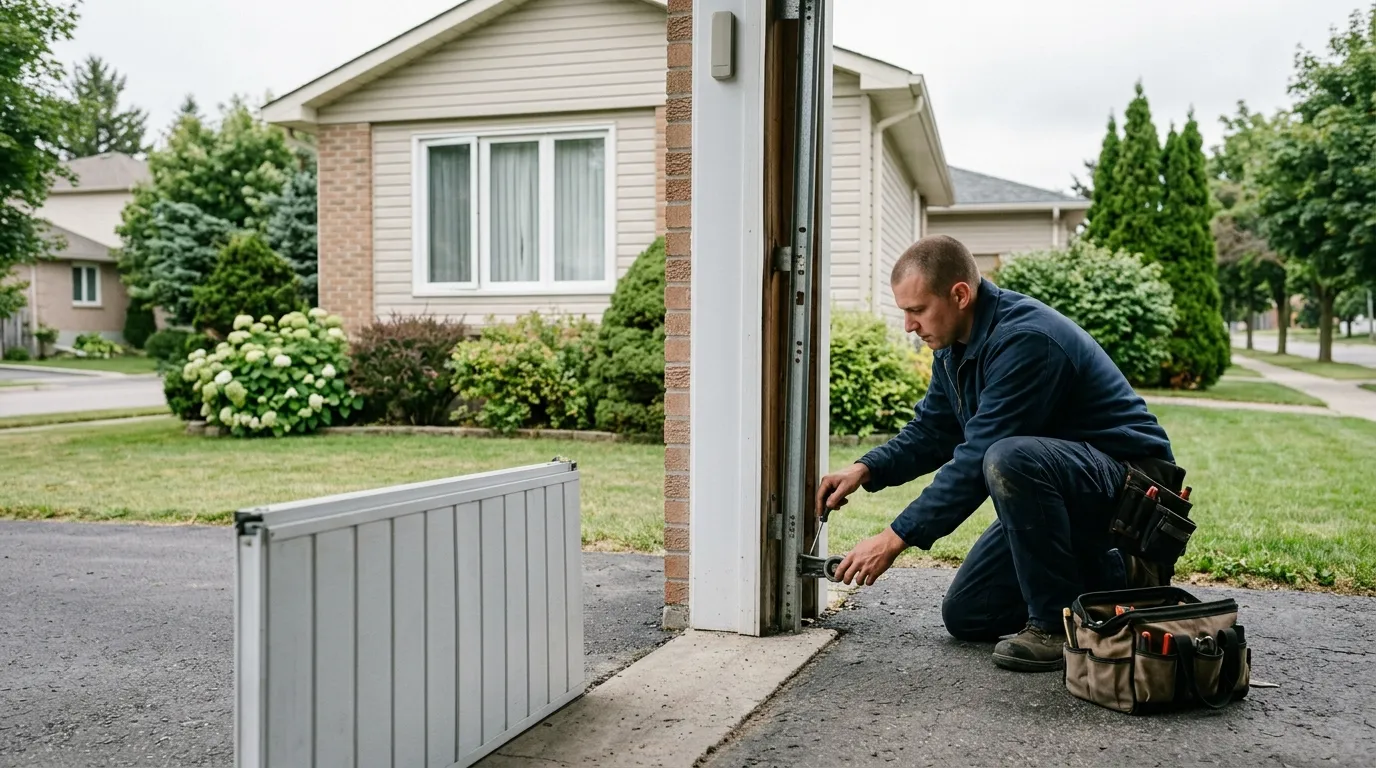
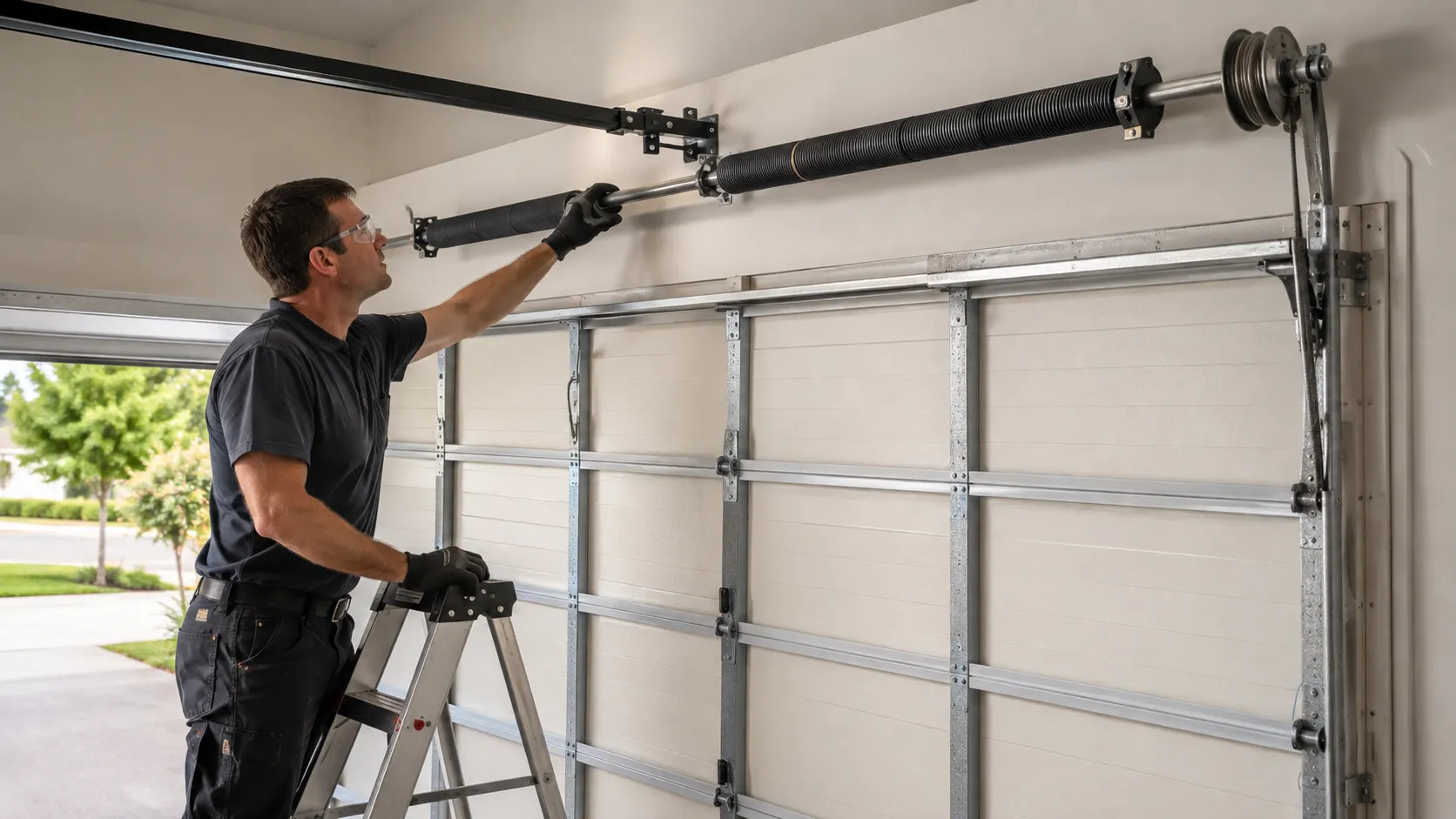
The climate here is the same cold-severe band as the rest of the service area, and that's the part homeowners underestimate. A steel torsion spring rated for a certain cycle count doesn't care what year the door is - cold makes the metal stiffer and more likely to snap on a morning when the door's been sitting closed all night. On a 1996-era door, that spring is original more often than not, because nobody replaces a spring that hasn't broken yet. Where the job goes sideways is when a homeowner hears a loud bang, assumes the opener died, and starts troubleshooting the wall switch or the remote - when the actual problem is a snapped cable or spring that's now let the door drop unevenly on its tracks. Forcing the opener to run a door that's off its springs strips the gears fast, and that turns a spring job into a spring-and-opener job. If the door won't budge and you hear metal in the garage, stop pulling the emergency release and call before you try to lift it by hand.
Parts We Carry
For the housing stock out here, the parts we carry on the truck line up with mid-90s to early-2000s sectional doors: standard torsion springs sized for typical steel double and single doors, extension springs for the older setups that still use them, nylon and steel rollers, lift cables, and the common opener drive components - belt, chain, and screw drive parts for units from that era. What we don't stock is anything custom - a door with an odd width, a wood door, or hardware for something built well outside that 1951-2006 range. Median household income in the broader service area runs around $95,392, but Black Forest itself skews higher, and we see that reflected in slightly more custom or upgraded doors than the older neighborhoods closer in. If your door's a special order, we'll tell you that on the first visit rather than promise a same-day fix we can't back up.