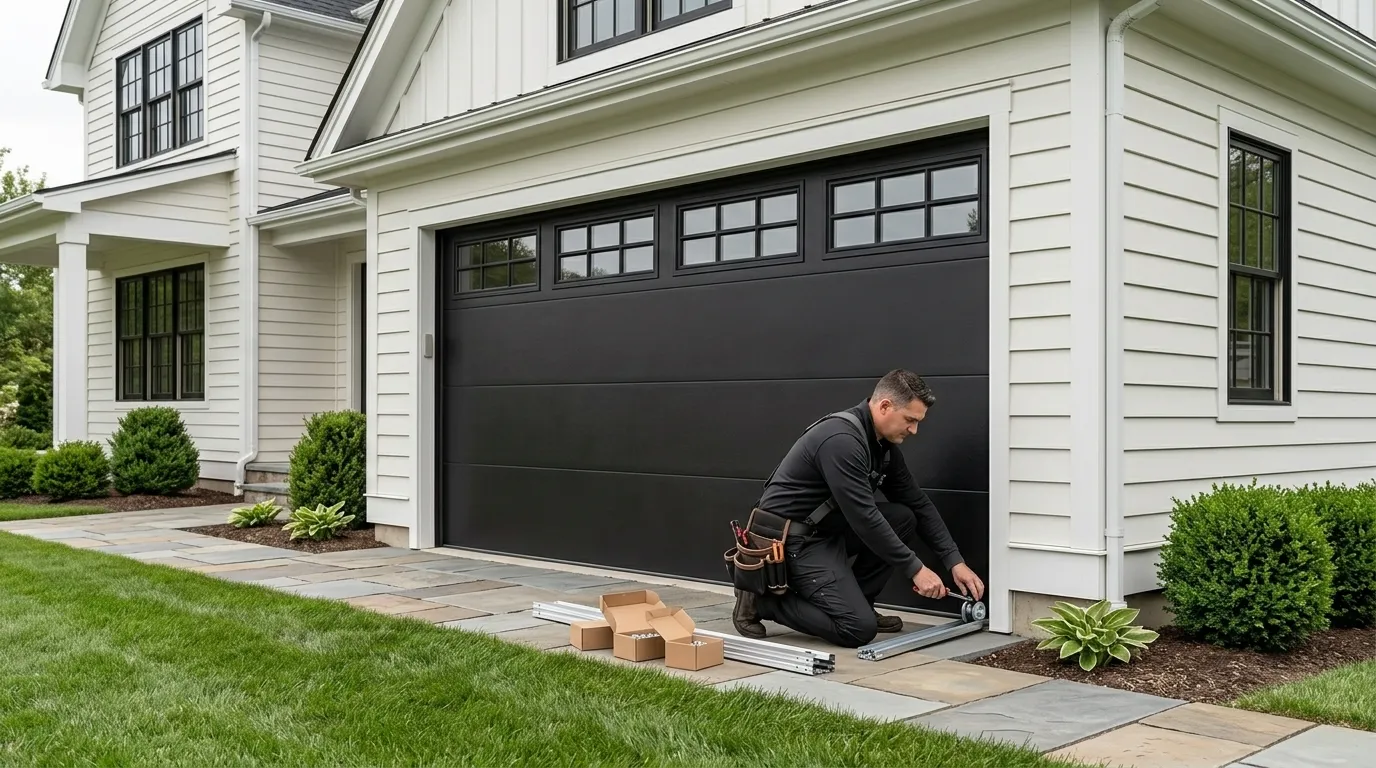
Why It Happens Here
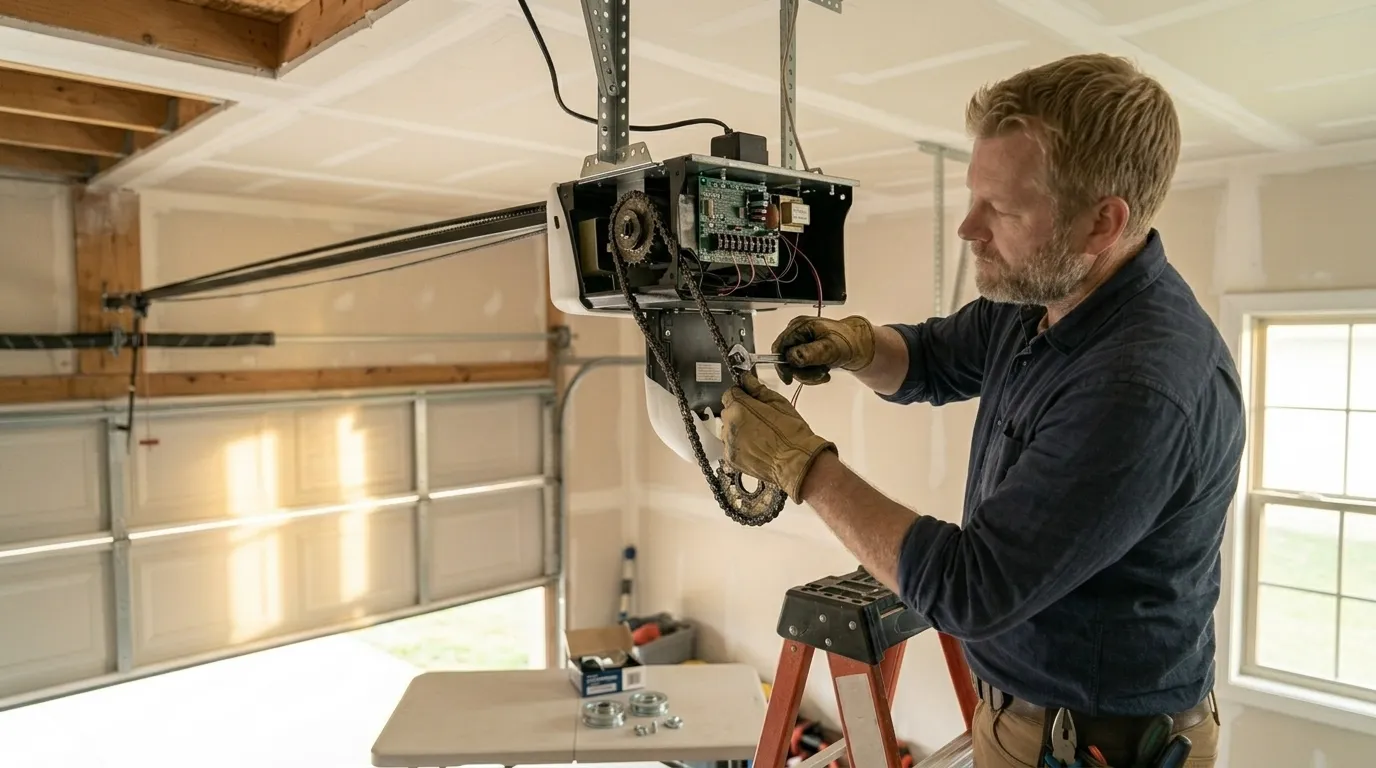
Openers fail here for reasons tied directly to the climate and the age of the housing stock. Colorado Springs sits in a severe cold band, and that means grease inside gearboxes and drive systems thickens hard in winter. An opener rated for a moderate climate will bind, strain, and eventually burn out a motor or strip a gear doing work it wasn't built for at these temperatures - especially older belt and chain units original to homes built when energy codes and opener standards were looser.
Across the 15 named areas that make up this market, most homes date to the 1980s and 90s, with the broader stock running 1951 through 2006 and a median build year around 1990. That means a lot of openers out there are original or one replacement removed from original - units designed for a different cold-weather tolerance than what's sold today, and often missing the rolling-code security and battery backup that's now standard.
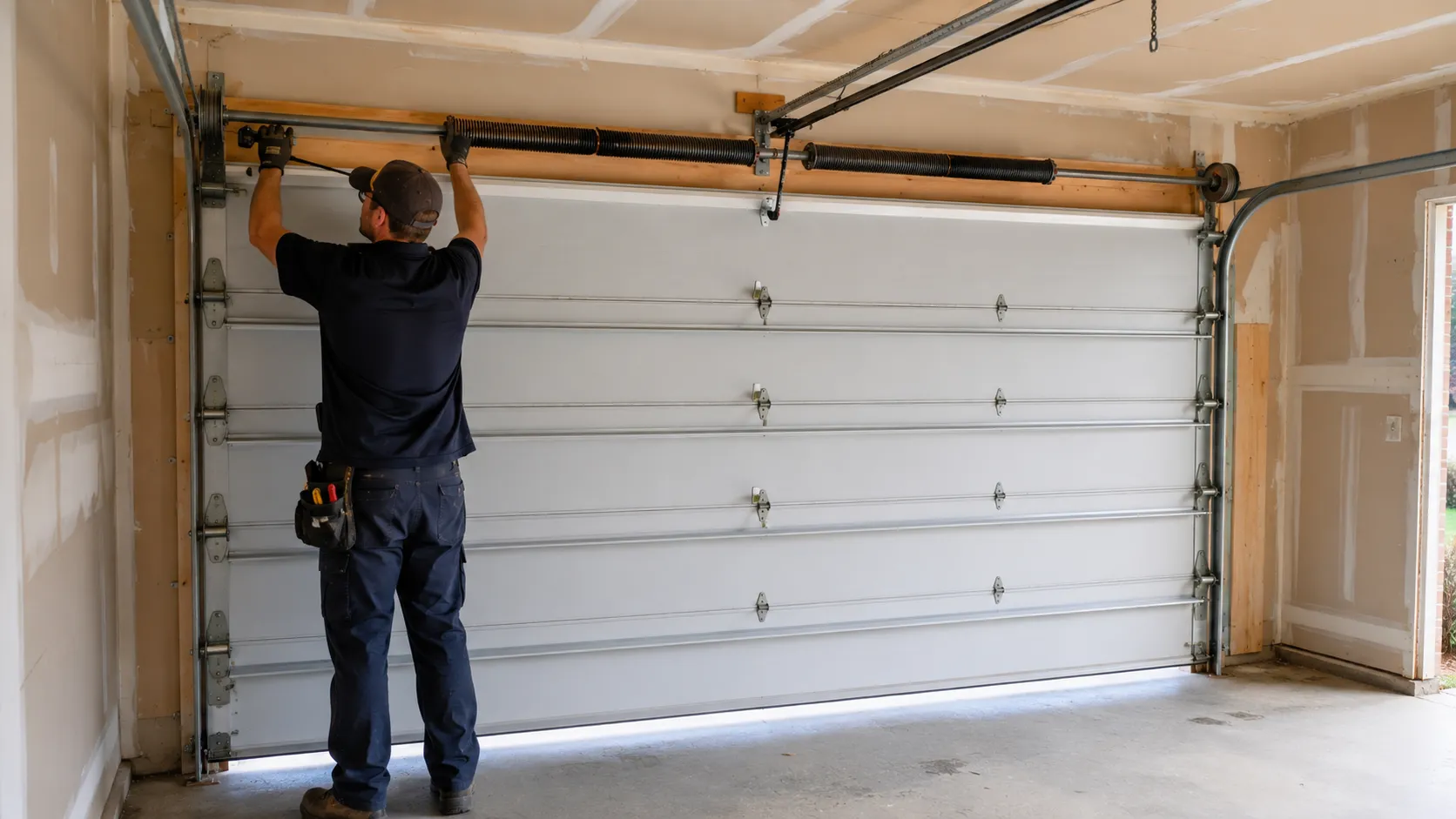
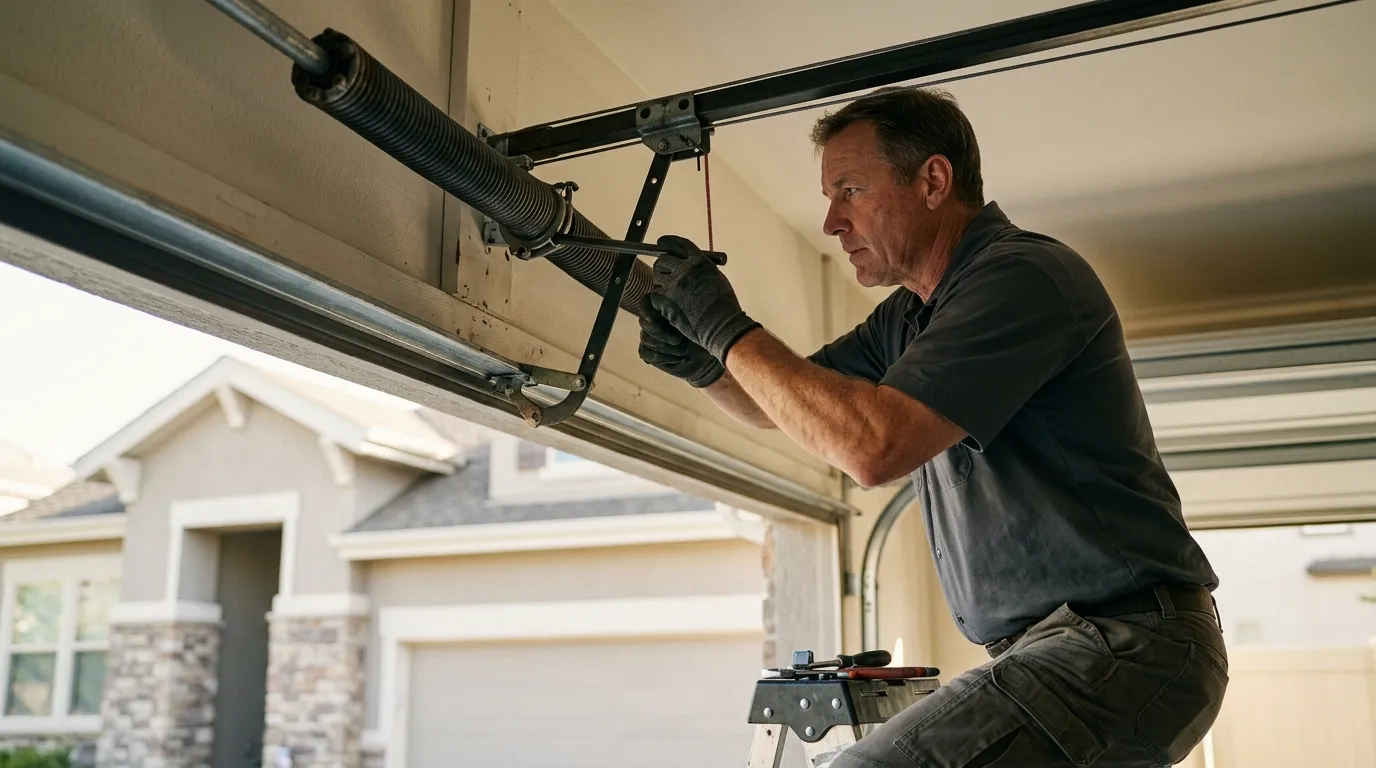
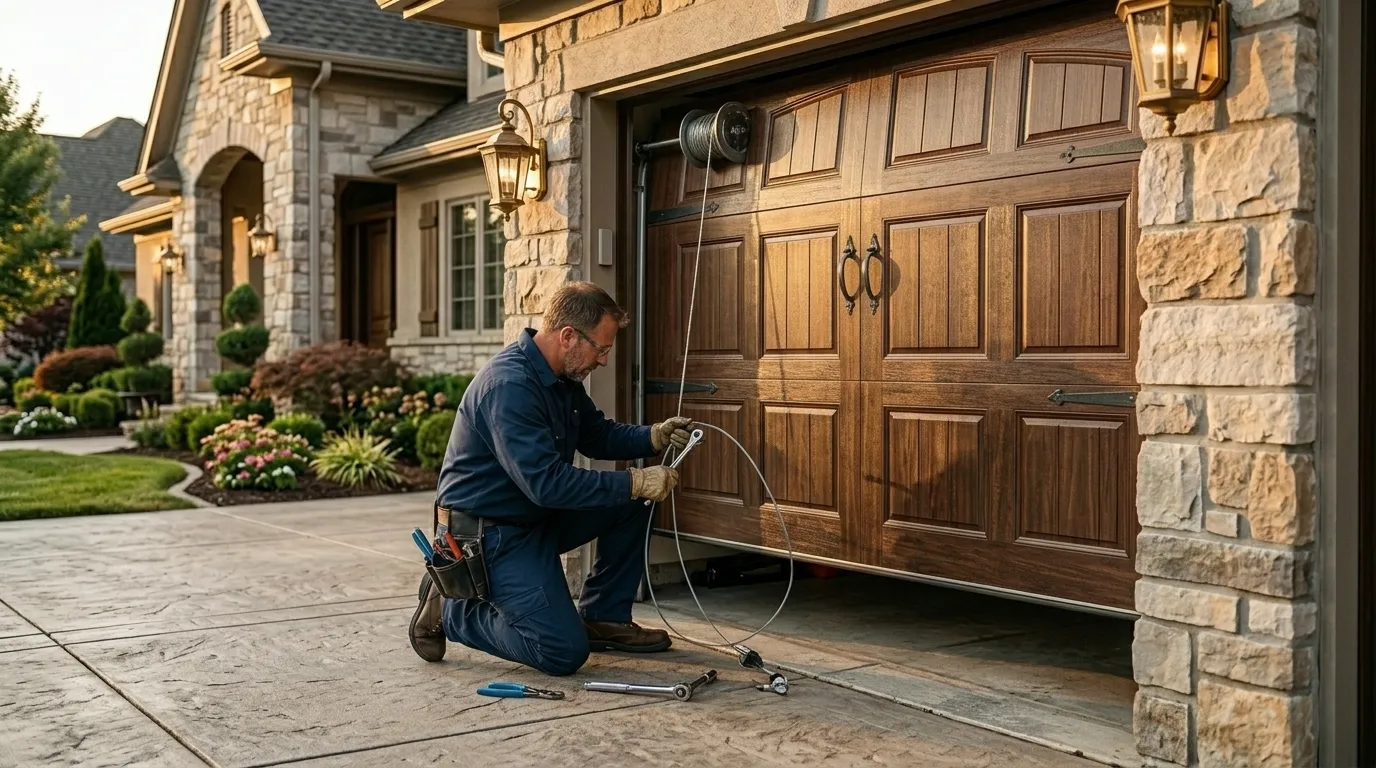
Cold isn't the only driver. Springs and cables age on their own schedule, and when a spring goes, the opener takes the load it was never built to carry, which shortens its life even on a newer unit. That's a separate repair, but it's the reason we always check spring balance before we install or replace an opener - installing new gear on a bad spring just moves the failure point.
Doing It Yourself
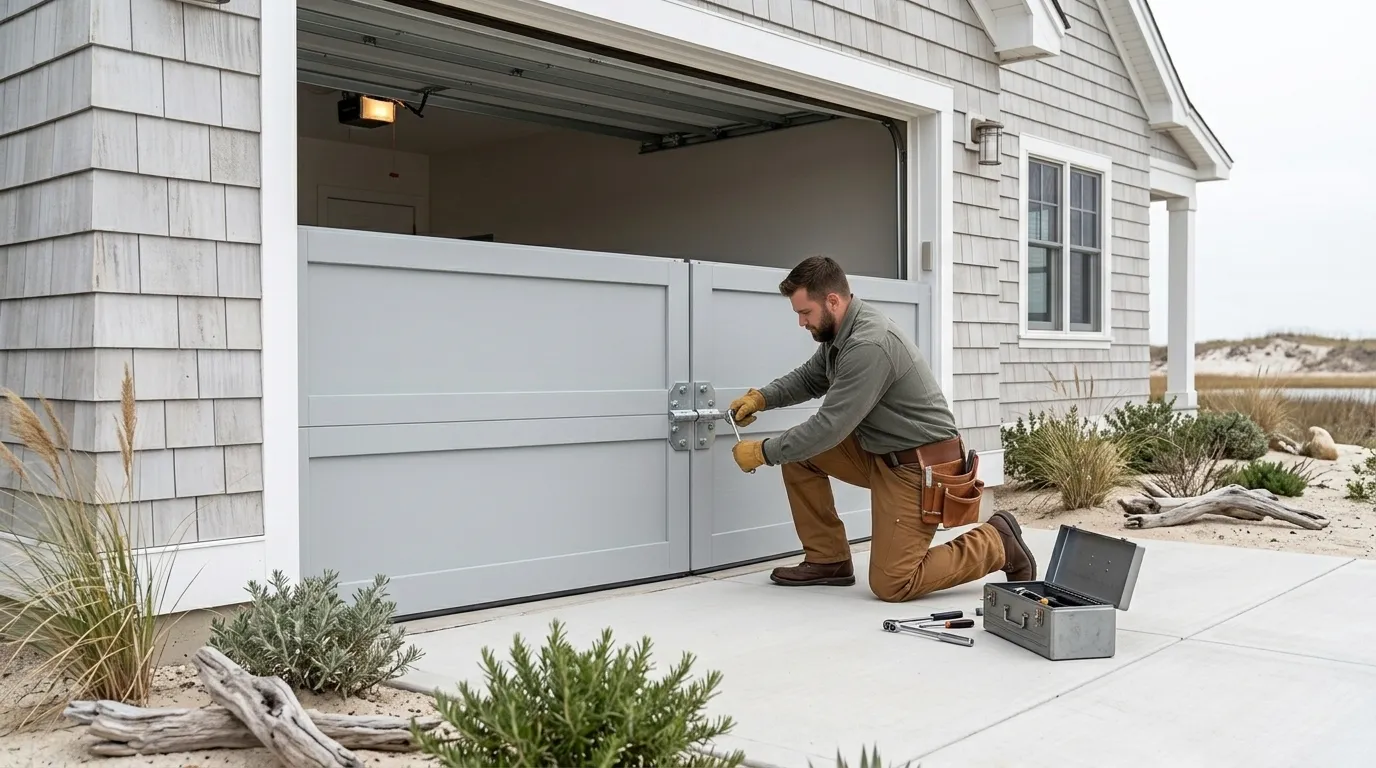
A capable homeowner can hang a lot of things in a garage. An opener carrying a door that weighs what most double-car doors weigh, wired into household power, with a safety reversal system that has to be tested and adjusted correctly, is not the forgiving end of that spectrum.
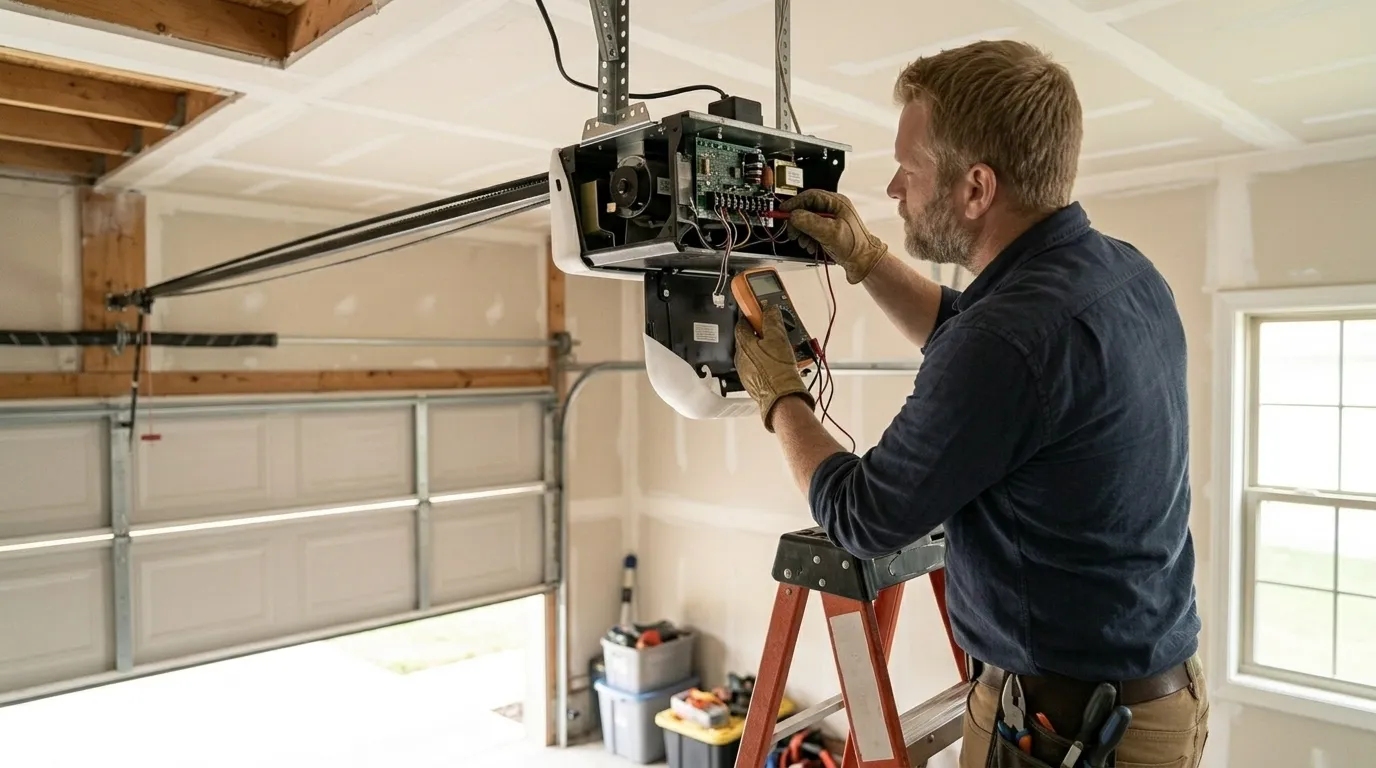
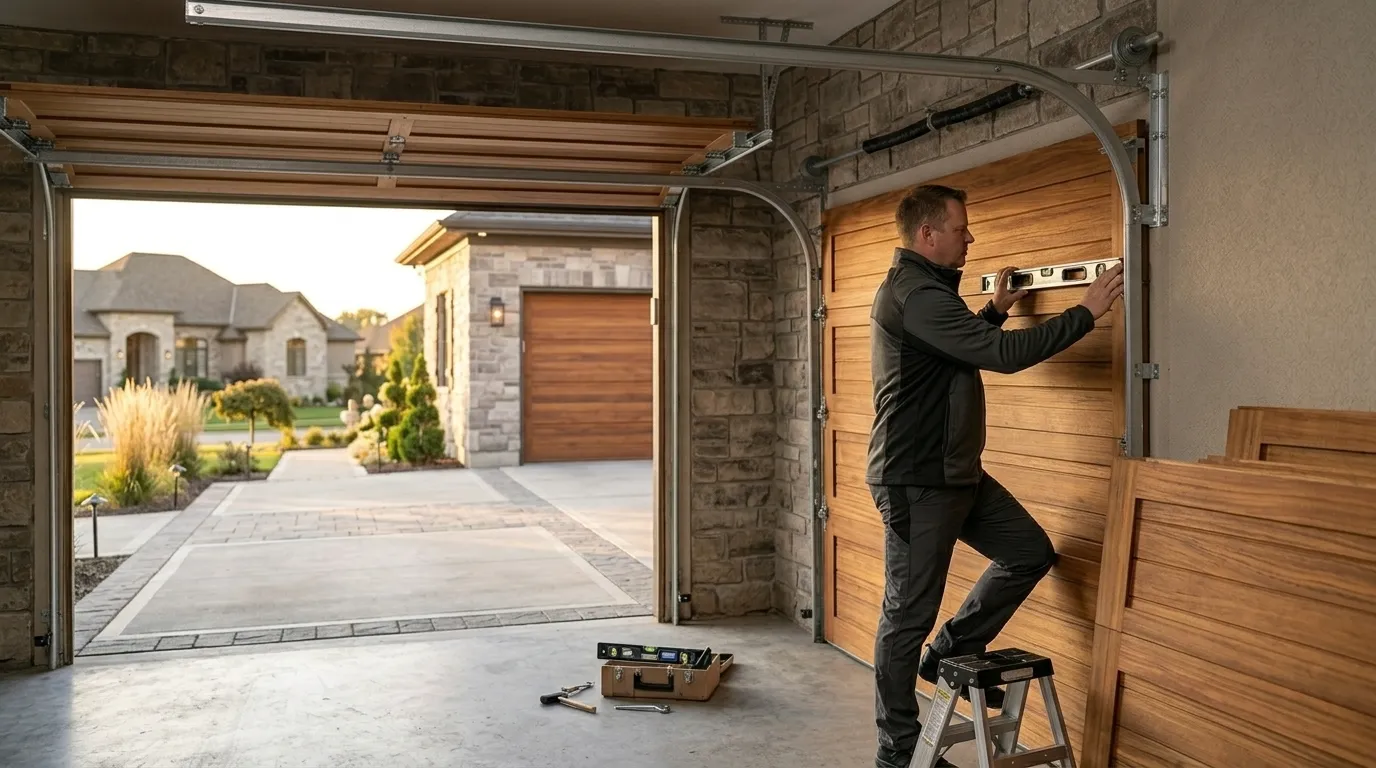
The part that goes wrong most in DIY installs isn't the mounting - it's the safety sensor alignment and the force adjustment. Set the down-force too high and the door will close on something it should have stopped for. Set it too low and the door reverses on nothing, which gets blamed on the opener when it's really a setting. Both are easy to get wrong and hard to notice until they matter.
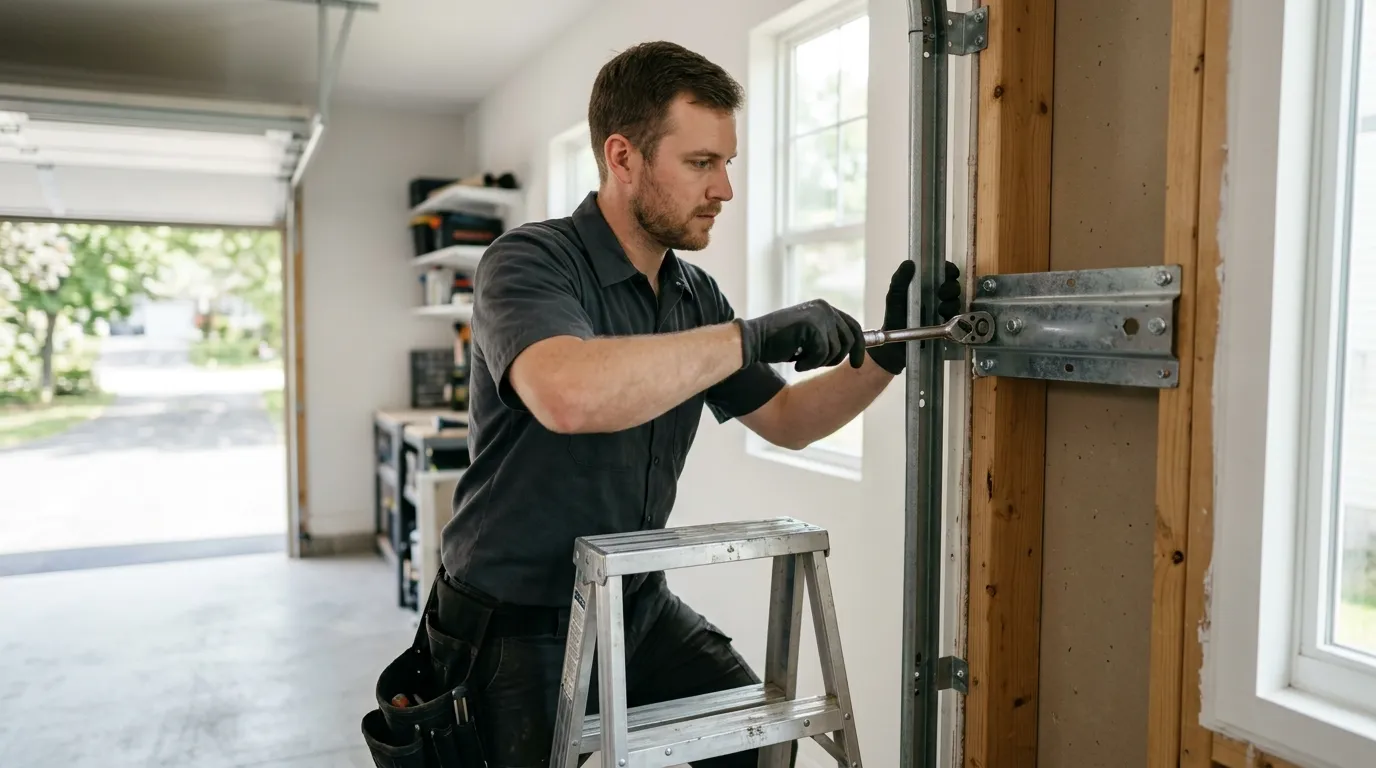
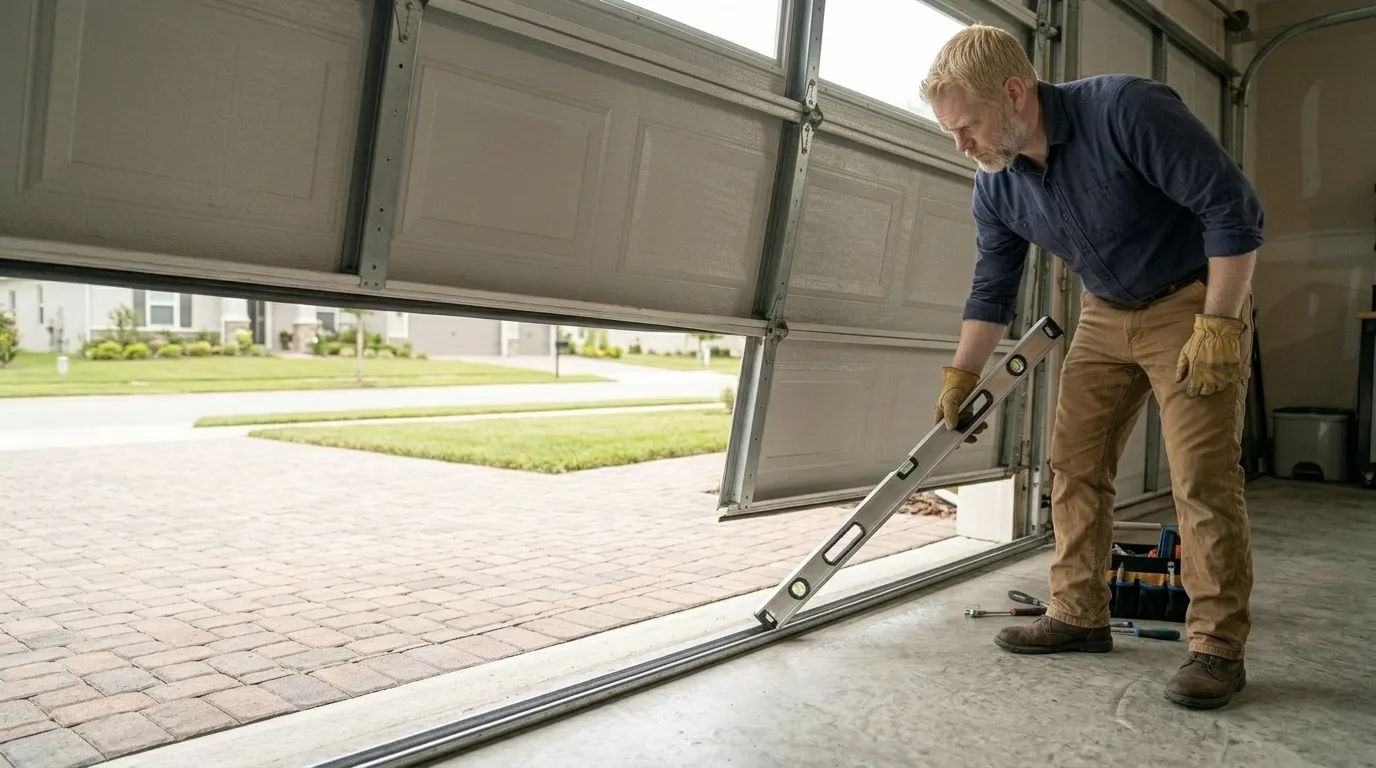
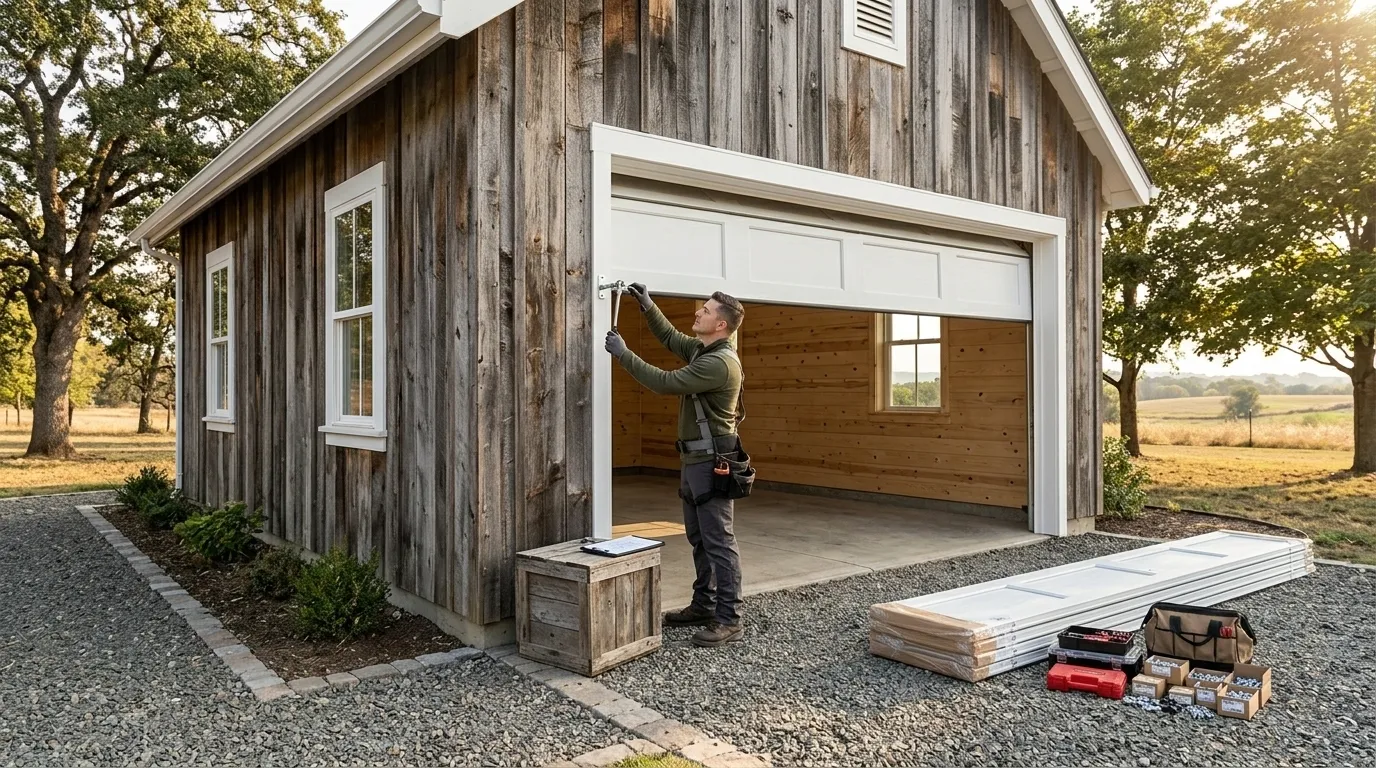
If you're comfortable with basic electrical work and have a helper to hold the rail steady while you set the header bracket, a straight swap on a door you're not also repairing is within reach for a patient DIYer. Where we'd tell you to stop and call someone: any job where the existing track, header, or spring system needs work at the same time as the opener, or where you're not confident you can verify the reversal test after you're done. That test isn't optional - it's the one thing standing between a normal door and a dangerous one.