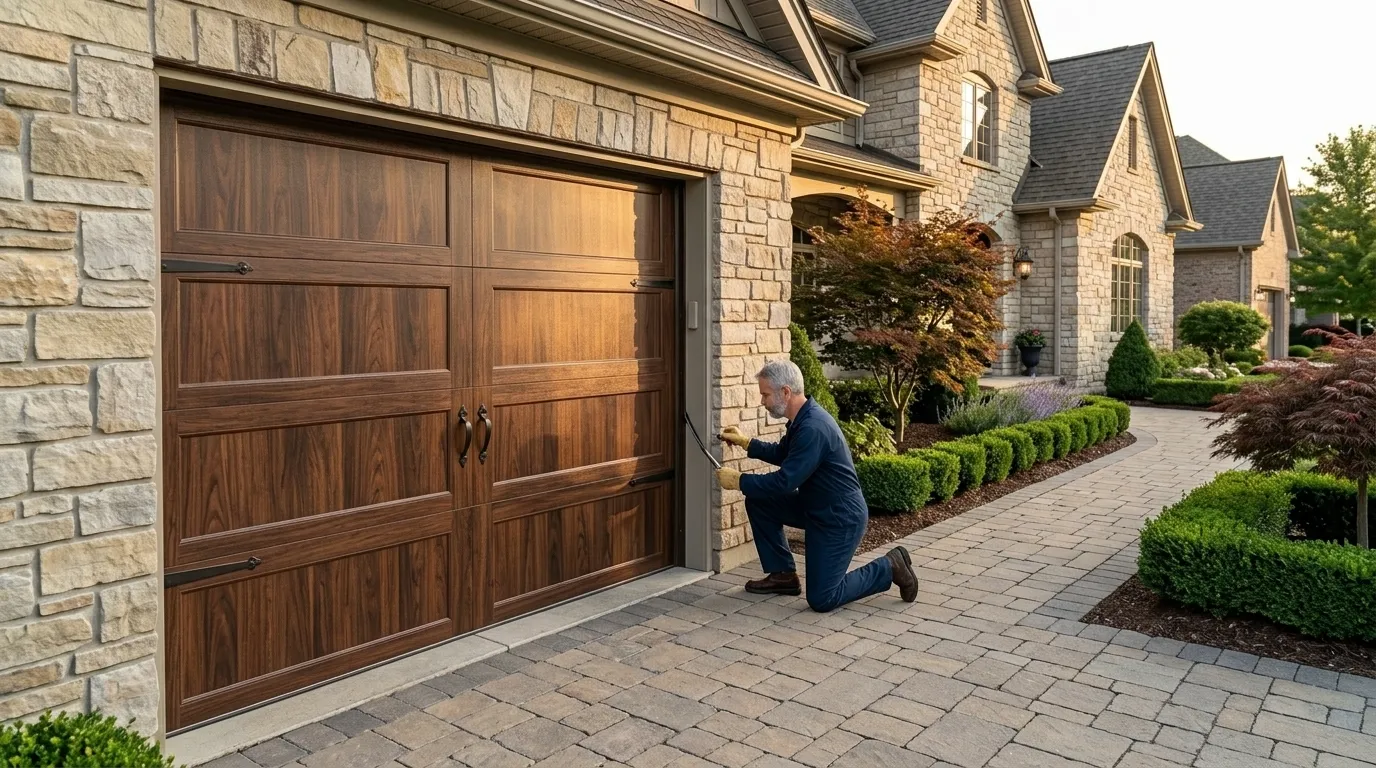
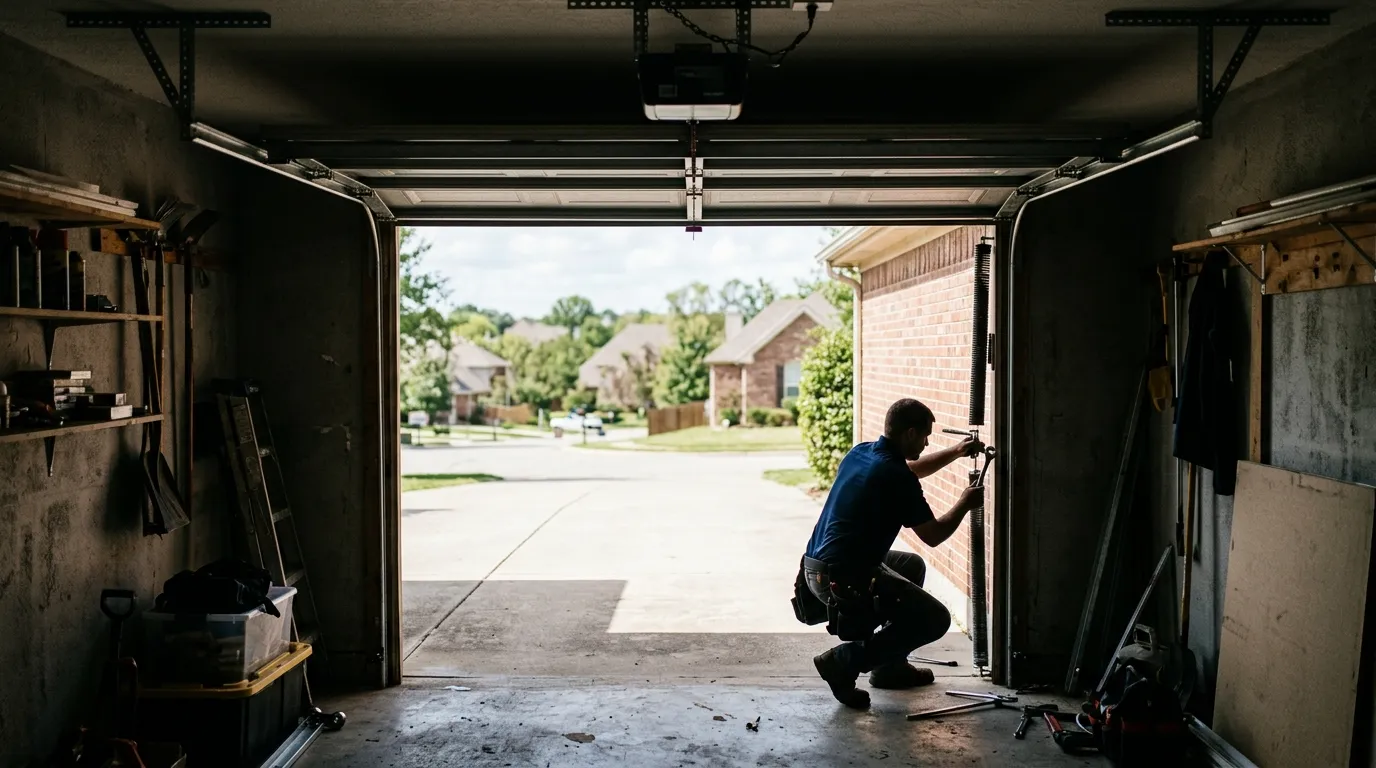
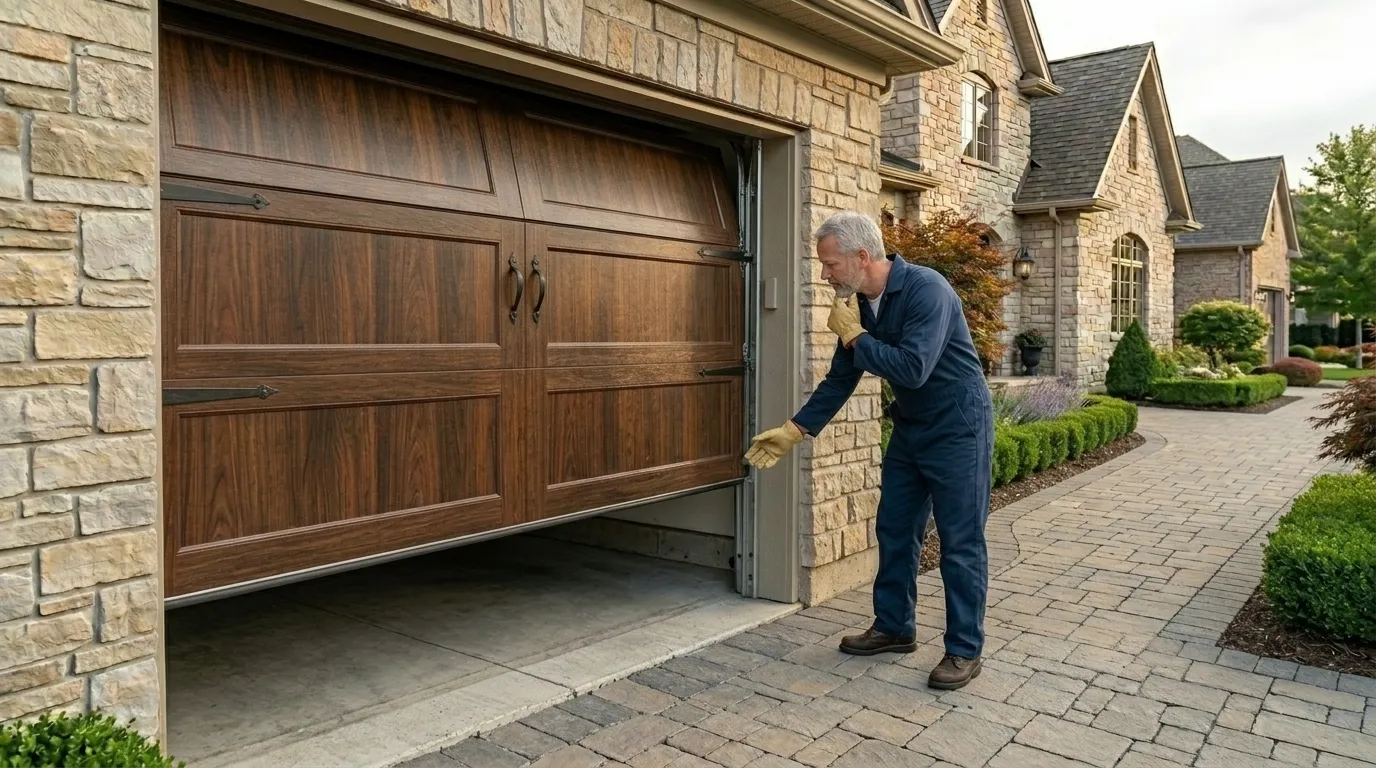
Garage Door Panel Replacement Across Colorado Springs
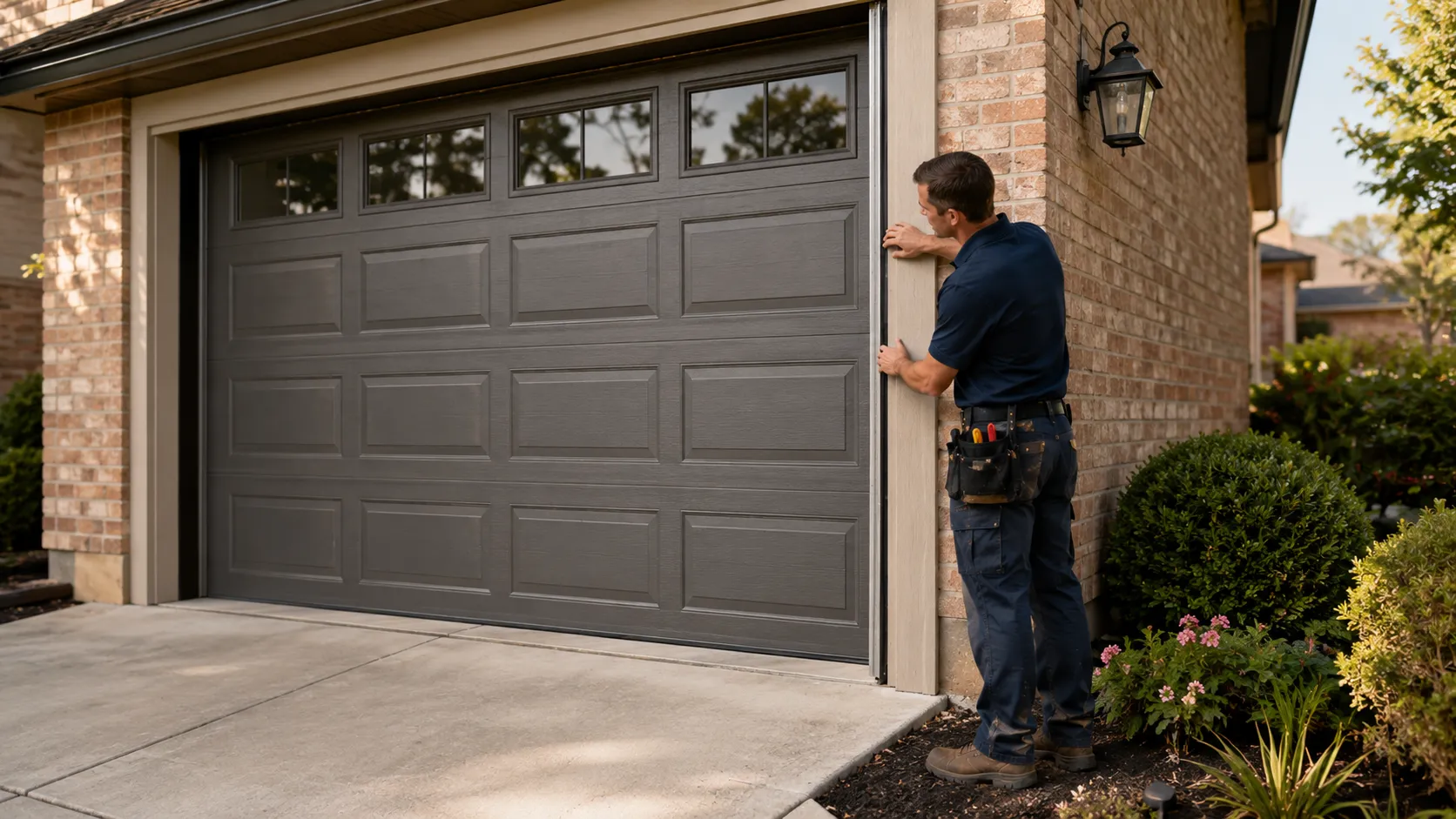
Dented or cracked garage door panels are common on Colorado Springs homes built 1951-2006. We match panels or replace full sections across the service area.
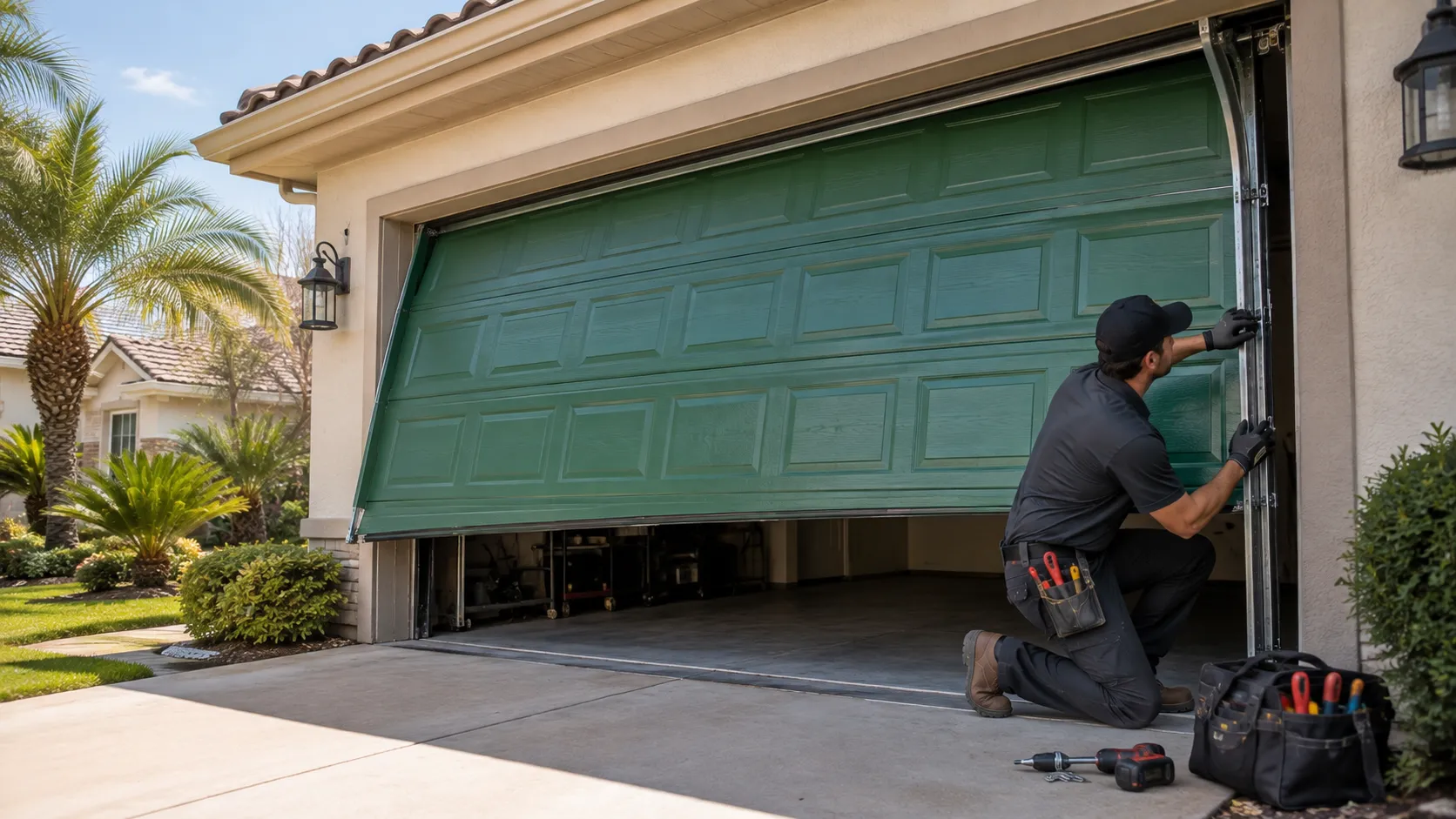
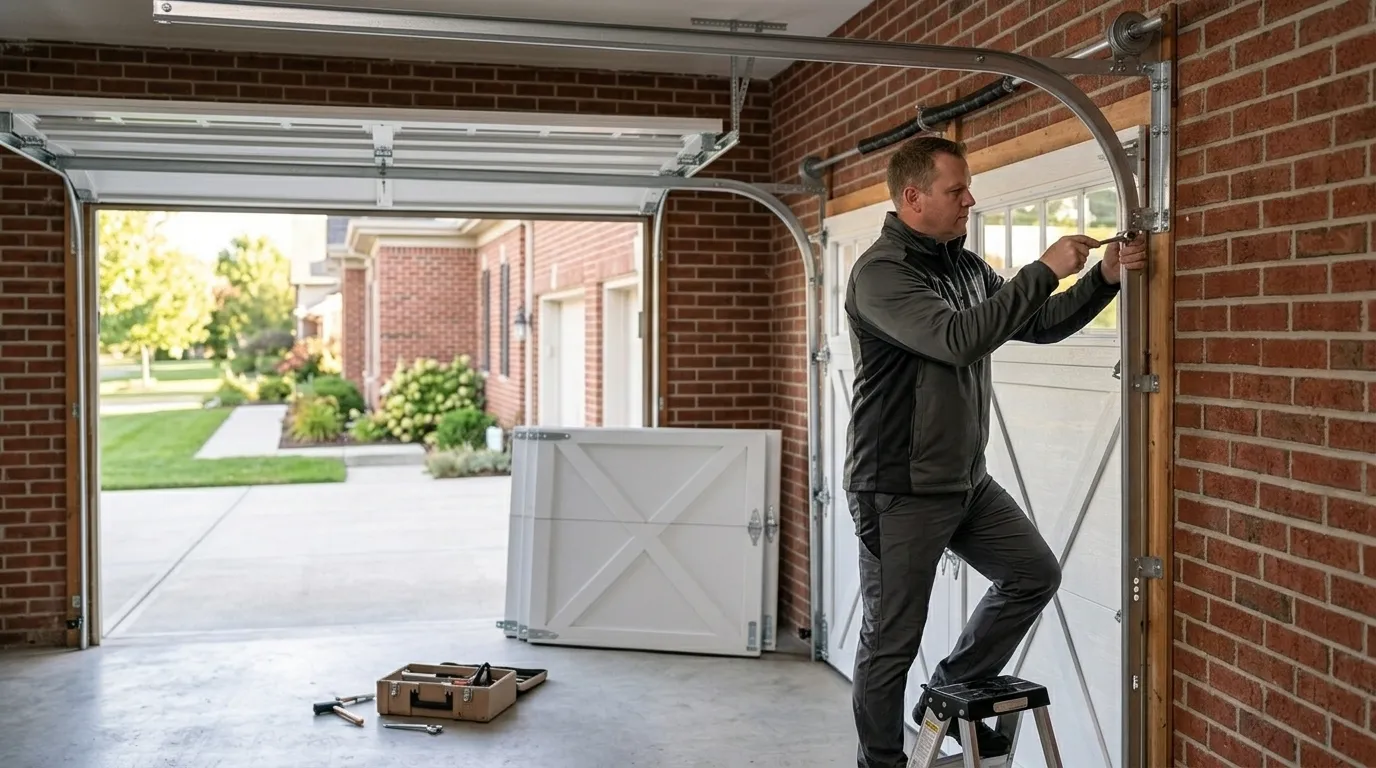
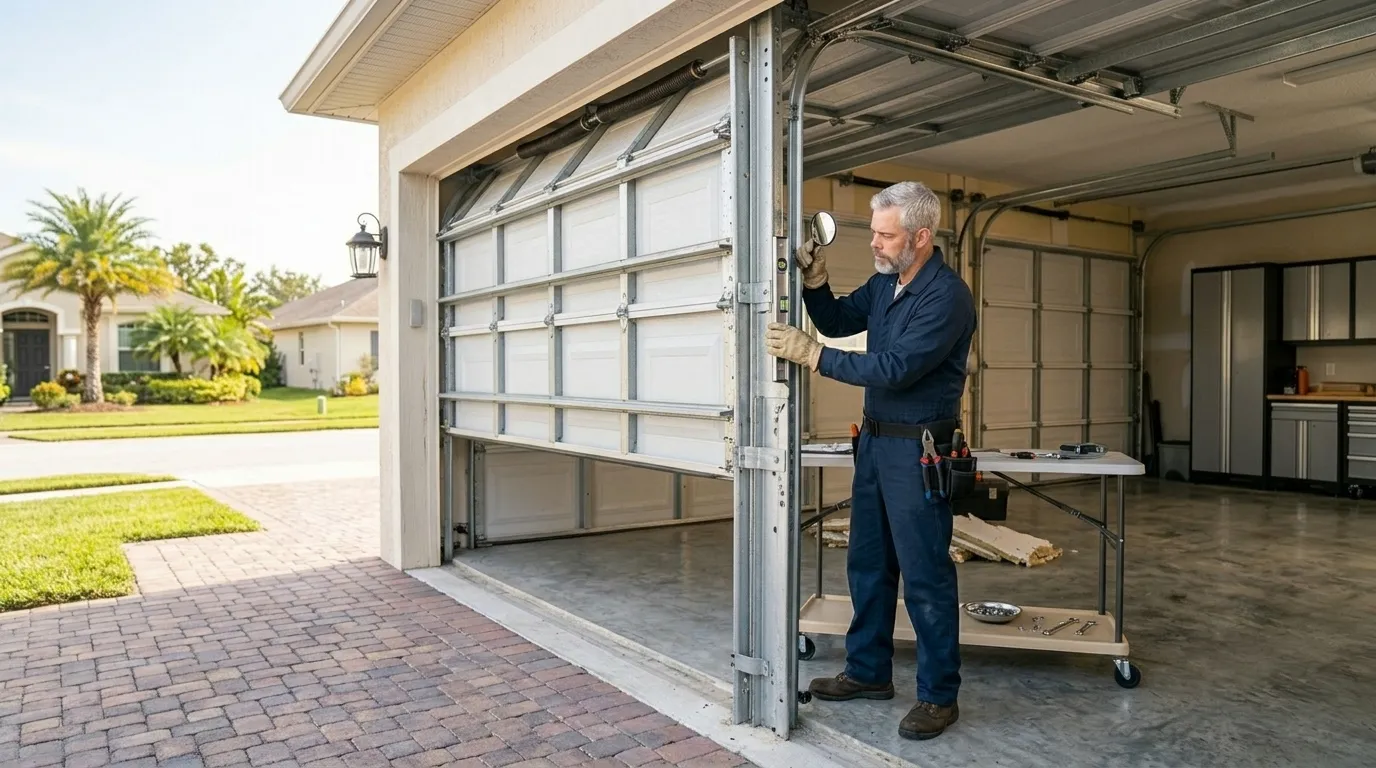
A single-panel swap on a steel sectional door usually runs one visit, start to finish, once we've confirmed the panel is still made or a close match exists. Doors built after the mid-1980s tend to have panel profiles that are still stocked or easy to source, since Colorado Springs's housing stock runs 1951 through 2006 with a median build year around 1990 - most of what we see is that 1980s-90s generation door, and parts for it are not hard to find.
Older doors, especially ones from the 1950s-60s pockets scattered through the area, sometimes need a full custom color match or a whole-door swap because the original panel width or ribbing pattern isn't made anymore. We tell you on-site which situation you're in before we quote anything.
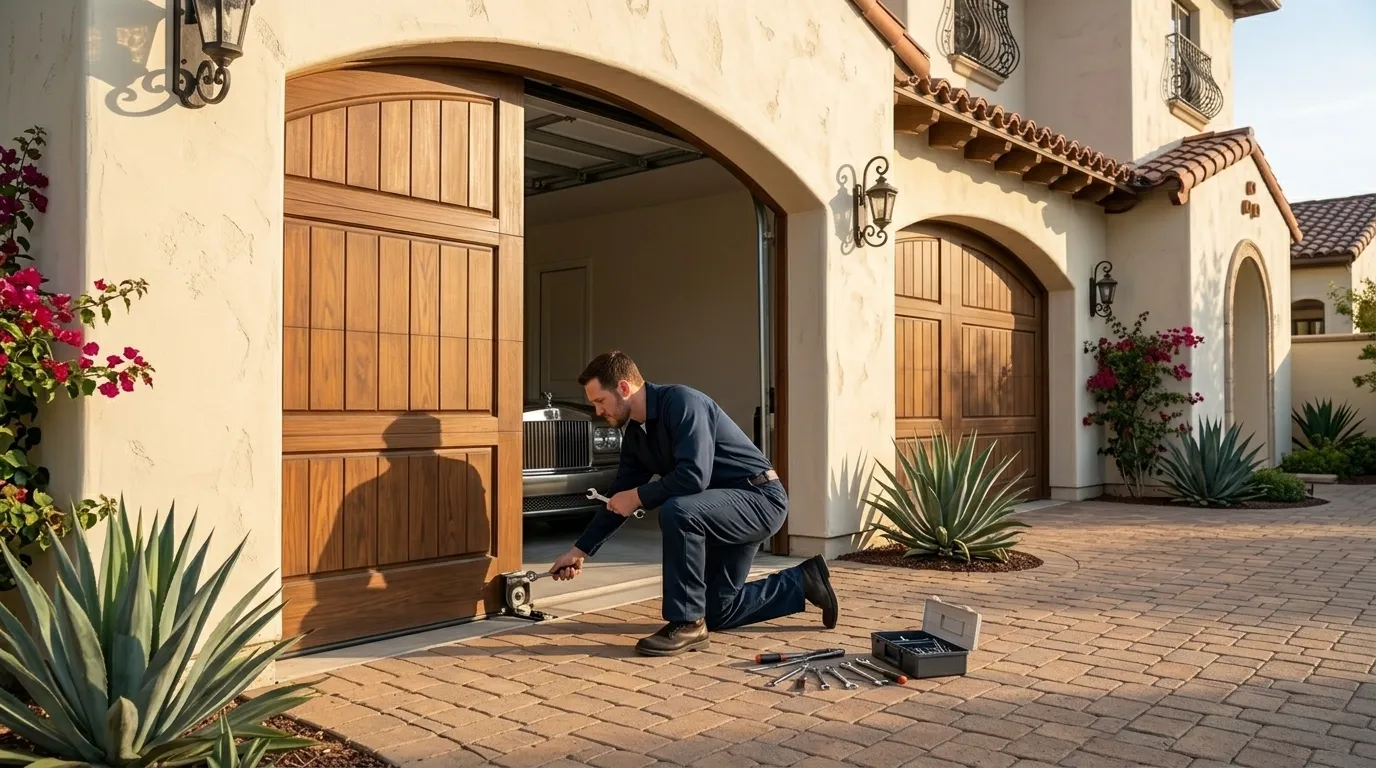
If we have to order a specific panel color or a discontinued profile, that adds days, not hours, and we'll say so up front rather than promise a same-day fix we can't back. A double-door job with two damaged panels takes longer than a single-car door with one, mostly because of extra hardware realignment, not because the panel itself is harder to install.
Why It Happens Here
Colorado Springs sits in a cold-and-severe climate band, and that matters more for panels than most homeowners expect. Steel panels contract in hard overnight freezes and expand again by afternoon, and that daily cycle, repeated across a Front Range winter, is what turns a small dent into a stress crack along a seam over a few seasons.
A lot of the housing stock here dates to the 1980s and 90s buildout, and doors from that era commonly used thinner-gauge steel skins than what's sold today. Thinner steel dents easier from a bumper tap or a wind-blown branch, and once a panel is dented, the cold cycling above works on that weak spot faster than it would on a thicker modern panel.
Wood-composite panels, more common on some of the older builds in the mix, take on moisture in wet spring snow and then crack when it freezes inside the panel core. That's a different failure mode from steel denting, but it's tied to the same climate swing - freeze, thaw, freeze again - that this area gets every winter.
Doing It Yourself
If the dent is cosmetic and shallow, on a steel panel, you can sometimes pull it with a suction cup kit and heat gun without touching the door's structure. That's a fair weekend job if the panel isn't cracked and the door still tracks straight.
What you shouldn't do yourself: unbolt a full panel section on a door that's still under spring tension, or try to match a color and profile on an older door without knowing the original manufacturer. We've seen owners order the wrong panel width because two doors that look alike from the driveway use different section heights.
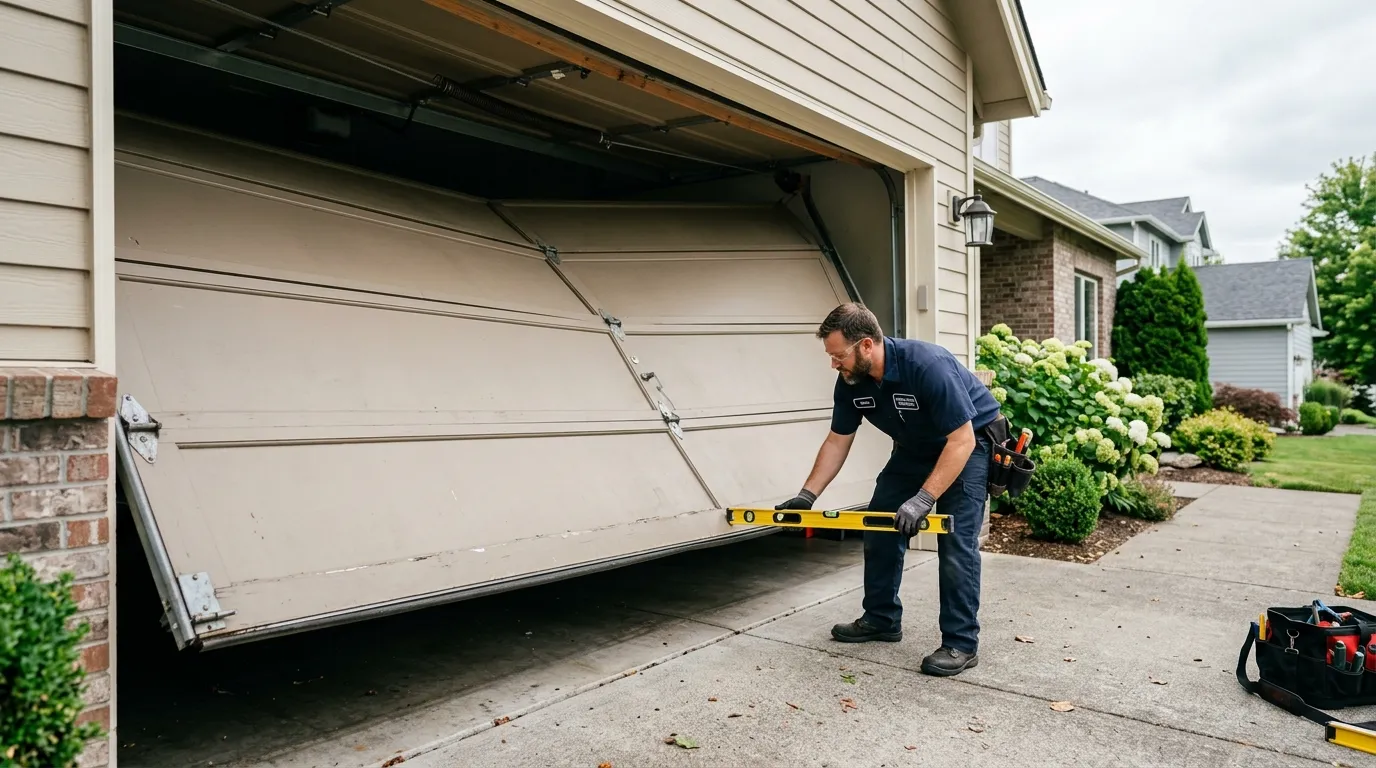
One honest limit here - if the crack runs through a hinge stile or the panel has pulled away from the roller bracket, that's not a DIY fix. The door is off its track alignment at that point, and forcing it back into the opener without checking the track first can bend the track or strip the opener's drive gear. Call it in at that stage instead of pushing it further.
What You Are Seeing
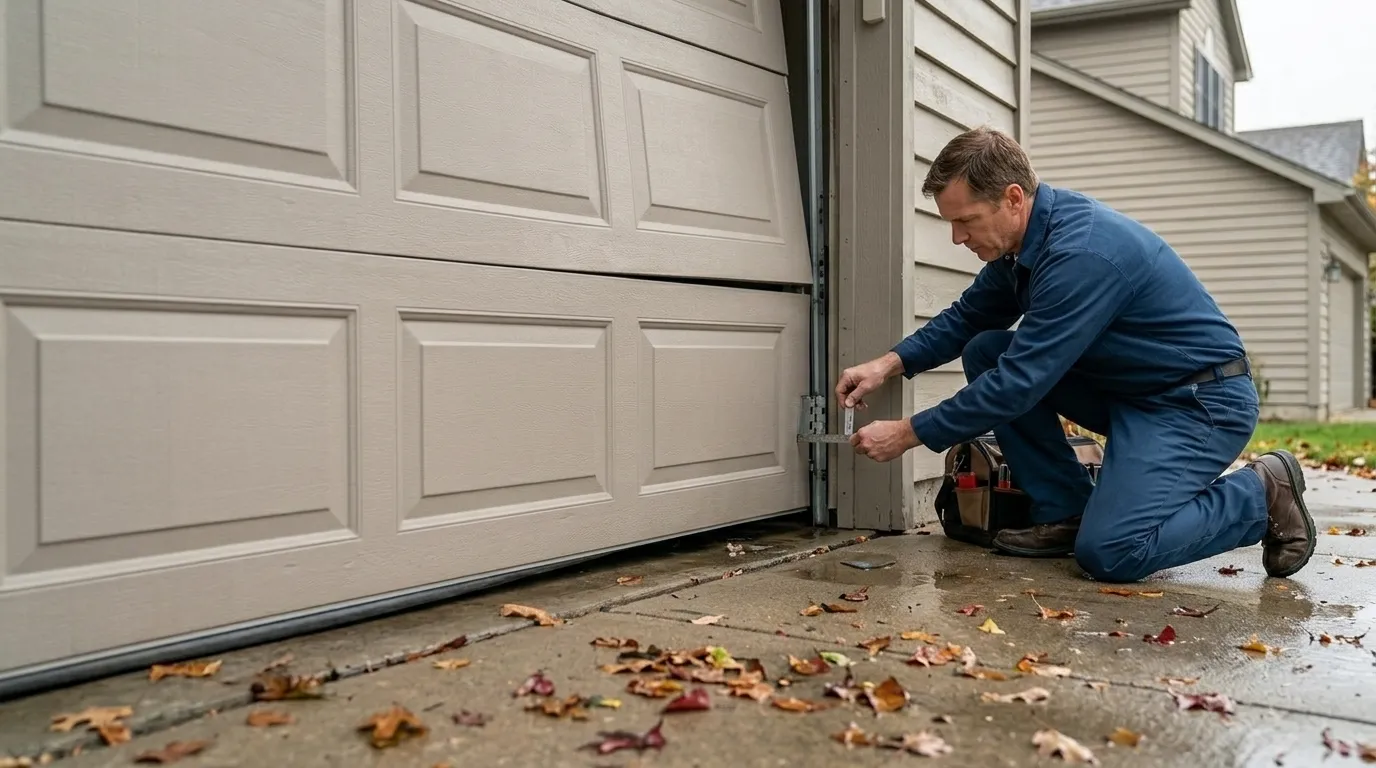
A dent that's spread into a visible crack along a seam, especially near the bottom two panels, is the classic sign of the freeze-thaw cycling common to this area. A bowed panel that won't sit flush against the weatherstrip usually means the steel skin has separated from its foam backing - common on older 1980s-90s doors once the adhesive ages out.
Rust bleeding through paint at a panel edge, particularly on ground-level panels, points to trapped moisture from melting snow sitting against the bottom section. If a panel section binds against the track and stutters partway through a cycle, that's often a mounting bracket working loose behind the panel rather than the panel itself failing, but the two can look similar from the driveway.
We serve this pattern of failure across the wider Colorado Springs area, including neighborhoods like along with nearby communities such as Security-Widefield.
How it works
From “it’s stuck” to “it’s fixed”
01
Tell us what’s wrong
Describe the symptom - won’t open, loud bang, opener runs but the door won’t move.
02
On-site diagnosis
A technician tests the door under power and by hand and finds what actually failed.
03
Clear, up-front plan
You get the fix that’s needed and what drives the cost - before any work starts.
04
Repaired & tested
The repair is done, the door is set true and tested, and the work area left clean.
Serving Colorado Springs, CO - tell us what your door’s doing and we’ll take it from there.
Usually, if the door is a common brand from the 1980s-2000s range that makes up most of the stock here. Older doors from the 1950s-60s sometimes need a full repaint or a whole-door swap because the original color code or panel profile isn't made anymore. We check the panel and hardware on-site before quoting a match.
Why did my panel crack when it was just a small dent last fall?
Colorado Springs's cold-and-severe winter cycles steel through repeated contraction and expansion. A dent creates a weak point, and that daily freeze-thaw stress works on it faster than on undamaged steel, which is why a small dent from October can turn into a seam crack by February.
Is it cheaper to replace one panel or the whole door?
For a single dent or crack on an otherwise sound door, one panel is cheaper. Once two or more panels are damaged, or the door is old enough that panels aren't stocked, a full door often costs less than custom-matching parts piece by piece. We'll tell you which side of that line your door is on.
Does homeowners insurance usually cover panel damage?
That depends on your policy and what caused the damage, which isn't something we can speak to. We can give you a written repair estimate to submit to your insurer, but the coverage decision is between you and them.
Ready to get your garage door sorted?
Tell us what it’s doing and where you are in Colorado Springs - we’ll take it from there.