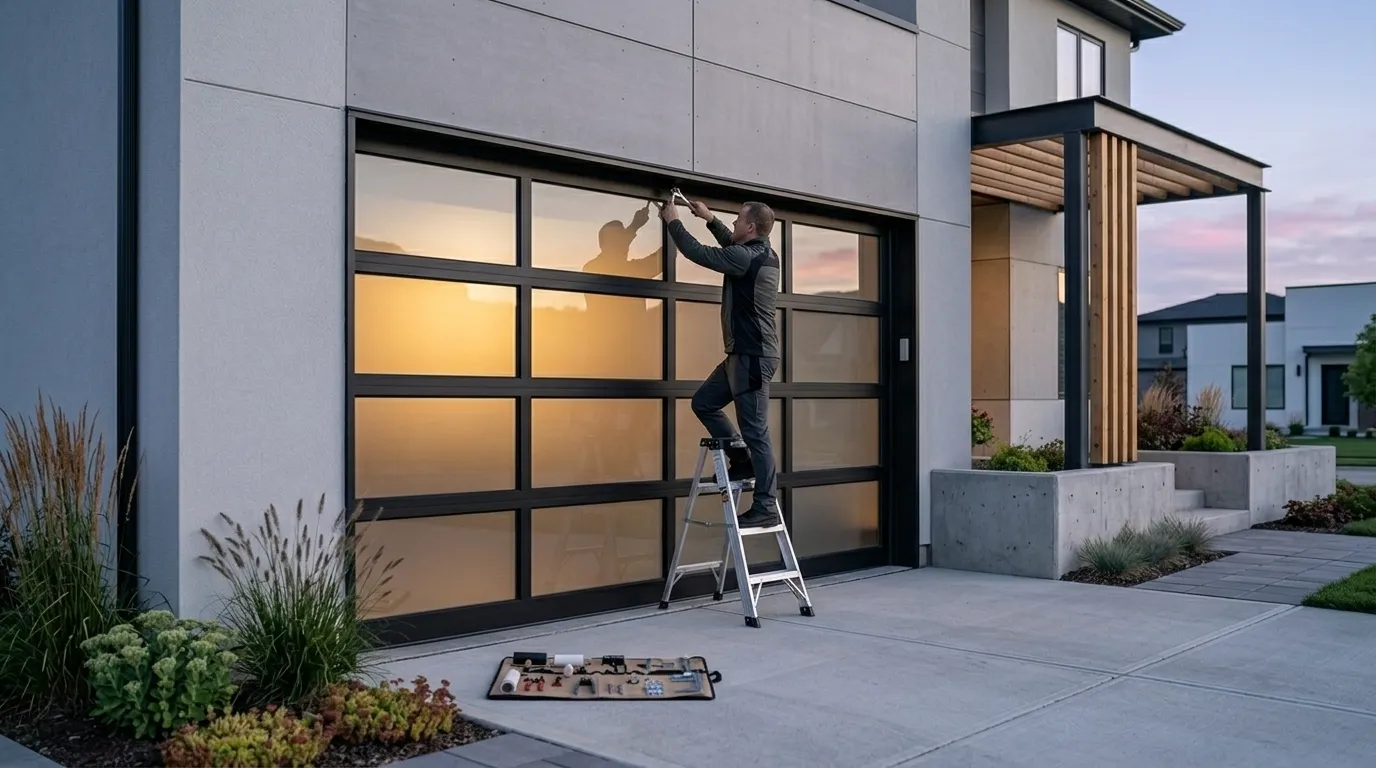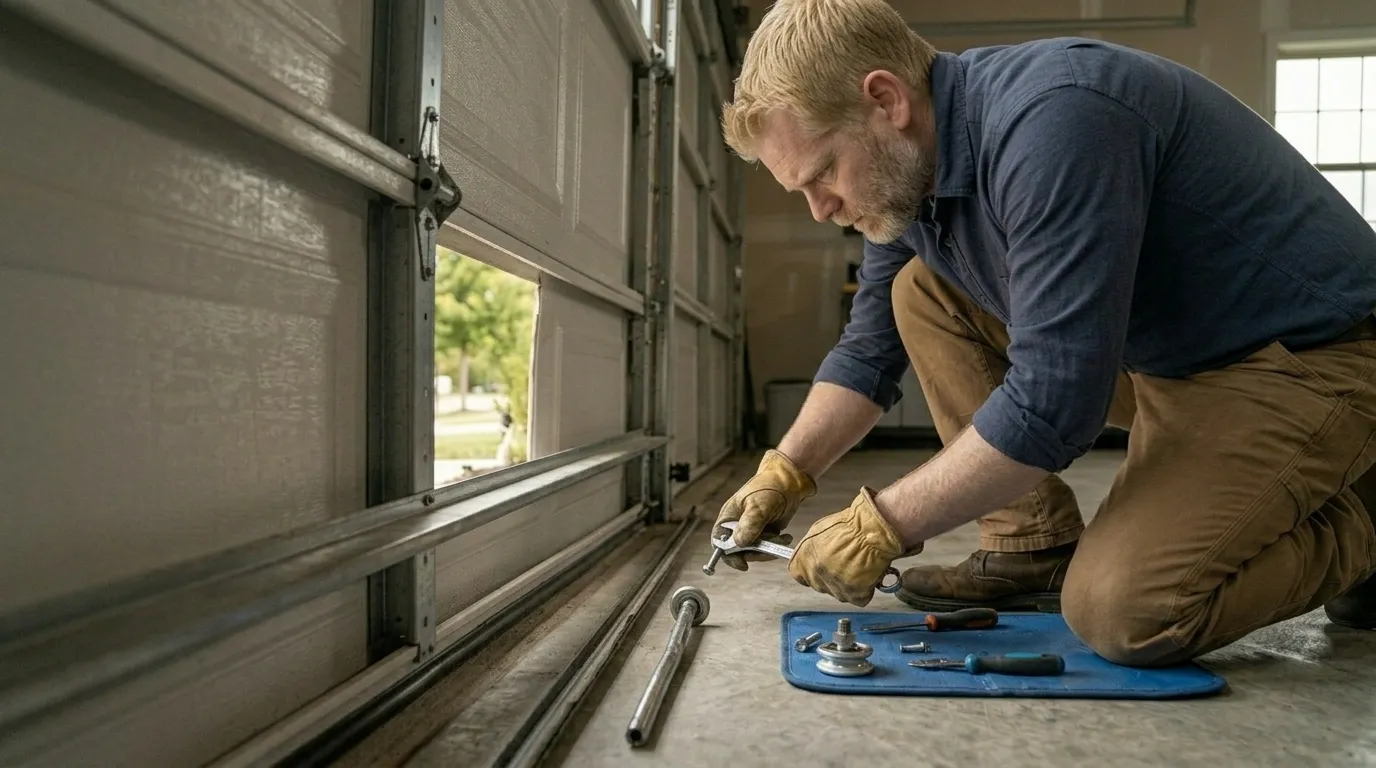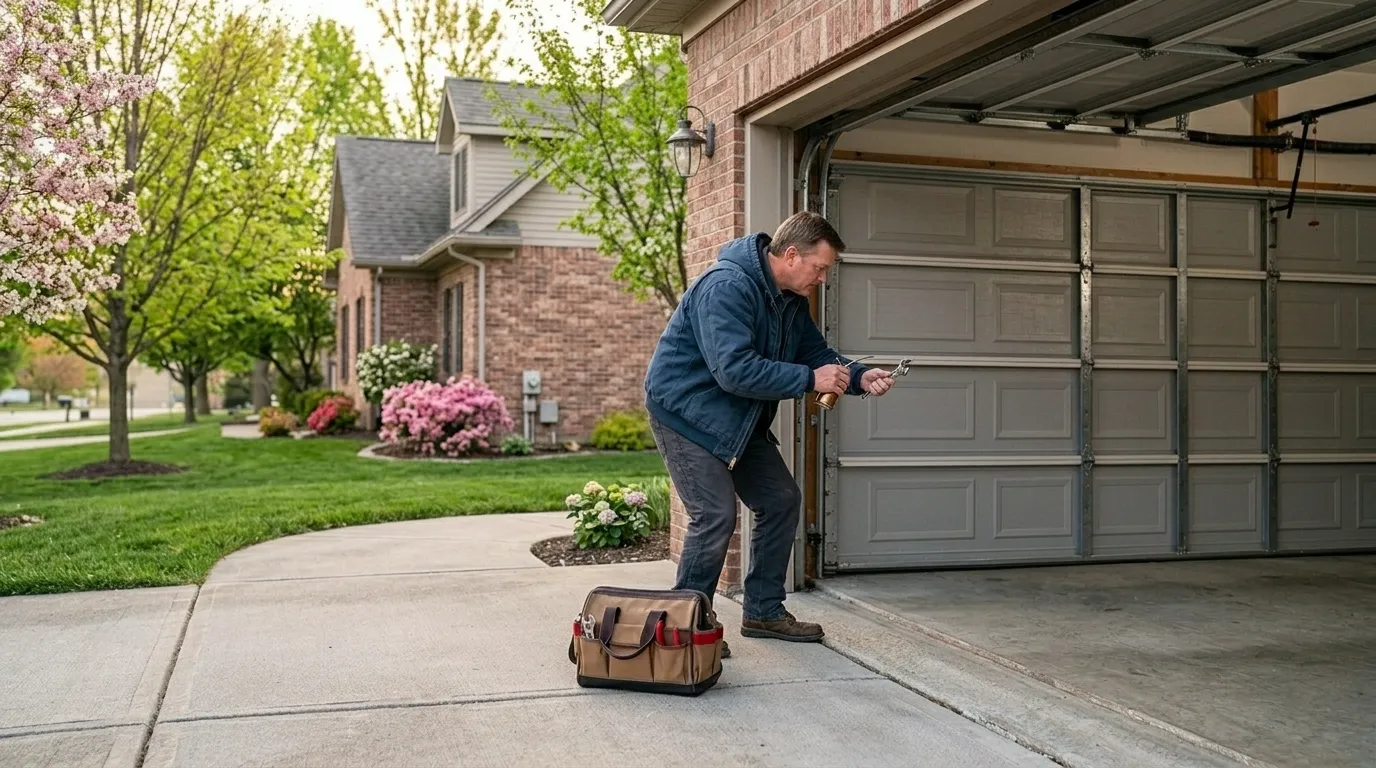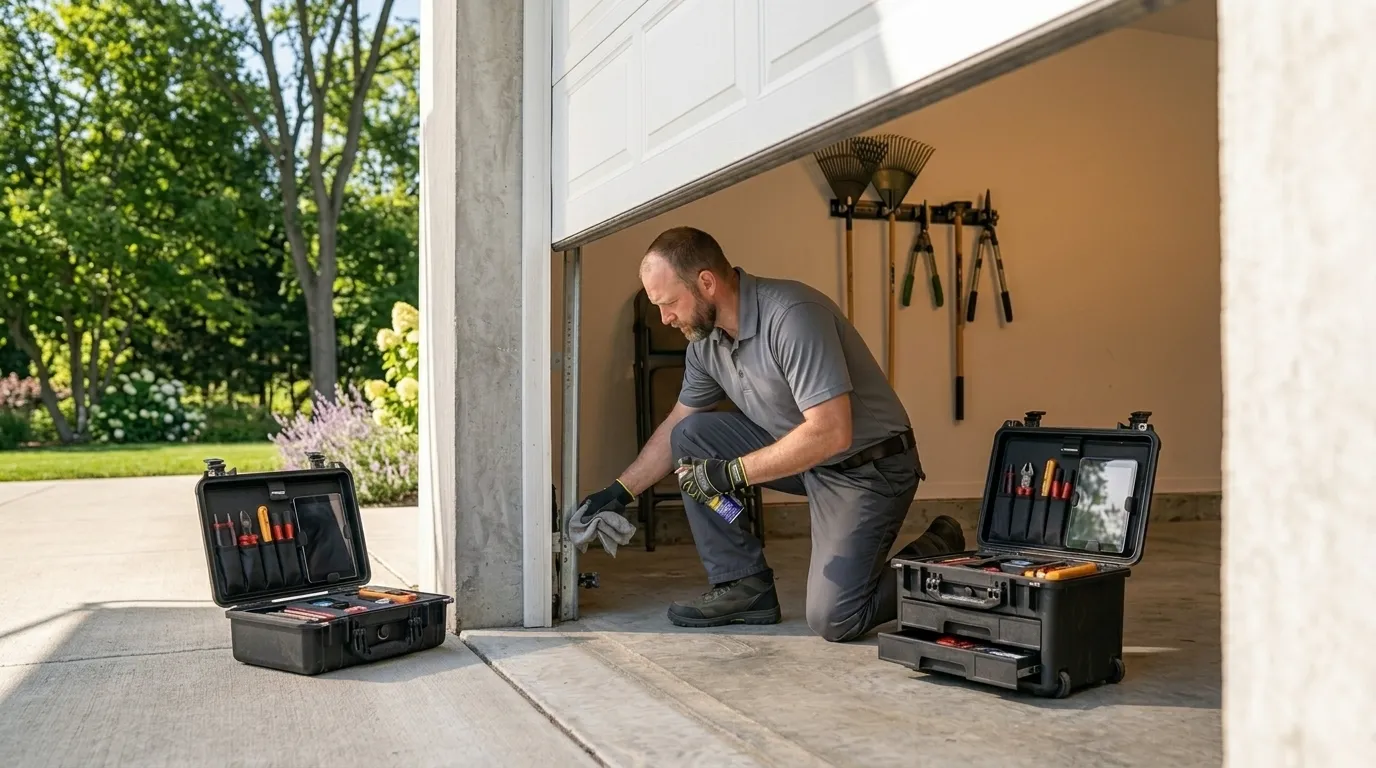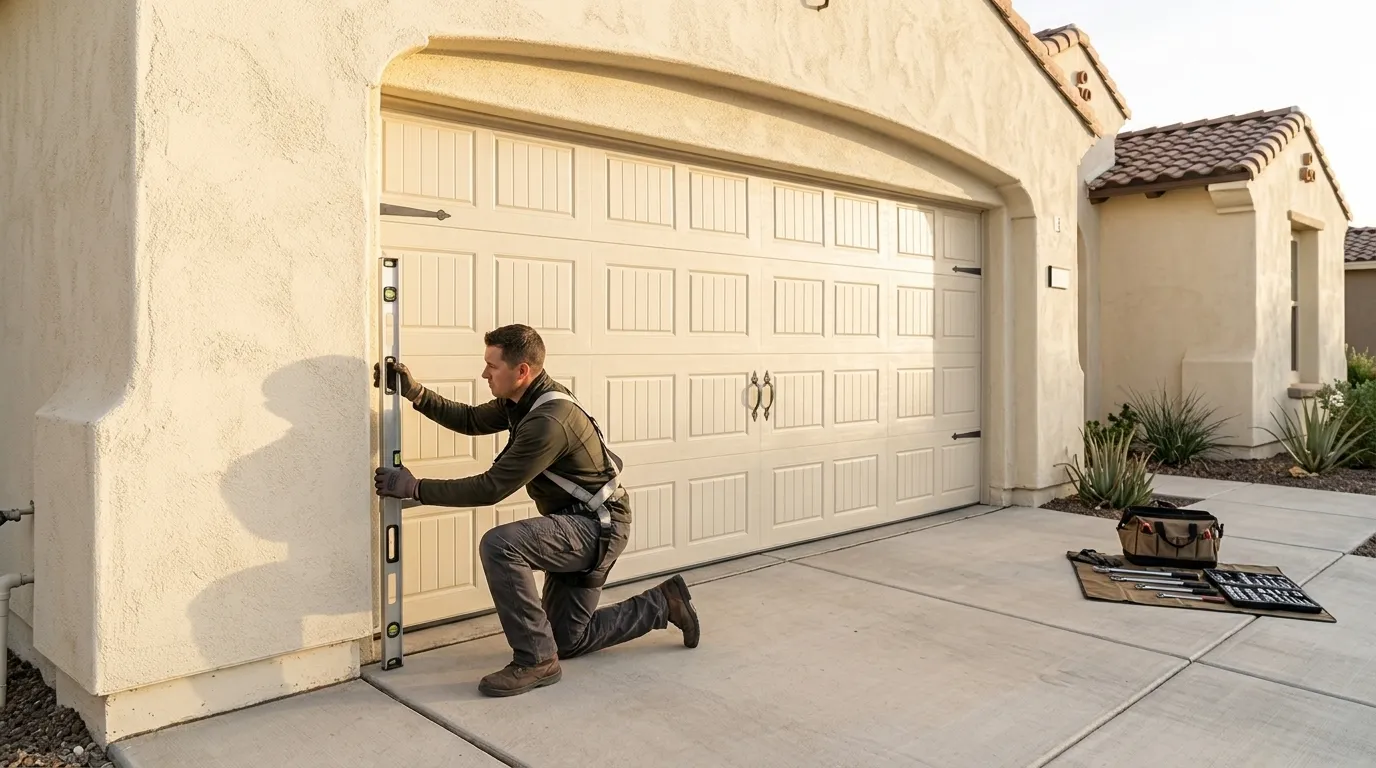

What You Are Seeing
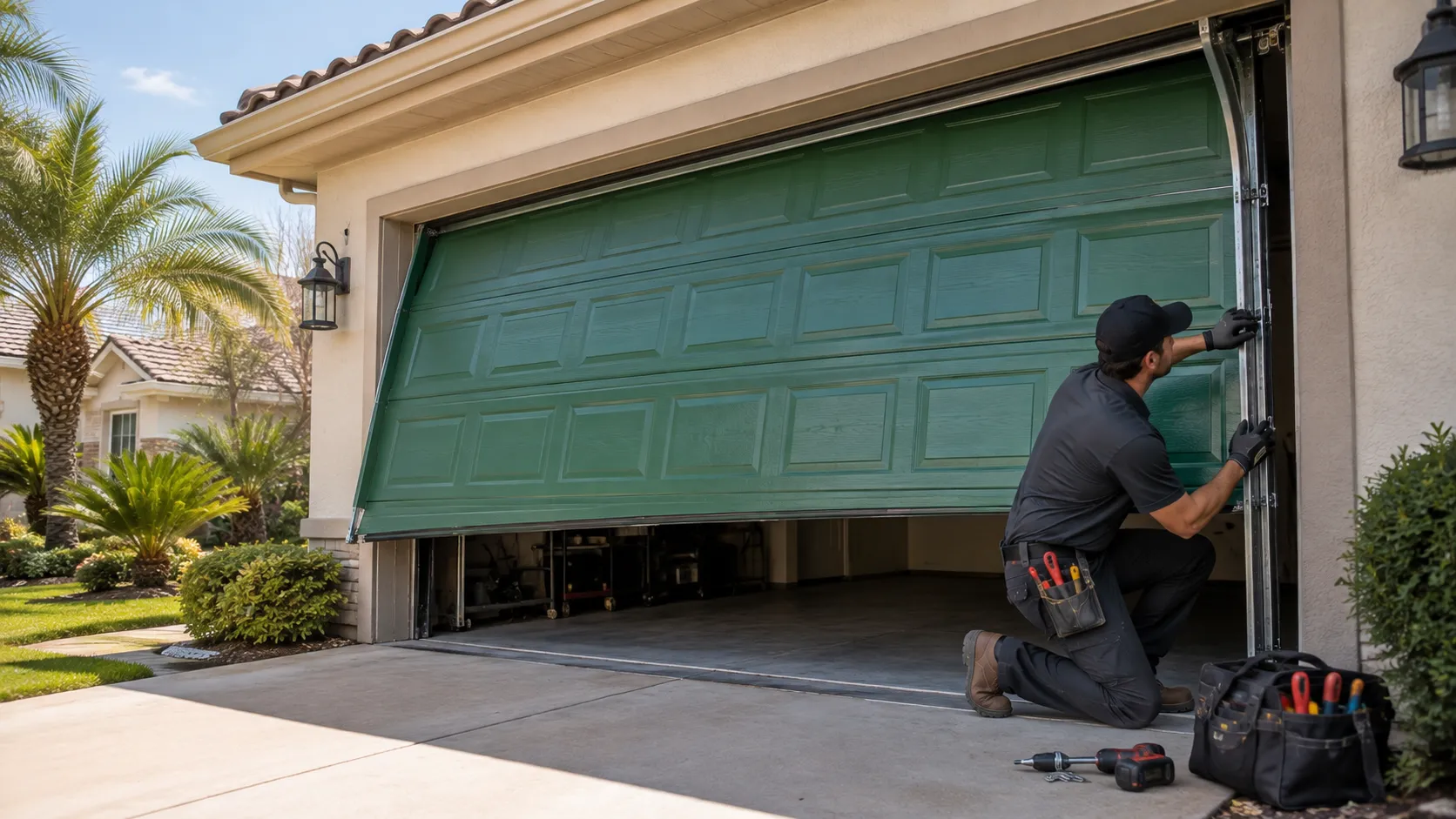
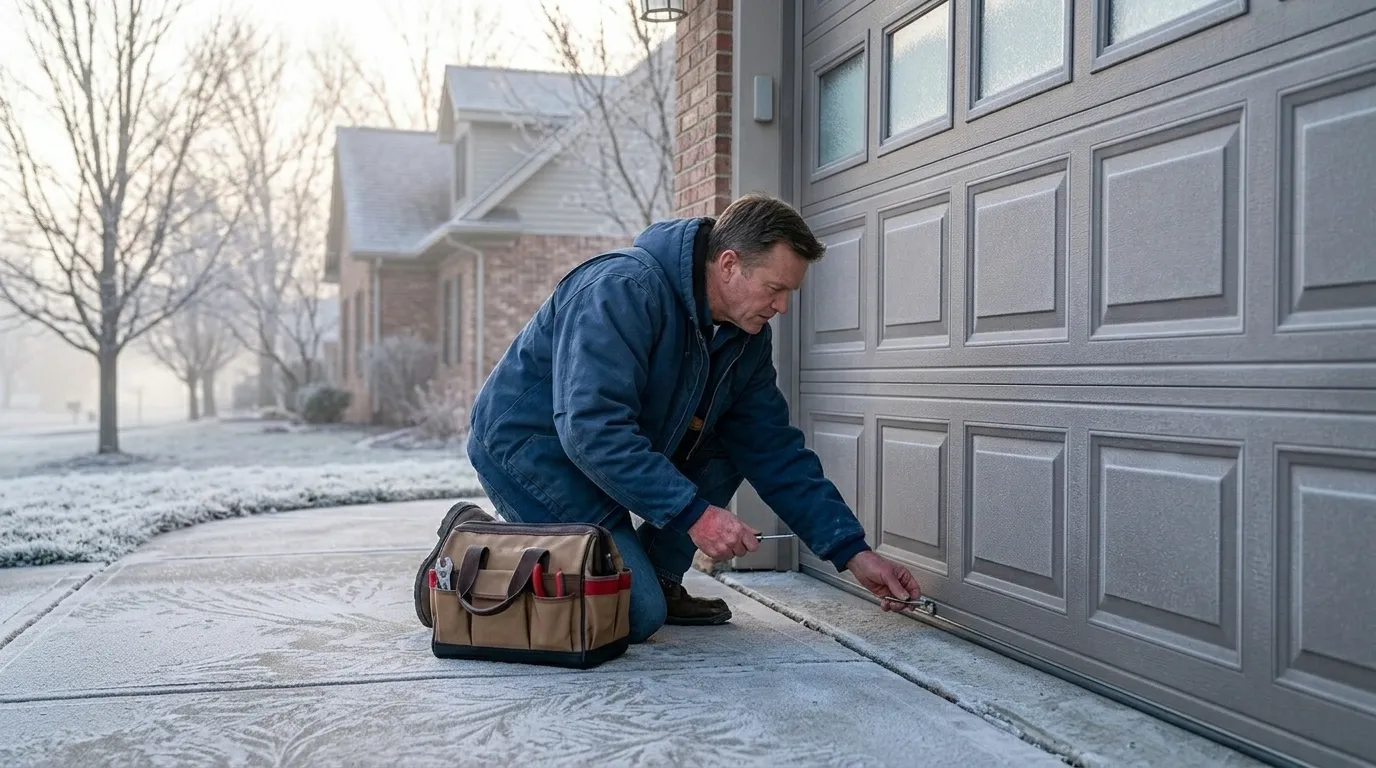
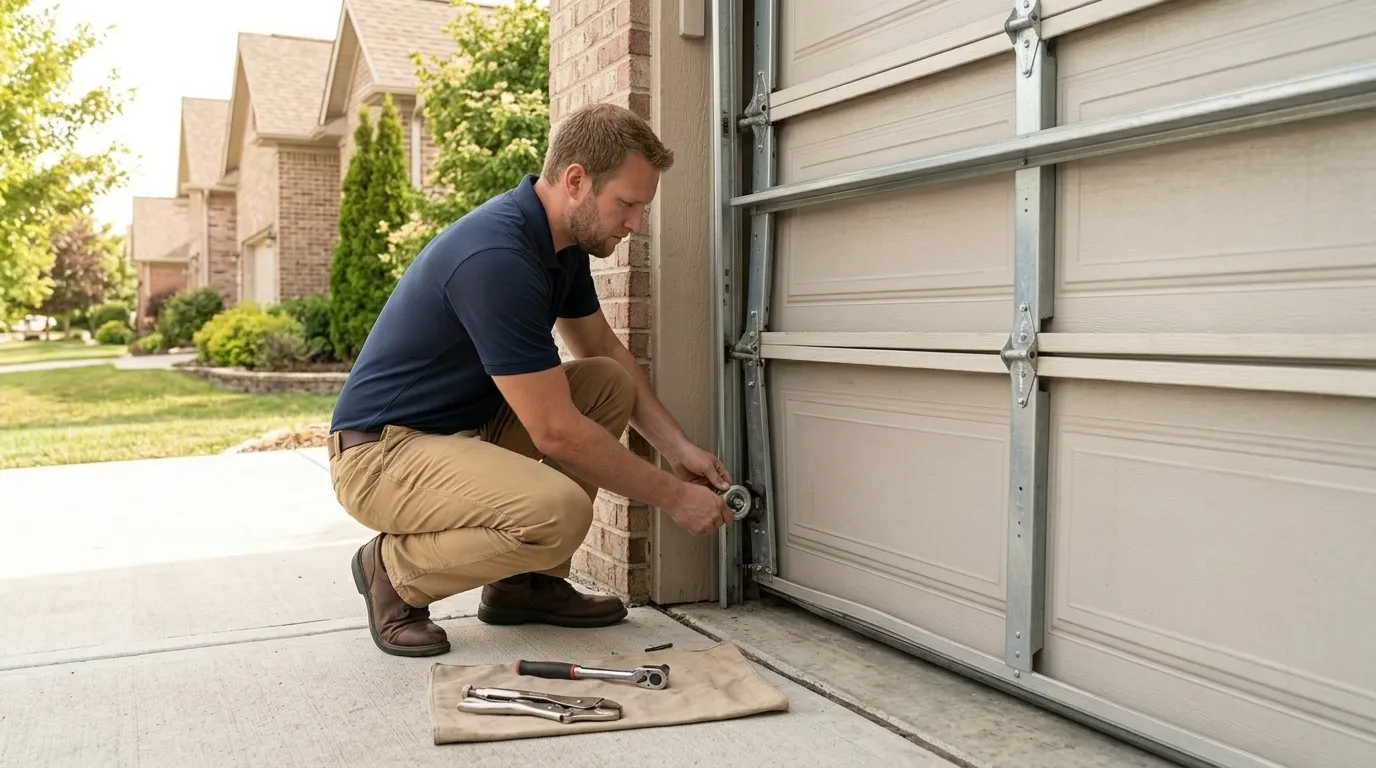
If your door is fighting you - reversing halfway up, or dropping fast on one side - and the house dates from the early 1980s like most of this area, the usual suspect is original hardware that's simply worn past its service life, not a defect. Galvanized torsion springs from that period weren't rated for the cycle counts we ask of them now, and after four decades of Colorado's cold, dry swings, the coating on the cable and the spring itself is often the first thing to give. Cold, severe winters here mean the steel contracts and expands more than it would in a milder climate, and that stress shows up first at the weakest weld or the oldest spring, not evenly across the door. A door that binds only in January and runs fine by June is telling you something about temperature, not about the opener's logic board. We look at the springs and the track alignment before we touch the opener, because on a house this age, the mechanical side fails long before the electronics do.
Parts We Carry
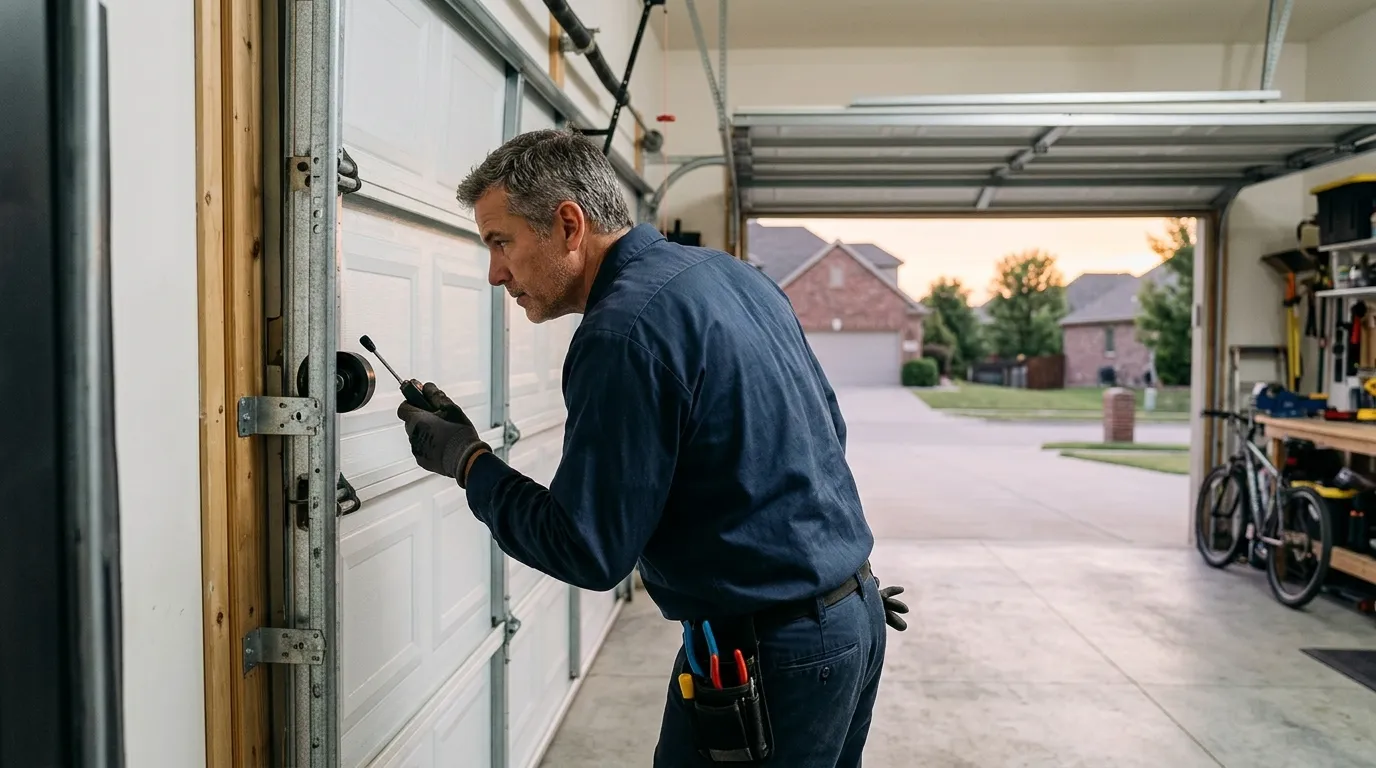
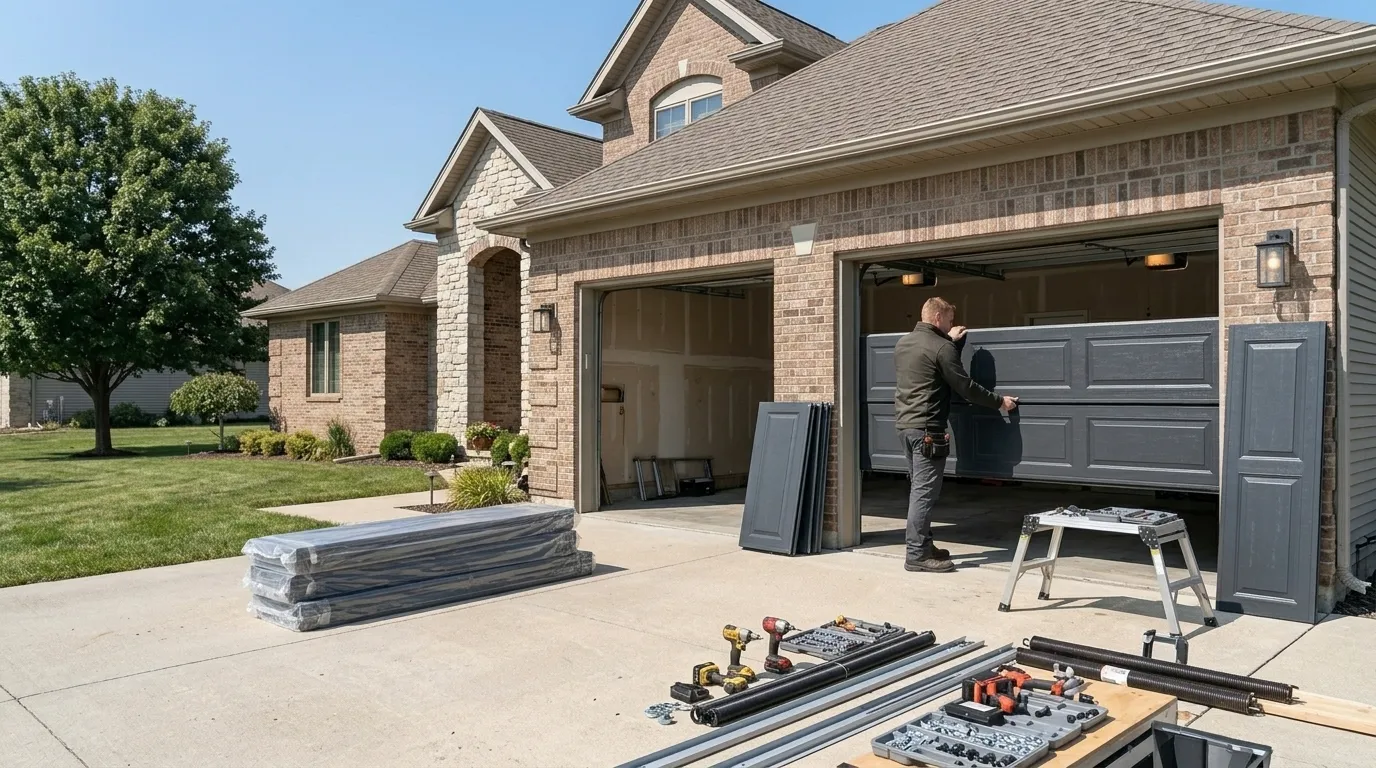
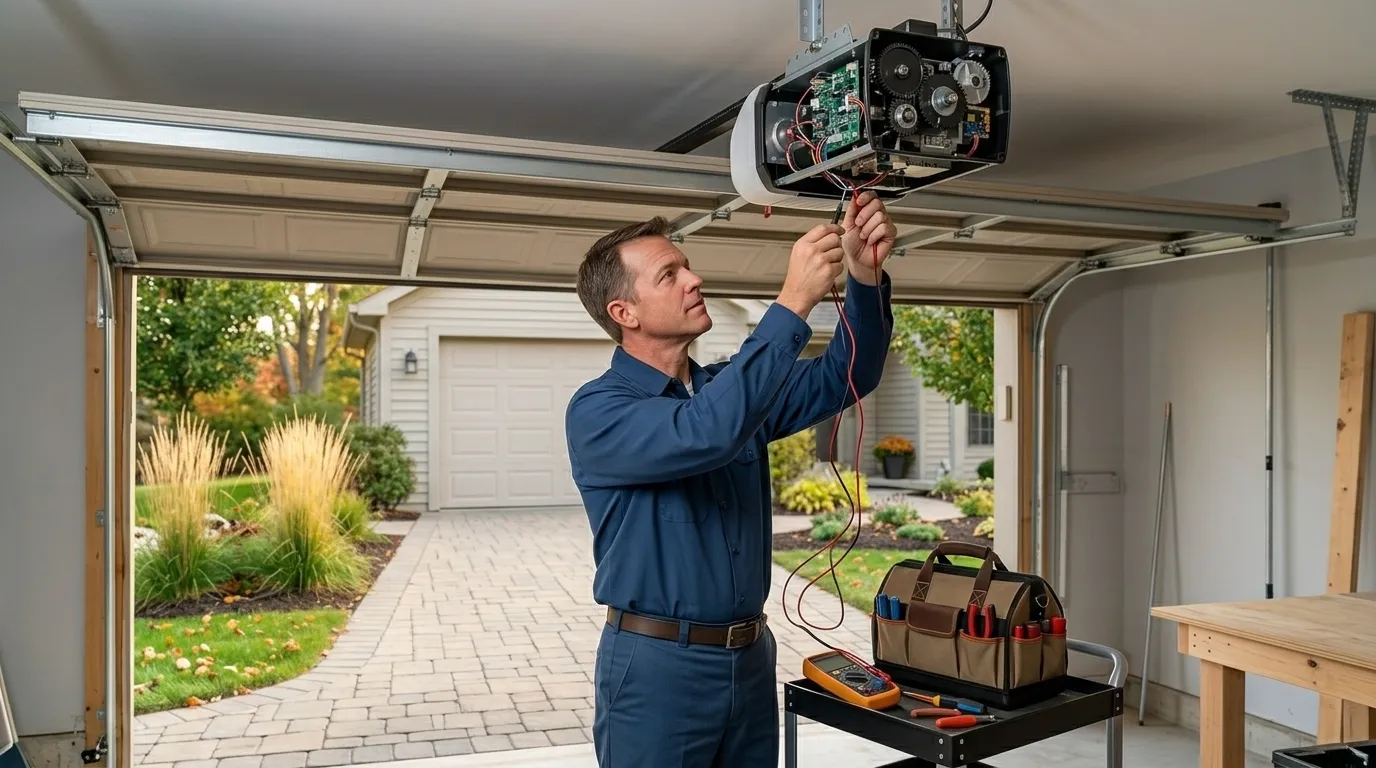
For a 1982-era door, the parts that matter most are torsion springs sized to the original door weight, standard lift cables, and steel rollers to replace the nylon ones that were common on builder-grade doors from that period. We stock the sizes that fit the double and single-car openings typical of houses this age in the area - we don't special-order a spring for a job we see every week. Openers are a different story: if yours is original, the drive system and safety sensors are obsolete enough that repair parts for the unit itself are hard to source, and we'll say so rather than hunt for a part that doesn't exist anymore. In that case replacement is the honest answer, not a stall tactic. What we won't do is sell you a full door replacement when a spring and a set of rollers solve the actual problem - that call gets made in your garage, not before we've looked at the door.