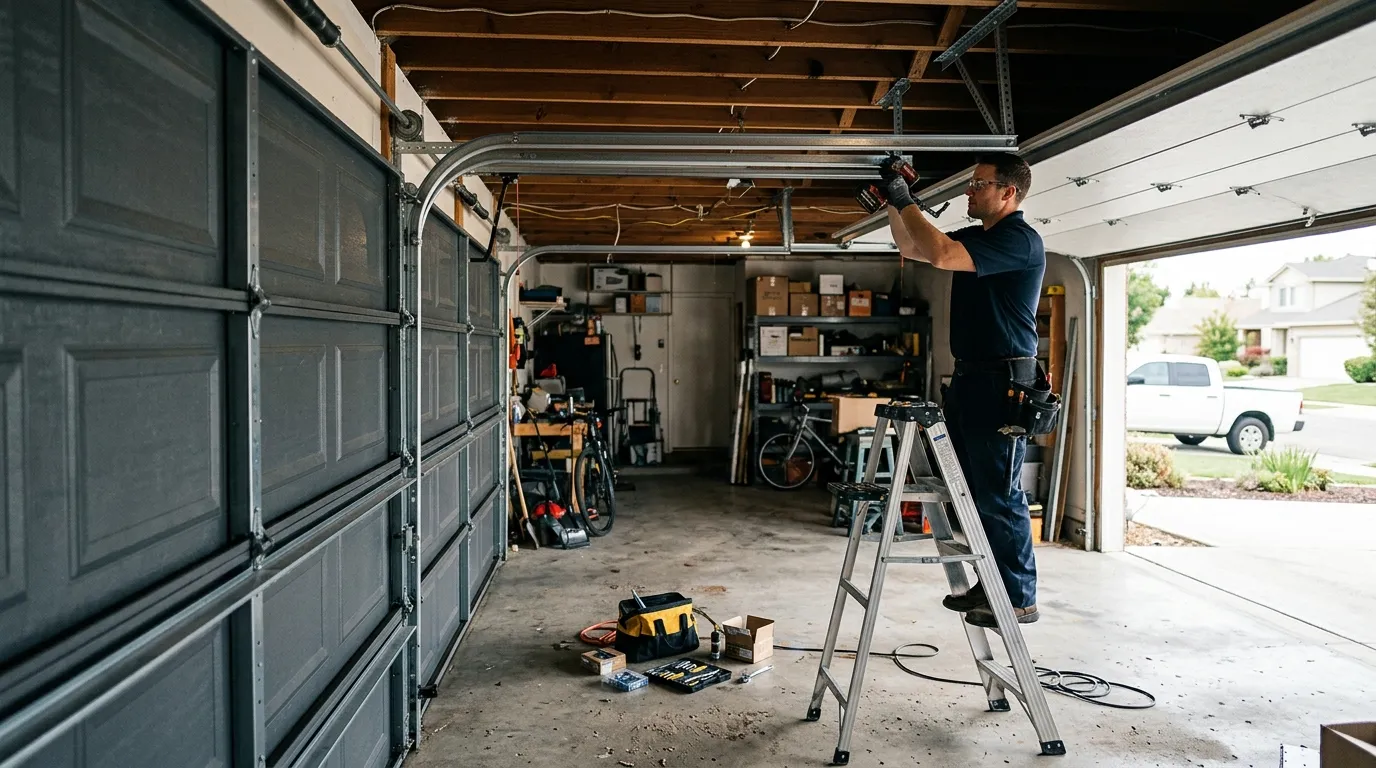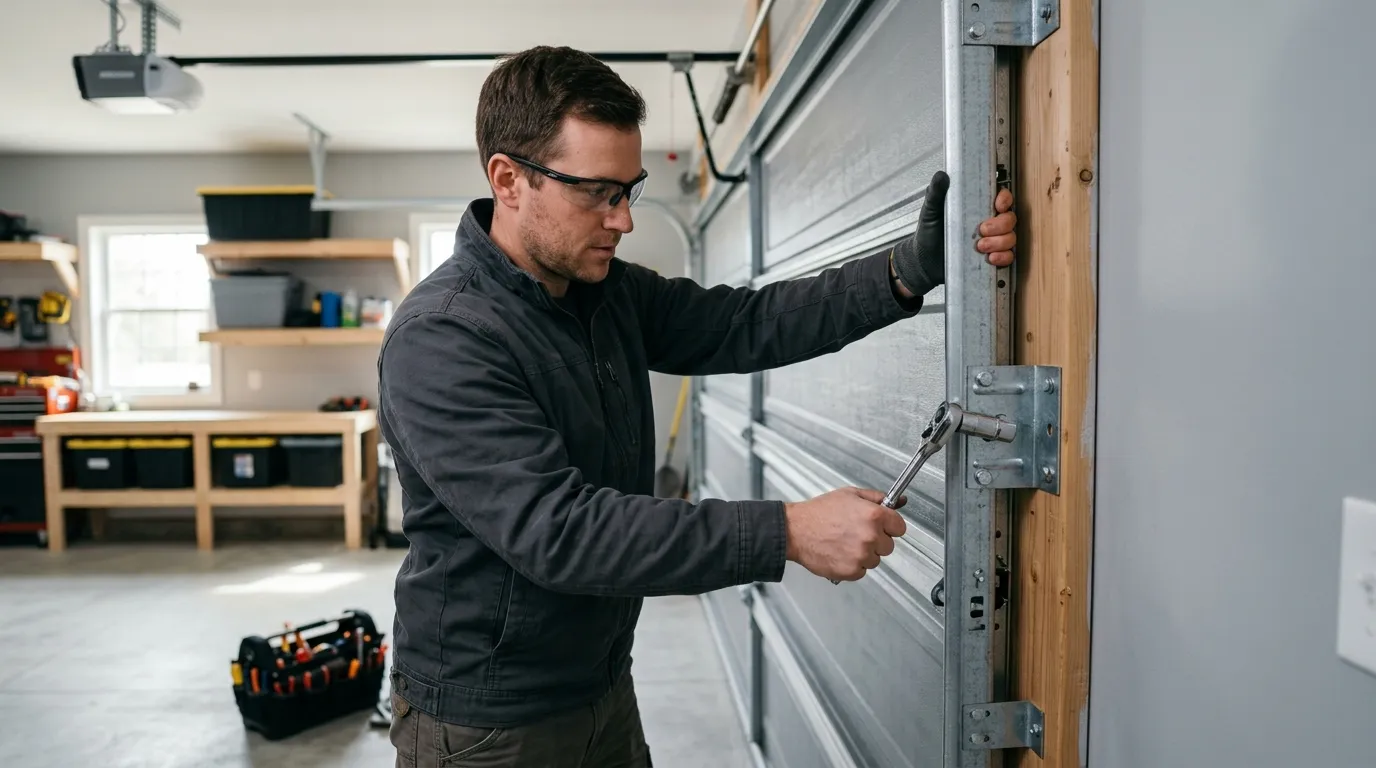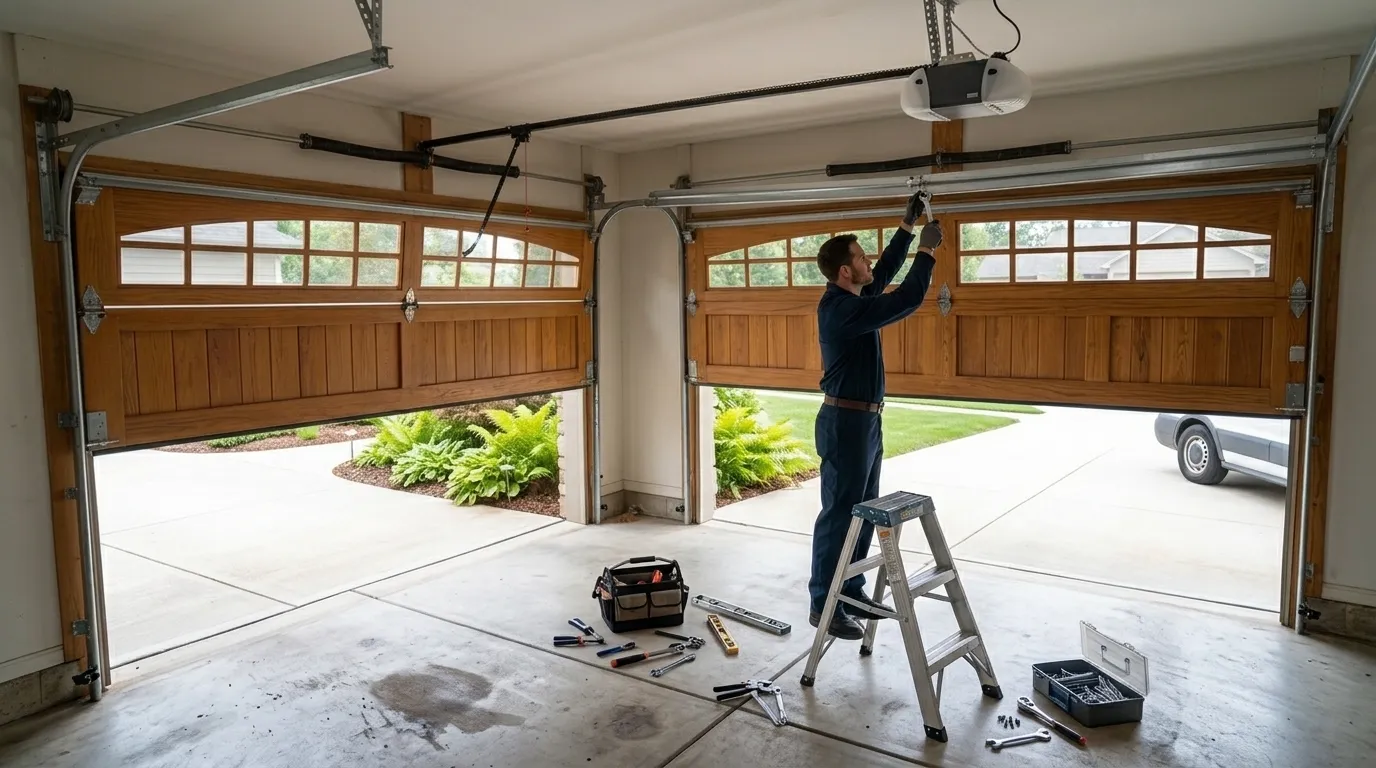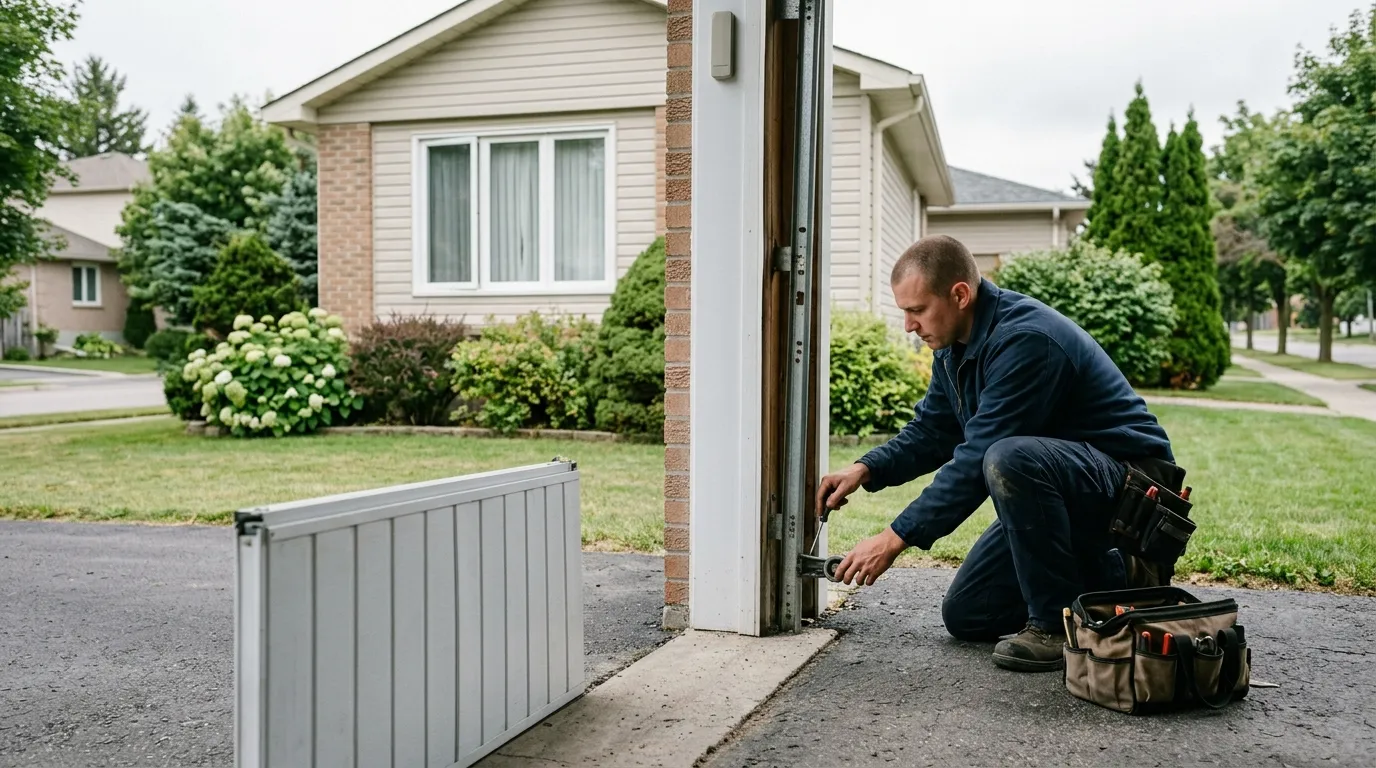
What You Are Seeing
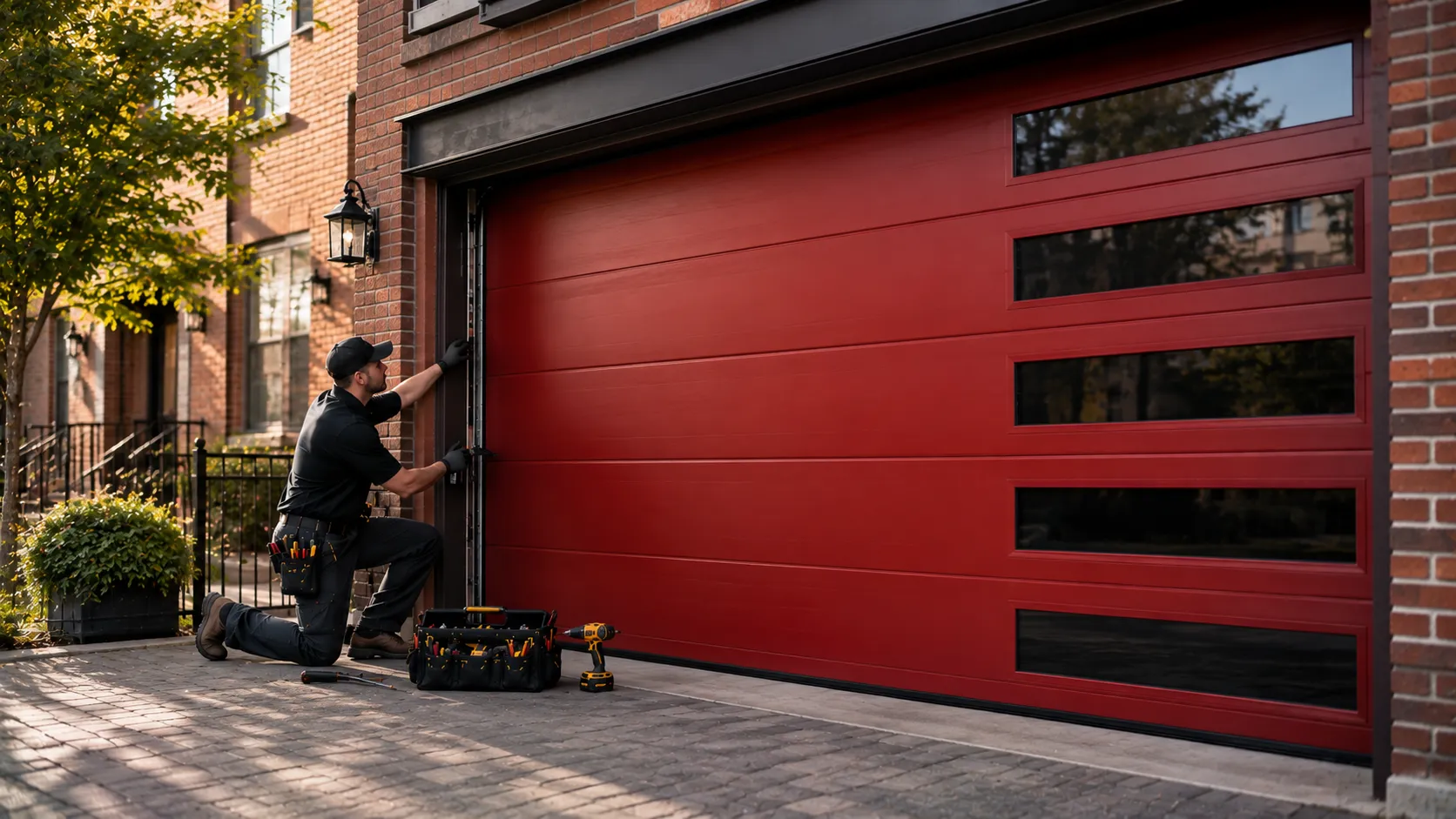
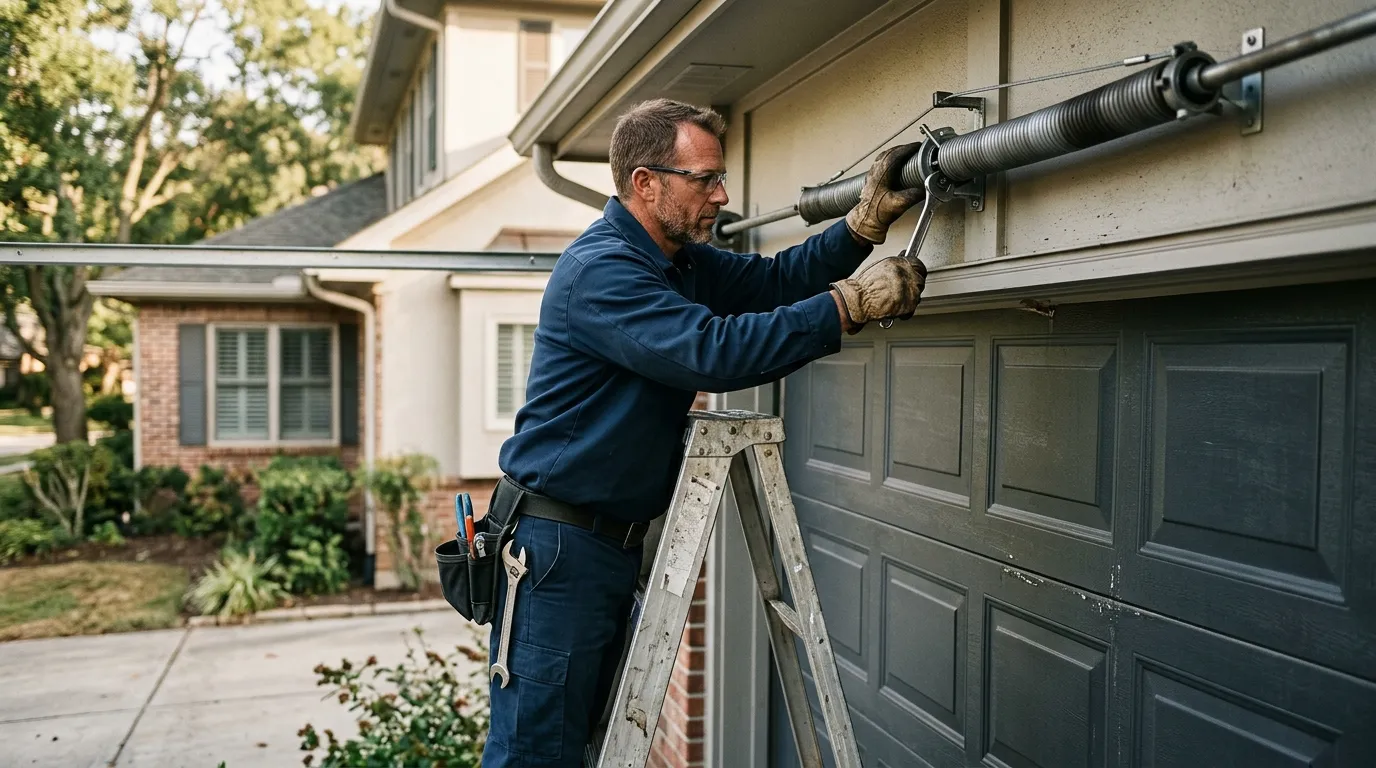
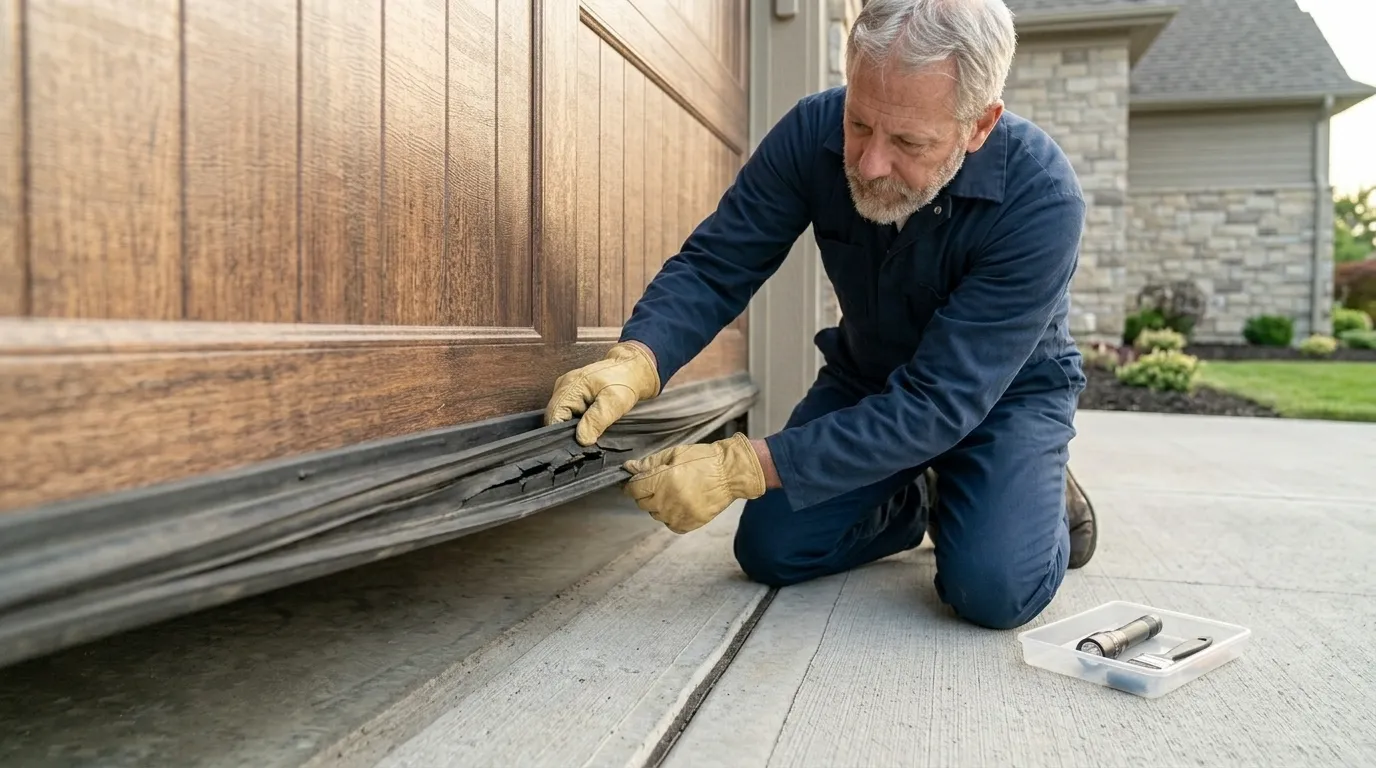
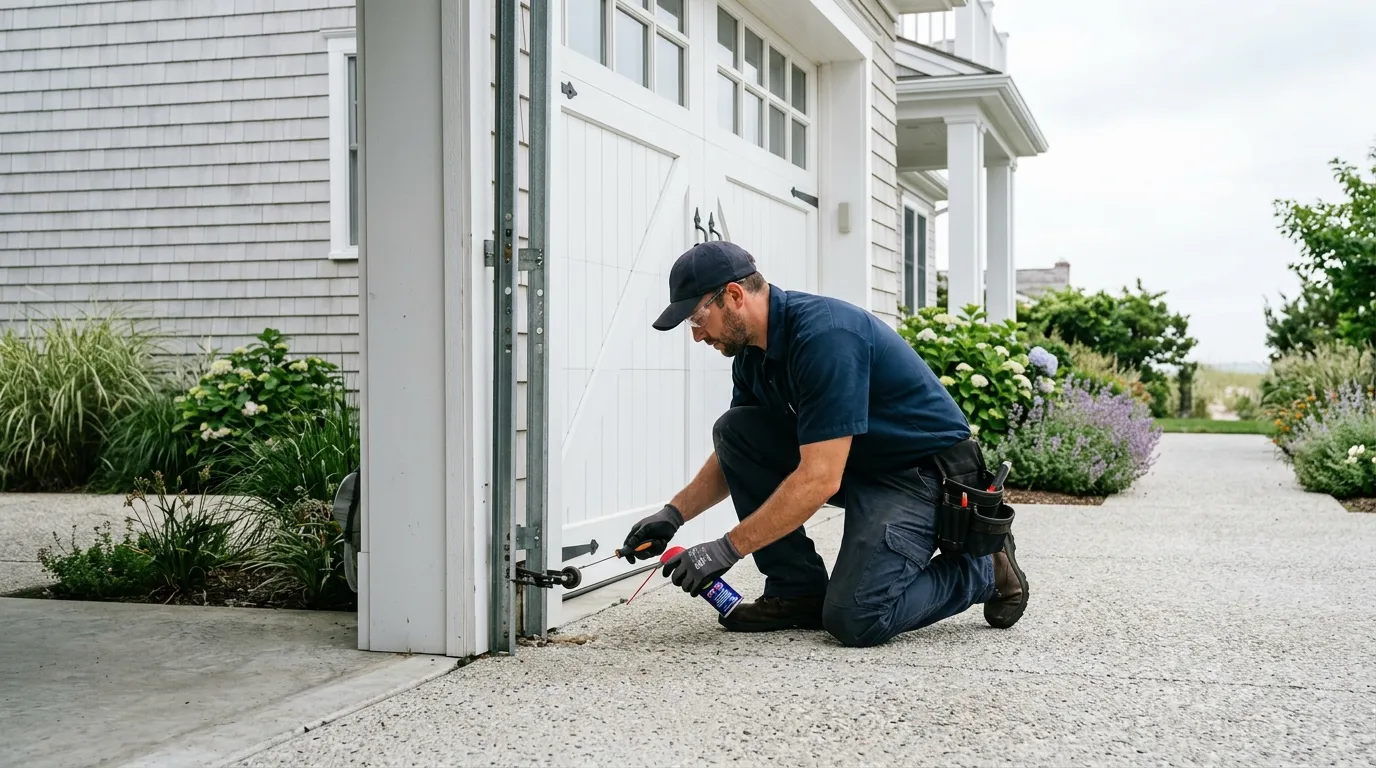
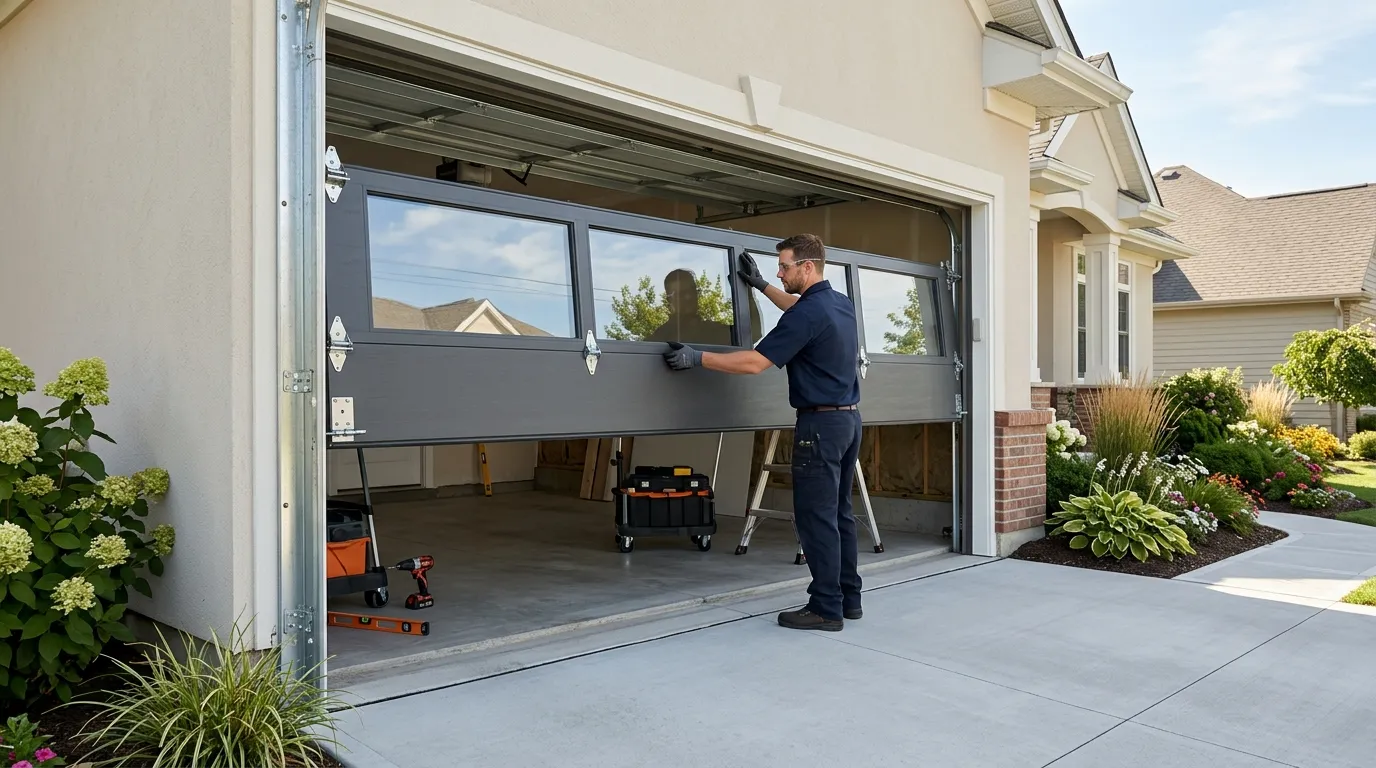
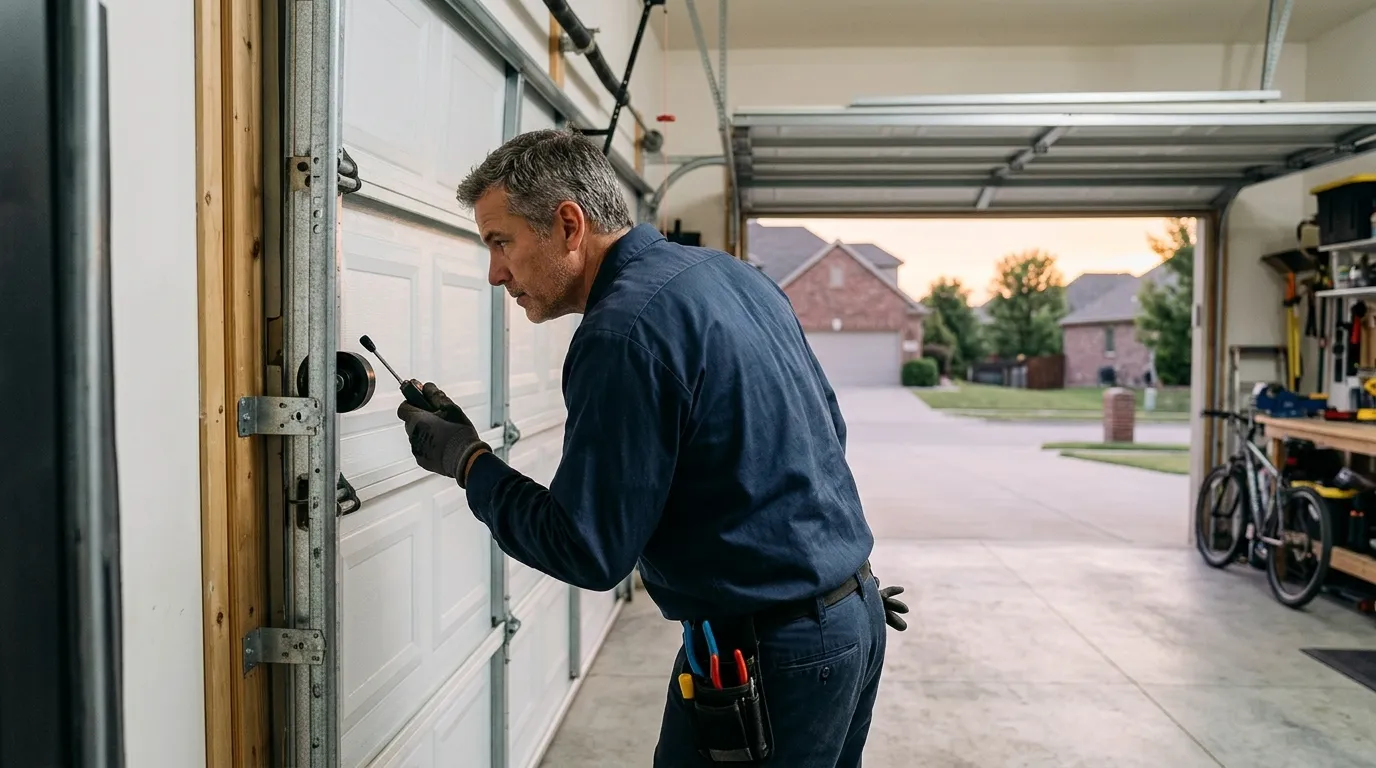
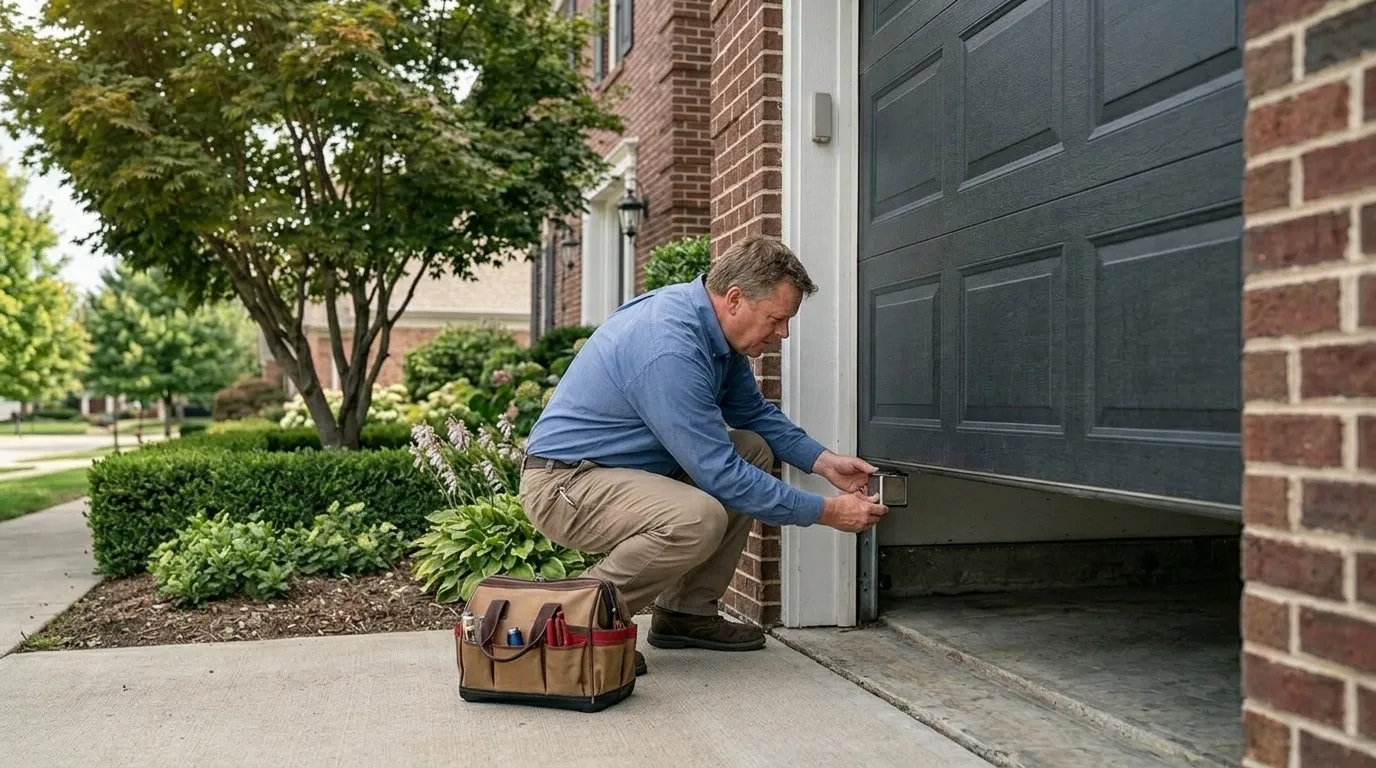
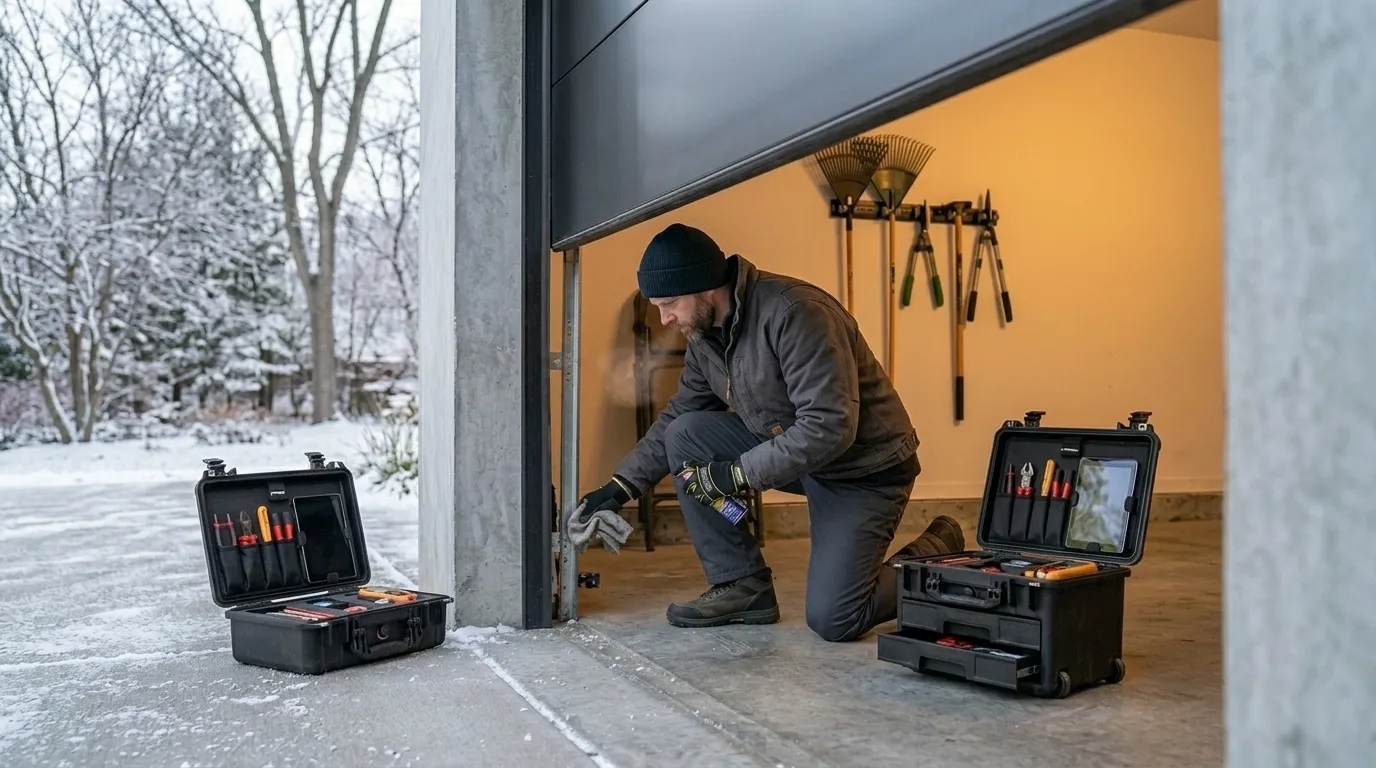
Houses in Security-Widefield built around the early 1980s went up with steel garage doors, usually a single non-insulated layer on 16x7 double bays or 9x7 singles, hung on galvanized track and torsion springs sized for the door's actual weight at the time - lighter than what gets installed today. Forty-plus years of Colorado's cold-band winters work on that steel and that hardware the same way every year: springs lose tension and eventually snap, rollers dry out and grind in the track, and the bottom panel picks up rust or denting where runoff sits against it. If your door drops fast when you pull the release, or the opener strains and reverses partway up, that's almost always a spring at the end of its life, not the opener motor. A door that won't seal tight at the bottom on a below-freezing morning is usually the panel itself, warped or dented, not the weatherstrip.
Parts We Carry
For doors from this build era we stock torsion springs in the common wire sizes used on 1980s steel doors, standard-lift cables, galvanized rollers, and bottom-panel weatherstrip sized for older non-insulated sections. What we don't always carry on the truck is an exact-match steel panel for a discontinued door profile - if your specific panel was made by a manufacturer that's changed its line since 1982, we may need to order it, and we'll tell you that lead time up front instead of promising a same-visit fix we can't deliver. In a lot of those cases replacing the single damaged section costs more than it's worth once you add freight, and we'll say so rather than push the part. Springs, cables, and rollers we do carry, and those cover the large majority of what actually fails on a door this age.