Where This Job Goes Sideways
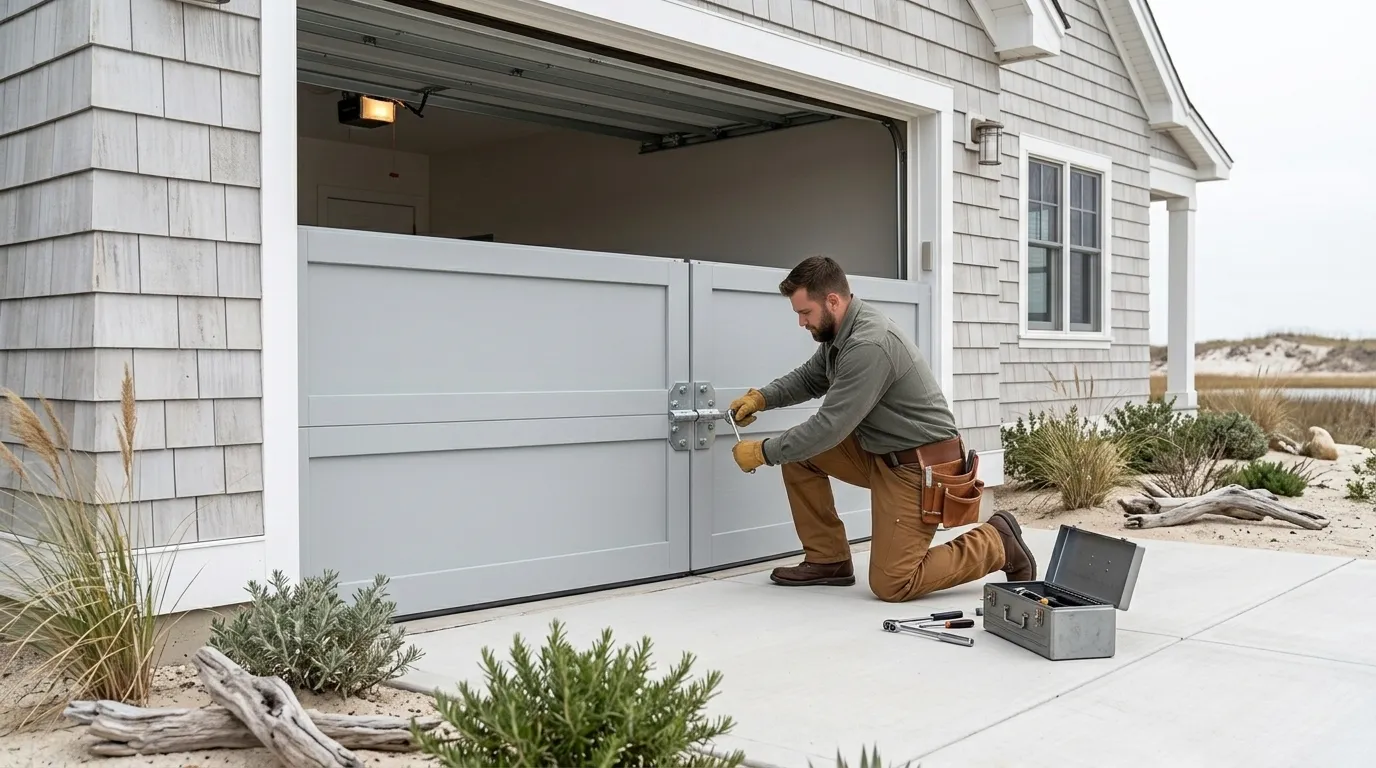
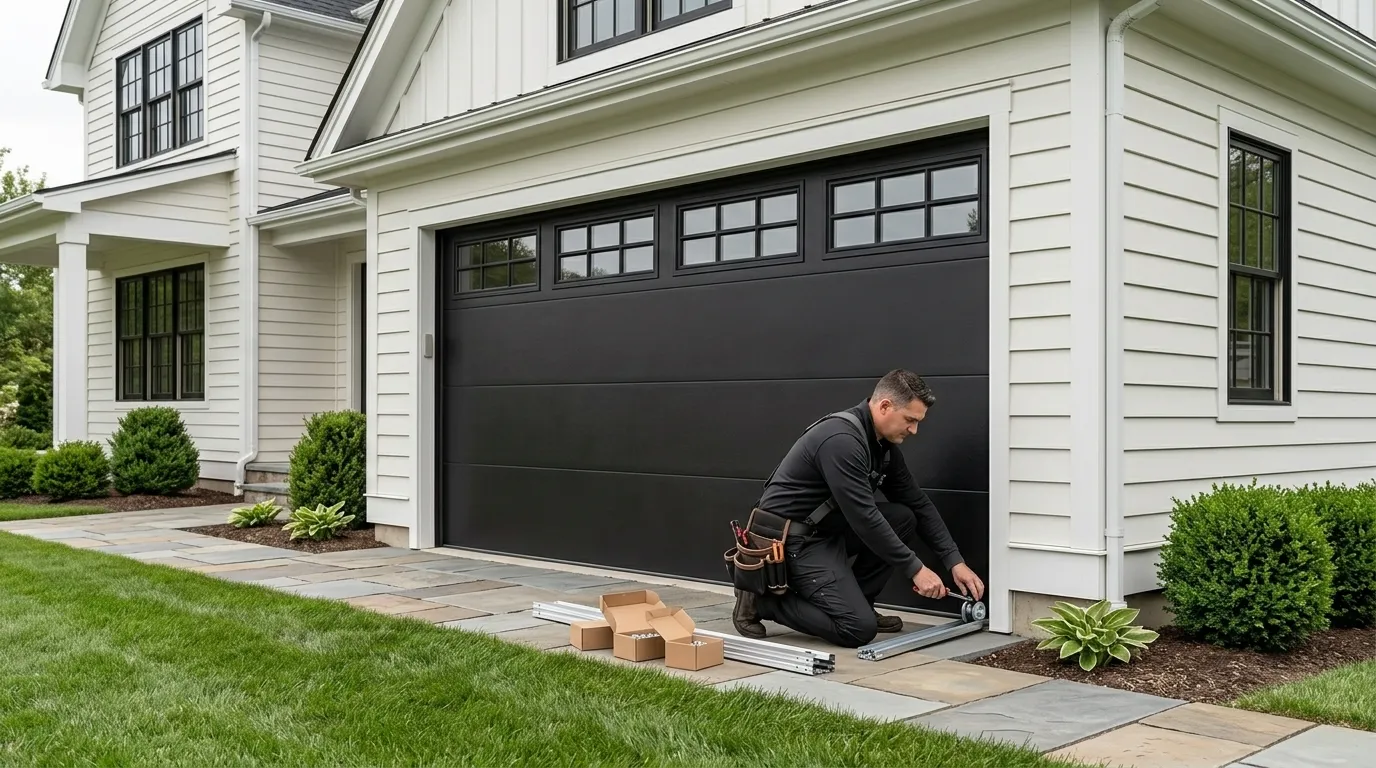
On a late-1990s build, the opening itself is rarely the problem - it's usually square, standard width, and framed to code for the era. Where installs go sideways here is the opener wiring and the track clearance in garages built with slightly higher ceilings than the older stock nearby, which can throw off standard-drop track kits if nobody measures first.
Another spot we watch: houses from this build year sometimes have a shared wall or bonus room over the garage, which limits headroom for a standard torsion spring setup and pushes the job toward low-headroom hardware. We catch that at the estimate, not on install day, because ordering the wrong spring configuration means a second trip from town - the exact kind of delay the distance makes expensive.
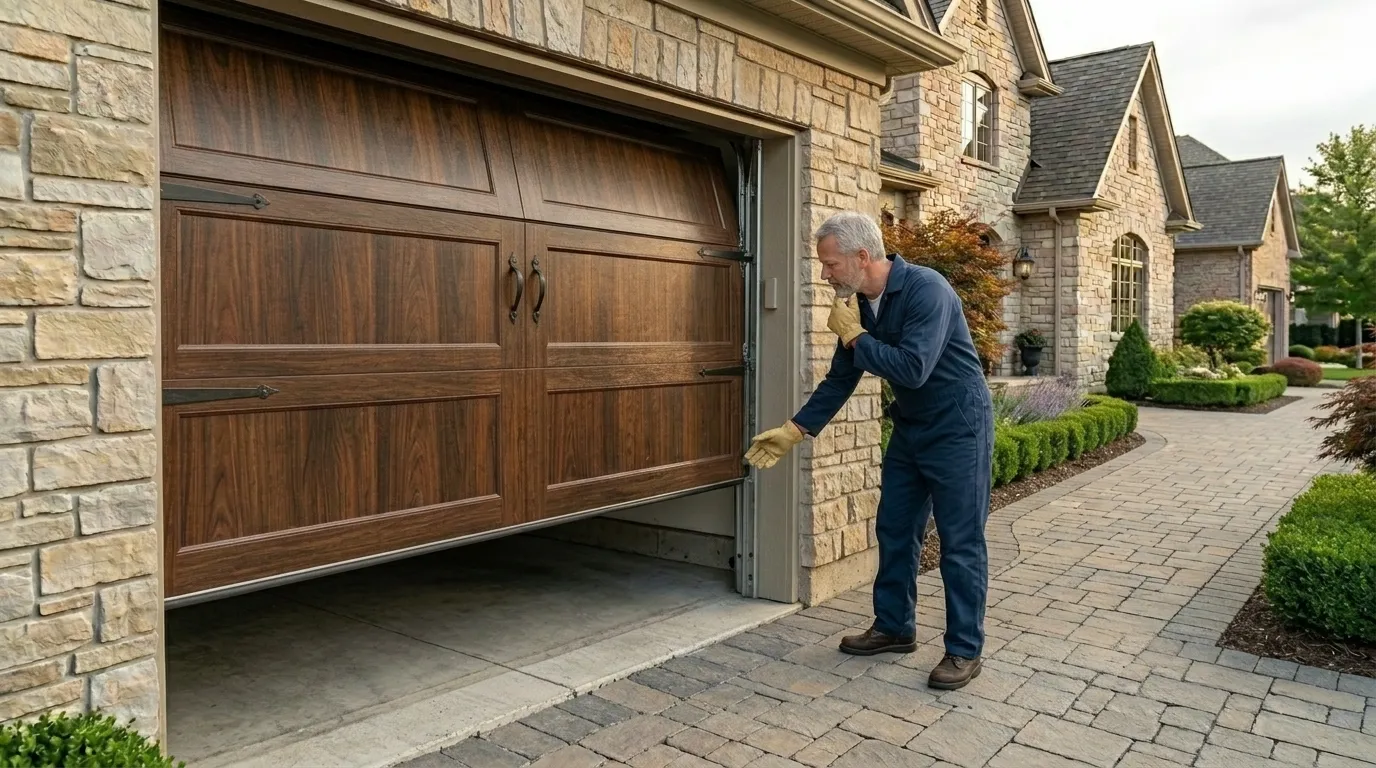
We also flag it up front if a door isn't worth replacing yet. A 1997-era door with a sound frame and no rust sometimes just needs new rollers and a spring, not a full swap. We'll say so.
What It Costs
We don't have a published price list for this page, and we're not going to guess a number that doesn't hold up. What we can tell you is that Gleneagle households run a median income well above the rest of the service area - $137,105 here versus $95,392 across the wider footprint we cover - and that shows up in the doors people choose: more insulated steel and composite installs, fewer bare single-layer panels.
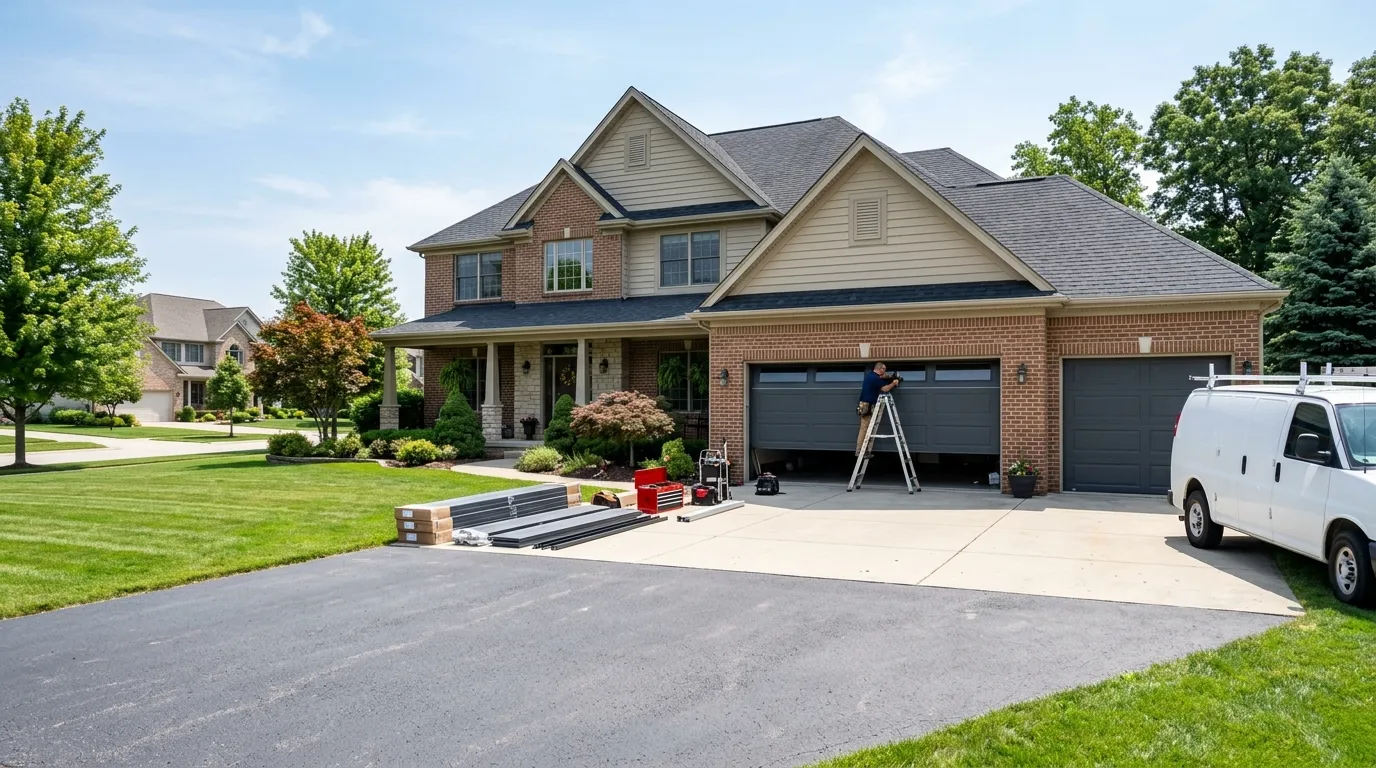
The real cost driver on any install here is the trip itself. Because we're driving in from Colorado Springs rather than working out of a local yard, we quote the job as one visit with everything loaded - door, opener if you're replacing it, hardware, and haul-away. Call for a walk-through and we'll give you a number based on what's actually in your opening, not a range pulled from a different town's job.
Doing It Yourself
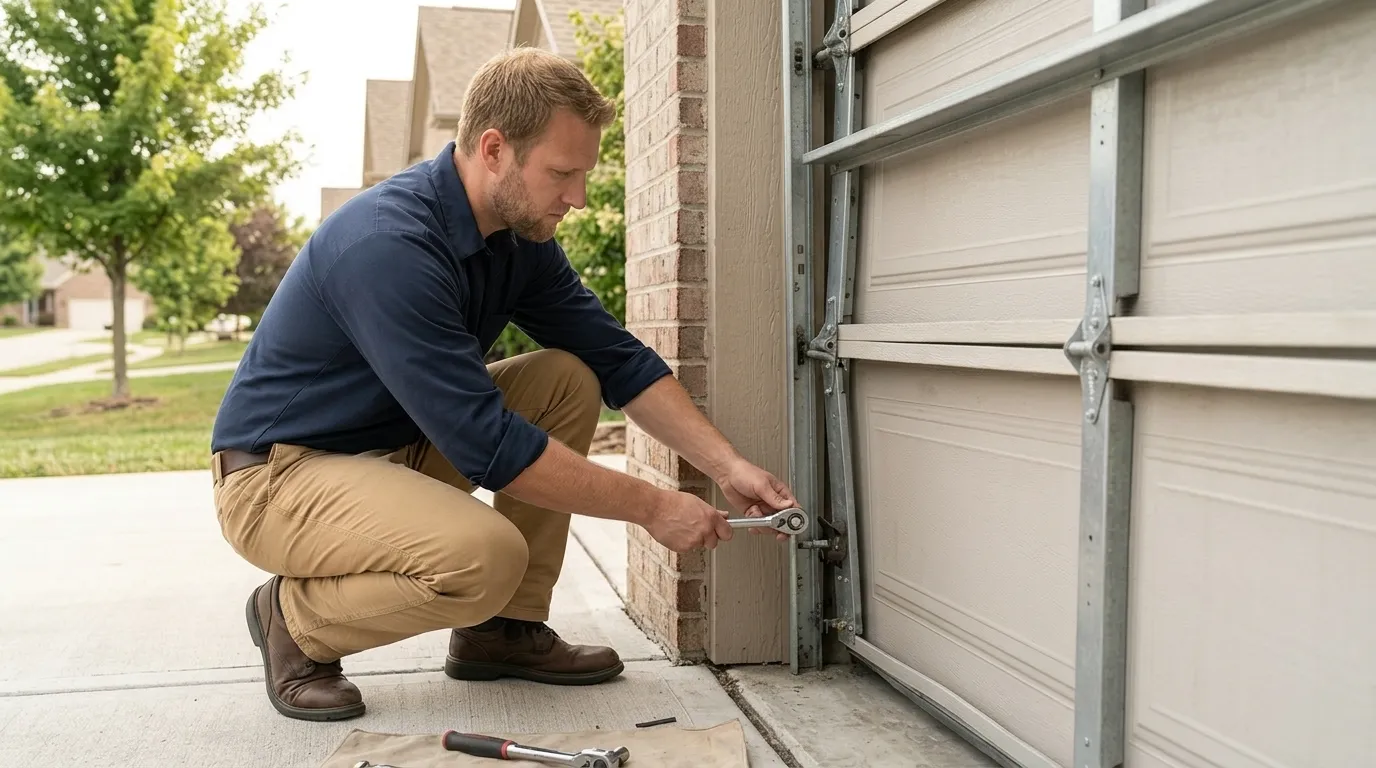
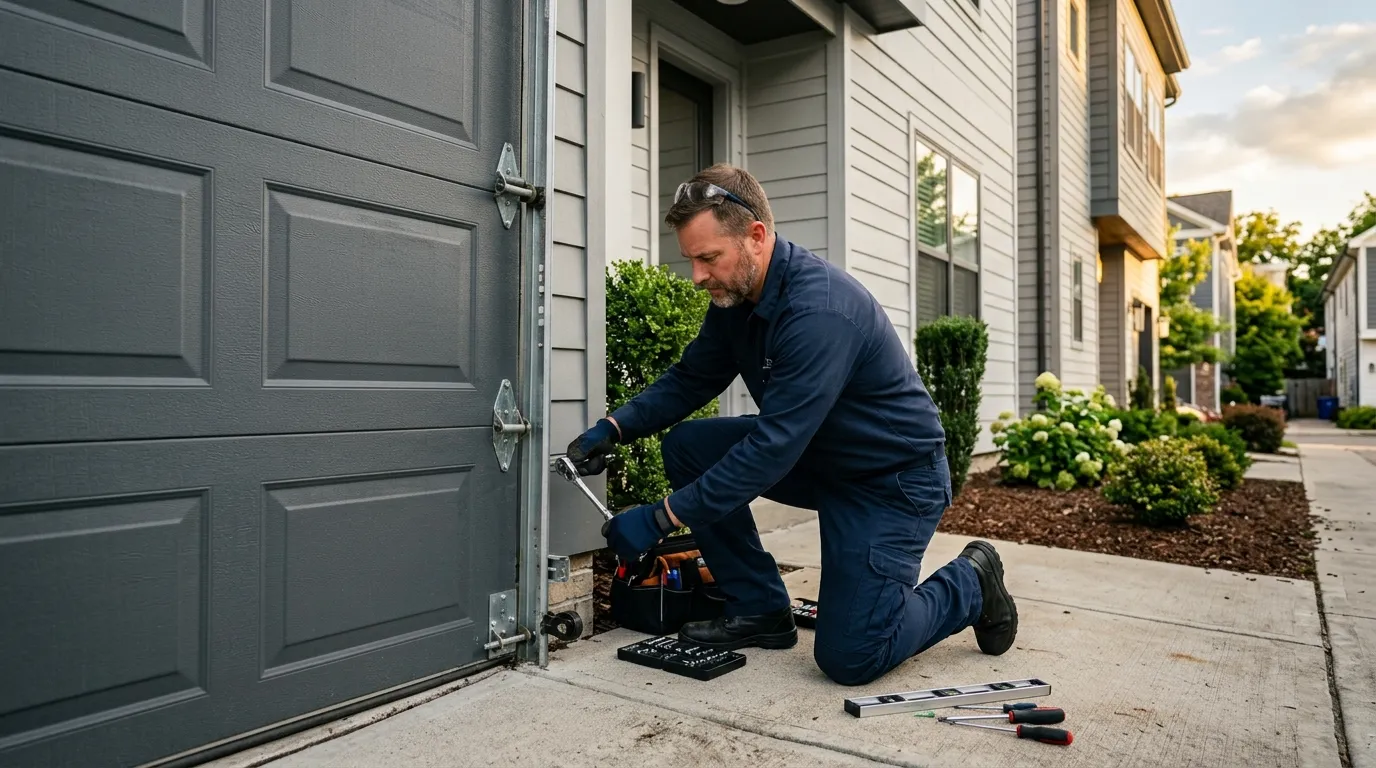
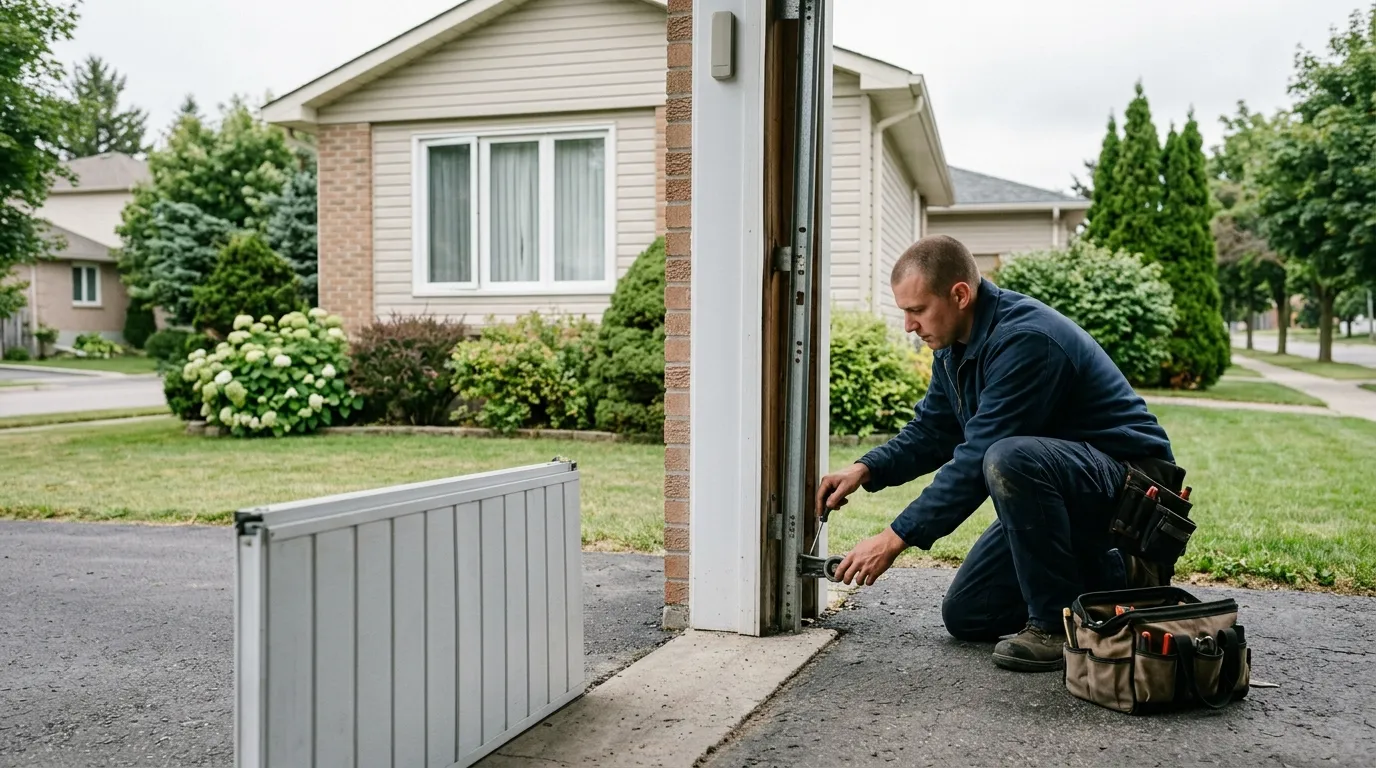
Swapping rollers or tightening track bolts on a door this age is reasonable DIY work if you're comfortable on a ladder and the door is currently working, just noisy. What isn't a DIY job, on any door of any age: touching the torsion spring. It's under enough tension to break a wrist or worse, and that's true whether the door is from 1997 or 1957.
If you're planning a full replacement rather than a repair, measuring the opening and ordering the right door width sounds simple but isn't - get it wrong by an inch and the whole unit has to go back. That's a bigger setback here than for jobs closer to Colorado Springs, since a return trip means another 12 miles each way. We'd rather come measure once and order right the first time.
Parts We Carry
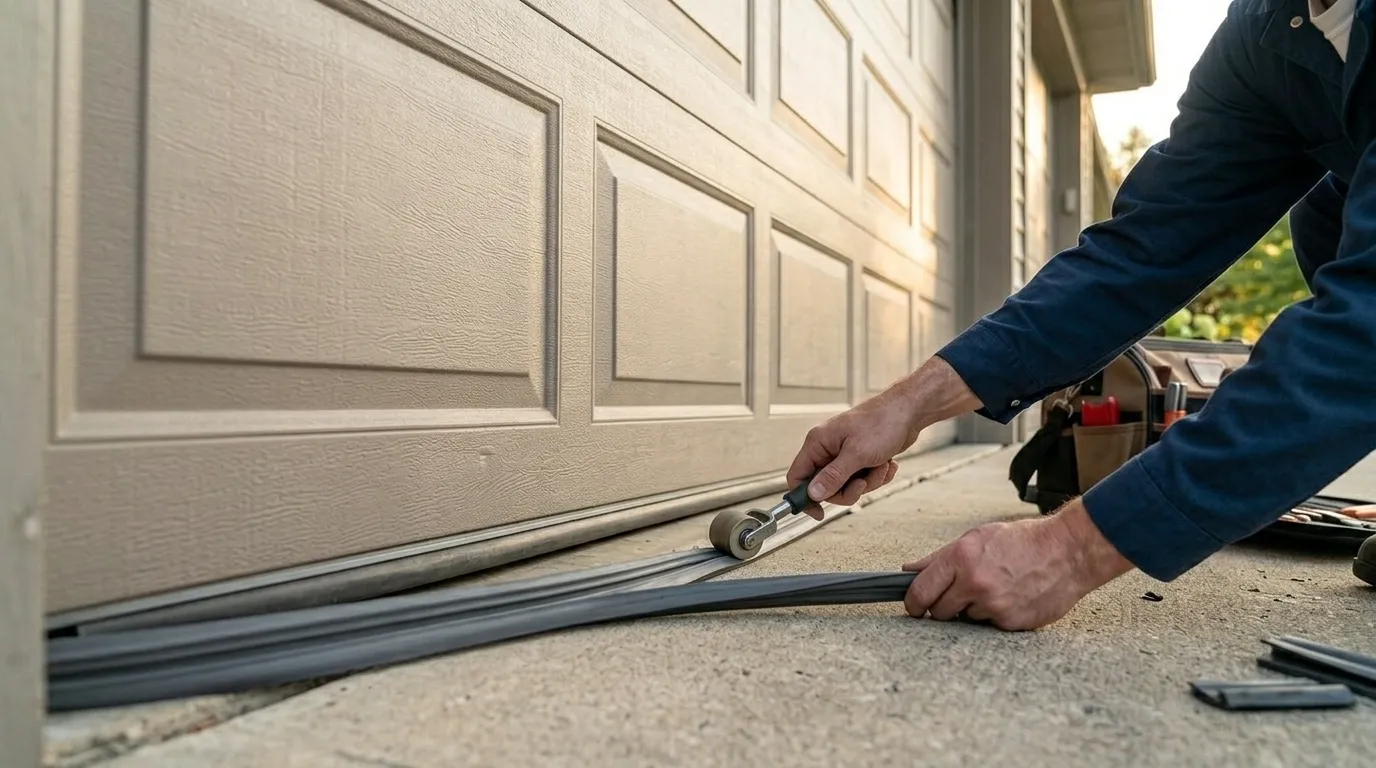
We stock standard torsion springs, steel rollers, nylon roller upgrades, cable, and track hardware sized for the sectional doors common on late-1990s builds like most of Gleneagle. Openers, insulated panel sections, and low-headroom spring kits for garages with limited ceiling clearance are things we can order and bring on the install trip - we just don't carry every panel color or every opener model on the truck by default, so anything nonstandard adds a day or two to the timeline given the drive involved.
If you need a part we don't have loaded, we'll tell you at the estimate rather than after we've made the trip, so you're not paying for a second visit that a phone call could have avoided.