Where This Job Goes Sideways
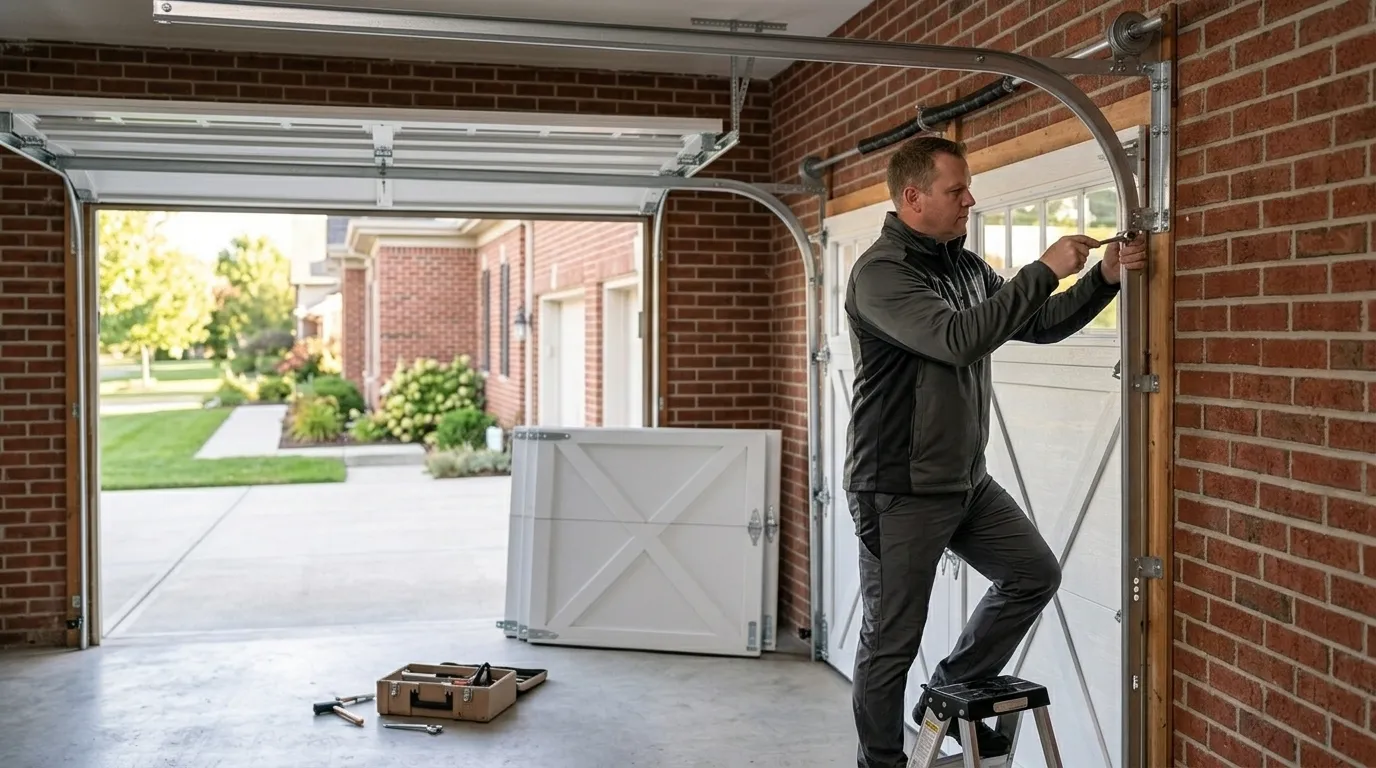
The most common mistake here is replacing a broken spring with a same-size match instead of checking whether the door itself has been swapped out since 1997. A fair number of Gleneagle owners have upgraded to a heavier insulated door somewhere along the way, but the original torsion spring is still doing the lifting. That mismatch shows up as an opener straining, a door that won't stay put mid-travel, or a spring that fails again within a year or two of the first fix.
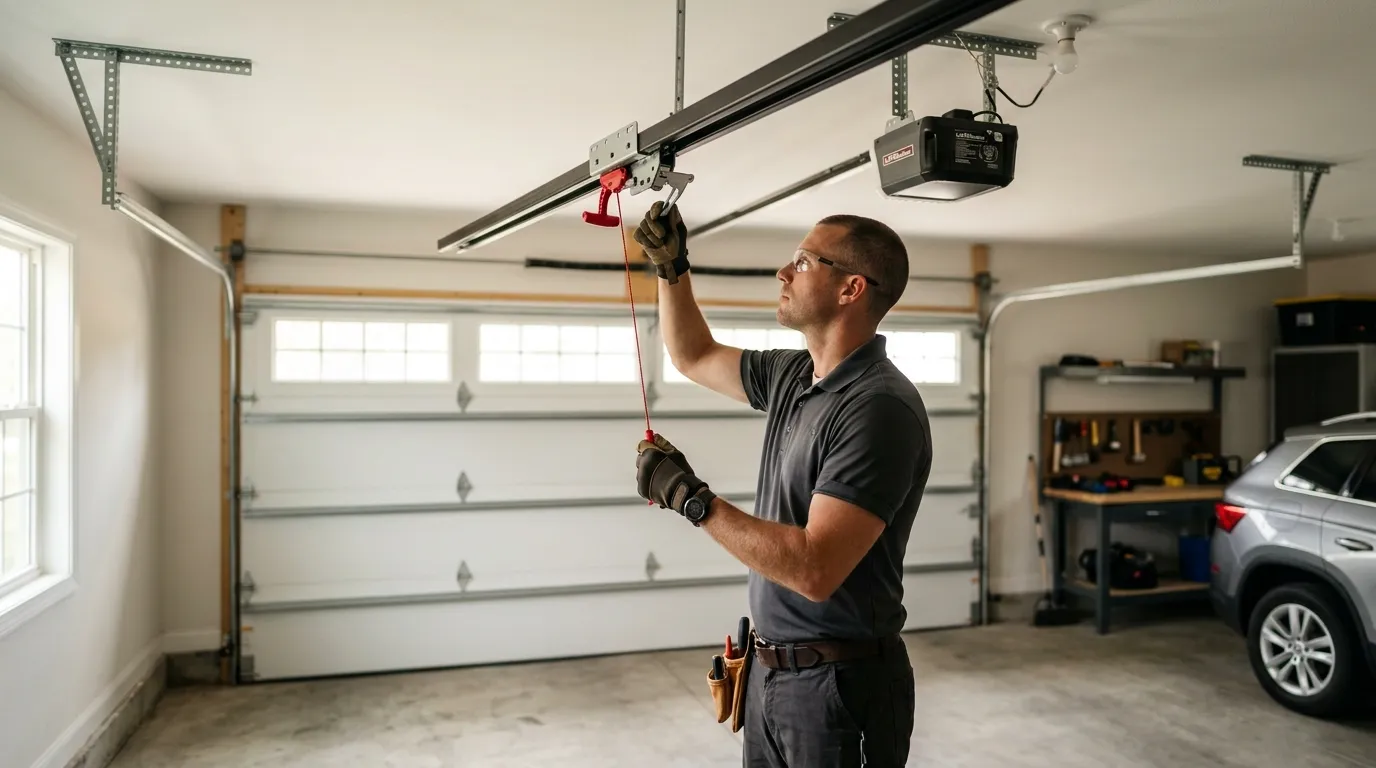
The other place it goes sideways is the opener itself. Circuit boards from the 1990s-era openers common in this build window are getting harder to source when they fail, and a lot of the failures we see aren't the motor - they're the board or the logic that reads the safety sensors. Chasing that with a universal remote or a new sensor kit sometimes masks the real problem for a few weeks before it comes back. If the board is original to a 1997 install, it's closer to end of life than most owners assume.
What It Costs
We don't publish flat prices here because the two variables that drive cost - spring size and door weight, and whether the opener needs a board or a full replacement - vary a lot even within Gleneagle's fairly narrow housing era. A single-spring fix on an older lightweight door costs less than replacing a mismatched spring pair on a heavier insulated door that got swapped in later.
What we can tell you is what tends to drive the number up or down: whether the door is original steel or a later insulated replacement, whether one spring failed or both need replacing together (they should be replaced in pairs), and whether the opener needs a sensor, a board, or the whole unit. We'll give you the actual number after we look at the door and the opener together, not off a phone description.
Doing It Yourself
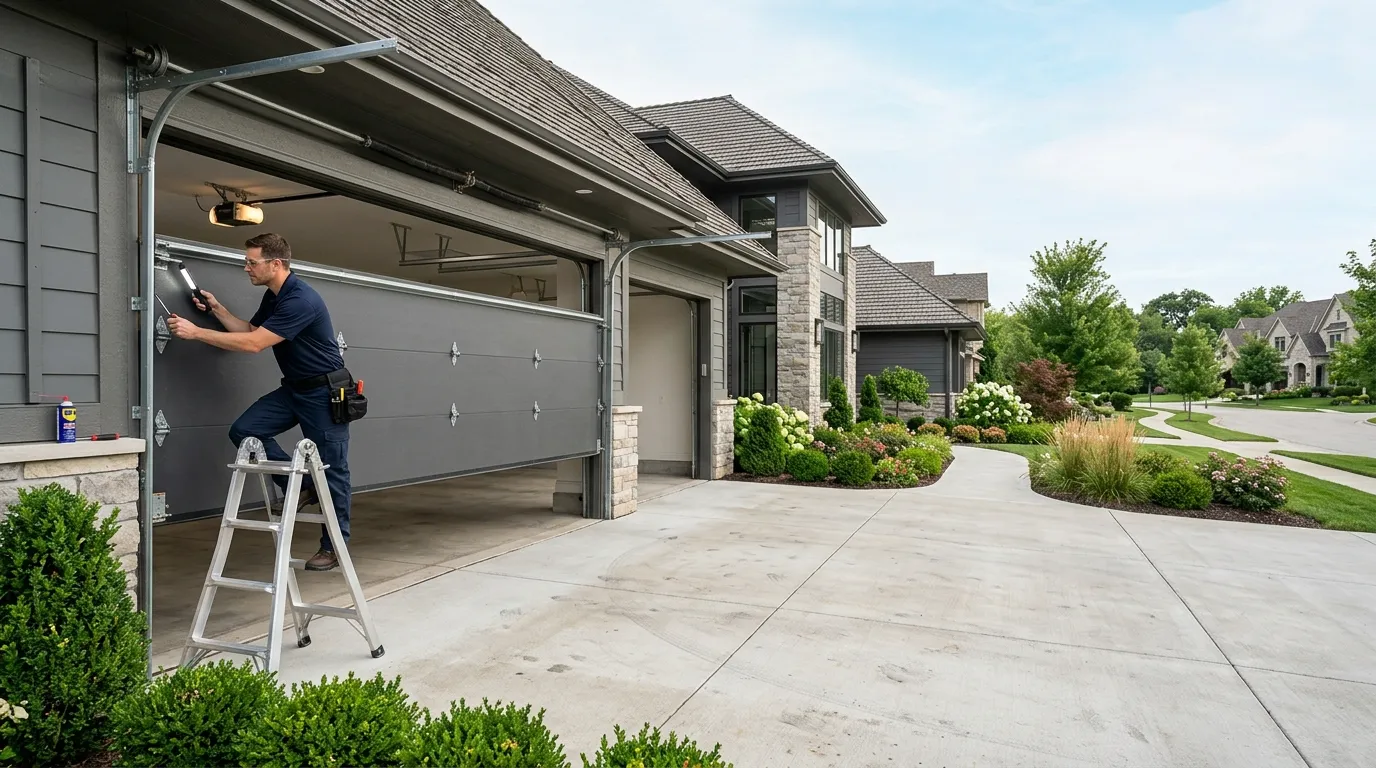
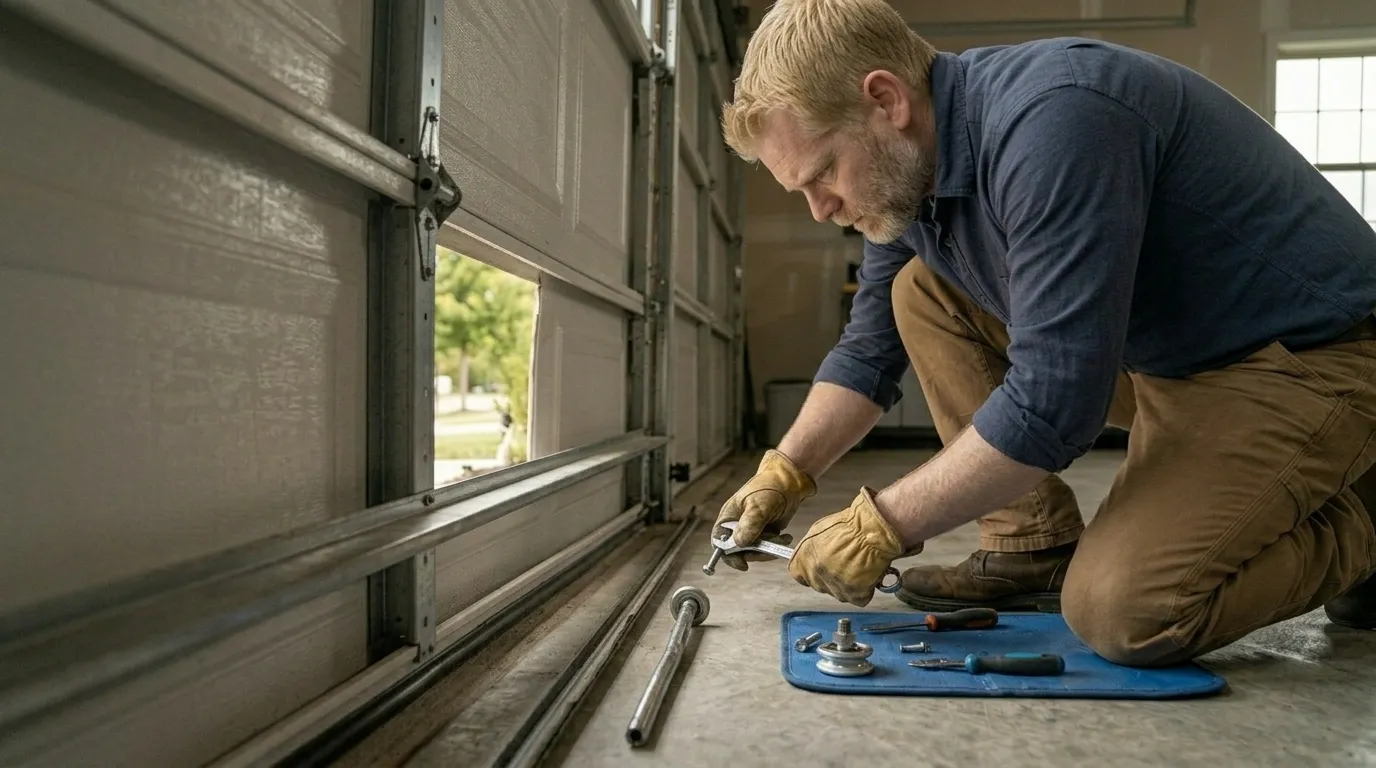
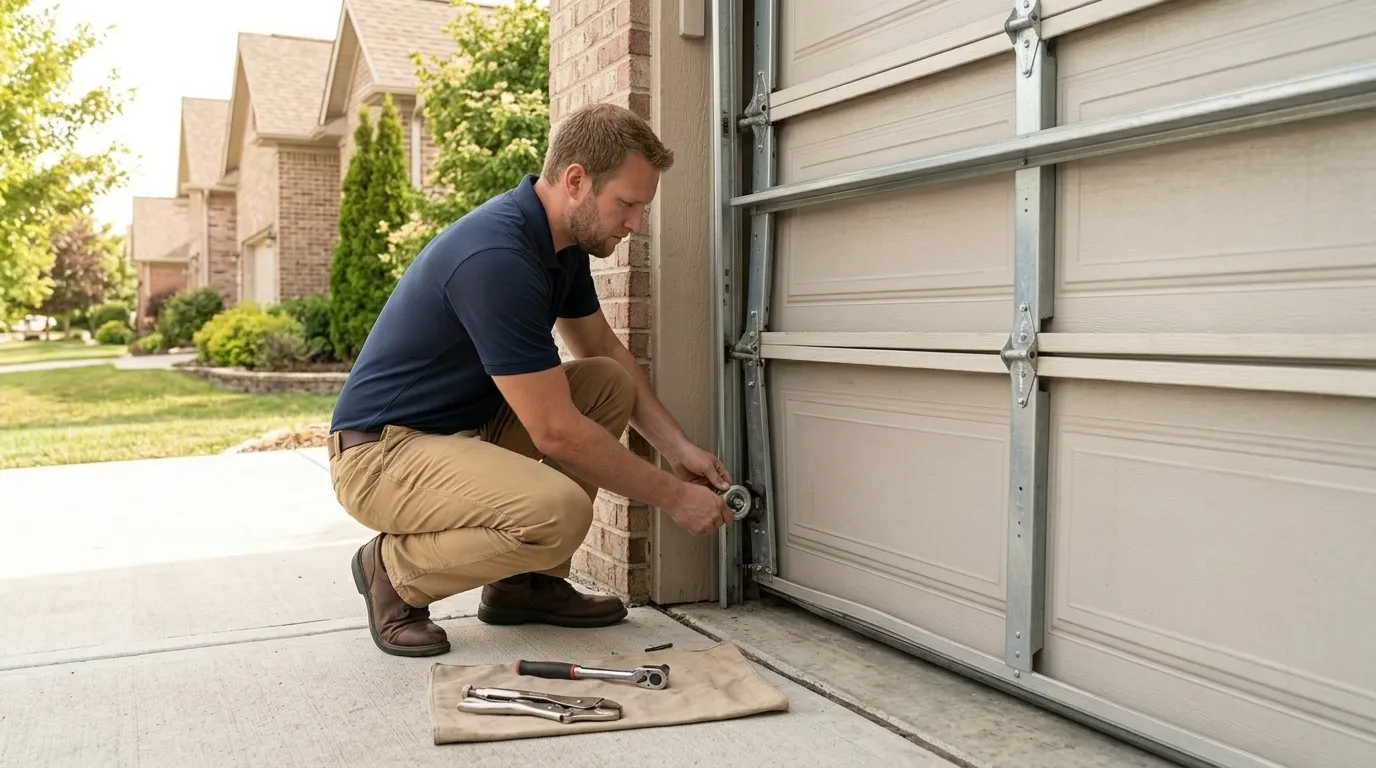
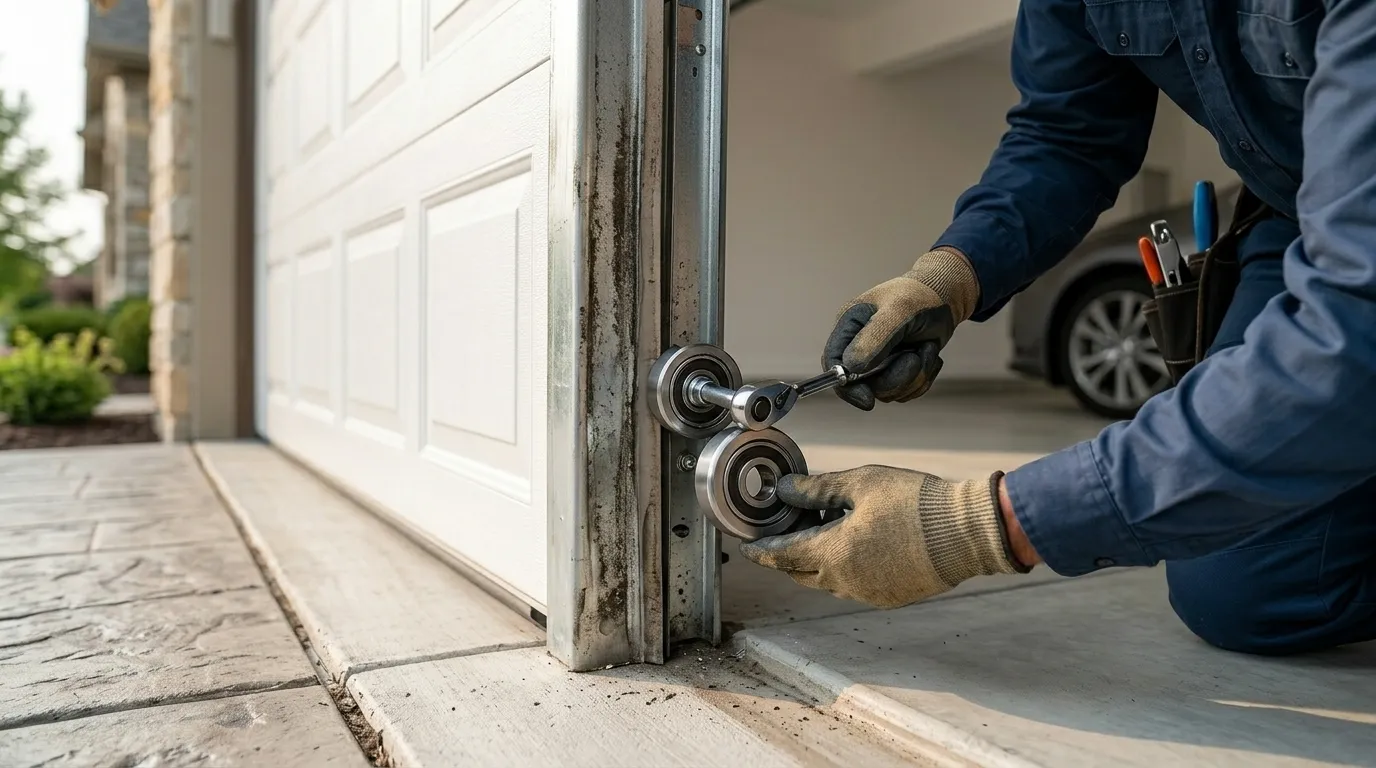
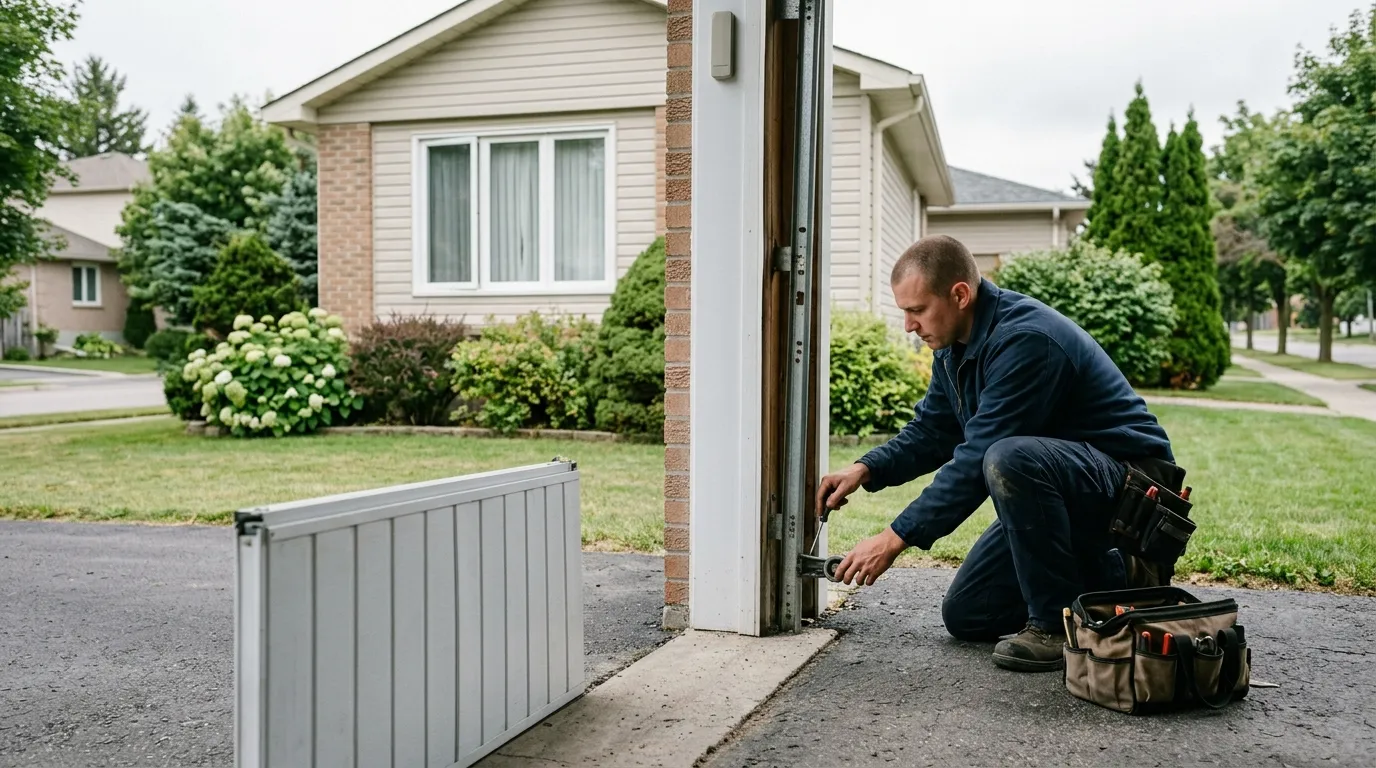
Lubricating hinges, rollers, and the tracks with a garage-door-specific lubricant twice a year is worth doing yourself, and it's the single easiest thing that extends the life of hardware from this era. Tightening loose bolts on the track brackets is fine too, as long as the door is closed and the opener is unplugged first.
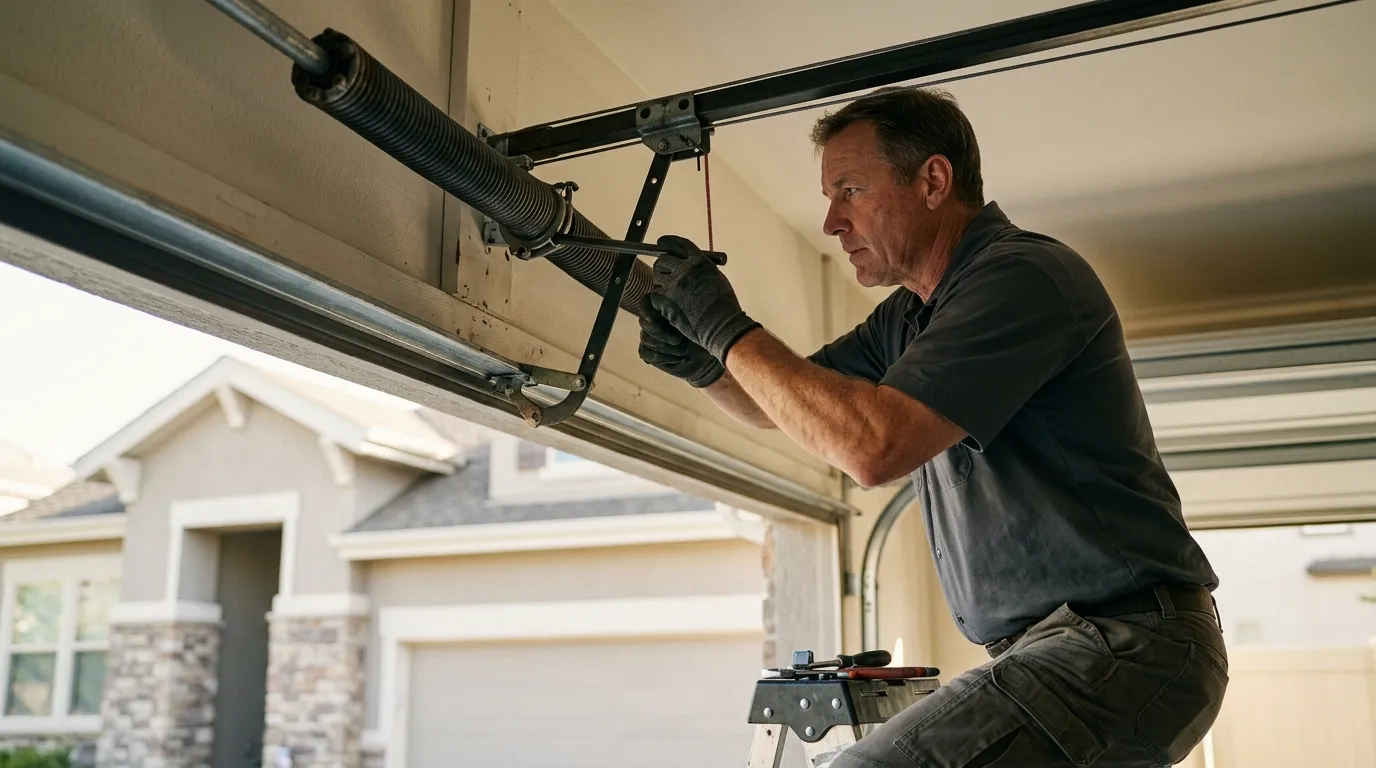
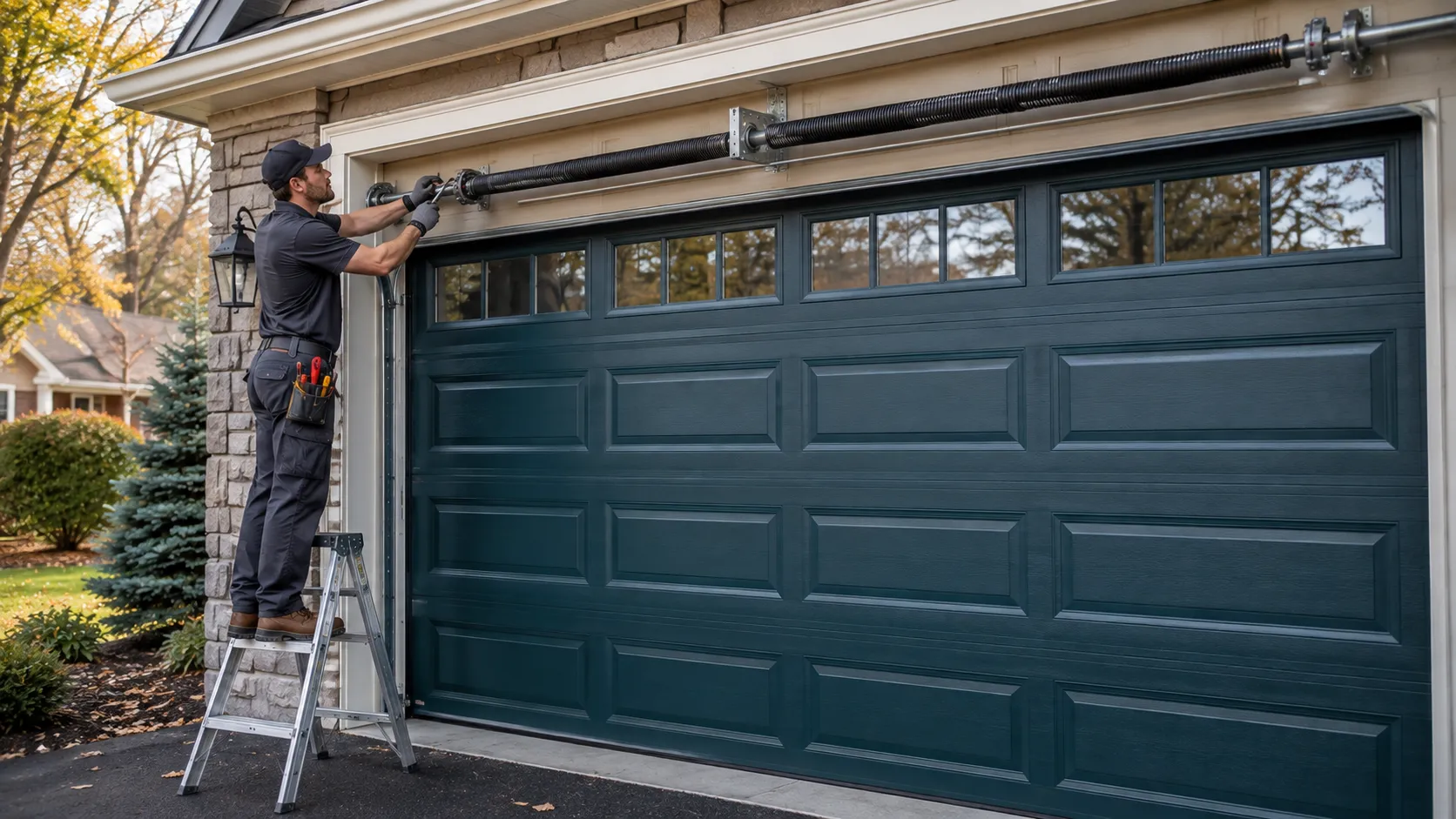
Torsion springs are not a DIY repair. They're under enough tension to cause a serious injury if the winding bar slips, and we say that plainly because it's true, not because we want the job. If a cable has frayed or a spring has broken, that's a call, not a project. Where we do think DIY makes sense: replacing a worn weatherstrip at the bottom of the door, or swapping a remote battery, is safe and cheap to handle yourself before you call anyone.
Parts We Carry
For the torsion springs common on doors from Gleneagle's build era, we stock standard galvanized replacements sized to match both older lightweight steel doors and heavier insulated ones, since we see both here. We carry steel rollers (standard and nylon) and the cables and drums that go with them, along with replacement photo-eye sensor pairs for openers whose original safety sensors have failed or drifted out of alignment.
What we don't keep on the truck is the original circuit board for every opener model sold in the 1990s. Some of those boards are out of production, and when that's the case, the honest fix is a new opener rather than hunting for a discontinued part - we'll tell you straight when that's where you are instead of stringing along a repair that won't hold.