Where This Job Goes Sideways
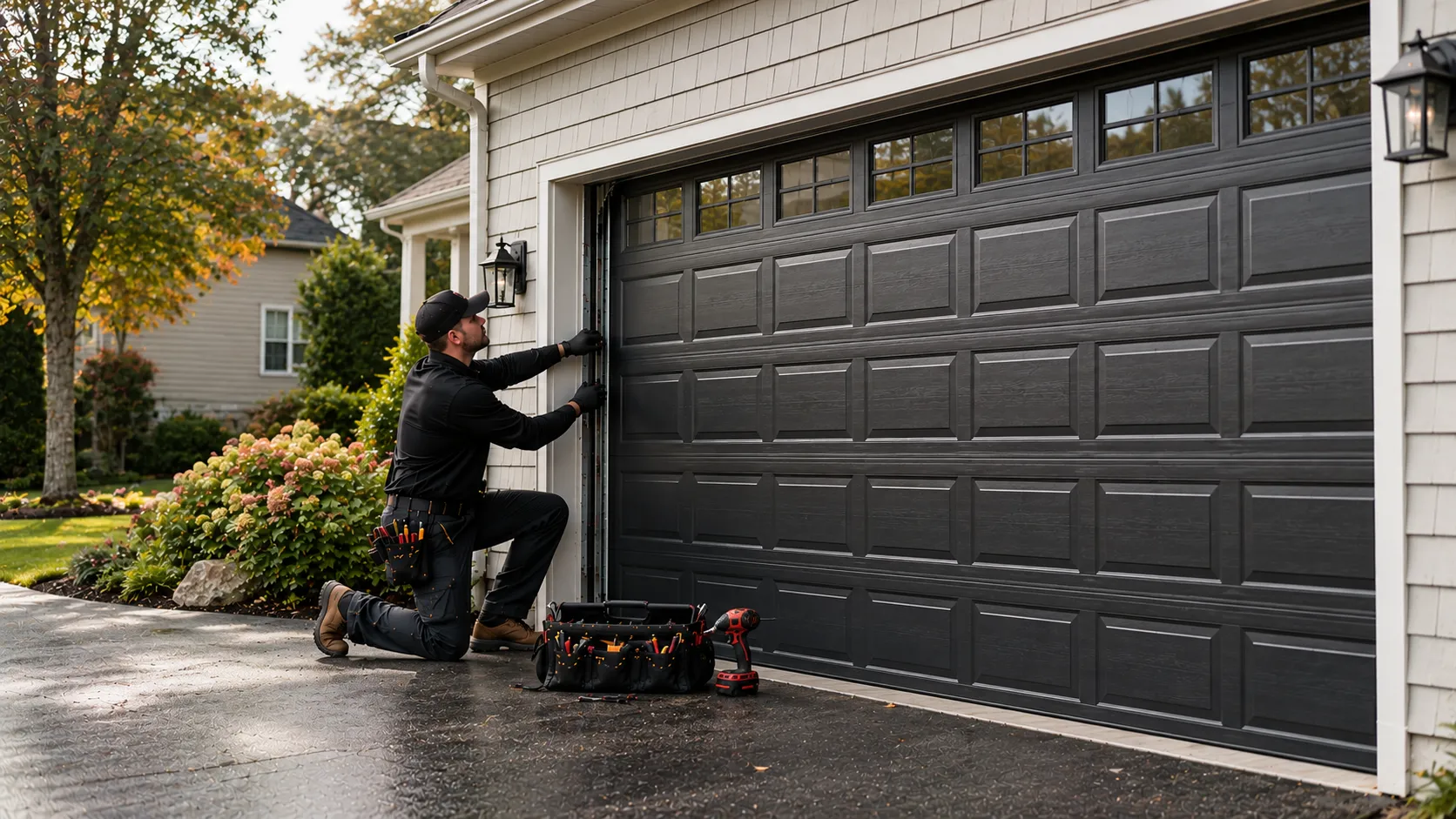
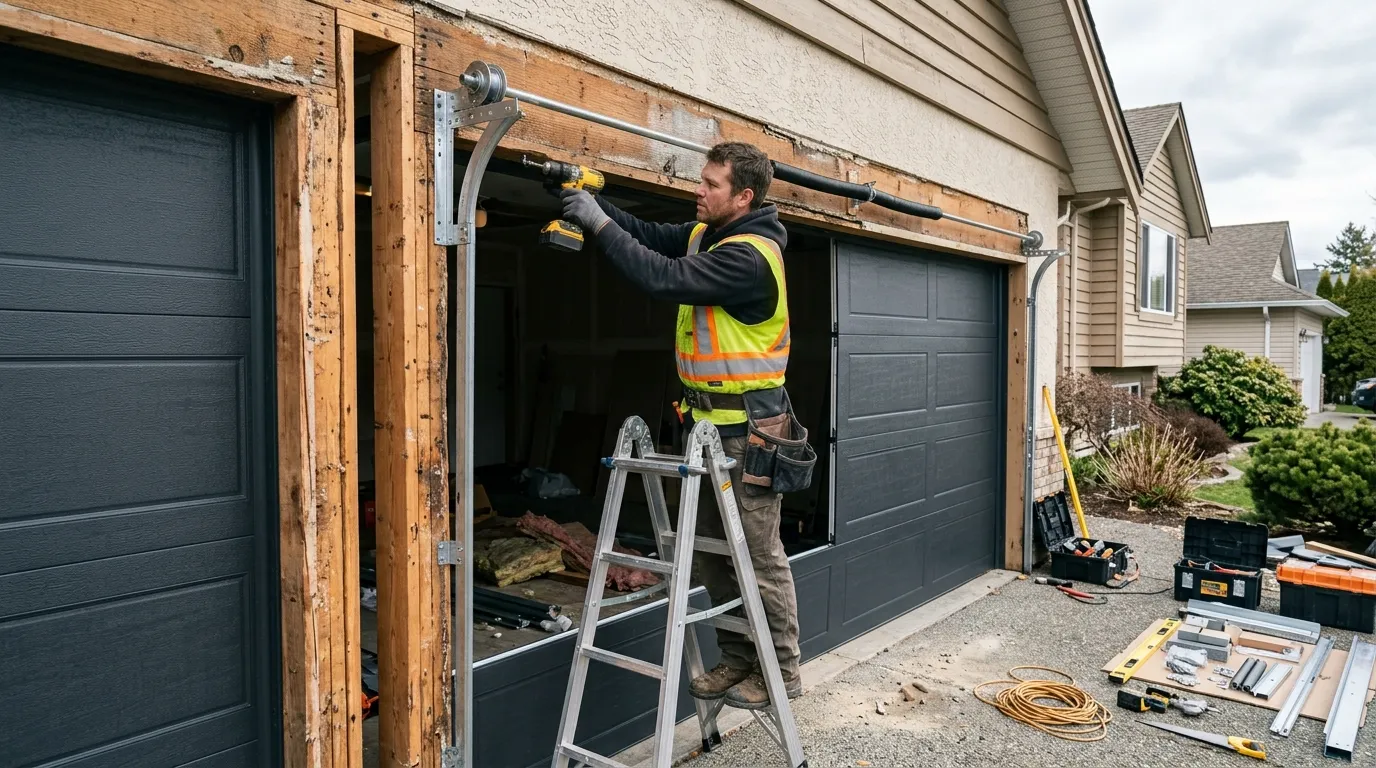
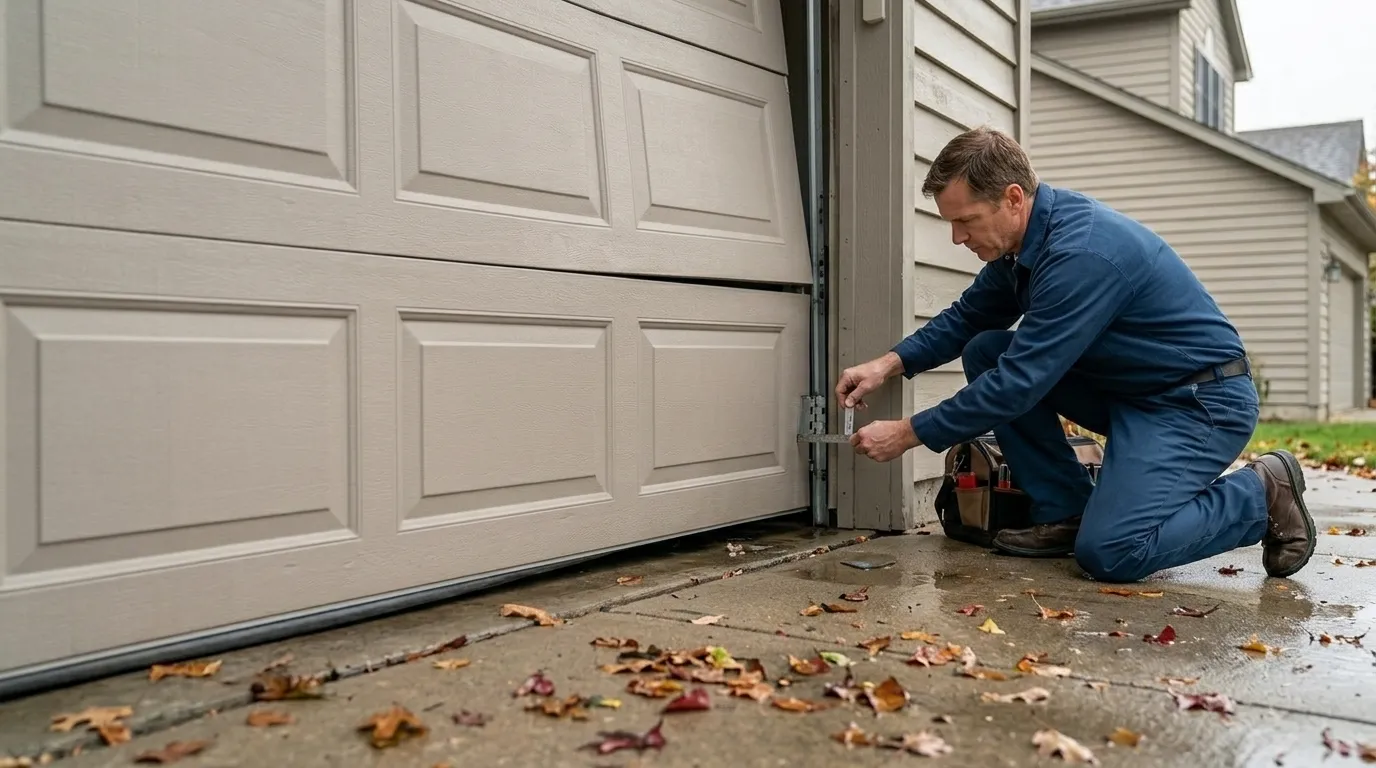
A 1997-built garage in this area usually has torsion spring hardware and a chain or belt-drive opener that's been replaced once, maybe twice, since the house was built. Where it goes sideways is when a homeowner (or a handyman) swaps the opener but leaves the original spring and cable, or replaces a broken spring with the wrong wire size for the door's weight. The opener strains, the door tips in the track, and what should have been a spring job turns into a track and roller job too.
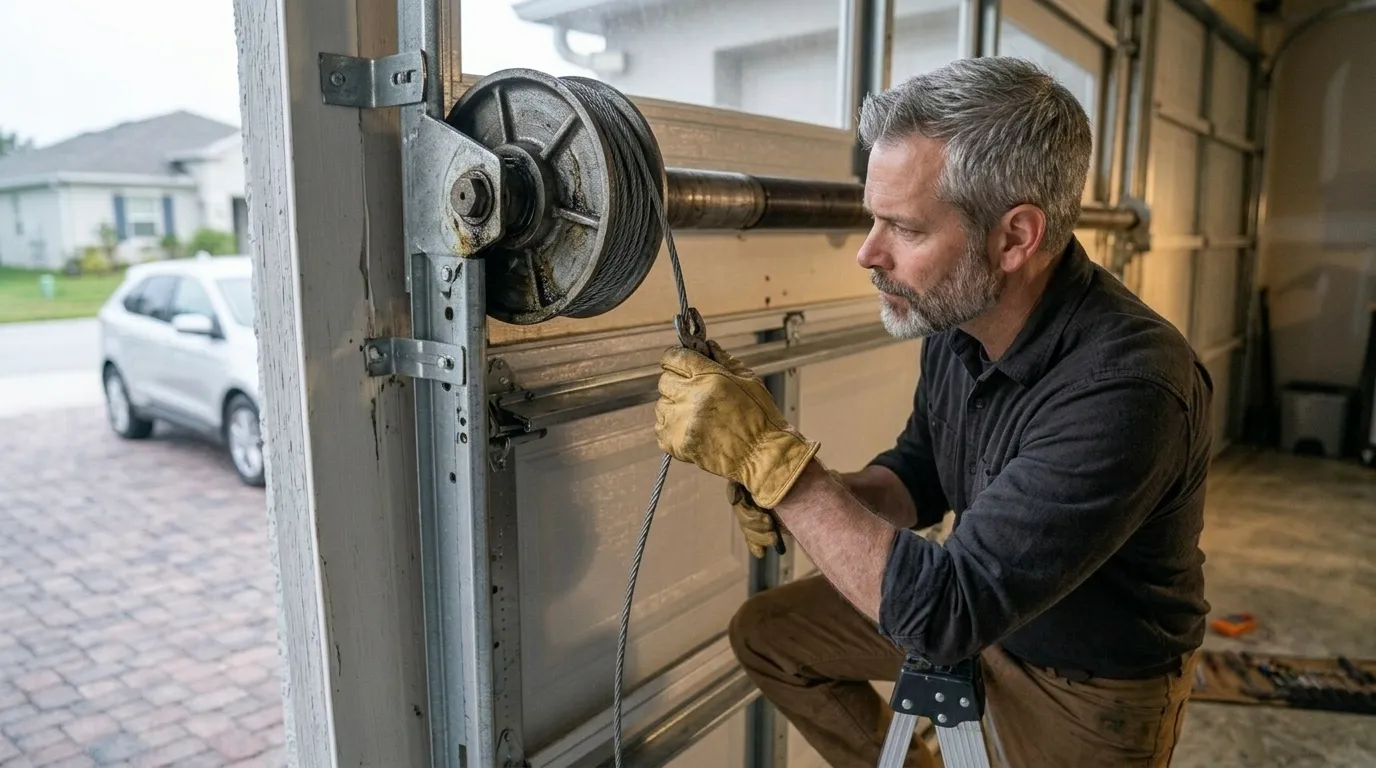
We also see this go wrong when someone tries to jack the door up on a broken spring to get the car out for work, and the cable jumps the drum. Once that happens, the door can't be trusted to hold position at any height - it's not a delayed repair anymore, it's a stop-using-it-today situation. Gleneagle homes sit about 12 miles out from our shop in Colorado Springs, so we'd rather talk you through securing the door safely over the phone than have you improvise something that turns a $200 fix into a full door replacement.
What It Costs
We don't have a fixed number to quote you here, and we're not going to invent one - a broken extension spring on a single door isn't priced the same as a torsion spring on a double door with a bent track thrown in. What we can tell you is what drives the cost: whether it's a spring, a cable, an opener, or more than one of those at once, and whether the door's hardware is original or already patched together from a prior repair.
Gleneagle's median household income runs well above the service area average, and we mention that only because it shapes what we see on the ground - more of these calls end in full opener or spring replacement rather than a stopgap fix, because homeowners here tend to want the door done right the first time rather than nursed along for another winter. That's a pattern, not a price, but it's worth knowing going in.
Doing It Yourself
There's a real limit here, and it's the springs. A torsion spring on a standard double door is wound under enough tension to break bones if it slips off a winding bar, and we won't walk anyone through doing that over the phone. If your issue is a broken spring, snapped cable, or a door that's come off its track, that's a call, not a project.
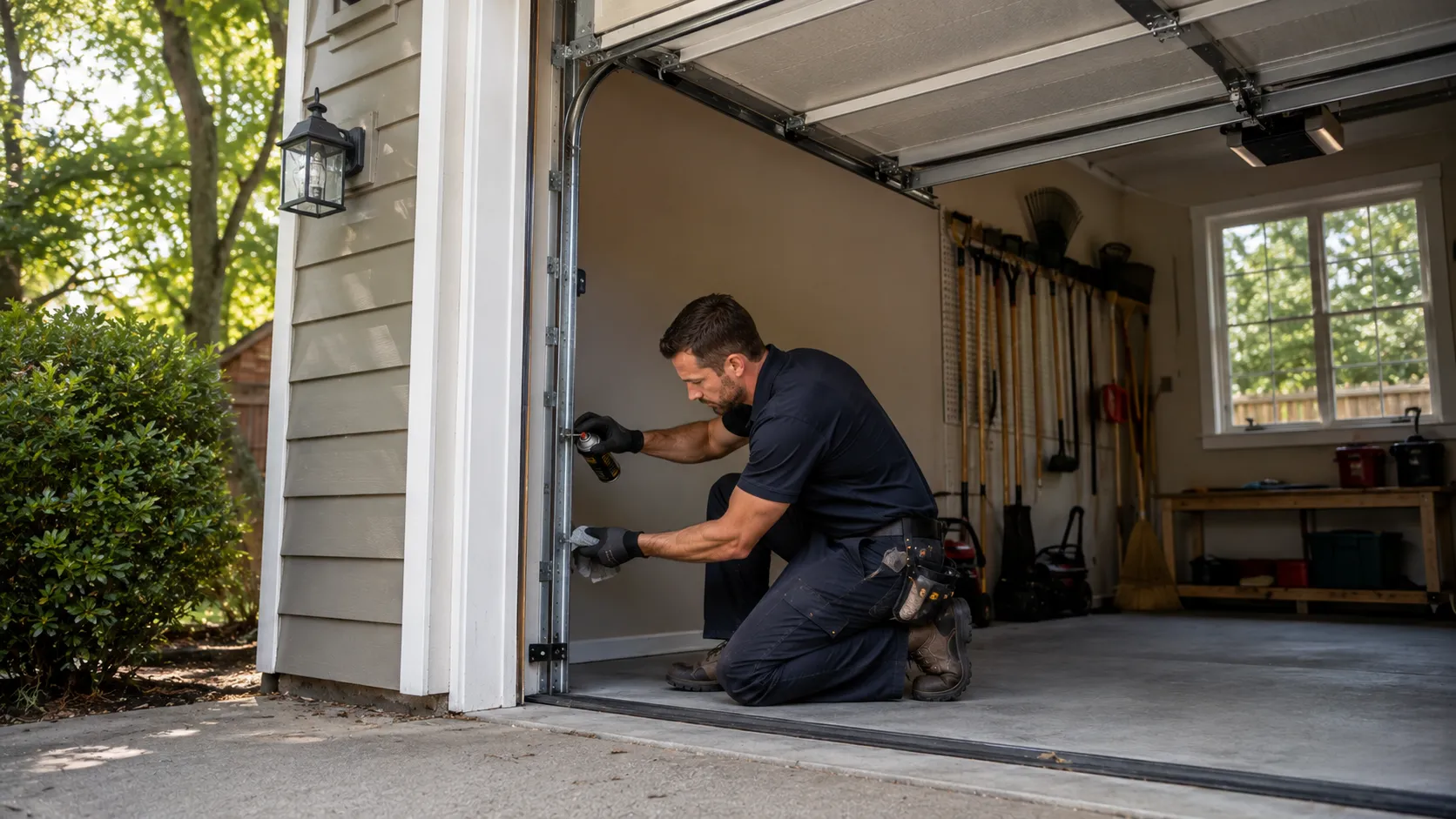
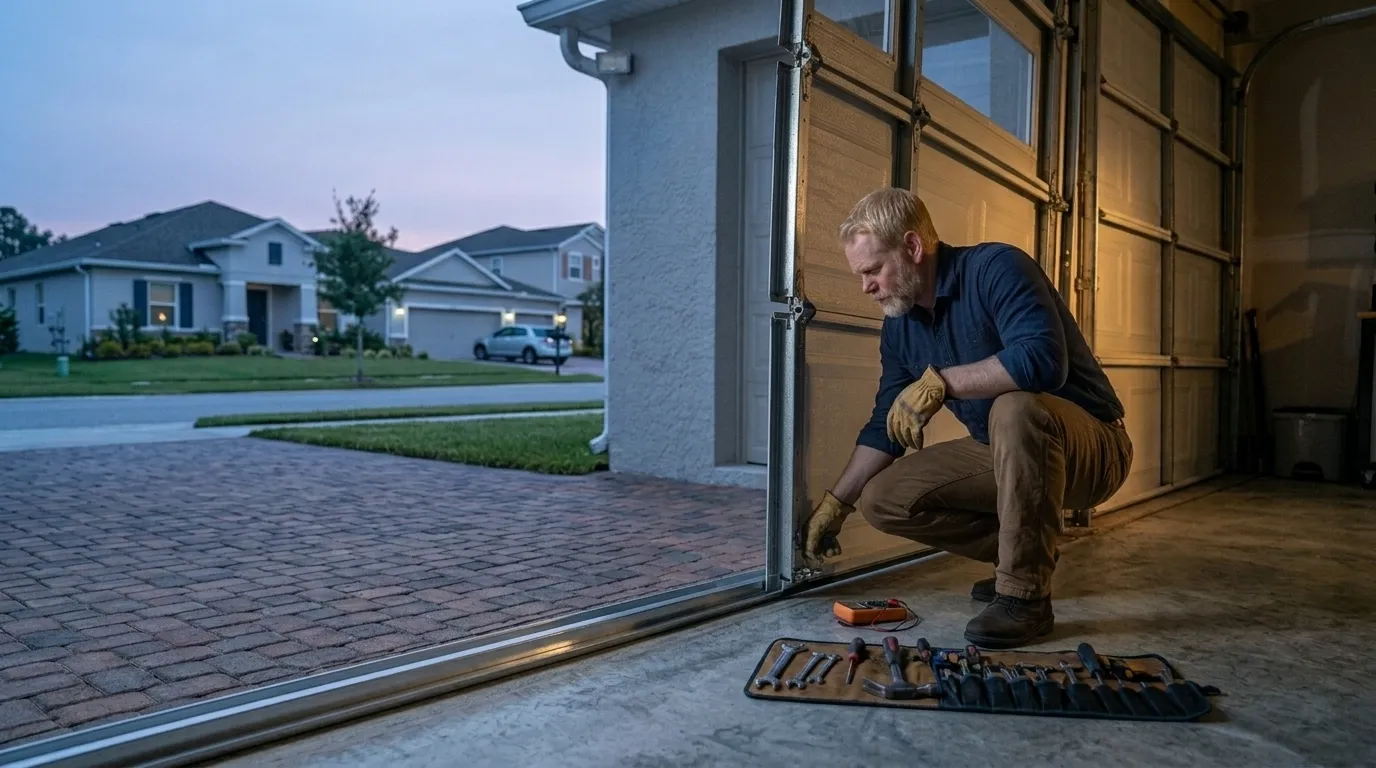
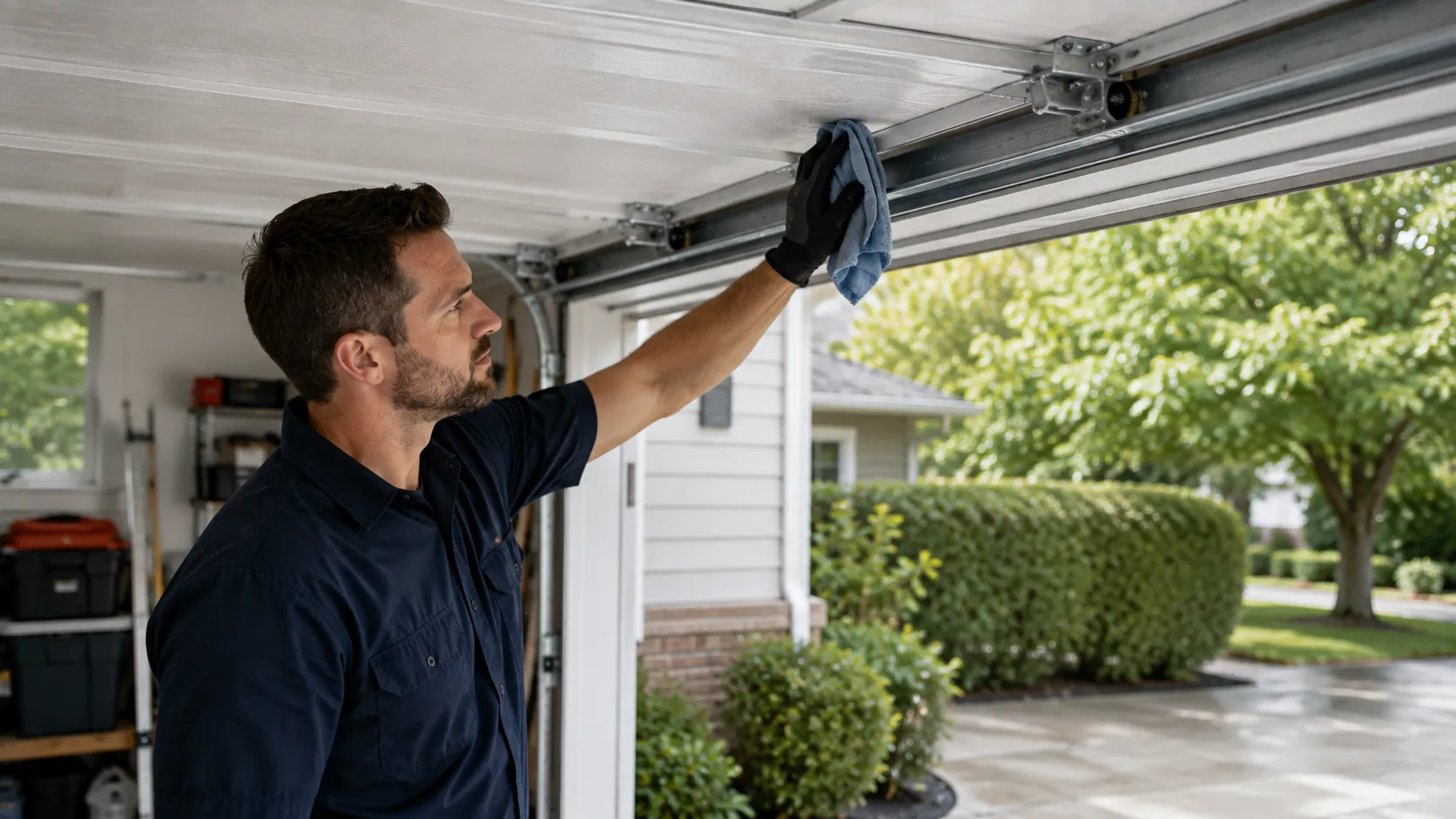
What you can safely check yourself: the sensor eyes near the bottom of the tracks (a knocked-out-of-alignment sensor is the single most common reason an opener won't close a door), the manual release cord if the door is stuck in the up position and you need the car out now, and whether the track bolts have worked loose, which is common on 1990s-era installs that have never been re-torqued. If cleaning the sensor lenses and checking alignment doesn't fix a door that won't close, stop there - the next likely cause is electrical or mechanical, and not a DIY item.
Parts We Carry
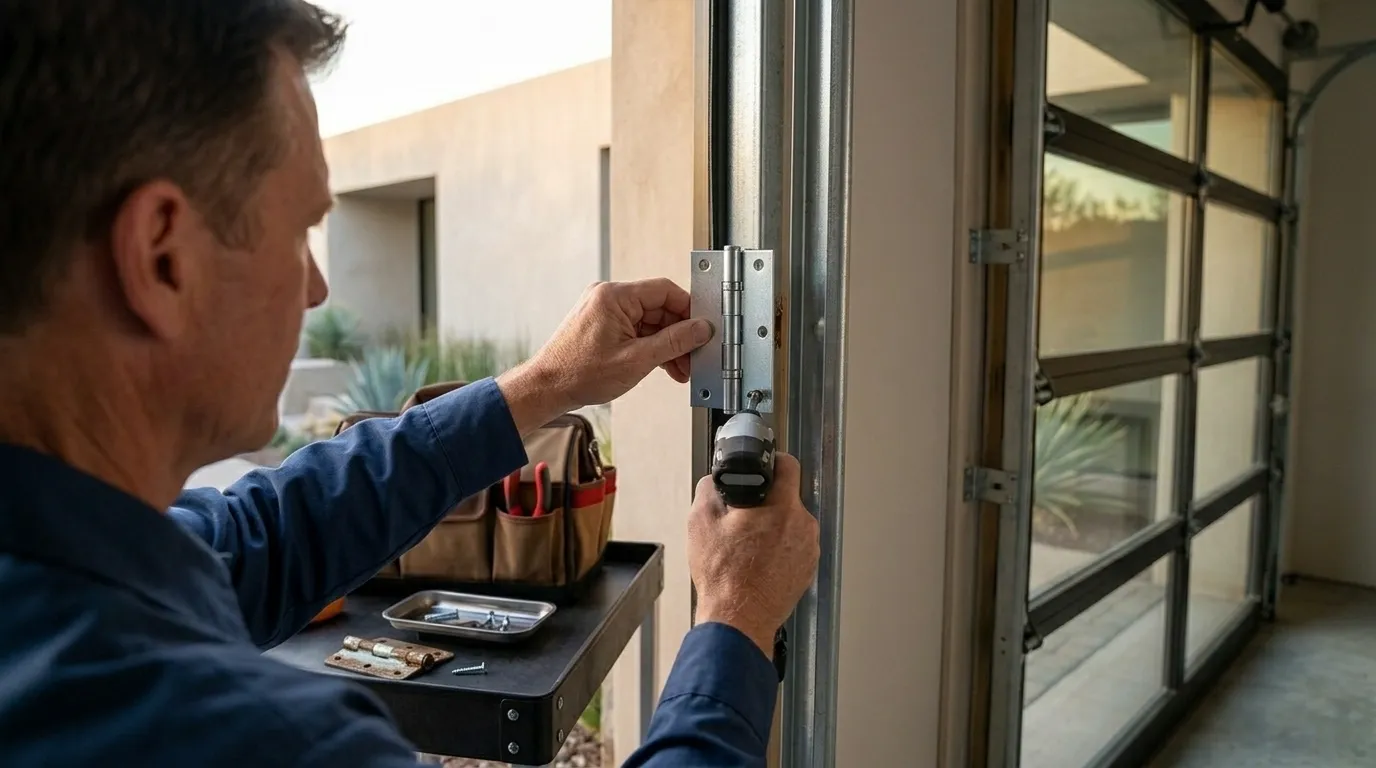
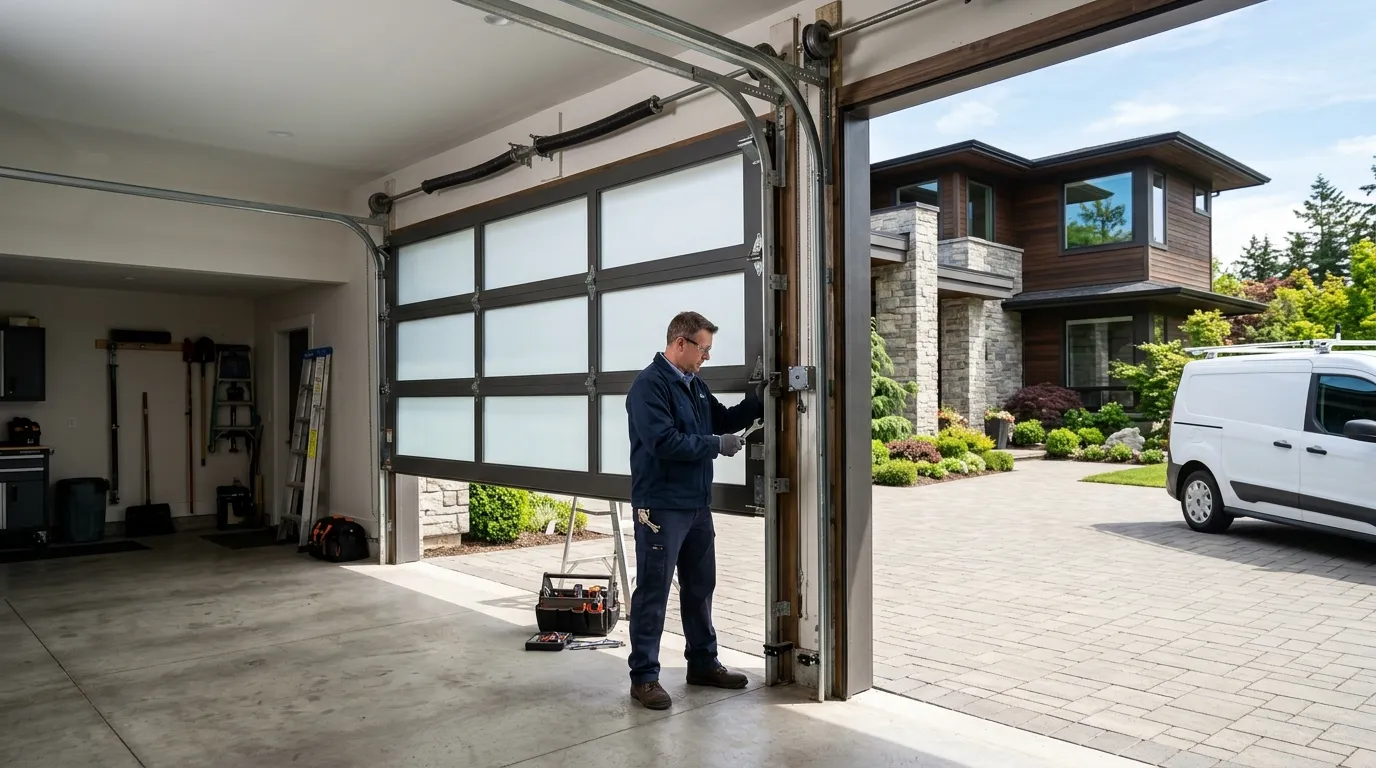
Because so much of Gleneagle's housing stock dates to around the same period, we carry the parts that period of door actually uses: torsion springs sized for both single and double residential doors, extension spring sets for older lighter doors, standard-drum cables, and chain and belt-drive opener replacements that fit the openers installed through the late 1990s and 2000s. We also carry standard steel rollers and the sectional track hardware that matches doors of that era, since track sag and roller wear go hand in hand with a house this age.
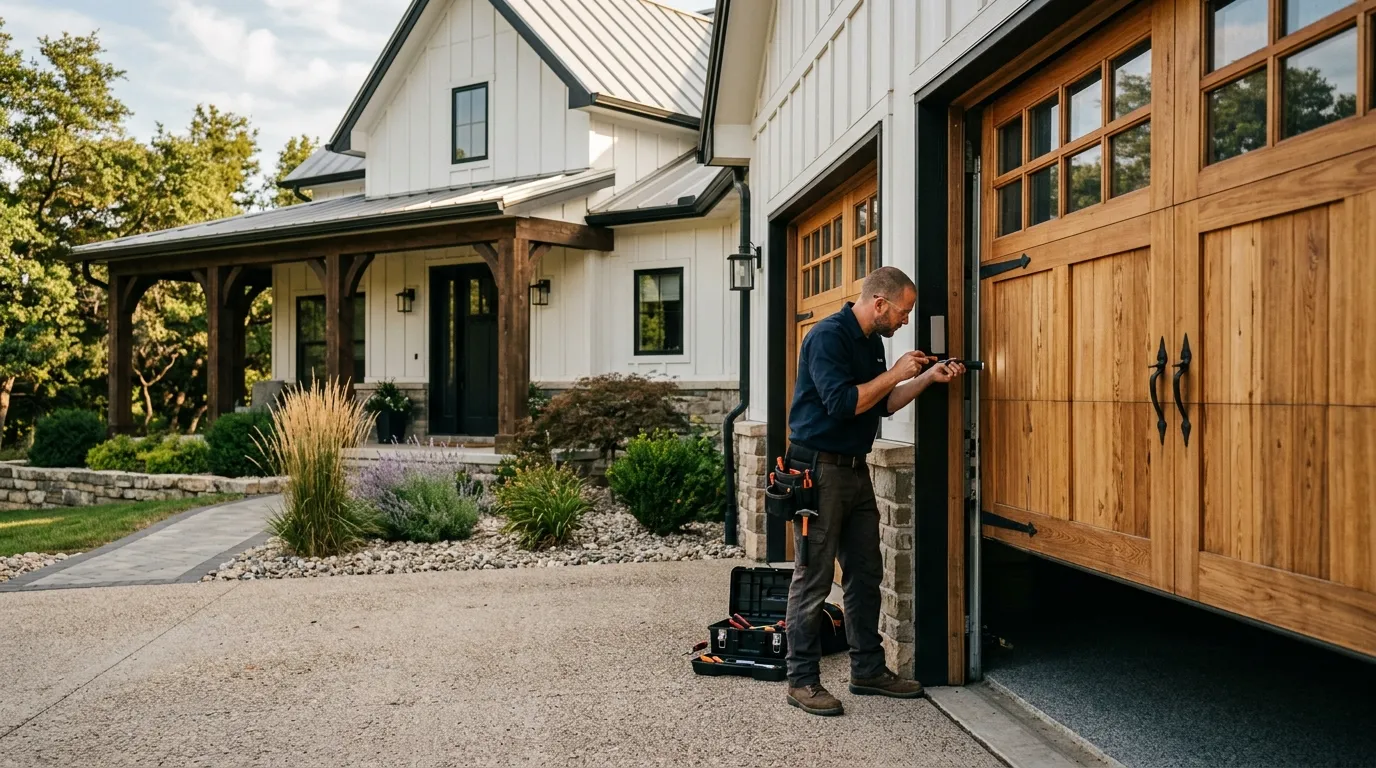
What we don't stock on the truck is specialty or custom door panels - wood composite, custom glass insert doors, anything ordered special from a builder. Those get special-ordered and take longer, which is worth knowing before you assume any repair happens same-day. For the full range of what we handle across the area, see our emergency garage door repair page or the Gleneagle area page.