Why It Happens Here
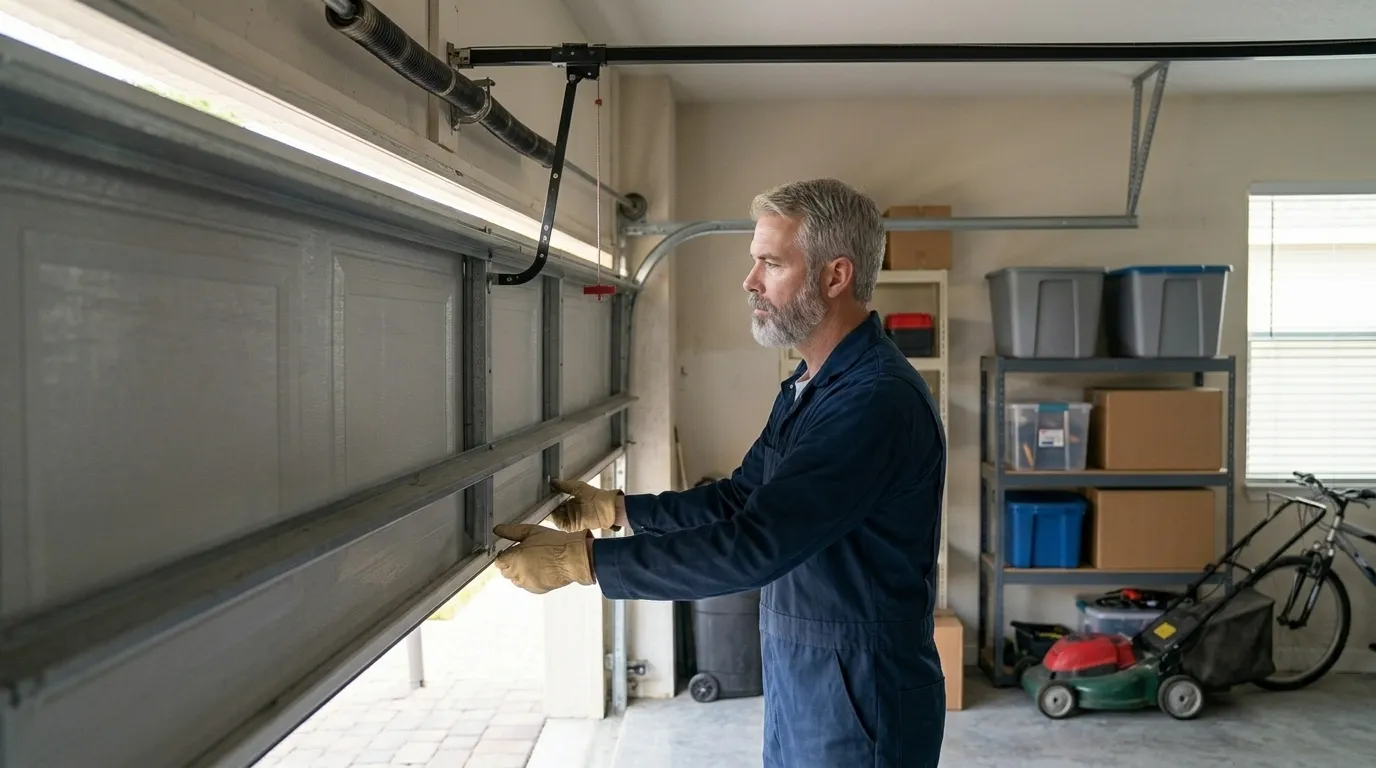
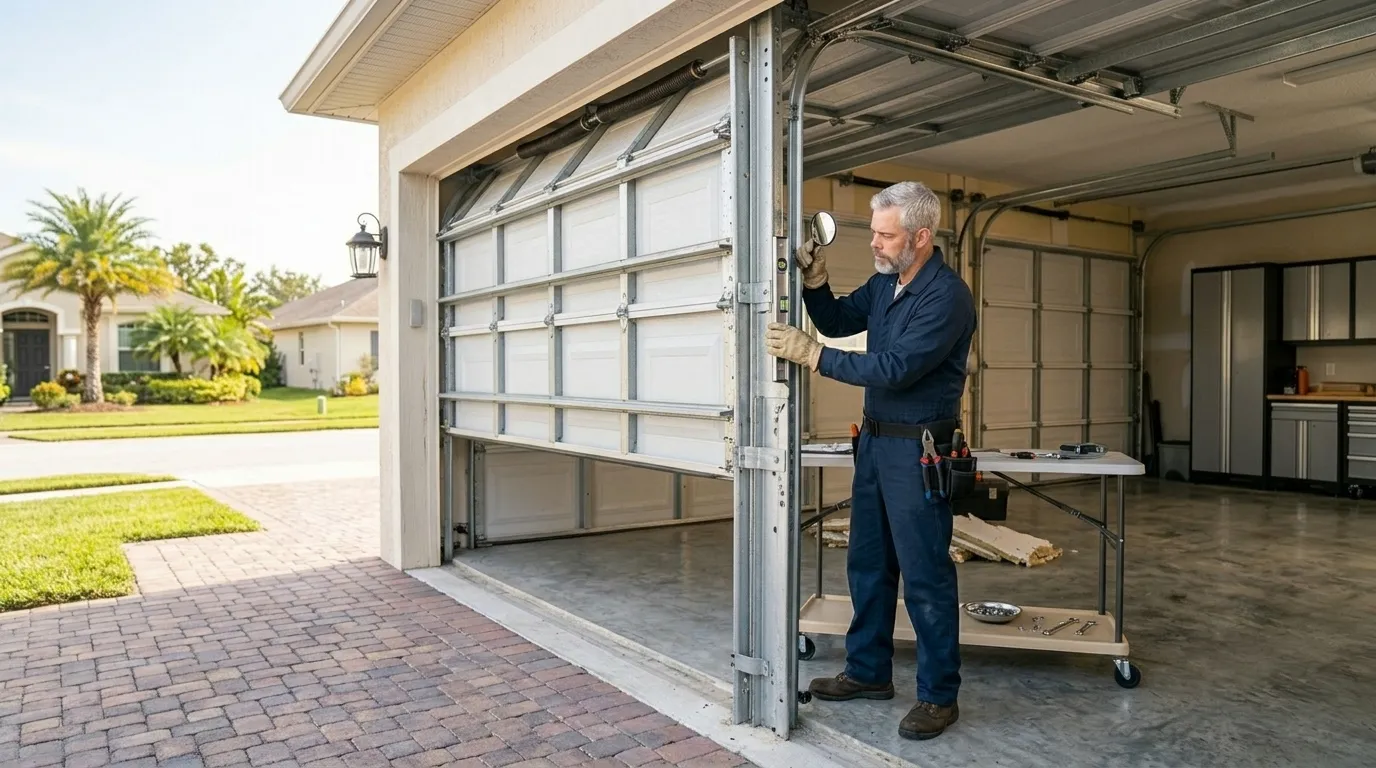
Woodland Park's housing runs mostly from the early 1990s, with a median build year around 1992 - noticeably tighter grouped than the broader service area's 1951-2006 spread. That means a lot of these garage doors and their springs are pushing thirty-plus years on original hardware, and torsion springs in that vintage weren't built to run forever without service. Add the climate: this is a cold-severe zone, and that cold does two things maintenance has to account for - it stiffens grease on rollers and cables until they bind, and it makes torsion springs more brittle right when they're carrying the most tension of the year, in early morning cold starts. A door that's been fine for two decades can start showing hard mornings and slow closes once winter sets in, simply because the original lubricant has gone thick and the spring is working harder than it was sized to. We see that pattern a lot on houses from this build era, and it's usually not the opener's fault - it's the hardware underneath doing thirty years of unaddressed wear in a climate that doesn't forgive it.
Parts We Carry
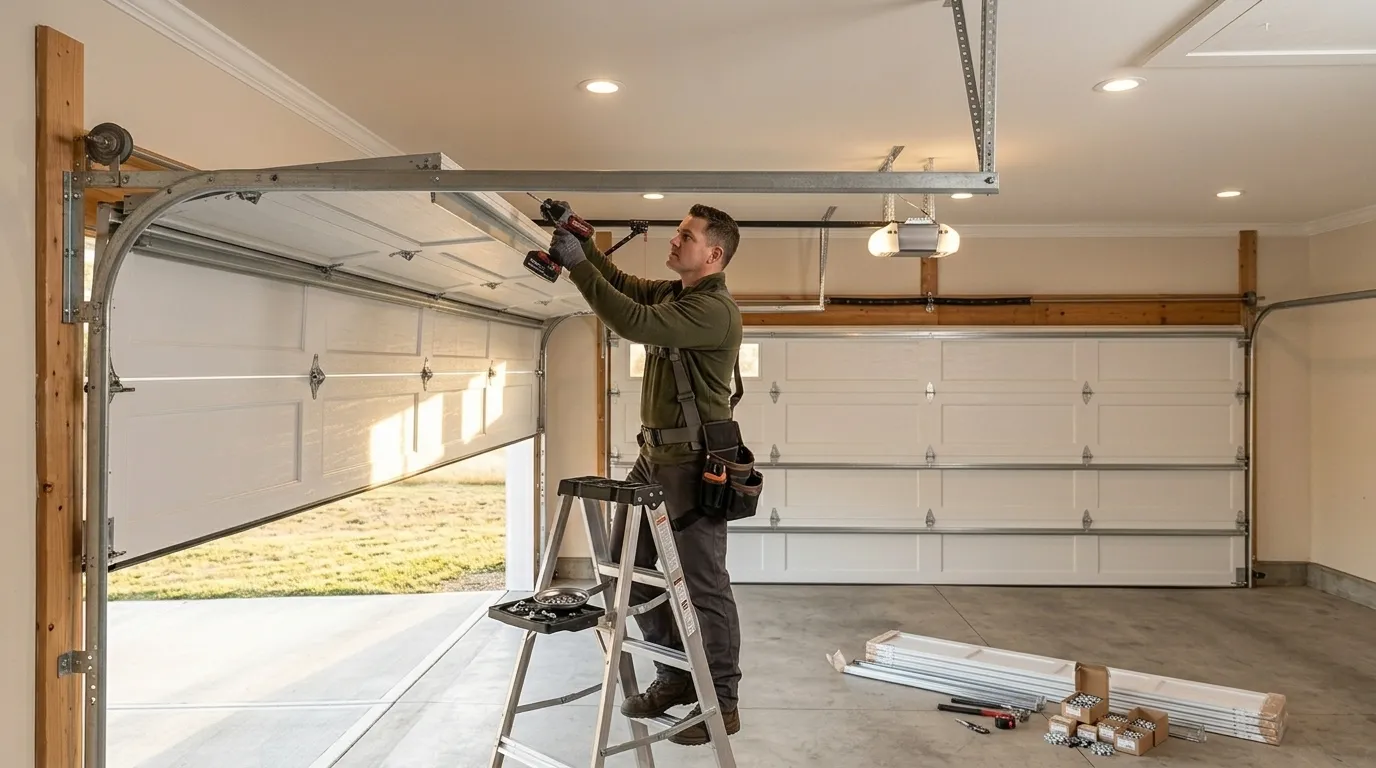
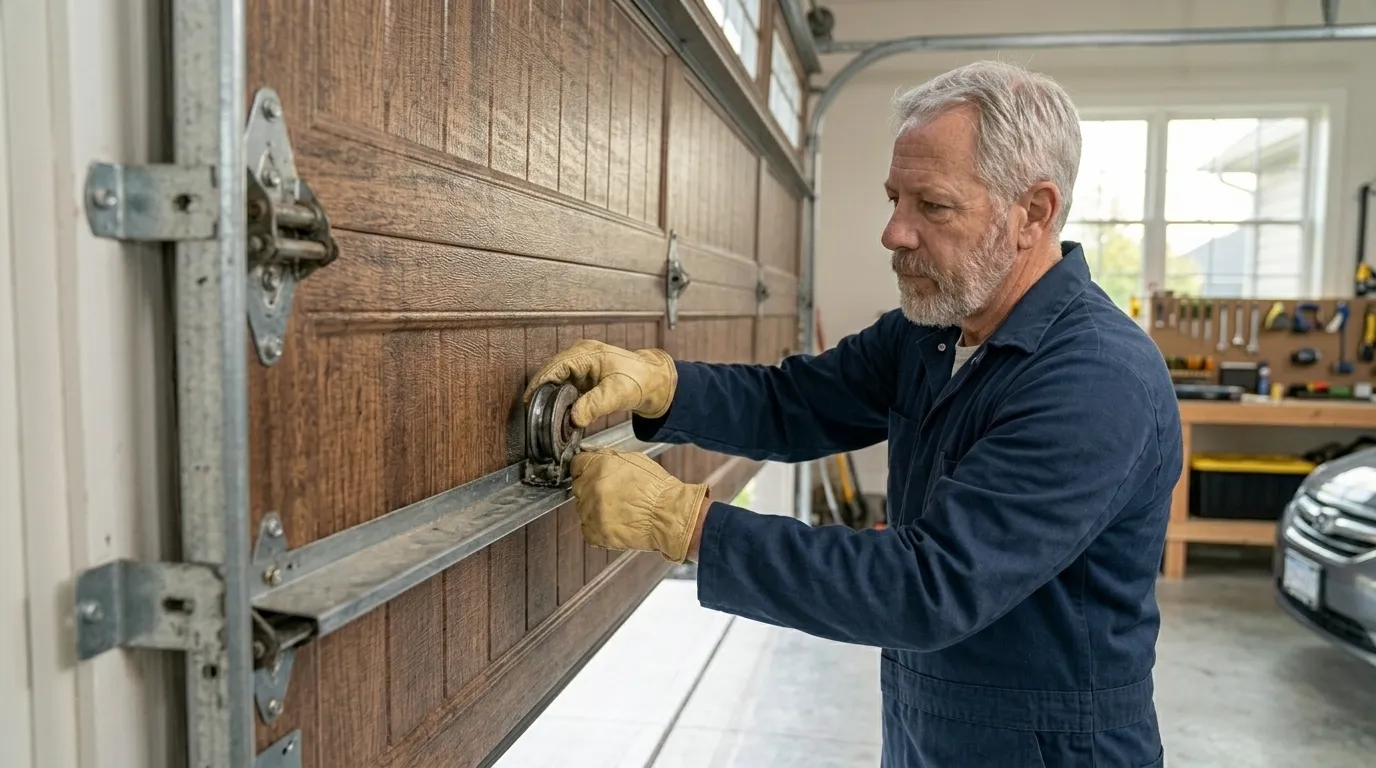
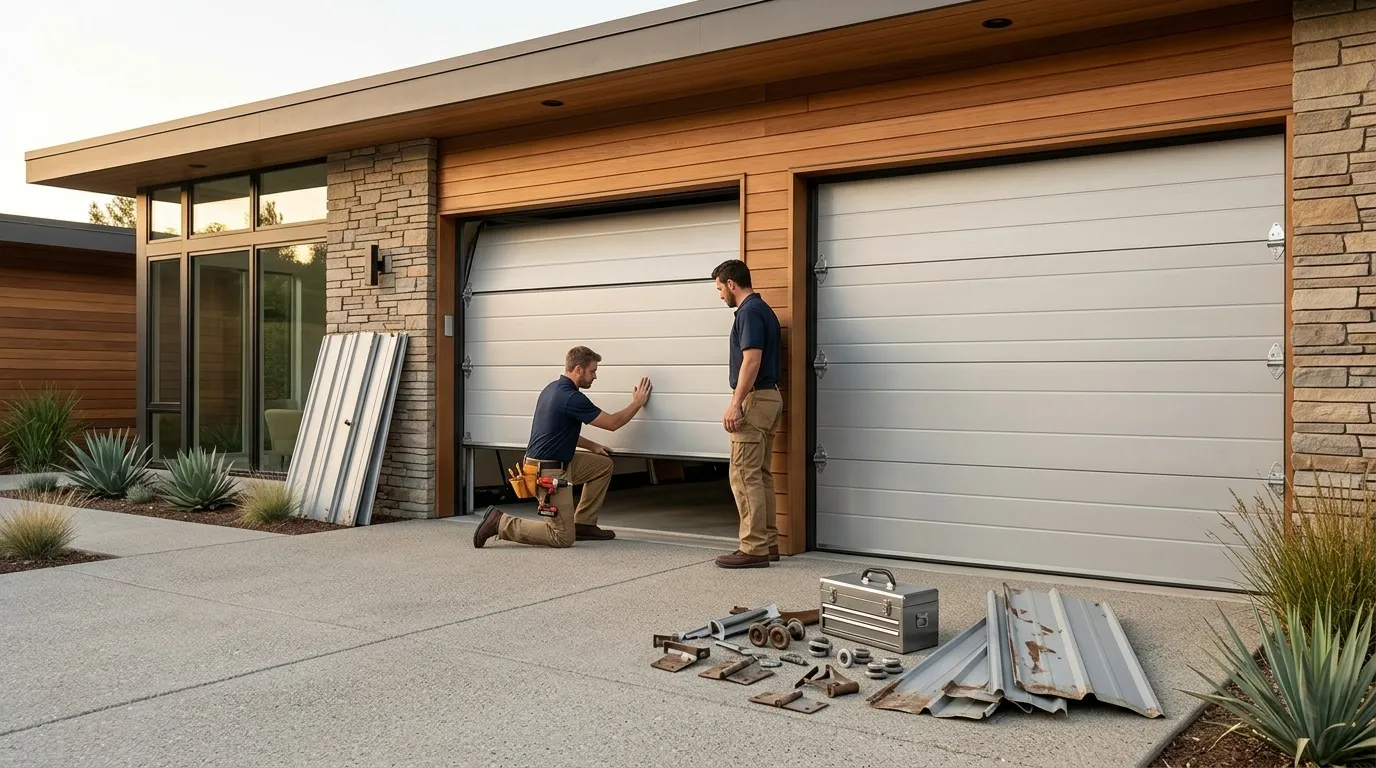
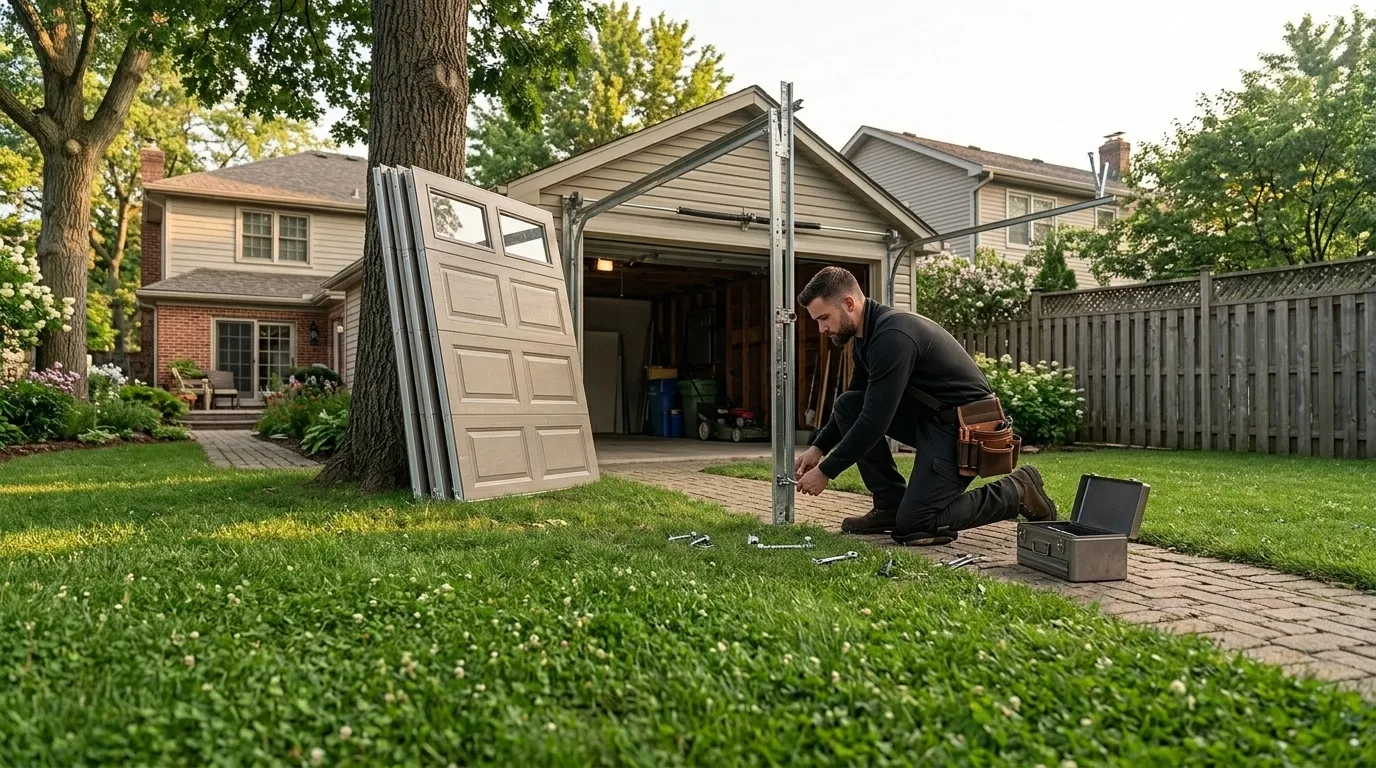
For a build year around 1992, we're usually dealing with steel torsion springs on a standard 7-foot double door, galvanized lift cables, and either the original steel rollers or a homeowner upgrade to nylon somewhere along the way. We stock the common torsion spring sizes for that era and standard 11-gauge lift cable, along with sealed-bearing nylon rollers for the swap-out. What we don't always have on the truck is a specific extension spring pairing or an odd-length track section - some houses from this period were fitted with hardware that isn't the modern standard length, and if that's what we find, it may mean a second trip to source the exact part rather than a same-visit fix. We'll tell you on site if that's the case rather than force a part that's close but not right. Openers from this vintage are also a mixed bag - some have been replaced once already, some haven't - so we carry common belt and chain-drive parts but not obsolete circuit boards for units that are themselves original to 1992.
Where This Job Goes Sideways
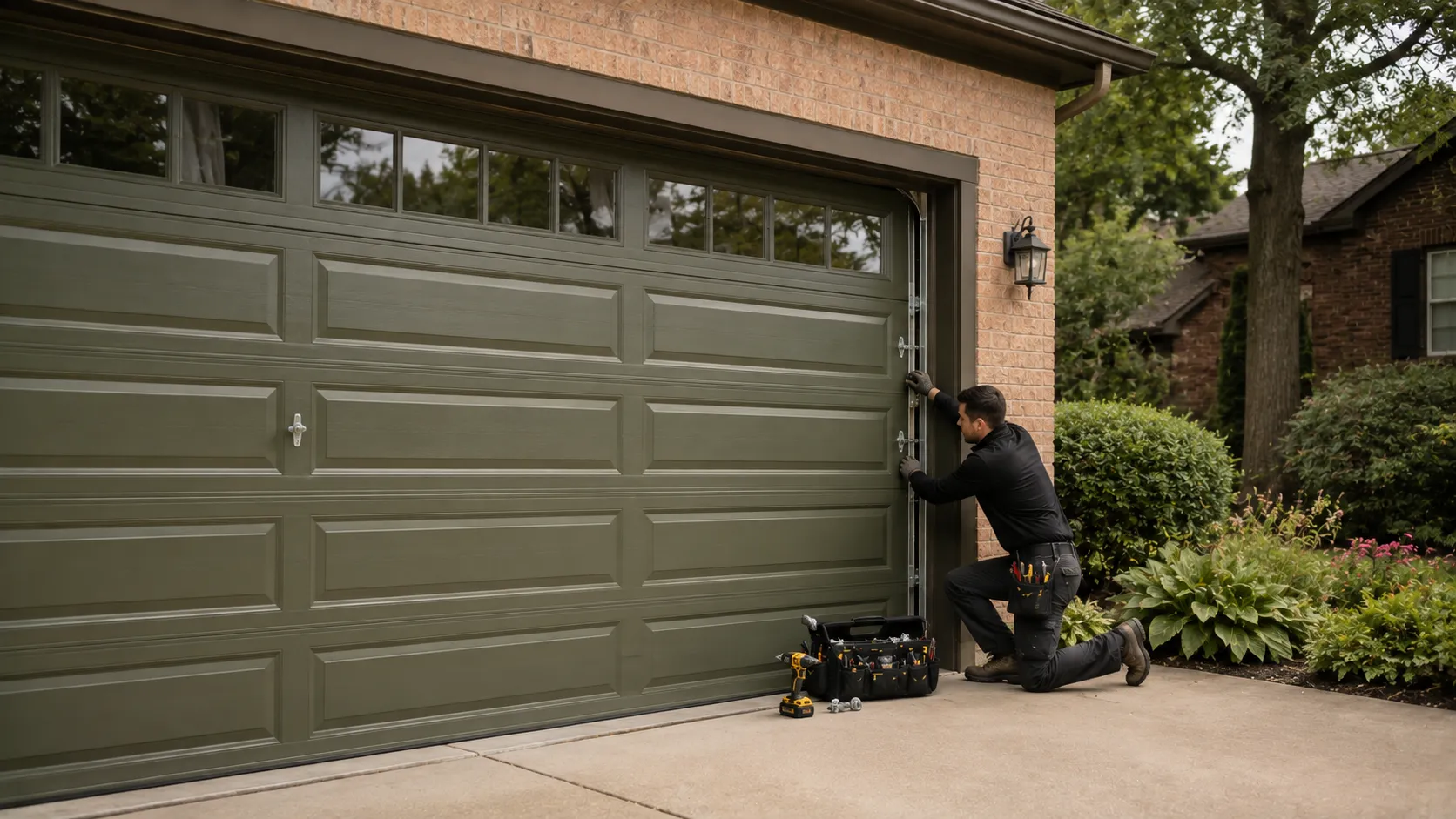
The job goes sideways when what looked like a simple lubrication call turns out to be a spring that's already fatigued past the point maintenance can help - at nearly thirty years old, on a cold-severe hardware set, that's not rare, and no amount of oil fixes a spring that's lost its temper. It also goes sideways if the door turns out to have a track or spring size that isn't the common modern spec, which happens more on houses from this build era than newer ones, and means we can't finish the swap on the same visit. And because we're driving up from Colorado Springs rather than working out of a local yard, if a part turns out to be wrong or missing, that's a return trip, not a quick run around the corner - we'd rather flag that risk honestly than pretend every visit wraps up in one stop.