Garage Door Repair for Stratmoor's 1970s Housing Stock
Stratmoor homes mostly date to the mid-1970s. That means original torsion springs and steel tracks are still on the door in a lot of houses. Here's what that means for a repair call.
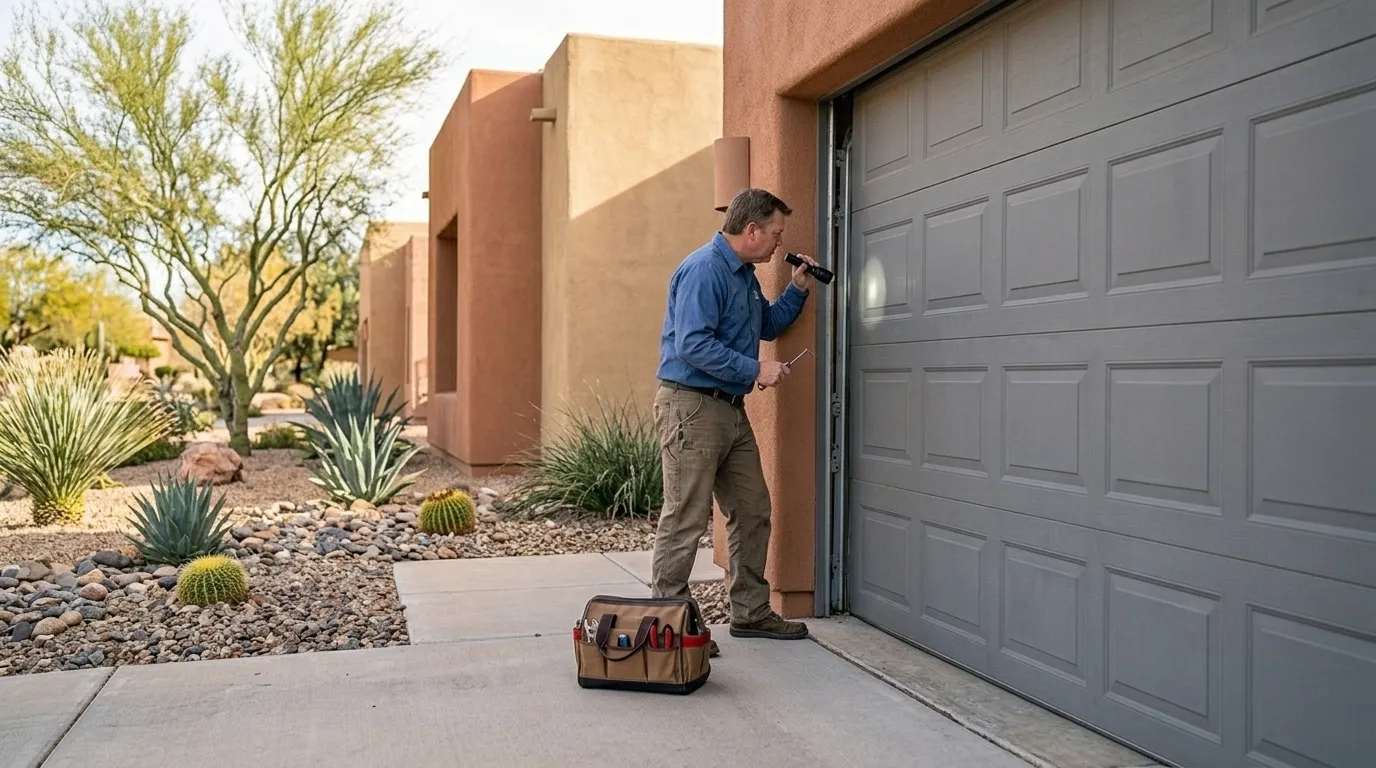
Stratmoor's median home was built around 1976, and across the wider service area the housing stretches from 1951 to 2006. That gap matters because a lot of doors in Stratmoor never got touched after the original install. When we roll up to a call here, the first thing we check isn't the opener - it's the spring and the track, because in a house from that era there's a real chance both are the factory parts.
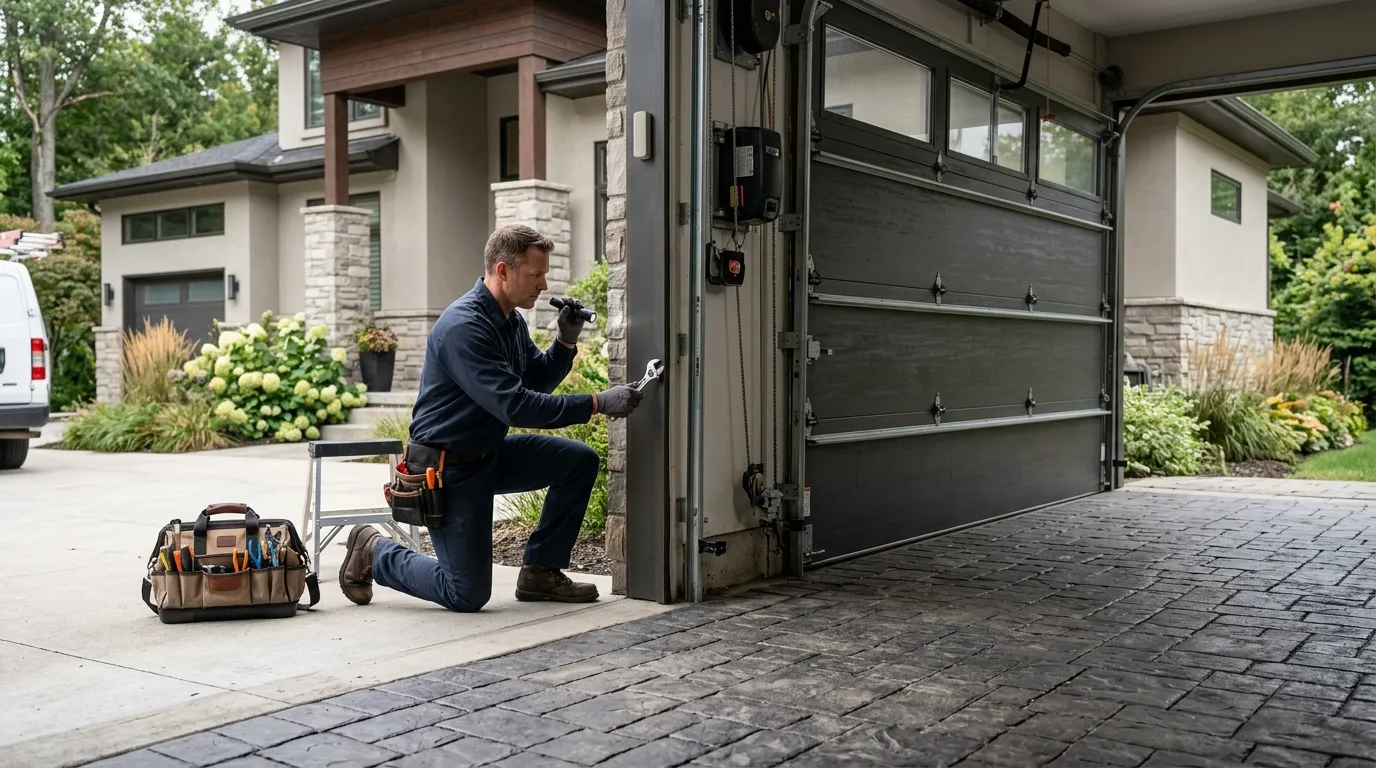
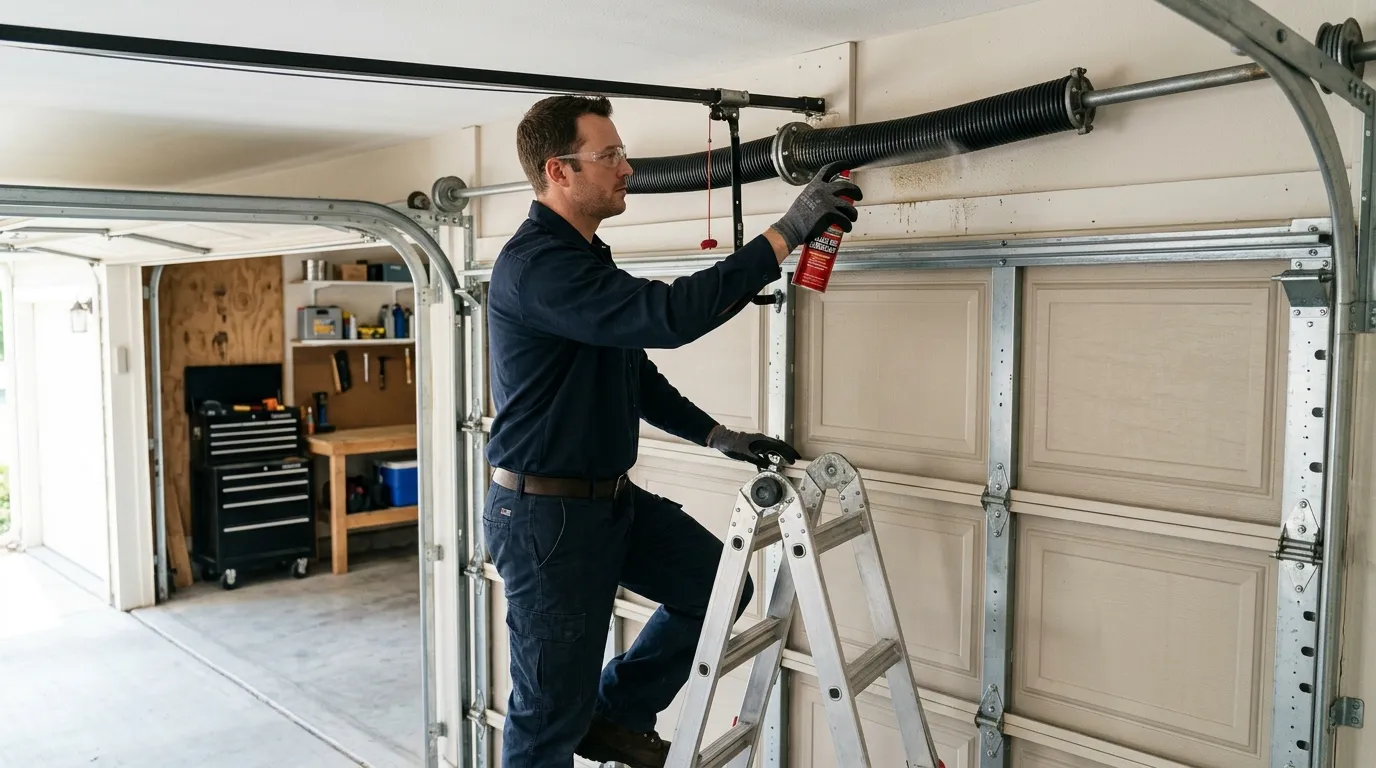
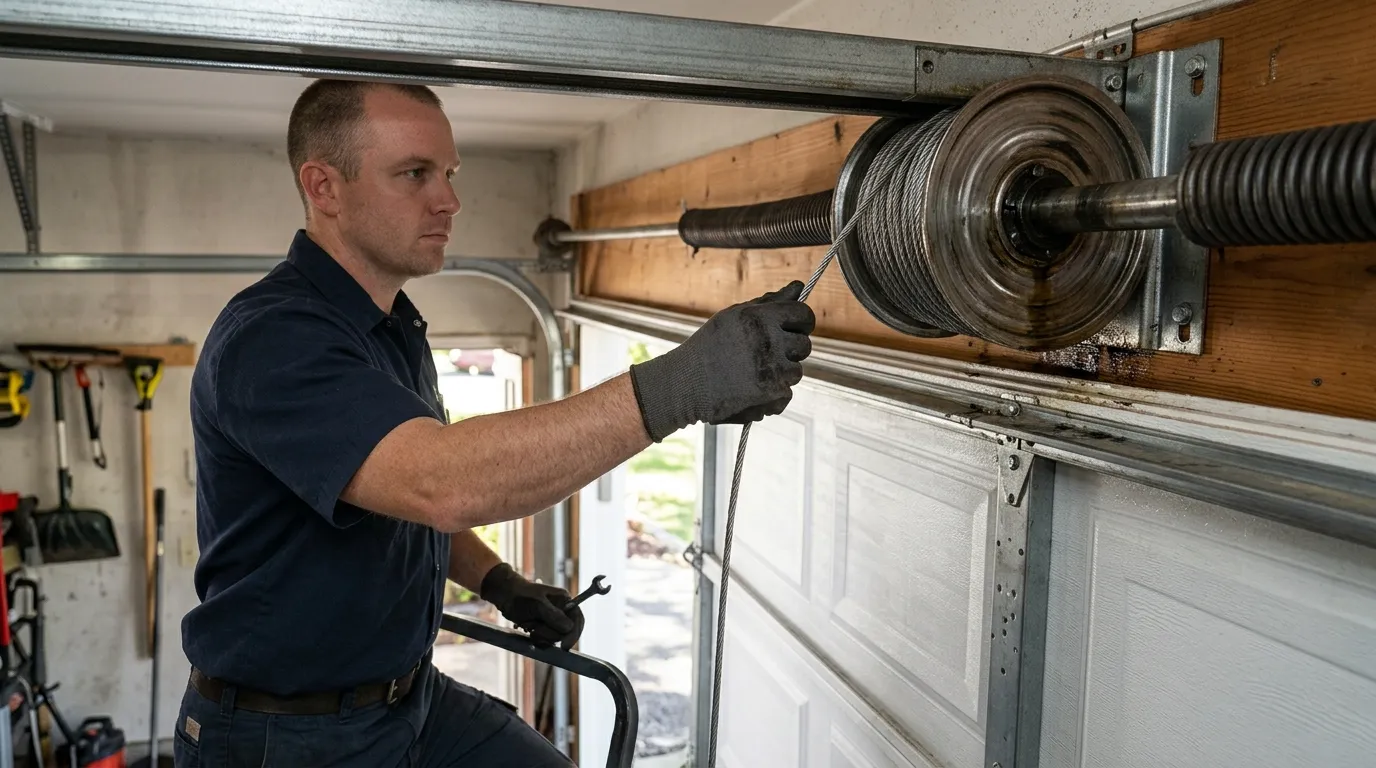
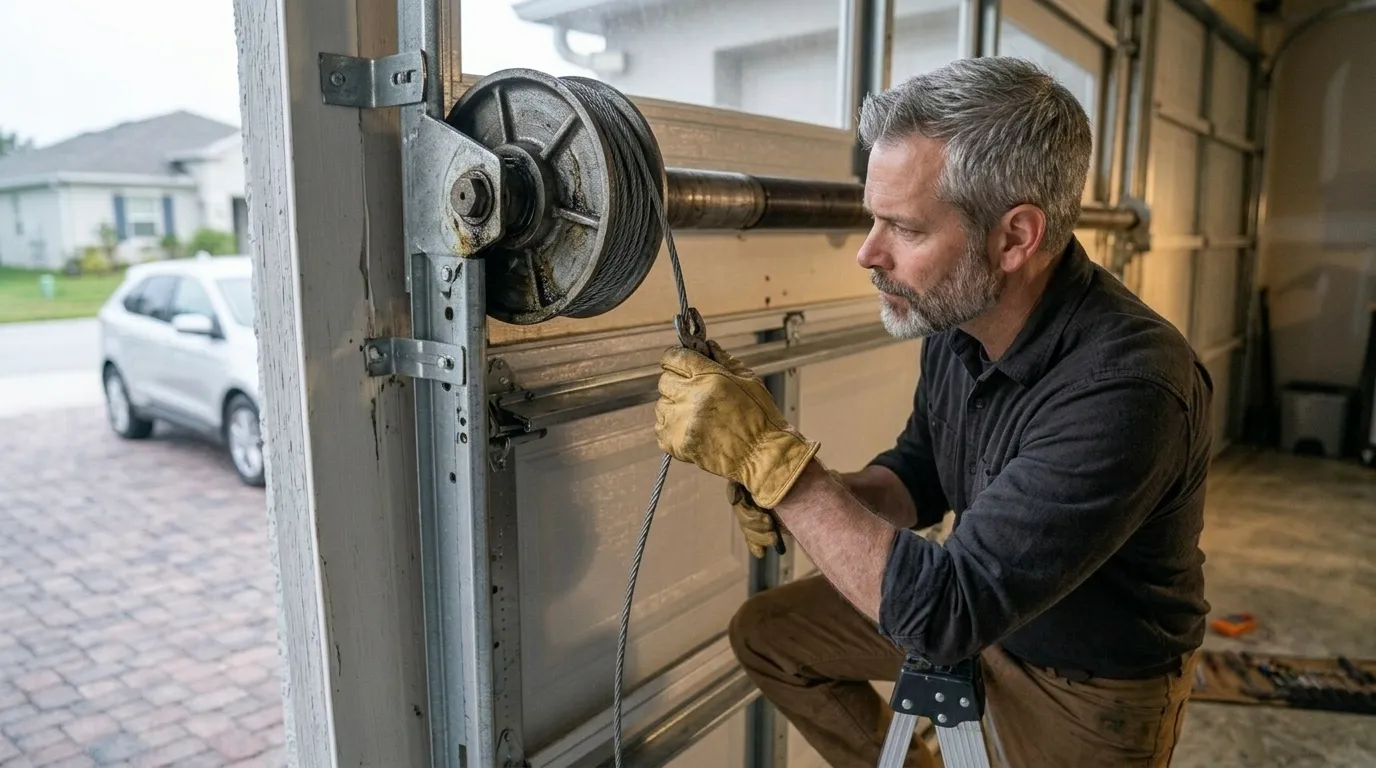
Original torsion springs from the mid-70s were wound for a lighter door than what's often hanging on them now if a panel swap happened somewhere along the way. That mismatch is one of the more common reasons a door in this age bracket binds halfway up or slams down instead of easing. We test spring balance before we touch anything else - pulling a door with the wrong spring tension is how a cable snaps on someone's fingers.
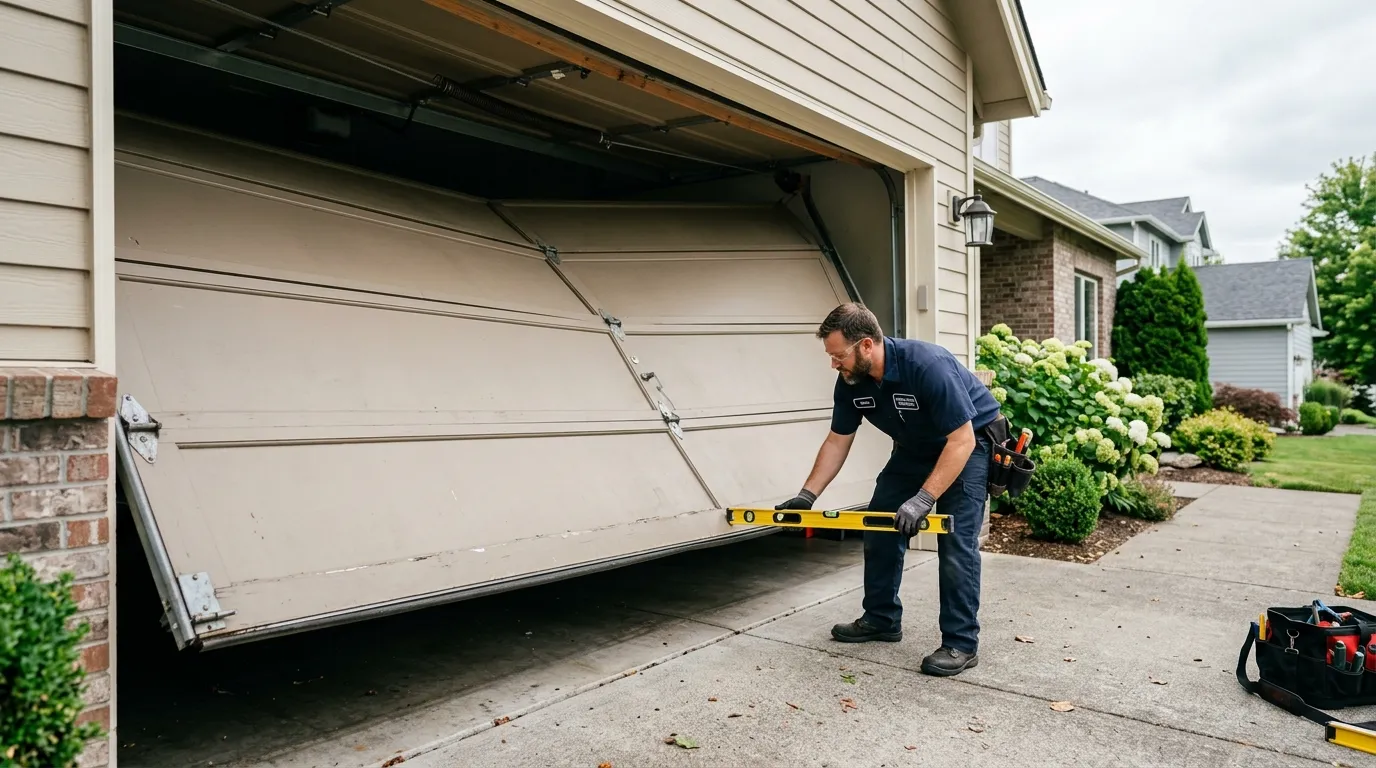
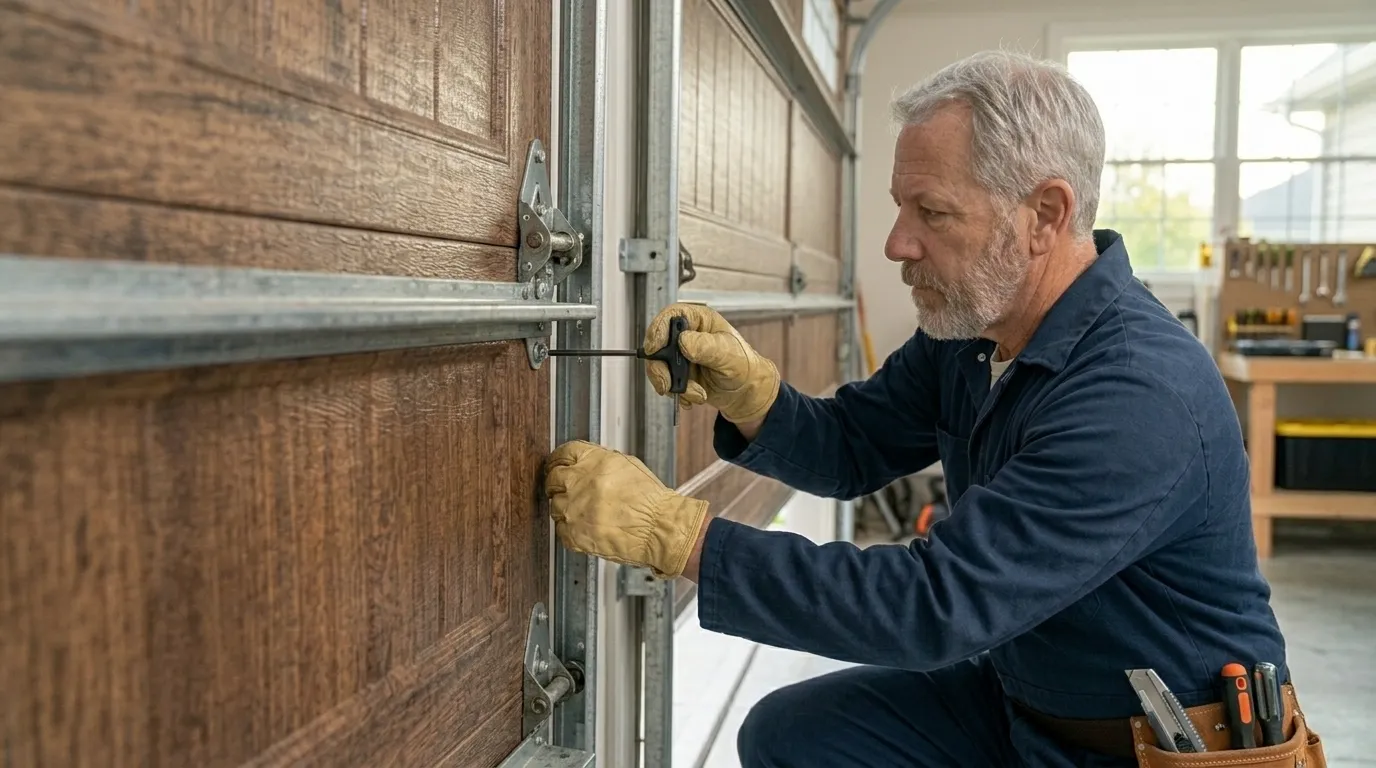
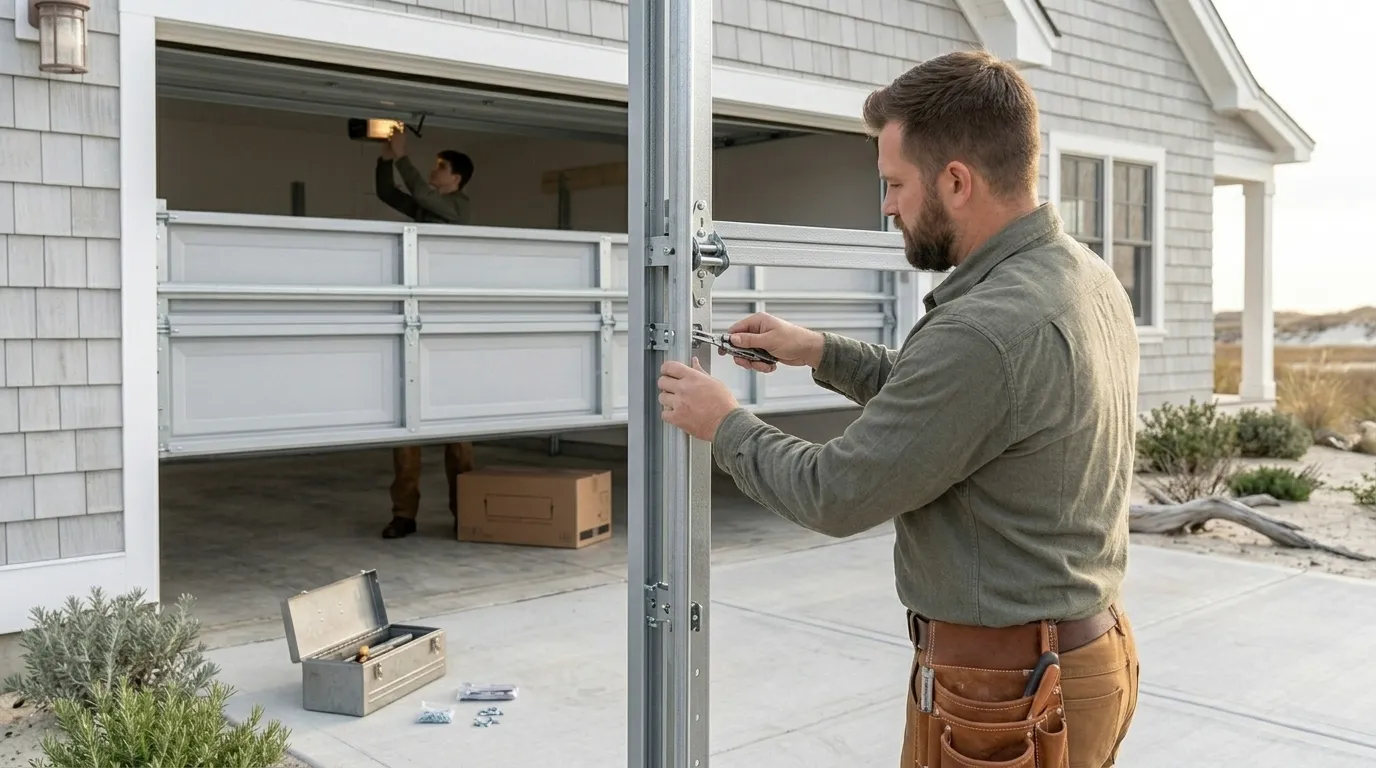
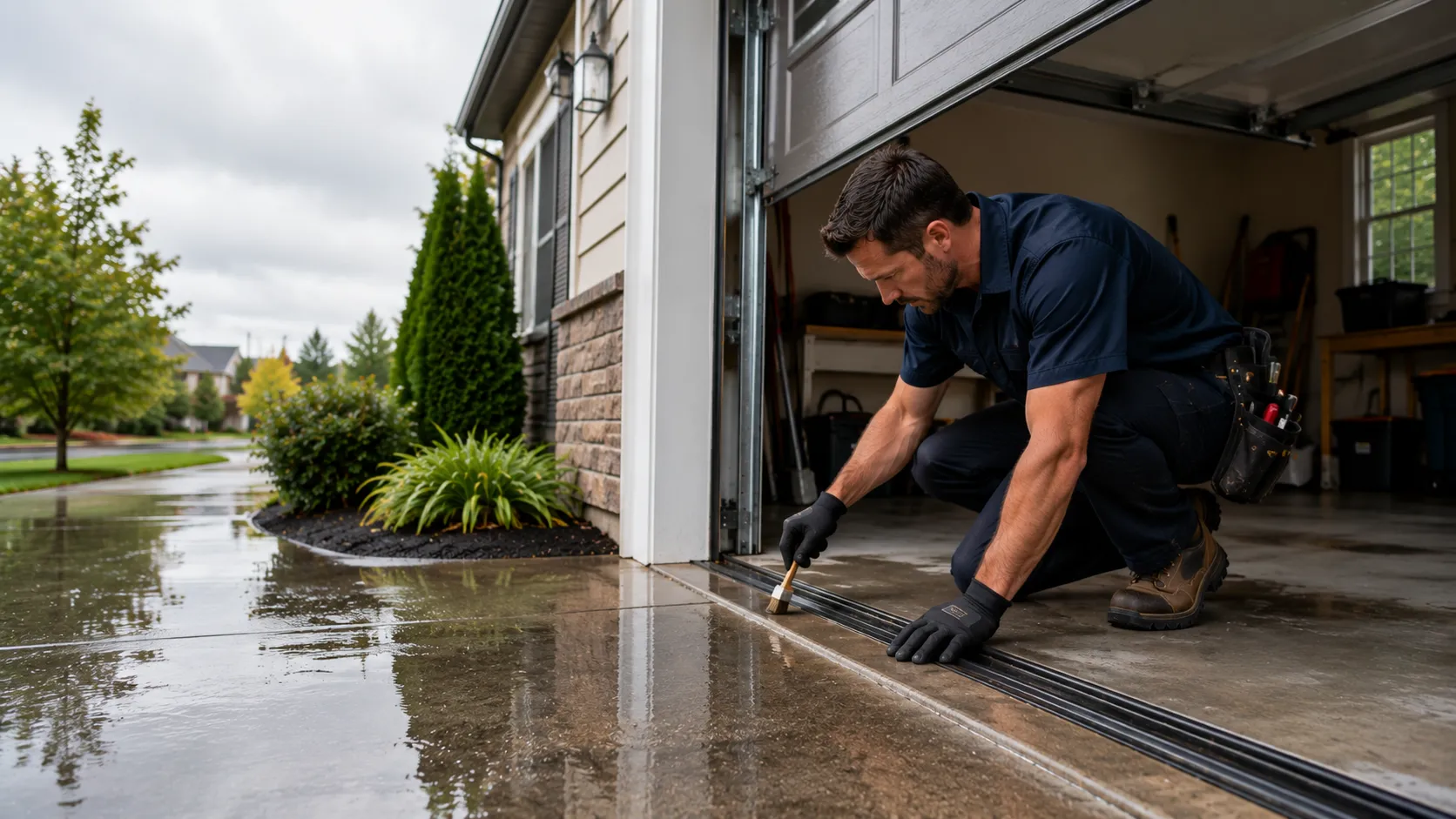
Track alignment is the other original-hardware issue. Steel track from that build year has usually taken 45-plus years of temperature swings, and the brackets holding it to the jamb loosen slower than people think, then let go all at once. We shim and resquare before we replace, because on a lot of these doors the track itself is still straight - it's just been pulled off true by a bracket, not bent.
What It Costs
We don't quote Stratmoor prices differently because of the drive - it's 7 miles from our Colorado Springs base, close enough that travel isn't the line item. What does change the math here is the income picture: Stratmoor's median household income runs around $62,759, noticeably below the roughly $95,392 median across the broader service area. That's not a reason to cut corners, but it's a real reason we walk through repair-versus-replace honestly instead of defaulting to a new door.
On a house built in the mid-70s, a torsion spring swap or a cable replacement is almost always the cheaper and more sensible call than pulling the whole door. Where it stops making sense is when the door itself - the panels, not the hardware - has rusted through or delaminated, which happens on doors that have been in place since the original build. At that point we'll tell you straight that a new door costs less over five years than another patch job.
Why It Happens Here
The service area sits in a severe cold climate zone, and Stratmoor doesn't get a pass on that. Cold doesn't break garage doors on its own, but it does two things reliably: it stiffens grease in old rollers so the opener strains harder every cycle, and it shrinks steel just enough that a marginal bracket or a spring already fatigued from age finally gives.
With roughly 2,396 households in Stratmoor and a housing stock centered on 1976, we're looking at a neighborhood where a big share of doors are on their second or third decade past any hardware refresh. That's a different failure pattern than a subdivision built in the 90s, where openers are the usual complaint. Here, it's springs, cables, and track brackets - the parts that don't fail gradually so much as fail completely, usually on the coldest morning of the week when the steel is least forgiving.
Where This Job Goes Sideways
The most common mistake on a Stratmoor call is someone trying to free up a stuck door themselves and disconnecting the opener arm without releasing spring tension first. On a door this old, that spring has had decades to lose its factory rating, and it doesn't behave predictably. We've had calls where the homeowner did everything right except that one step.
The honest limitation: if a torsion spring on one of these older doors is a size we don't carry on the truck - which happens on some of the odder factory setups from that build era - we may need to order it, and that can add a day or two. We'd rather tell you that up front than promise a same-visit fix we can't back up.
How it works
From “it’s stuck” to “it’s fixed”
01
Tell us what’s wrong
Describe the symptom - won’t open, loud bang, opener runs but the door won’t move.
02
On-site diagnosis
A technician tests the door under power and by hand and finds what actually failed.
03
Clear, up-front plan
You get the fix that’s needed and what drives the cost - before any work starts.
04
Repaired & tested
The repair is done, the door is set true and tested, and the work area left clean.
Serving Colorado Springs, CO - tell us what your door’s doing and we’ll take it from there.
The median home in Stratmoor was built around 1976, and a lot of those doors still have their original spring and track hardware. If your door has never been serviced, that's the most likely reason it's binding, slamming, or making a grinding sound on the way up.
Is it worth repairing an old door or replacing it?
Depends what's failing. If it's the spring, cable, or track, repair almost always costs less and lasts fine. If the panels themselves are rusted or delaminating - common on doors that have sat since the mid-70s build - replacement usually pencils out cheaper over a few years.
Do you have a branch in Stratmoor?
No. We run out of Colorado Springs and cover Stratmoor as part of the service area, about 7 miles out. That doesn't change what we charge - travel isn't billed as a separate line item on the job.
Why does cold weather cause spring failures here?
Stratmoor sits in a severe cold climate zone. Cold stiffens old grease and shrinks steel slightly, which is often enough to push a spring that's already fatigued from decades of use past its breaking point - usually on the coldest morning of the week.
Ready to get your garage door sorted?
Tell us what it’s doing and where you are in Colorado Springs - we’ll take it from there.