Booking a Visit
Tell us the address is in Fountain when you call - it changes what we load before we leave Colorado Springs. A 13-mile trip means we'd rather bring the right torsion spring and the right opener logic board the first time than come back for a second run.
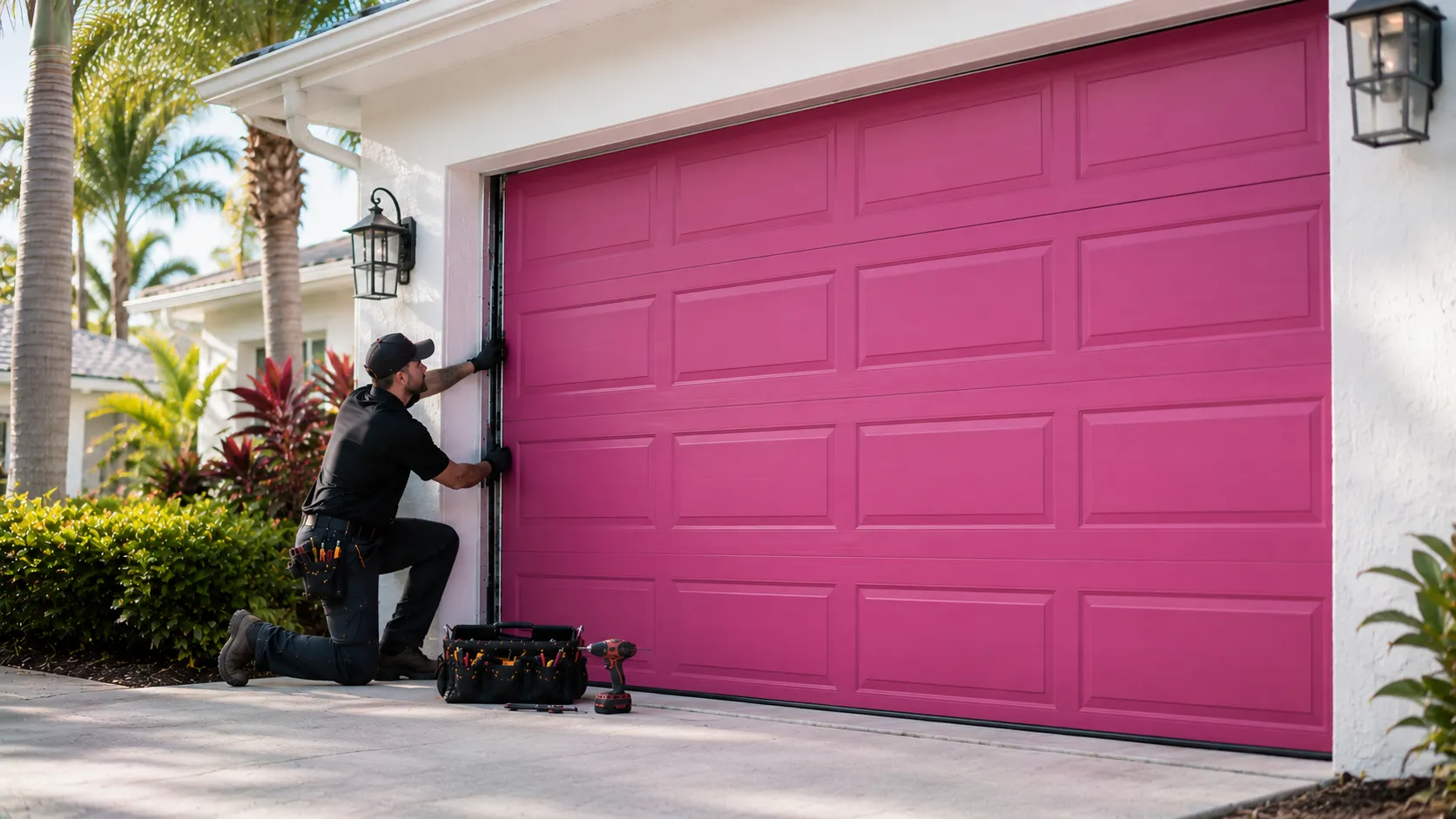
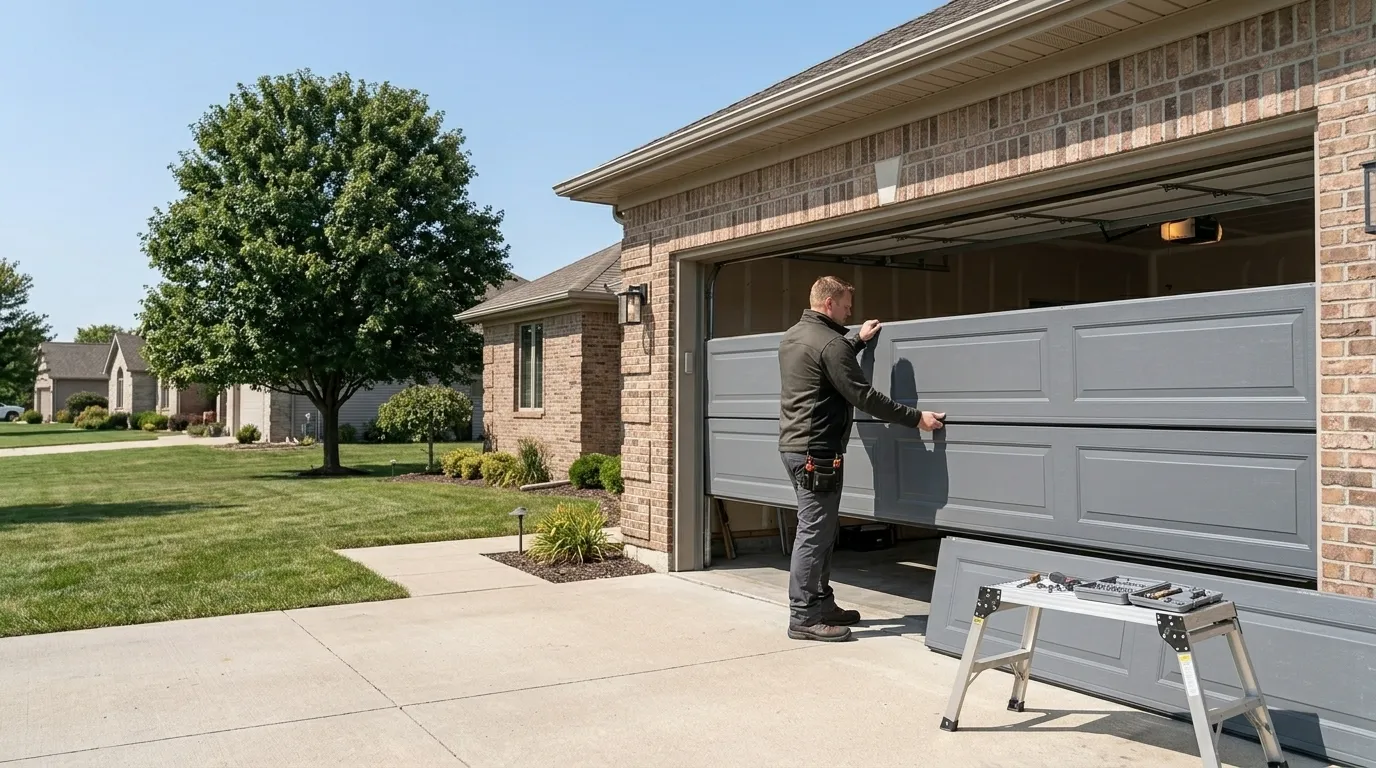
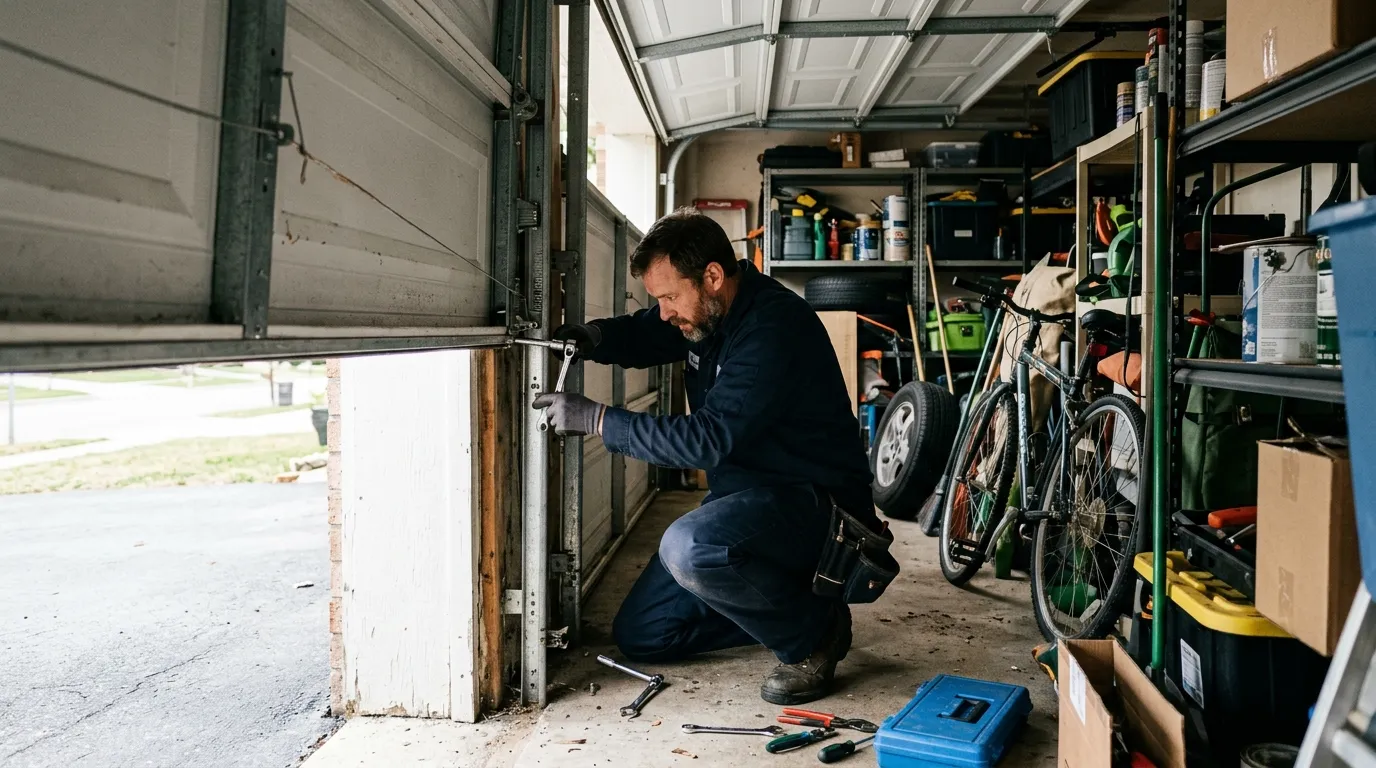
Most of what we see on 1990s-built Fountain doors is diagnosable over the phone: a spring that let go with a bang, an opener that hums but doesn't lift, a door that reverses off a sensor that's gone out of alignment. Give us those details and we'll show up with the parts that actually fit a door of that vintage instead of guessing.
We don't keep a standing crew stationed in Fountain, so we work by scheduled visit rather than a walk-in counter. That's the honest tradeoff of covering a wide service area from one base - no drop-in same-hour stops, but a crew that carries the right stock for this housing stock's era every time it drives out.
Why It Happens Here
Fountain's houses skew newer than a lot of the towns we cover from Colorado Springs - median year built is around 1998, well past the 1951-2006 range across the wider service area. That means fewer of the old extension-spring, single-torsion-tube setups and more matched-pair torsion springs on a single shaft, plus openers original to a house that's now roughly a quarter-century old. At that age, the opener's logic board and the door's springs are hitting the end of their expected service life around the same time, which is why a lot of our Fountain calls are both at once.
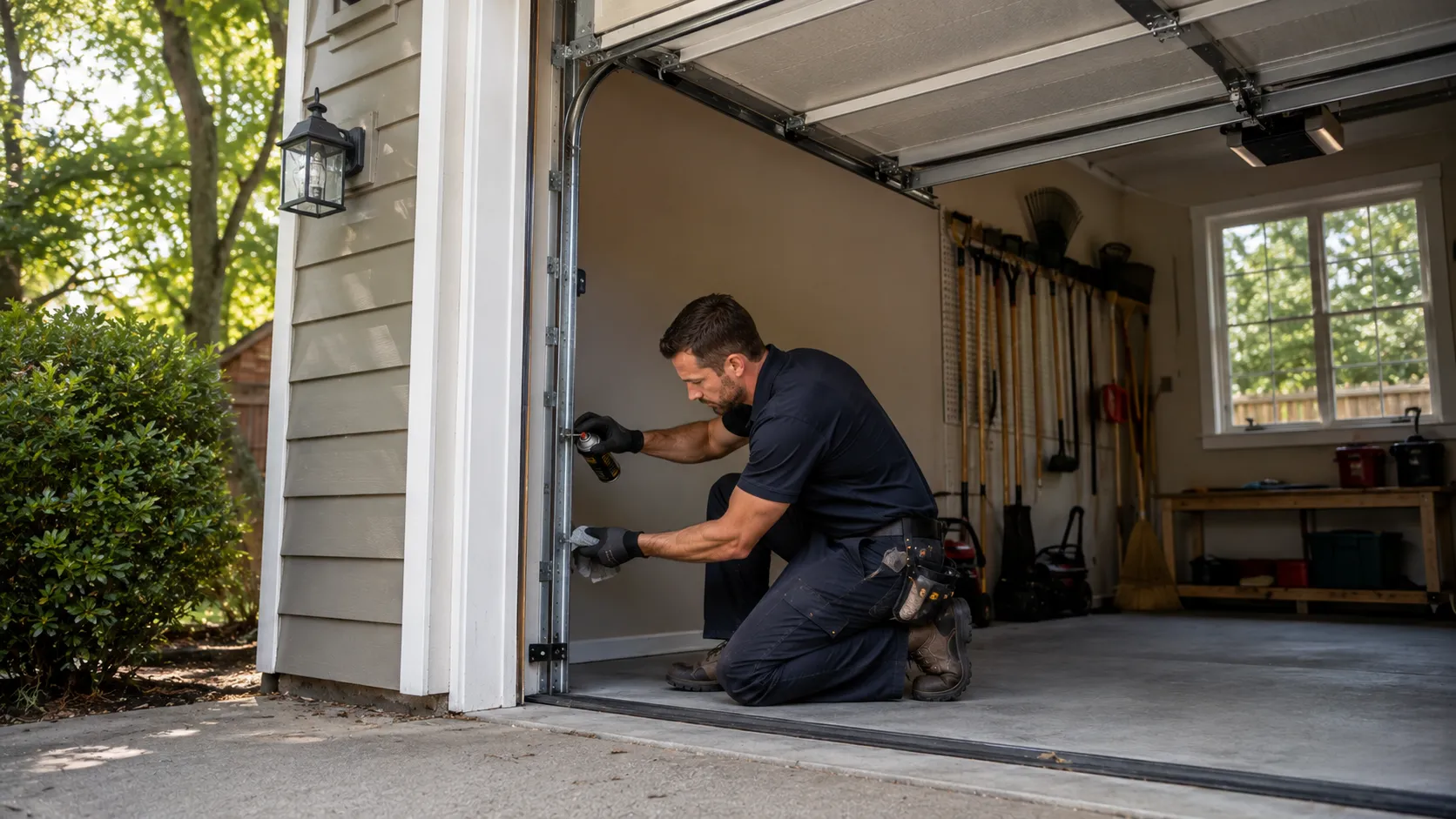
The climate band across the whole service area is cold and severe, and that doesn't care what decade a door was built in. Cold snaps stiffen torsion springs and thicken old grease in the opener's drive, so a door that was sluggish in October can bind hard in January. On a 1990s-era steel door, the panels themselves usually outlast the moving parts - it's the spring, the rollers, and the opener drive that give out first, not the steel.
What It Costs
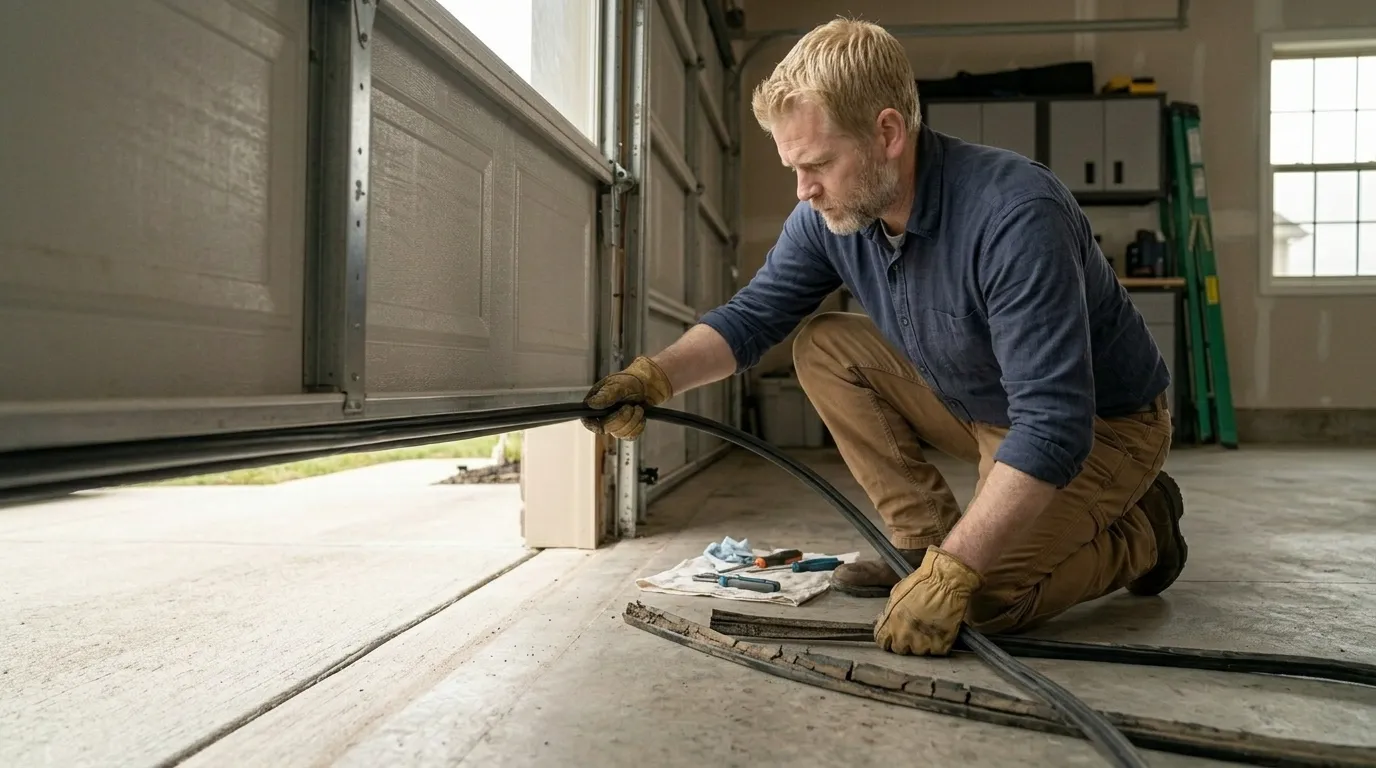
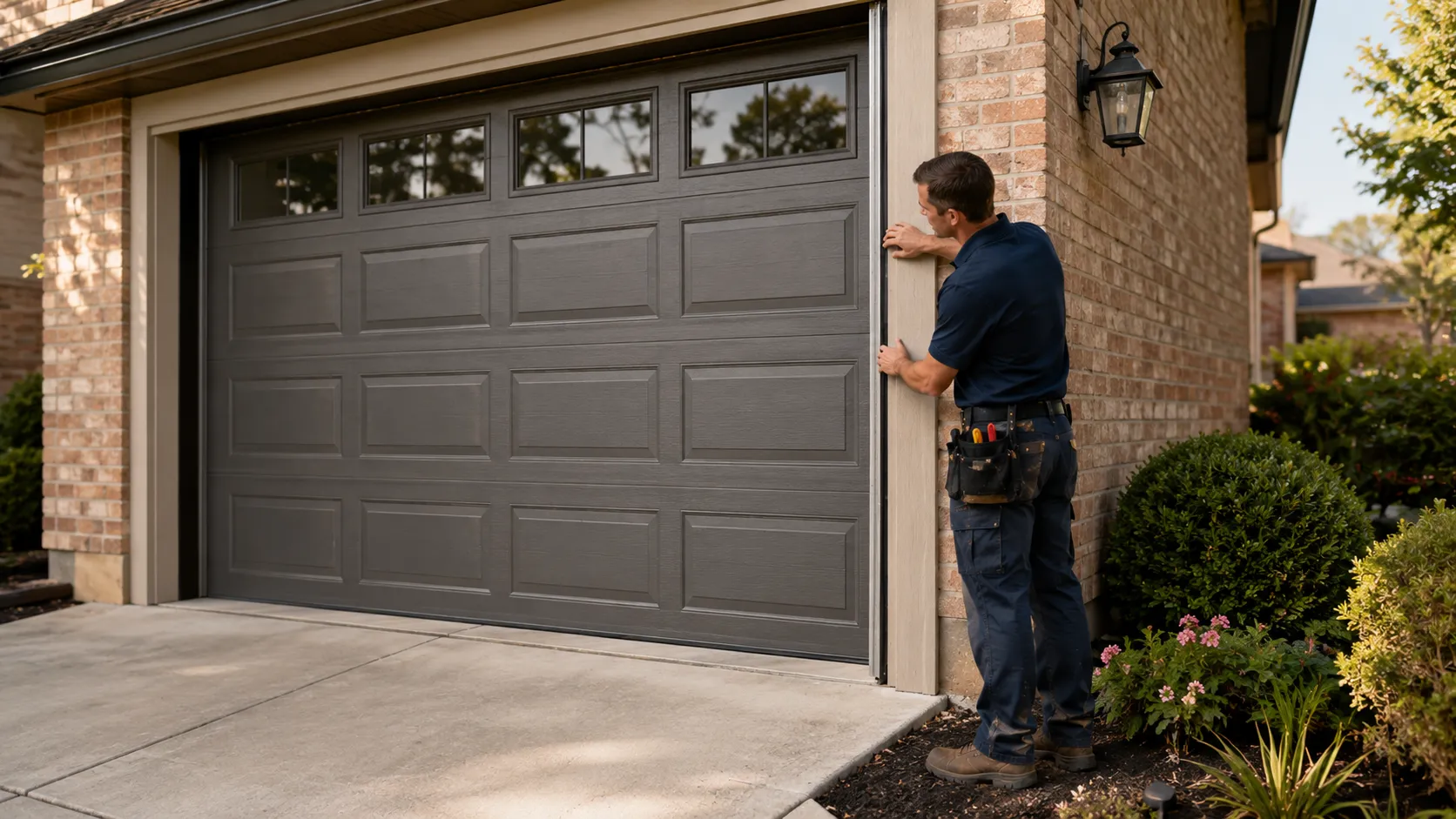
We don't quote a number without seeing the door - a spring job and a full opener swap aren't priced the same, and we're not going to guess over the phone what's wrong with a door we haven't looked at. What we can tell you is that a standard steel sectional door from Fountain's building era, with common torsion spring sizes and common opener models, tends to price straightforwardly because the parts aren't special-order.
Where cost goes up is custom widths, discontinued opener boards, or full door replacement rather than repair - and on a door built as recently as the late 1990s, replacement is rarely the right call unless the panels themselves are damaged, since the steel usually outlasts the hardware around it.